
REVIEW · 3-DAY EXPERIENCES
3-Day Freediving Level 1 Course
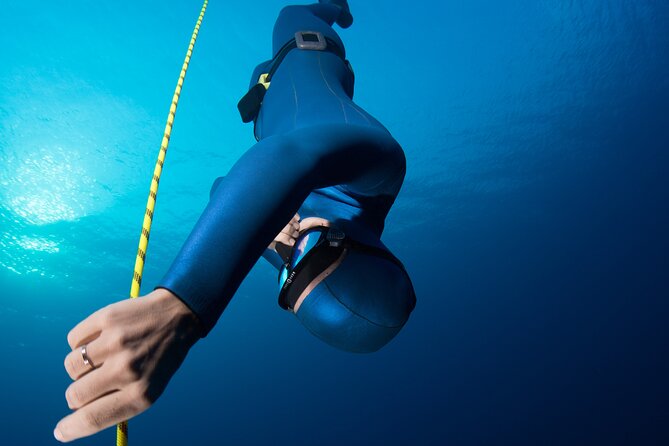
Silent water lessons feel surprisingly doable. This 3-day Level 1 freediving course in Nusa Penida is built for first-timers, with theory plus practice in both a pool and the open ocean. I like the small group size (max 4 per instructor), which means more feedback as you learn breath control and safer technique. I also like that you take home underwater photos of yourself with coral and tropical fish, so your first course has a real keepsake.
One thing to plan for: lunch and transport are not included, so your total trip cost depends on where you’re staying and how you’ll get to the meeting point each day.
In This Review
- Key things that make this course work in real life
- Nusa Penida Level 1 freediving, designed for your first confidence
- The 3-day schedule: 8:30 to 16:30, with structured learning blocks
- Confined water sessions in the pool: where fear turns into skill
- Open ocean practice in Nusa Penida: progressing to 15 to 20 meters
- Underwater photos, certification, and included gear: the stuff that makes the course worth it
- Price and value: what $450 covers, and what you should budget for
- Safety and coaching quality: why the small instructor ratio matters
- Who this course is best for (and who should reconsider)
- Practical travel tips for Bali and Nusa Penida days
- Should you book this 3-Day Level 1 freediving course?
- FAQ
- What is included in the 3-day Level 1 freediving course?
- Do I need previous freediving experience?
- Can I join if I cannot swim well?
- What training sessions are included during the 3 days?
- How deep can most students go by the end of the course?
- What is not included in the price?
- Can I cancel and get a refund?
Key things that make this course work in real life
- Max 4 students per instructor, so you’re not just watching from the sidelines
- Pool plus open ocean practice, not only “classroom learning”
- Most students reach 15 to 20 meters and hold breath for over 2 minutes by the end
- Equipment and fees are included, so you avoid last-minute shopping
- Digital learning materials plus a freediving certification at the end
- Course hours run 8:30 to 16:30, with a lunch break on most full days
Not decided yet? These Nusa Penida trips held up when we went through them.
Nusa Penida Level 1 freediving, designed for your first confidence
This course is aimed at people who are curious, a little nervous, or both. It’s a smooth introduction to the silent, slow pace of freediving, and it welcomes beginners as long as you can swim. That matters, because your progress depends less on athleticism and more on staying calm, following instruction, and learning how your body responds when you control your breathing.
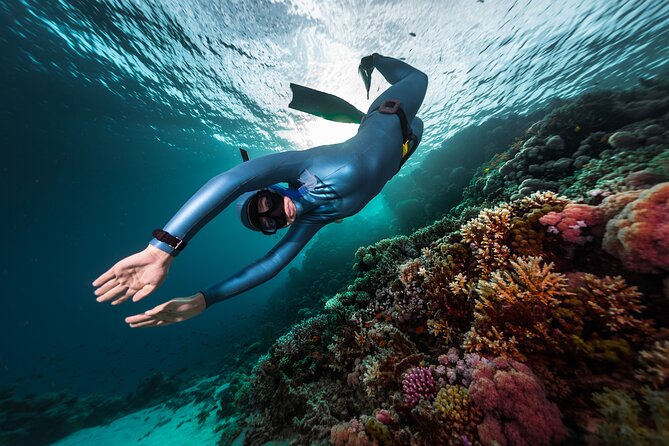
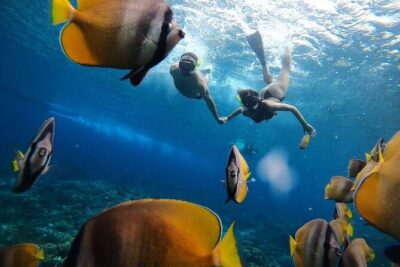
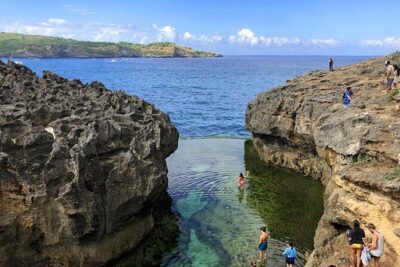
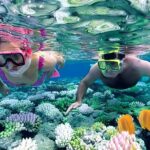
Where Nusa Penida comes in is the setting. You’ll spend your practice days around the island’s well-known underwater world, with coral and tropical fish right there in the background for your open water sessions. Even if you don’t think you’re a “ocean person,” the course rhythm makes the experience feel manageable: learn the basics, practice in controlled conditions, then apply those skills in the ocean.
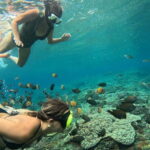
You also get a real-world motivator baked in. The course includes underwater photos of you during your session, so you can see your progress and remember what it felt like when everything clicked. That’s especially helpful for a Level 1 course because the biggest win is usually not a huge depth number, it’s knowing you can control your breathing and stay focused.
The 3-day schedule: 8:30 to 16:30, with structured learning blocks
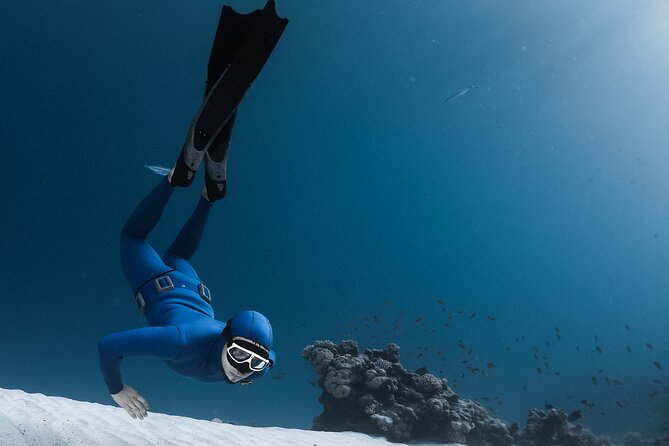
Across the three days, the course runs from 8:30 AM to 4:30 PM, with a break for lunch. The structure is what makes this Level 1 course effective. You’re not just thrown into the ocean on day one and told to figure it out.
Here’s the shape of the training:
- Land theory and practical sessions each day
- 2 confined water sessions (a pool setting)
- 3 open water sessions in the ocean
That mix is key. Confined water helps you build control without distractions like swell, visibility changes, and the mental load of being truly underwater in open water. Then open water is where you test those same skills under more “real” conditions.
Also, because the course ends back at the meeting point, you’re not dealing with complicated end-of-day logistics. You do want to treat the days like a full-time commitment. If you arrive tired, distracted, or short on time for lunch, your performance and comfort will take the hit.
Confined water sessions in the pool: where fear turns into skill
Your first big goal is to get comfortable with what freediving asks for mentally. One of the strongest themes in the course feedback is that beginners start out afraid of being in the water without breathing, then adjust quickly once the training is gradual and supportive.
That’s exactly why the two confined water sessions matter. The pool environment is where you learn the rhythm: controlled breathing, calm body positioning, and the step-by-step progression that helps you feel safe. The instruction includes both theory and practice, which means you’re not guessing. You understand what you’re doing and why it’s done that way, then you repeat it until it feels natural.
If you’re the kind of person who freezes when something unexpected happens, I’d lean into the early pool sessions as the moment to build trust. Your instructors can only help you if you’re willing to be a beginner for a little while. The good news is the course is small enough that you’re likely to get hands-on attention, not generic advice for a whole group at once.
By the end of the pool practice phase, most people are able to hold breath for more than 2 minutes, which is a helpful milestone. It signals you’ve moved from “scared and holding on” toward “steady and controlled.”
Open ocean practice in Nusa Penida: progressing to 15 to 20 meters
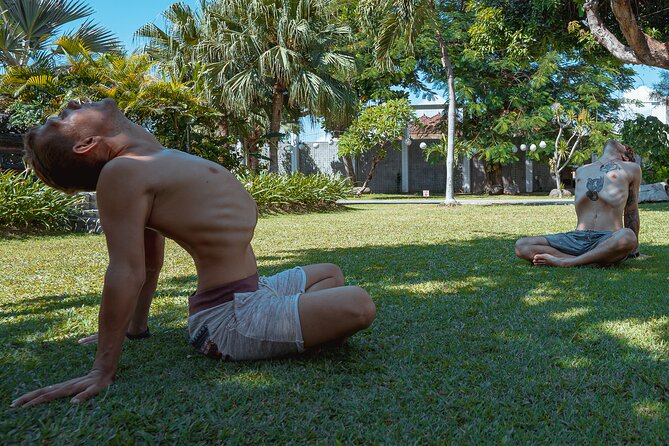
The open water portion is where the experience becomes unforgettable. This is the part where the training shifts from “skills in a pool” to “skills in the ocean,” and the ocean doesn’t care about your comfort zone.
Most students can descend to around 15 to 20 meters (50 to 65 feet) on a single breath and achieve breath-hold times over 2 minutes by the end of the course. That depth range is a big part of the appeal because it’s realistic for Level 1. It’s also motivating: you’re not paying for a course that stays shallow and theoretical.
What I like about this setup is how it rewards good pacing. You don’t need to race to depth. Your job is to stay calm, follow instruction, and keep your body from overworking itself. When you do that, the descent feels less like a struggle and more like a controlled glide.
In the course feedback, instructors are repeatedly praised for support and patience, especially for students who started anxious. Names that show up in positive stories include Artem, Roberto, Seva, Hamza, and Gaston. So if you end up with an instructor known for being considerate yet pushing you in the right direction, you’re likely to get that balance of comfort and progress.
- Nusa Penida Two Dives Trip for Certified Divers★ 5.0 · 197 reviews
- One Day Nusa Penida Island West★ 4.5 · 177 reviews
- Two fun dives morning trip (Certified Divers only)★ 5.0 · 170 reviews
- Snorkeling Manta Ray Safari in Nusa Penida★ 4.0 · 167 reviews
- Kuber Bali ATV Through Waterfall & Long Tunnel★ 5.0 · 141 reviews
Underwater photos, certification, and included gear: the stuff that makes the course worth it
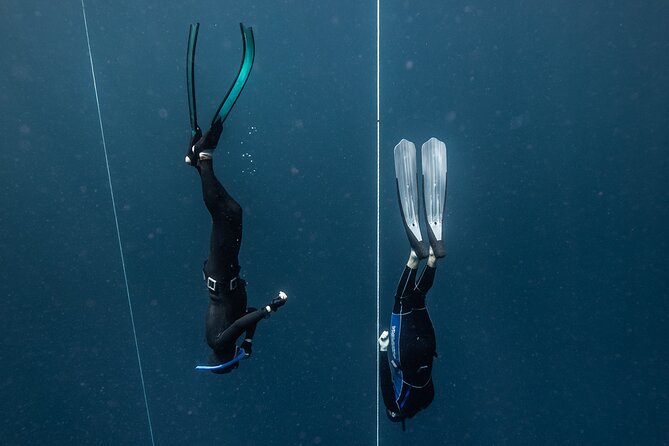
A Level 1 freediving course is sometimes hard to value because the “product” is partly intangible, like comfort and confidence. This one adds something tangible: underwater photos you can take home, plus a freediving certification and digital learning materials.
The course also includes freediving equipment. That’s a practical win. If you’ve ever tried a new sport and got stuck buying random gear at the wrong moment, you’ll appreciate this approach. You don’t need to buy special items just to participate. The idea is to focus on learning, not sourcing.
Certification matters for a simple reason: it can make your next step easier. If you want to continue freediving, certification gives you a clear starting point and a documented baseline of your Level 1 training.
One more small detail with big impact: the course has a maximum of four students per instructor. That ratio affects your learning speed and how quickly instructors can correct small things that impact safety and comfort.
Price and value: what $450 covers, and what you should budget for
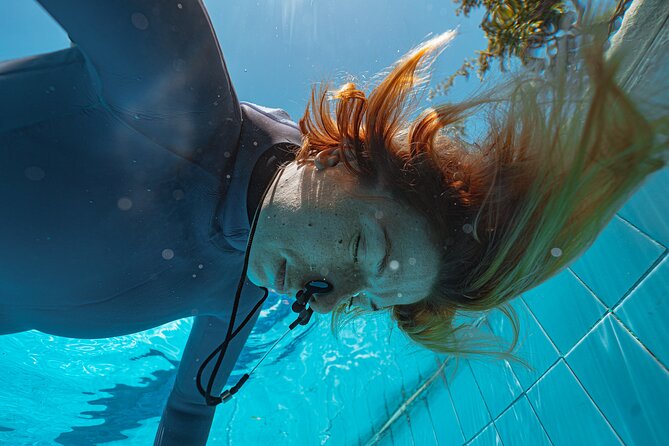
At $450 per person for a three-day Level 1 course, you’re paying for structured instruction, multiple sessions across pool and open water, and the gear you need to train. What makes the price feel more fair is what’s included.
Included:
- Freediving equipment
- All fees and taxes
- Freediving certification
- Digital learning materials
Not included:
- Private transportation
- Accommodation
- Lunch
So how do you judge value? You compare the “all-in training cost” versus the “trip cost.” If you already have lodging sorted nearby and you can handle getting to the meeting point without a private driver, your real total might stay close to the headline price. If not, your transportation and lunch expenses can add up quickly.
Also pay attention to time. The full schedule is 8:30 AM to 4:30 PM, so you’re less likely to squeeze this in on a “half day” plan. Treat it like a real activity block that should fit cleanly into your Bali itinerary.
Safety and coaching quality: why the small instructor ratio matters
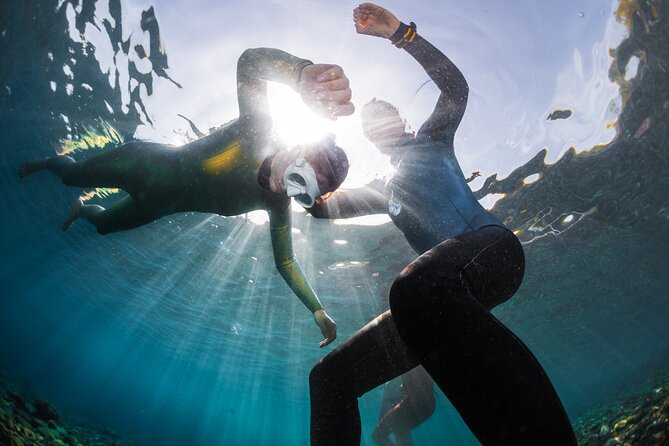
Freediving is not a sport you should rush. The course is designed around that reality, starting with a small group size. A maximum of four students per instructor gives you something you can’t fake: real-time feedback. If you mis-time your breathing or your body posture gets tense, an instructor can spot it and guide you before it becomes a habit.
The course also has an intentional progression: theory and practice on land, then confined water, then open ocean. That reduces the chance that you only learn “in the hardest environment first.” It’s not just a comfort choice. It’s a safety choice.
You should also factor in the stated fitness expectation. The course calls for a moderate physical fitness level and requires that you can swim. That doesn’t mean you need to be an athlete. It does mean you should be honest about your ability to feel steady in the water, because the course moves from pool sessions to open ocean sessions within three days.
Who this course is best for (and who should reconsider)
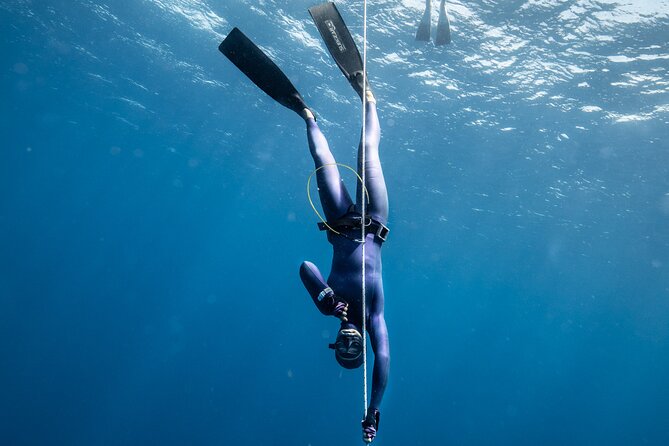
This course fits you well if:
- You’re curious about freediving but have no previous experience
- You can swim
- You want a structured Level 1 path with theory plus practice
- You like the idea of underwater photos as a personal milestone
- You’d benefit from close coaching (small group size helps a lot)
You might want to reconsider or at least think carefully if:
- You’re not comfortable with being in water without immediately breathing
- You’re not able to meet the moderate physical fitness requirement
- You don’t have a plan for lunch and transport, since those are not included and the day is long
If you’re traveling solo, the small group format can feel friendly rather than intimidating. If you’re traveling with a partner, it’s still a strong option because each of you gets individualized attention, rather than being treated as a pair with one instructor covering everything.
Practical travel tips for Bali and Nusa Penida days
This experience starts at Freedive Nusa – Freediving School in Nusa Penida (Desa, Kec. Nusa Penida). The course runs Monday to Sunday from 8:30 AM to 4:30 PM, which gives you flexibility inside your trip planning.
A few practical things to help your days go smoothly:
- Plan for a full day. The schedule is long, and lunch is not included, so you’ll want a strategy (either bring something you’re comfortable with, or plan nearby options).
- Arrange transportation. Private transport isn’t included, so decide ahead of time how you’ll get to the meeting point each day.
- Don’t treat Day 1 like “practice someday.” With pool and open water training across multiple sessions, arriving rested and ready helps your learning pace.
Also, if you care about documentation, know that the course includes digital learning materials and provides certification. That’s useful when you compare notes after you leave, and it can support future training.
Should you book this 3-Day Level 1 freediving course?
If your goal is to learn freediving safely, quickly, and with real coaching, I think this course is an excellent fit. The biggest strengths are the structure (theory plus pool plus open ocean), the small group size, and the fact that you’re not stuck buying gear yourself. The underwater photos and certification make it feel like more than “a try-it-once experience.”
Before you book, be honest about two things. First, you need to be able to swim and handle the moderate fitness expectation. Second, you’ll need to budget for lunch and getting yourself to the meeting point. If those are no big deal for your trip style, the $450 price for three days of guided freediving training is a solid value.
FAQ
What is included in the 3-day Level 1 freediving course?
The course includes use of freediving equipment, all fees and taxes, freediving certification, and digital learning materials.
Do I need previous freediving experience?
No. The course is designed for beginners, including people taking their first experience with water activities.
Can I join if I cannot swim well?
You only need to be able to swim. The course does not require prior freediving experience.
What training sessions are included during the 3 days?
You get theory and practical sessions on land, 2 confined water sessions, and 3 open water sessions.
How deep can most students go by the end of the course?
Most students can descend to about 15 to 20 meters (50 to 65 feet) and hold their breath for more than 2 minutes.
What is not included in the price?
Private transportation, accommodation, and lunch are not included.
Can I cancel and get a refund?
Yes, free cancellation is available. To receive a full refund, you must cancel at least 24 hours before the experience’s start time.
Fresh Nusa Penida write-ups from the review desk

3-Day Experiences, compared.
 ★ 5.0Best of Bali 3-Day Packaged TourFrom $179503 reviews
 ★ 5.03Days – Tumpaksewu Bromo Ijen Adventure via Malang or SurabayaFrom $282405 reviews
 ★ 5.03-Day Ethical Orangutan Jungle Trek | Bukit Lawang, SumatraFrom $205401 reviews
 ★ 5.0From Surabaya / Malang : Mt Bromo Sunrise – Ijen Blue Fire 3D2NFrom $387351 reviews
 ★ 5.0All inclusive Private 3 day tours package : Bali highlightsFrom $190348 reviews
 ★ 5.0Monkey Business 3 days – 2 nights Jungle trekking (including rafting)From $205294 reviews
 ★ 5.0Active Volcanoes Bromo and Ijen – Start Surabaya 3 Days and 2 NightsFrom $325292 reviews
 ★ 5.0More Complete: Discover Bali In 3 Days Private Tour PackageFrom $223167 reviews
Browse the lists this tour appears in