
REVIEW · SEMINYAK, CANGGU AND KUTA BEACH DAYS
Bali Canggu Silver Jewelry Making Experience
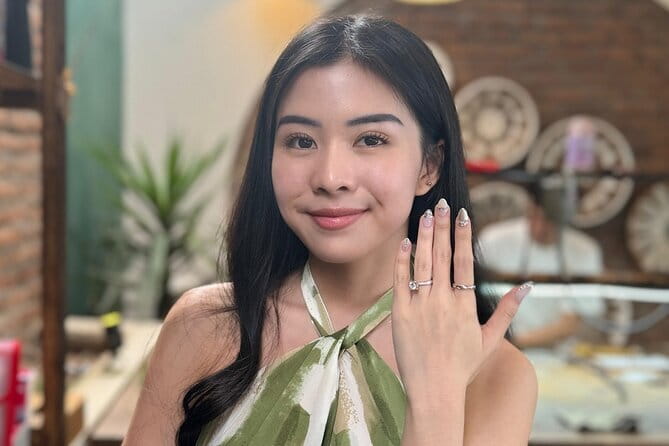
Make jewelry with your own hands in Canggu. This 2-hour silver workshop keeps it intimate with a 15-person cap, and you leave with a wearable souvenir you made yourself. It’s a hands-on way to add something personal to your Bali trip, not just another photo stop.
I also like how straightforward the class feels, from check-in to the moment you’re using the tools. One possible drawback: the studio has stairs and it’s not wheelchair accessible, so plan around that if mobility is a concern.
In This Review
- Quick hits before you go
- Canggu silver jewelry, without the crowds
- Entering the studio: check-in, welcome drink, and where you wait
- The hands-on class: your bench, your tools, your pace
- How much silver you use, and what that means for your design
- Finishing skills: stamping, hammering, and clean polishing
- Optional gold plating: when it’s worth the upgrade
- Value and price: why $46.43 can make sense
- Location and timing: getting there from Seminyak, staying efficient
- Who this workshop is best for
- Booking smart: what to know so your piece turns out better
- Should you book the Bali Canggu Silver Jewelry Making Experience?
- FAQ
- How long is the Bali Canggu silver jewelry making class?
- What is included in the price?
- Can I add gold plating to my silver jewelry?
- Where does the class meet?
- Is the studio wheelchair accessible?
- Is there free cancellation?
Quick hits before you go
- Small-group format capped at just 15 people, so you actually get attention.
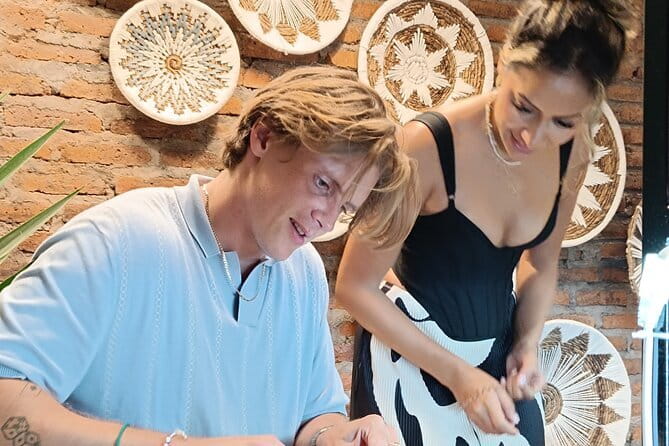
- Hands-on bench time, using tools like grinding wheels and jeweler’s saws.
- You shape your design, using 1 to 6 grams of silver for one piece.
- Learn core techniques, including stamping, hammering, and final polishing.
- Optional gold plating upgrade if you want extra shine.
- Built-in comfort with bottled water and free Wi-Fi during the visit.
More beach days along the southwest strip
Canggu silver jewelry, without the crowds
Canggu is full of art and craft, but most things you’ll see are finished products. This experience flips the script. You start with raw materials and end with something you can put on your body, which makes it feel way more meaningful than a typical souvenir.
The small size matters. With a max of 15 participants, the silversmith can slow down when you need help, instead of rushing everyone through the same steps. That’s a big deal if you’ve never used a jeweler’s tools before.
Also, the workshop is designed to be simple to slot into your Bali days. It runs about 2 hours, you get a mobile ticket, and the meeting point is in the Canggu area (Seminyak is nearby, but the class itself is in Canggu). Even if you’re juggling beach time and temple time, this is an easy win.
Entering the studio: check-in, welcome drink, and where you wait
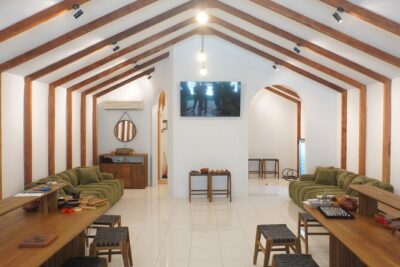
You’ll come to the studio and check in, then settle into the waiting area. There’s a complimentary welcome drink, plus bottled water available, so you’re not starting the class dehydrated or stressed.
If you want to coordinate plans, the free Wi-Fi is there while you wait. This is a real plus in Bali because your schedule can change fast, and it’s nice to have signal inside rather than hunting outside.
One practical tip: arrive with a bit of time to spare. Even though the class is short, you’ll want a moment to get comfortable before the tools come out. If you’re traveling with someone, this is also when you can compare design ideas and decide what you want to make.
The hands-on class: your bench, your tools, your pace
Once the workshop begins, the silversmith guides you step by step. The focus is practical skill, not just watching. You’ll work through the full process from concept to final finishing, so you’re not just assembling something pre-made.
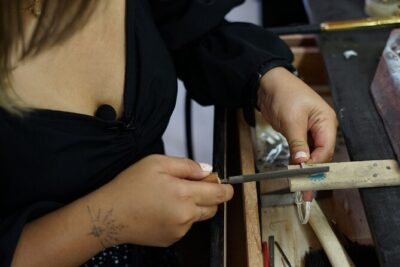
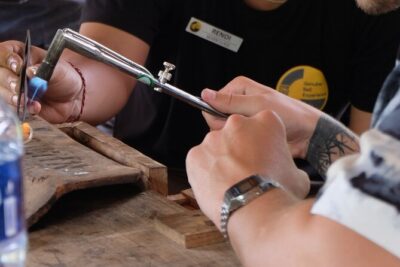
You’ll use grinding wheels, jeweler’s saws, and files during the craft process. Those tools sound technical, but the workshop is built around learning, with instruction along the way. As you go, you’ll also practice techniques like stamping and hammering, which help you create texture and shape rather than keeping everything flat and plain.
What I like about this approach is that it teaches you what matters. Silver jewelry isn’t only about the final look. It’s about proportion, clean edges, and finishing. Even if your piece isn’t perfect, you’ll understand why certain steps create a nicer result than skipping them.
Also, you get guidance on polishing at the end. That’s the step that turns a rough work area into something you’d actually want to wear.
How much silver you use, and what that means for your design
Here’s a key detail you’ll want to plan around: you use 1 to 6 grams of silver for one jewelry design. That range affects what kind of piece makes sense. A delicate ring uses less silver, while bigger shapes take more.
Because your silver amount is limited, the workshop encourages you to think in terms of a wearable design rather than a huge sculpture. That’s good value for most people, since you’re making something you can realistically wear and take home without it feeling oversized or heavy.
If you’ve been considering a ring versus a small pendant style, ask early about what tends to fit best with the silver amount you’re allotted. The earlier you start planning, the more smoothly the process goes when you’re actually working at the bench.
More benches to sit at and make something
- Bali Seminyak Silver Class Activity and Take Your Own Creation★ 5.0 · 37 reviews
- Canggu Silver Jewelry Making Class: Create Unique Silver Jewelry★ 5.0 · 31 reviews
- Silver Jewelry Making Class and Ubud Tour with All Inclusive★ 5.0 · 28 reviews
- Bali Leather Craft Workshop – 6 hours ( canggu / seminyak)★ 5.0 · 20 reviews
- Bali Traditional Silver Class – Making Simple Jewelry Experience★ 5.0 · 12 reviews
Finishing skills: stamping, hammering, and clean polishing
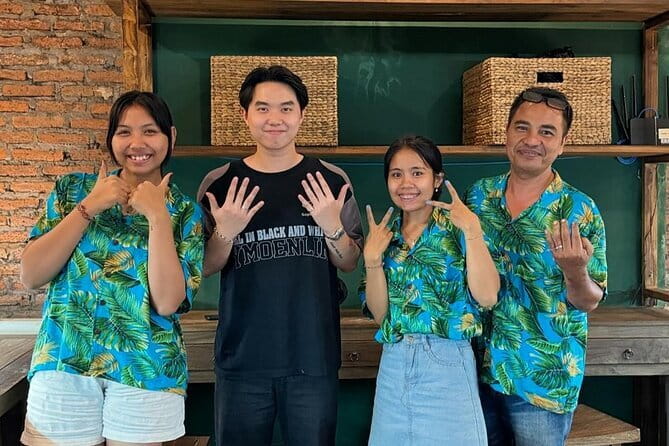
The class doesn’t just cover one technique. You learn multiple steps that jewelry makers use to shape and decorate.
Stamping and hammering are especially important because they help you add character without needing advanced casting or complicated equipment. You’re building a design through controlled pressure and technique, and the instruction helps you get the effect you’re aiming for.
Then comes the final polishing. This is where your finished piece starts looking like real jewelry rather than a craft project. Polishing also makes the piece more comfortable for wearing, and it helps the surface look even and bright.
From the overall feedback, people seem genuinely pleased with their end results, often describing the ring as something they can and will wear. That’s the sign of good teaching and good finishing, not just a nice souvenir story.
Optional gold plating: when it’s worth the upgrade
The workshop includes silver as the base material, and there’s an optional upgrade to add gold plating for an additional charge. Gold plating is a simple way to change the look without switching the entire process.
If you love the idea of a silver ring but want it to stand out more under Bali sunlight, this can be a good compromise. Gold plating often pairs well with stamped textures because the highlights catch differently than bare silver.
If you’re trying to keep the purchase simple, you can skip the upgrade and still end up with a wearable handmade piece. The basic silver outcome is the core of the class, and the instruction is built around getting the silver finish right.
Value and price: why $46.43 can make sense
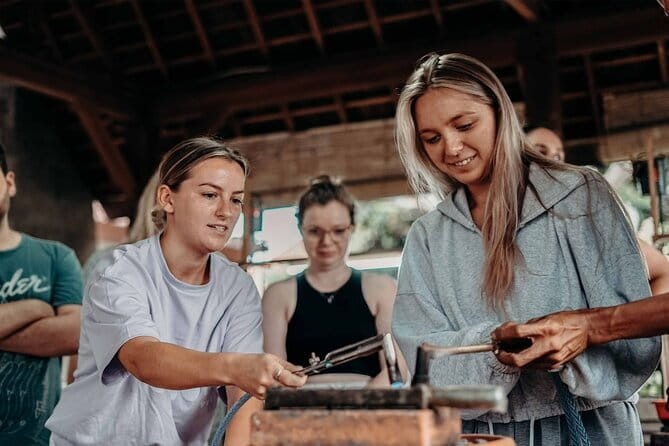
The price is $46.43 per person, for a workshop that lasts about two hours, includes the instructor, and includes 1 to 6 grams of silver. On paper, that might look like craft class pricing, but the value comes from what’s included.
You’re not paying extra for the teacher’s time, tools, or the silver base material. You’re also not just learning a quick demo. You’re making one piece and leaving with it, which reduces the “expense gap” you sometimes get with short experiences where the main cost is instruction only.
The small group limit is also part of the value equation. In a bigger class, you might spend more time waiting and less time practicing. Here, the cap at 15 people makes the instruction feel more personal, and that usually improves results.
You’ll also appreciate that the workshop is built around practical skills you can remember. Even if you never become a jeweler, you’ll pick up ideas about stamping, shaping, and finishing that you can spot in jewelry you see around Bali afterward.
Location and timing: getting there from Seminyak, staying efficient
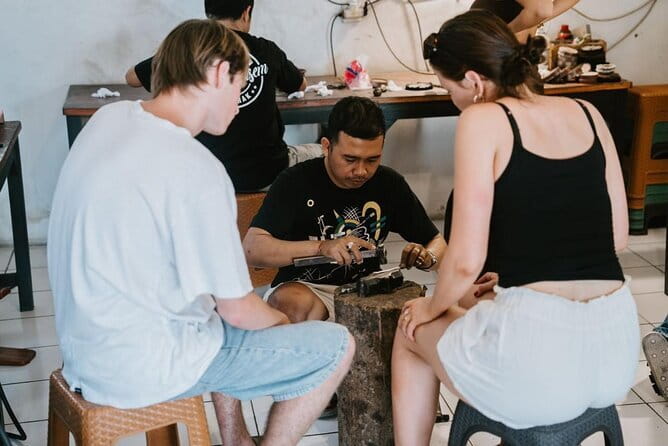
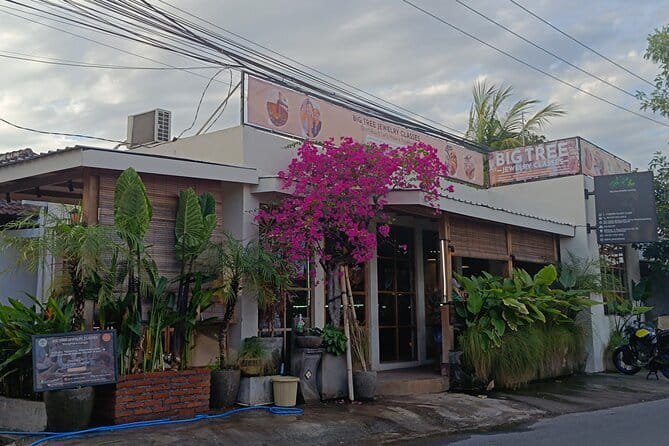
The meeting point is Big Tree Jewelry Classes in Canggu, at Jl. Raya Padonan no.57, Tibubeneng, Canggu, Kec. Kuta Utara, Kabupaten Badung, Bali 80361, Indonesia. The class ends back at the meeting point.
The area is near public transportation, which helps if you don’t want to pay for private transport just for a two-hour activity. That said, Bali’s traffic can still swing your timing, so you’ll do better by planning a little buffer time before the class starts.
If you’re basing yourself in Seminyak, Canggu is usually close enough for a day trip. The short duration also makes it flexible. You can fit it between meals, after a beach morning, or as a creative break on a day when you want something indoors.
Who this workshop is best for
This is a great fit if you want a hands-on Bali activity where you control the outcome. If you like making things, or you want a souvenir that feels personal, you’ll likely enjoy the process.
It also works well for couples. More than once, people have said the experience felt fun together and that the staff made them feel welcome. If you want a date idea that isn’t only dinner and shopping, this is a calmer alternative with a real payoff.
You should also be prepared for a physical, tool-based workshop. The studio uses equipment and involves stairs, so wear closed-toe shoes and expect hands-on work. Most people can participate, but if you have mobility limitations, plan carefully because of the staircase access.
Booking smart: what to know so your piece turns out better
The workshop uses a set amount of silver for one design, and you work through multiple steps. That means your mindset matters. Go in expecting to learn as you go, and don’t worry if your first attempt feels slow.
A few practical ways to set yourself up for a better result:
- Keep your design idea realistic for a one-piece workshop, especially if you’re choosing a more detailed look.
- Be ready to follow the silversmith’s pace. When you do that, you get better finishing.
- Ask about the look you want early, especially if you’re considering the gold plating upgrade.
Also, since it’s capped at 15 people, you’ll want to show up on time. Late arrivals can compress the class pace, and you want maximum bench time.
Finally, if you’re getting this as a gift for yourself, think about what you’ll wear most in Bali and after. A ring is easy to style, and the workshop is clearly popular for people who end up making something they actually wear.
Should you book the Bali Canggu Silver Jewelry Making Experience?
If you want a small-group, hands-on Bali craft experience with an end product you can wear, I’d book this. The big wins are the 15-person limit, the full process taught by a silversmith, and the fact that people leave with a ring or jewelry piece they feel good about.
I’d only hesitate if stairs are a dealbreaker for you, since the studio is not wheelchair accessible and the class involves stairs to reach the space. Otherwise, the timing, included materials, and practical instruction make this a solid use of two hours in Canggu.
One more reason to feel confident: the overall rating is high, with a 5-star score and strong recommendation rate. That usually means the teaching quality and final finishing are consistent, not random.
FAQ
How long is the Bali Canggu silver jewelry making class?
It runs for about 2 hours (approx.).
What is included in the price?
You get bottled water, the silversmith instructor, free Wi-Fi, and 1 to 6 grams of silver for 1 jewelry design. Optional gold plating is available for an additional charge.
Can I add gold plating to my silver jewelry?
Yes, there is an optional gold plating upgrade, and it costs extra.
Where does the class meet?
The meeting point is Big Tree Jewelry Classes | Canggu Jewelry Making Class | Gold Plated, Jl. Raya Padonan no.57 Tibubeneng, Canggu, Kec. Kuta Utara, Kabupaten Badung, Bali 80361, Indonesia.
Is the studio wheelchair accessible?
No. The place is not wheelchair accessible, and stairs make the physical activity challenging.
Is there free cancellation?
Yes, you can cancel for a full refund up to 24 hours before the experience starts (based on local time). Within 24 hours of the start time, the amount paid is not refunded.
Make Something: Silver, Batik, Clay
Southwest Beach Days
Fresh Seminyak write-ups from the review desk



Seminyak, Canggu and Kuta Beach Days, compared.
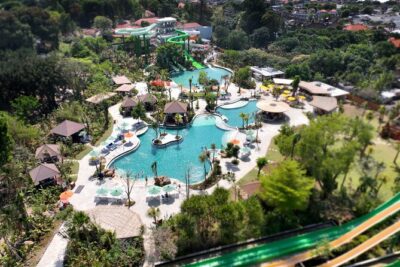 ★ 4.5Waterbom Bali Tickets – Single Day PassFrom $33620 reviews
 ★ 5.0Canggu: Drag Show with DinnerFrom $16414 reviews
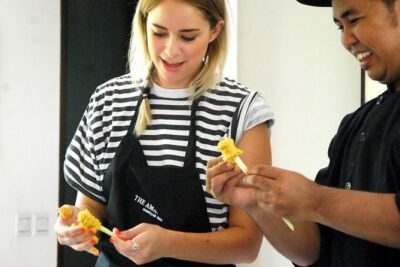 ★ 5.0Balinese Cooking Class in SeminyakFrom $66281 reviews
 ★ 5.0Bali Hai Beach Club CruiseFrom $143235 reviews
 ★ 4.5Surf Lesson with a Personal Instructor at Kuta BeachFrom $50192 reviews
 ★ 4.0Private Bali Horse Riding In Seminyak BeachFrom $42171 reviews
 ★ 5.0Nia Bali Seminyak Cooking ClassFrom $71127 reviews
 ★ 5.0Canggu: Surfing lesson with ISA certified instructorFrom $25102 reviews
Browse the lists this tour appears in