
REVIEW · CYCLING TOURS
Bali Rural Village Bike
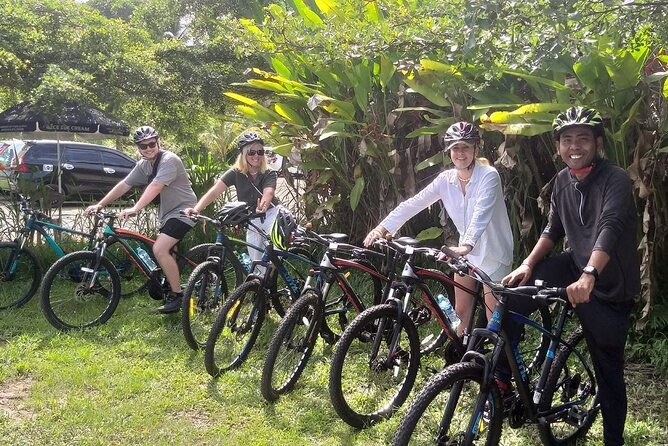
Bali on two wheels is calmer than you expect. This private Bali rural village bike route around Ubud trades traffic for rice paddies, village temples, and a hidden-feeling waterfall stop. It’s built for a relaxed pace, with a guide who explains what you’re seeing and keeps you pointed the right way.
I especially like the people-focused culture stops, from a temple visit to learning about Balinese home and architecture. And the loaner bikes and helmets make it easy to just show up and ride, not hunt for gear.
One thing to consider: it’s a wet, slippery day in the waterfall area, and you’ll want to come ready with a change of clothes and towel. Also, the cycling is described as gentle and mostly downhill, but you still need moderate physical comfort for riding and short walks.
In This Review
- Key highlights that matter on the ground
- The route: rural Bali biking with real context
- Where the day starts: Tukad Cepung central parking
- How the private ride works with bikes, helmets, and a follow option
- Rice paddies, village temples, and the small details you can actually see
- A practical tip for village stops
- The hidden waterfall stop: photos, cooling off, and a wet-cloth reality
- About swimming
- Traditional Balinese lunch and the inclusion confusion you should double-check
- What you can expect if lunch is included
- Price and value: why $41 can feel fair
- Weather note that matters for planning
- What to bring for comfort on a wet, warm day
- Who this tour suits best, and who should think twice
- The “guide factor”: what makes the day feel authentic
- Should you book Bali Rural Village Bike?
Key highlights that matter on the ground
- Private pacing means you won’t get rushed through village stops or ceremony explanations
- Helmet and spare-gear support help you ride with less worry if something feels off
- Temple and ceremony context makes the visits feel meaningful, not like quick photo stops
- Tukad Cepung waterfall access (plus a chance to swim) is the day’s natural highlight
- Local lunch time brings the ride to a satisfying close, but confirm what’s included for your booking
Not decided yet? These Ubud trips held up when we went through them.


The route: rural Bali biking with real context
If you’ve been in Ubud long enough, you start to feel the pull of crowds and scooters. This tour is a nice antidote. You ride away from the thick tourist circuit and into the kind of countryside where daily life is the main event.
The big advantage is the way the day is paced around viewpoints and cultural moments. You’re not just cycling past scenery while your guide stays quiet. The guide-led structure usually means you get to understand what you’re seeing, like why a temple is set up the way it is, or what you might notice during a ritual.
This is also where the private format helps. On group rides, one person stops for photos, another needs a brake check, and the whole day stretches. Here, you can keep a steadier rhythm, and your guide can slow down if the road gets narrow or if you want to linger at a temple compound.
Where the day starts: Tukad Cepung central parking
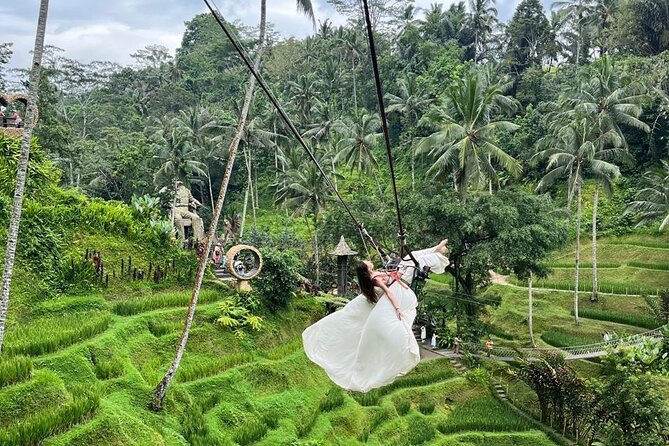
Your meeting point is at the central parking area for Tukad Cepung waterfall, on Jl. Tembuku, Tembuku, Kec. Tembuku, Kabupaten Bangli, Bali 80671. That matters because it sets your expectation: you’re not starting deep inside central Ubud. You’re starting near the waterfall region, and the rest of the day flows from there.
On the ground, this kind of start is practical. You cut down on the shuffle between multiple locations before you even touch a bike. It also makes sense for a half-day format that’s focused on the rural side of Bali rather than long cross-island driving.
If you’re planning your morning, give yourself a little buffer for traffic and check-in time. You’ll also want to wear clothes you can sweat in, because even with easy riding, Bali warmth adds up fast.
How the private ride works with bikes, helmets, and a follow option
The tour includes loaner bicycles and helmets, plus bottled water (one mineral water per participant). That’s a strong value point in Bali, where bike rentals and safety gear can add up quickly if you piece things together yourself.
What I like about the way this is set up is that you’re not forced into a rigid pace. Private format means your guide can adjust to you. If you ride slowly, you’ll still be able to see temples and homes without feeling like you’re constantly chasing the group.
Also, there’s typically support during the cycling. One traveler experience described a follow car with a spare bike. That kind of safety net is especially useful if brakes feel off or a rider gets uncomfortable with their own setup. Even if you don’t need it, it reduces stress, and stress-free riding is when the countryside actually feels enjoyable.
Bottom line: show up with a water bottle mindset and you’ll do fine.
Rice paddies, village temples, and the small details you can actually see
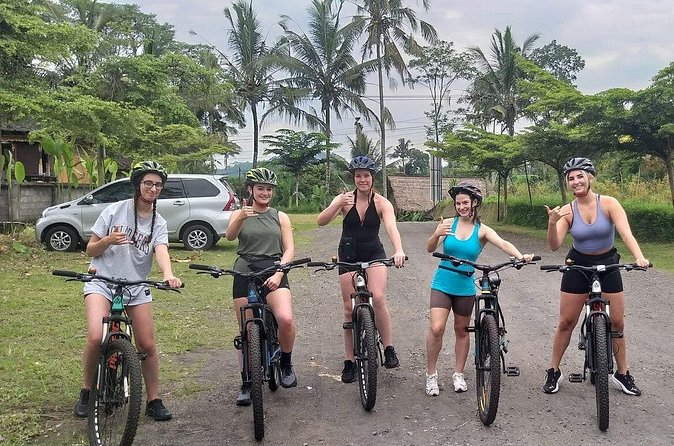
Cycling through rural areas is only half the experience. The other half is what you notice once someone points it out: how a temple functions, what a compound is used for, and what “everyday Bali life” looks like beyond the main roads.
A temple stop is part of the day, with your guide sharing context about ceremonies and religion. This can be the difference between a quick stop and something you remember. If you’re curious, this kind of explanation tends to make you watch differently, like noticing offerings, how people move through a space, and what’s going on when you arrive.
You’ll also visit a village area tied to local architecture. That’s one of the more interesting stops because it’s not just “look at a house.” It’s about understanding how spaces are arranged and why that matters in Balinese culture. Even if you don’t speak the language, your guide can point out what to look for.
If school is in session, the day may include a local school visit. That’s not something you should treat as a zoo stop. If it’s offered, be respectful, move quietly, and let your guide handle the interaction.
- Uluwatu Sunset, Kecak Dance, and Dinner Jimbaran Beach★ 5.0 · 3,681 reviews
- Tanah Lot and North Bali Tour: Scenic Journey★ 5.0 · 3,620 reviews
- Body Massage Experience in Ubud Traditional Spa★ 5.0 · 3,506 reviews
- Best of Bali Waterfalls: Tibumana, Tukad Cepung and Tegenungan★ 5.0 · 3,047 reviews
- Bali: Ubud Kecak and Fire Dance Show Tickets★ 4.4 · 2,631 reviews
A practical tip for village stops
When you enter temple or home compounds, keep your tone calm and your camera use sensible. I find the best photos happen when I’m not rushing. Give your guide a second to explain what you’re seeing, then take photos if allowed.
The hidden waterfall stop: photos, cooling off, and a wet-cloth reality
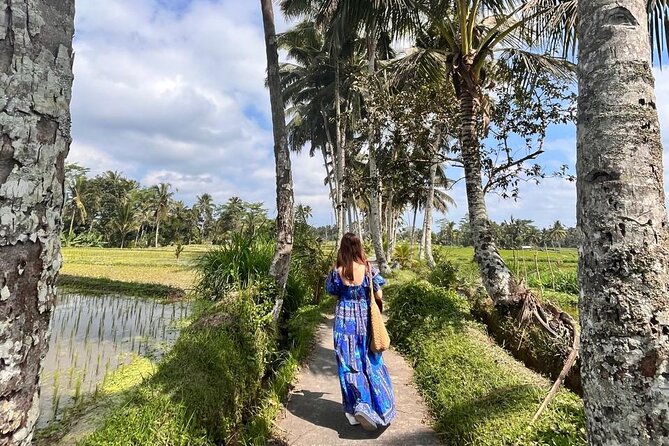
The day includes a waterfall stop that’s described as hidden-feeling, with a chance to swim. For many people, this is the emotional peak of the tour because it’s the moment you finally feel away from the traffic noise.
Expect two things here:
1) The air cools off when you’re near the falls.
2) Everything around the water is slick, so plan for careful footing.
This is why the packing list is so specific. Bring a towel, slippers, a change of clothes, and use sunscreen before you get wet if you can. Mosquito spray is also a smart move. Even if you’re careful, you’ll likely be outside long enough for bugs to take an interest.
About swimming
Swimming is listed as an opportunity. I’d treat it as optional. If you feel unsure about the footing or water entry, you can still enjoy photos and take a break from the bike ride without going in.
Traditional Balinese lunch and the inclusion confusion you should double-check
Here’s the one part that deserves your attention before you go. The tour overview says a Balinese lunch is included, and it also describes local cuisine as part of the end-of-ride meal. But in the details of what’s included, lunch is listed as not included.
So, what should you do? Confirm during booking. Ask a simple question: Is lunch included in the $41 price for my date, or do I pay for it on-site?
What you can expect if lunch is included
When lunch is part of the package, it’s typically served after the ride, which is exactly when you’ll want it. You’ve been biking, walking a bit around stops, and then you may have gotten wet at the waterfall. A warm meal at the end is the kind of recovery that keeps the day feeling complete rather than rushed.
Price and value: why $41 can feel fair
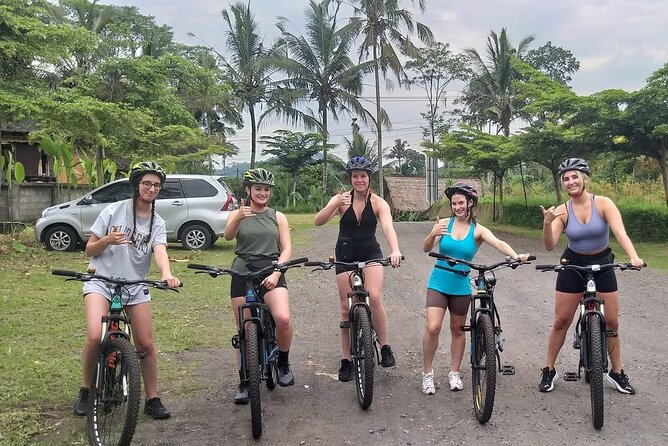
At $41 per person for about 5 hours, this tour sits in the “solid value” category if you care about more than just cycling. You’re paying for:
- a guide who leads and explains cultural stops
- helmet and bike gear
- bottled water
- the entrance fee and a waterfall ticket, plus a donation component
That “guide context” is what you’re really buying. A DIY bike ride might give you countryside views, but it won’t naturally provide the ceremony and architecture explanations that turn temples and compounds into more than background.
Still, your real value depends on what’s included for your booking date. That’s especially true for lunch, since the info here conflicts. Once you confirm lunch, the $41 price starts to make even more sense.
Weather note that matters for planning
This experience requires good weather. If it’s canceled due to poor weather, you’ll be offered a different date or a full refund. That’s a big deal for Bali plans, because rain can change how comfortable the waterfall area feels.
What to bring for comfort on a wet, warm day
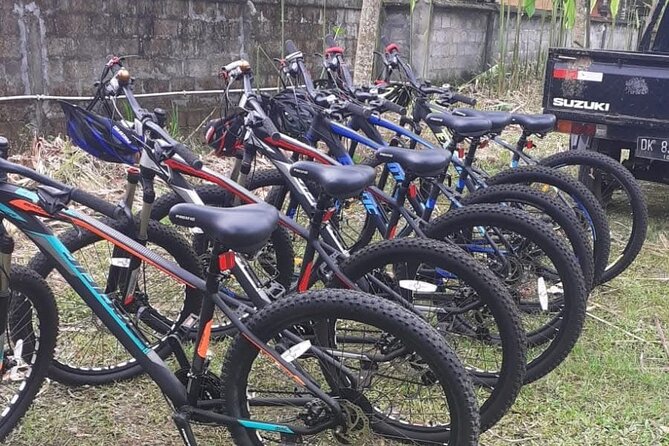
Even with a moderate riding level, this tour is outdoors for hours. Here’s what I’d pack based on the guidance provided:
- Change of clothes (non-negotiable if you swim)
- Bath towel
- Slippers (easy for wet ground)
- Sunscreen
- Mosquito spray
- Cash (useful in Bali even when some things are prepaid)
- A small day bag to keep your phone and wallet from getting damp
One more thing: wear comfortable shoes with decent grip. You’ll likely be walking near the waterfall and through uneven paths between stops.
Who this tour suits best, and who should think twice
This tour is listed for moderate physical fitness. That tells me it’s not a hardcore mountain biking session, but it’s also not a couch-to-temple stroll.
It’s a great fit if you:
- want a private experience where you can ride at your pace
- like culture stops with explanation, not just quick snapshots
- enjoy gentle countryside biking with a rewarding finale at a waterfall
- value safety support like helmets and the possibility of spare-bike help
It might be less ideal if you:
- can’t handle getting around on uneven ground near water
- dislike the idea of rain affecting plans (weather is a factor here)
- need child-friendly accessibility support. It’s not recommended for baby, so check your age needs carefully.
The “guide factor”: what makes the day feel authentic
From the experiences shared, one name kept coming up for the guide role: Ketut. The praise wasn’t just for friendly service. It was for the way the guide explains ceremonies and religion, and answers questions in a way that helps you feel oriented fast.
There’s also mention of other guides supporting the day, including Wayan and Katut. Even when multiple people are involved, the theme stays consistent: you don’t feel like you’re being dragged to stops. You feel like you’re being taught how to read what’s in front of you.
That is the real magic here. In Bali, you can see a temple a hundred ways. With the right guide, you start to understand why people take time for it, why rituals look the way they do, and why that matters for daily life.
Should you book Bali Rural Village Bike?
If you want a Bali day that mixes countryside biking with meaningful cultural stops, I think this is a strong choice. It’s not trying to be the most extreme adventure. Instead, it aims for the kind of half-day you’ll feel good about long after you’re back in town.
Before you hit the confirm button, do two quick checks:
1) Confirm whether lunch is included in your exact $41 booking.
2) Ask about any pickup from your area versus going directly to the Tukad Cepung central parking meeting point.
If those details line up, you’ll likely enjoy the main ingredients: a guide-led cultural day, safe-feeling bike support, and a waterfall stop where you can cool off and take photos without feeling rushed.
Fresh Ubud write-ups from the review desk



Cycling Tours, compared.
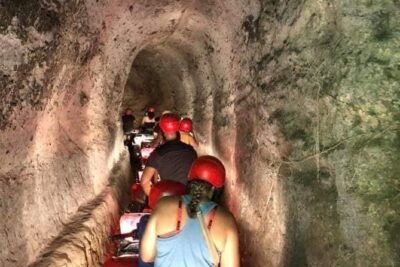 ★ 5.0ATV Quad Bike Through Tunnel and Waterfall in BaliFrom $332,098 reviews
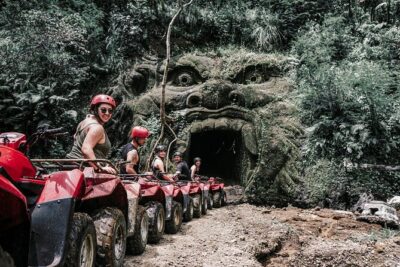 ★ 5.0ATV Quad Bike Bali with Waterfall Gorilla Cave and LunchFrom $321,925 reviews
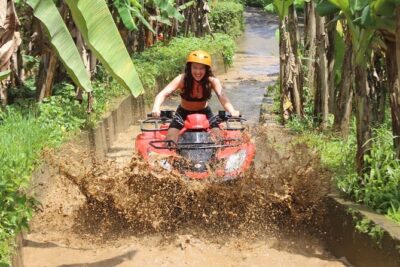 ★ 5.0Bali ATV Quad Bike AdventuresFrom $39827 reviews
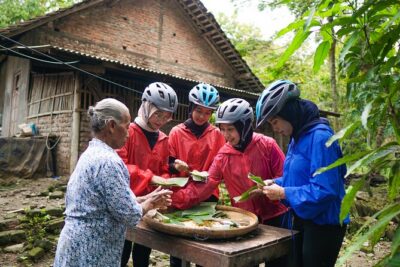 ★ 5.0Menoreh Village CyclingFrom $22611 reviews
 ★ 5.0Bali ATV Quad Bike Through Tunnel, Waterfall, White Water RaftingFrom $26610 reviews
 ★ 5.0Downhill Cycling with Volcano, Rice Terraces and MealFrom $36536 reviews
 ★ 5.0Ubud eBikes Tour to Tegallalang Rice TerraceFrom $30507 reviews
 ★ 5.0Quad Bike Ride and Snorkeling at Blue Lagoon Beach All-inclusiveFrom $75448 reviews
Browse the lists this tour appears in