REVIEW · INDONESIA
Bali Traditional Village Experience
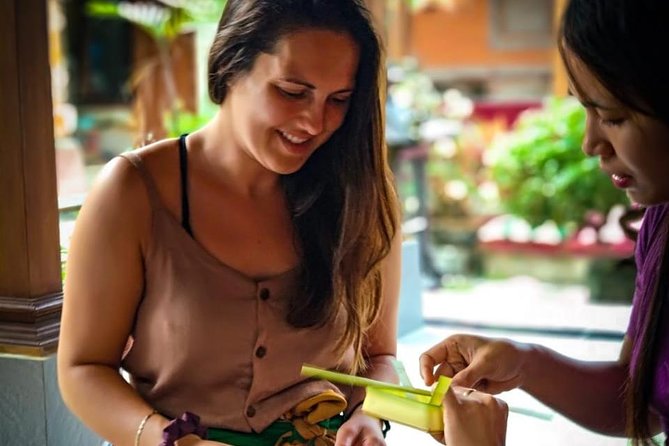
A village morning, up close. This private Taro village experience near Ubud lets you learn Balinese Hindu practices hands-on, including making offerings and taking part in a holy-water blessing. I like the fact that it is family-led, so you see real daily rhythms in a traditional compound, not a staged show. I also like the practical, do-this-with-your-hands format, especially when you make Canang Sari offerings. One downside to plan for: no lunch is included, so you will want a meal after the 2-hour visit.
For a short trip, it packs in a lot of meaning. You go by private driver from your Ubud-area address, spend time in a family compound with tea and snacks, then head to a sacred holy water site where sarong and sash are required. If you want to join the cleansing ritual, you’ll also have a chance to change into swimwear or clothing that can get wet.
In This Review
- Key things that make this Taro experience worth it
- Ubud to Taro in a short, meaningful half-day slot
- Inside a Balinese family compound: what you actually see
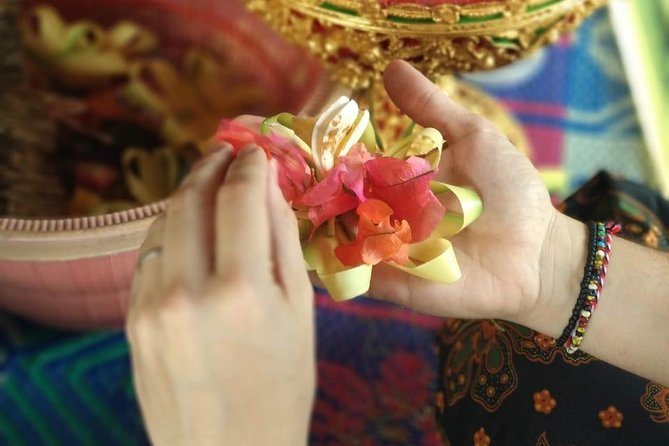
- Canang Sari offerings: the hands-on part that makes it memorable
- The sacred holy water site and your blessing ceremony
- Sarong and sash: dress code you should plan for
- Optional cleansing ritual, with wet clothes in mind
- Your offerings become part of the ceremony
- Price and value: what $35 buys you, and what to budget
- Private transfers and a private group: how it changes the vibe
- Timing, duration, and what to do before and after
- Who should book this Taro village experience
- What to watch for during the ceremony (simple etiquette that helps)
- Should you book this Bali traditional village tour?
- FAQ
- How long is the Bali Traditional Village Experience in Taro?
- Where does the tour take place?
- How much does it cost?
- Is this tour private or shared?
- What is included in the price?
- What is not included?
- Do I need to pay cash during the tour?
- What should I wear to the holy water site?
- Is a mobile ticket provided?
- What is the cancellation policy?
Key things that make this Taro experience worth it
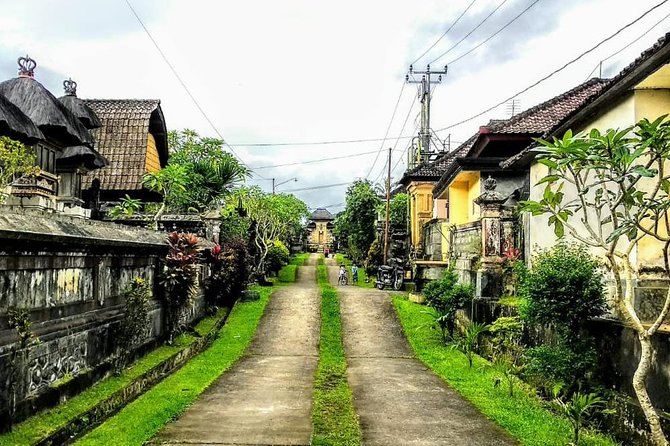
- Family compound time with explanations of where each family lives and how the family temple fits daily life
- Canang Sari offering practice taught during a traditional morning tea moment
- Holy-water Hindu blessing using the offerings you made earlier
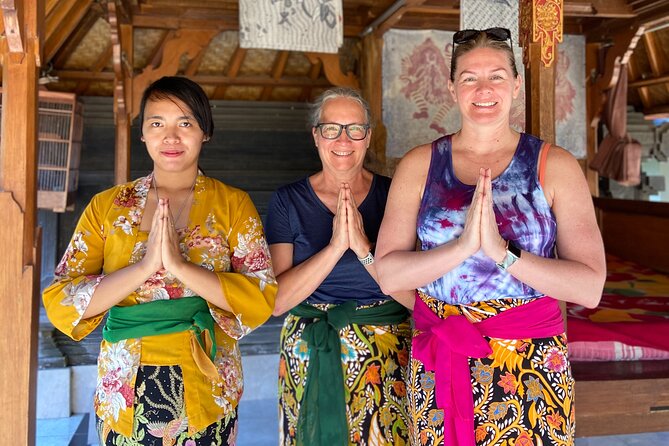
- Sarong and sash included/required for entering the sacred water site
- Private transfers from Ubud plus a private group setup, so it feels personal
Not decided yet? These Ubud trips held up when we went through them.



Ubud to Taro in a short, meaningful half-day slot
This is a compact experience, about 2 hours total. That time box matters. If you are trying to see a lot of Bali without turning your schedule into a nonstop sprint, this works because it is short, focused, and still cultural.
Taro is roughly 18 kilometers, or about 12 miles, north of Ubud. The idea is simple: trade the Ubud crowd energy for a village setting that still runs on tradition. You are picked up by a driver from your Ubud-area address, then brought to the meeting point area in Taro. After the visit, you return to the same meeting point.
The practical win here is the transport. Bali roads can be slow, and a private transfer takes the guesswork out of getting there and back. It also keeps the experience smoother if you are pairing this with other Ubud activities.
Inside a Balinese family compound: what you actually see
The centerpiece of the experience is the family compound. Instead of meeting you at a temple gate and sending you through a checklist, your host guides you through their traditional compound and temple area.
You can expect a real walkthrough of the compound layout. Your host explains where each family lives and gives context on the family temple. That is more than geography. It helps you understand how Balinese Hinduism sits inside everyday household life, not just during festival days.
During this time, you are not just a passive observer. You spend time with the family in the compound with traditional morning tea. That tea moment is small, but it is valuable. It slows things down and makes the whole visit feel less like a tour and more like a visit with explanations.
One note to keep your expectations clear: this is a traditional household space. Keep your behavior respectful, follow the lead of your host, and treat it like someone’s home, because that is essentially what it is.
Canang Sari offerings: the hands-on part that makes it memorable
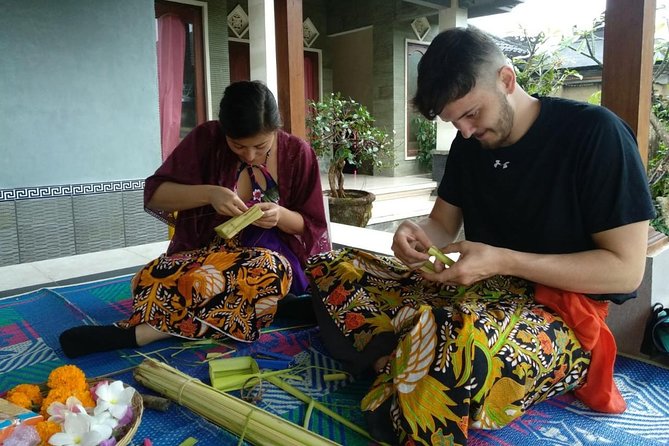
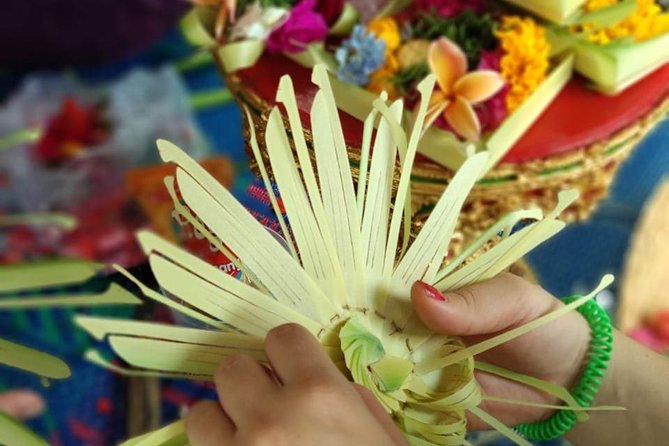
Learning Balinese Hindu offerings is the skill you take home mentally, even if you forget the exact steps. Canang Sari offerings are small, everyday offerings made for devotion. They are part of the routine, not just a one-time tourist prop.
In the compound, you are taught how to make Canang Sari. You are also given coffee and/or tea as part of the morning break, so the offering practice does not feel like homework. It feels like a craft you are learning while sharing time.
Why this matters for you: Bali can be visually stunning, but it can also turn into surface sightseeing if you only do temples from the outside. Offering-making forces you to pay attention to details: materials, arrangement, and the gentle rhythm of doing it correctly. That kind of participation sticks.
From a practical angle, do not worry about being artistic. This is not about making something Instagram-perfect. It is about learning what the offering is for and how people create it as part of daily worship.
The sacred holy water site and your blessing ceremony
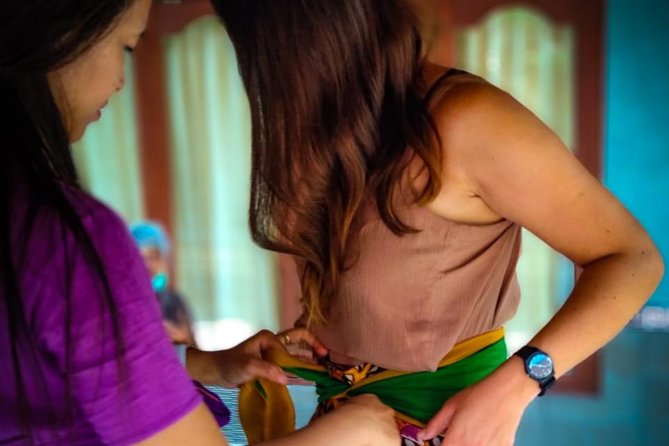
After the morning tea and offering time, you head to a sacred holy water site for a traditional Hindu blessing. This is where the tour shifts from learning to participation.
- All-Inclusive Ubud Private Tour★ 5.0 · 14,344 reviews
- Best of Ubud Full-Day Tour with Jungle Swing★ 5.0 · 8,571 reviews
- Ubud: Monkey Forest, Jungle Swing, Rice Terrace, and Water Temple★ 5.0 · 7,160 reviews
- Bali: Ubud Palace Legong Dance Show Ticket★ 4.4 · 3,979 reviews
- Uluwatu Sunset, Kecak Dance, and Dinner Jimbaran Beach★ 5.0 · 3,681 reviews
Sarong and sash: dress code you should plan for
Entering the site requires a sarong and sash. You receive a sarong as part of what’s included. The sash requirement is part of the experience setup, so you will want to dress in something you can work with comfortably.
If you are packing for Bali, treat this like a reminder to keep your clothing practical for changing and wrapping.
Optional cleansing ritual, with wet clothes in mind
At the holy water site, you can change into swimwear or clothing that may get wet if you choose to do the cleansing ritual. So even if you are not sure you want to fully join, you will at least be aware of the option.
For you, the smartest move is to decide before you arrive. If you think you will join the cleansing part, bring a swimsuit you feel comfortable moving around in. Bring a towel if you have one, even though towel details are not listed. If you think it is not for you, you can still participate in the blessing ceremony and keep things dry.
Your offerings become part of the ceremony
The tour uses the offerings you made earlier in the day. During the blessing ceremony, you receive a Hindu blessing with holy water. That connection is the key storytelling thread of the experience, and it is what makes it more than a random stop.
Instead of making offerings as a standalone craft, you see how devotion flows into the next ritual step.
Price and value: what $35 buys you, and what to budget
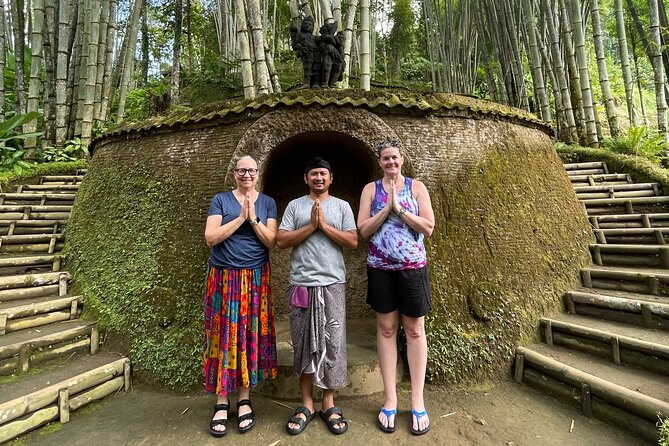
The price is $35 per person. For Bali, that is positioned for a private, cultural experience that includes meaningful instruction and a ceremony, without being a full-day commitment.
Here is what is included:
- Snacks, including Balinese cookies
- Coffee and/or tea
- Balinese sarong
The main things not included:
- Entrance ticket and/or donation at the holy water temple, payable in cash
- Lunch
That holy water temple donation detail is important for your budget. You should expect to carry some cash for it, since the tour notes it is payable in cash. The amount is not listed, so you cannot plan an exact number in advance, but you can plan the habit of having money ready.
Also, no lunch means you need a plan. Because the tour runs about 2 hours, you will likely want to eat either before you go or afterward. If you schedule it mid-morning, an easy strategy is to treat the tea and snacks as a quick bridge, then go find lunch in Ubud right after.
Private transfers and a private group: how it changes the vibe
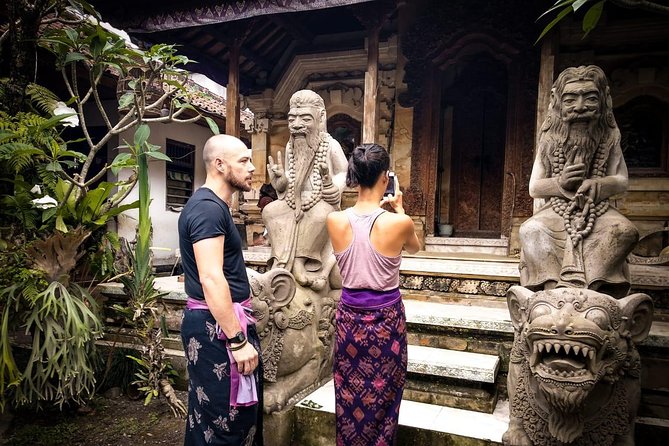
This is a private tour. Only your group participates. That is not a small detail in a place like Bali where shared tours can feel rushed and noisy.
With private time:
- You can ask more questions during the compound walkthrough
- You can move at a comfortable pace for your group
- You are less likely to feel like you are being herded
You also get 2-way private transfers from your Ubud area address. Even though there is a meeting point listed, the tour setup clearly points to pickup and return as part of the convenience factor.
If you care about a calmer experience, private is the lever. If you’re a solo traveler, it can still be a strong value depending on your group size and how you’re splitting transport, but the tour is designed as private from the start.
Timing, duration, and what to do before and after
Because it is about 2 hours, you can pair it with other Ubud activities without scrambling. The experience starts from the meeting point area around Delodsema Traditional Village in Tegallalang, then moves north to Taro.
Book with the flow of a short morning or late afternoon slot in mind. If you go too late in the day, you risk feeling rushed on the clothing change and ritual steps at the holy water site. If you go too early, you may be tired before your tea and offering practice.
A smart approach is to schedule it when you have the mental energy to pay attention. This tour is not long, but it asks for focus because you’re learning a ritual practice and participating in a ceremony.
Also, note the booking pattern. On average, this gets booked about 50 days in advance. That suggests it is in demand, so if you are traveling during peak times, lock it in earlier rather than gambling on last-minute availability.
Who should book this Taro village experience
This tour fits best if you want:
- A real-life cultural experience in a Balinese family compound
- Hands-on learning, especially Canang Sari offerings
- A meaningful ritual stop, not just another photo viewpoint
- A shorter time commitment that still feels authentic
It is also a good choice if you like guided explanations. You are not left on your own. Your host explains where families live and how the family temple works, and then you learn offering-making with guidance.
If you want a long itinerary with multiple stops and meals included, this is not that. It is focused, compact, and ceremony-centered.
Most travelers can participate, but keep in mind the holy water site can involve getting wet if you choose the cleansing ritual. If you have concerns about water, decide in advance whether you want that part.
What to watch for during the ceremony (simple etiquette that helps)
You do not need special training, but a few habits make the experience smoother.
- Follow the sarong and sash instructions closely at the holy water site
- Treat the compound like a home, not an exhibit
- Ask questions if you are curious about what the offerings are for
- If you do the cleansing ritual, keep your comfort in mind. Wet clothing can change how you feel fast
The goal is respectful participation. The ceremony uses the offerings you made earlier, so you want to pay attention to what is happening and where to place things.
Should you book this Bali traditional village tour?
I think you should book this if you want a short, private, family-led cultural experience in Taro that connects offering-making to a holy-water blessing. For $35, the value is strongest when you care about participation, not just sightseeing. The 4.9 rating with 18 reviews and a 100% recommendation rate also signals that people consistently feel they got something real and memorable, not a rushed checklist.
Skip it or rethink it if you need lunch included, or if your idea of Bali culture is mostly big, standalone landmarks. This is quieter, smaller, and more about learning everyday devotion in a traditional village setting.
FAQ
How long is the Bali Traditional Village Experience in Taro?
The tour is about 2 hours.
Where does the tour take place?
It is based in Taro village, about 12 miles (18 kilometers) north of Ubud, Bali. The listed start point is Delodsema Traditional Village, Tegallalang.
How much does it cost?
It costs $35.00 per person.
Is this tour private or shared?
It is private. Only your group participates.
What is included in the price?
Included items are Balinese cookies (snacks), a Balinese sarong, and coffee and/or tea.
What is not included?
You will pay an entrance ticket and/or donation at the holy water temple in cash. Lunch is not included.
Do I need to pay cash during the tour?
Yes. The holy water temple entrance ticket and/or donation is payable in cash.
What should I wear to the holy water site?
A sarong and sash are mandatory for entering the sacred site. You are also able to change into swimwear or clothing that may get wet if you choose the cleansing ritual.
Is a mobile ticket provided?
Yes, the tour uses a mobile ticket.
What is the cancellation policy?
Free cancellation is available up to 24 hours before the experience starts for a full refund. Canceling less than 24 hours in advance does not receive a refund.