
REVIEW · TANAH LOT AND THE BALI WATER TEMPLES
Bali UNESCO Sites: Water Temples and Jatiluwih Rice Terrace Tour
Bali feels spiritual and scenic at the same time, like your day has a soundtrack. This private UNESCO-focused route gives you personal attention from a driver-guide, plus that rare combo of temples, lake views, and Jatiluwih’s rice terraces. I also like the practical pickup coverage around Ubud and south Bali, so you spend less time stuck in traffic and more time seeing. A possible drawback: it is a full 9.5-hour day, and the optional stops only happen if timing works.
What makes this tour especially interesting is the UNESCO thread connecting it all: Bali’s subak irrigation system and the water temples that support it. You get the iconic sights, but in a way that’s easier to manage than public transport, since you are not hopping between buses, transfers, and guesswork. Just note that food is not included, so you will want to plan for meals between stops.
In This Review
- Key highlights to know before you go
- Bali UNESCO subak: why water temples are more than pretty
- Private day from Ubud and south Bali: the real value is time
- Stop 1: Taman Ayun Temple and its royal water garden calm
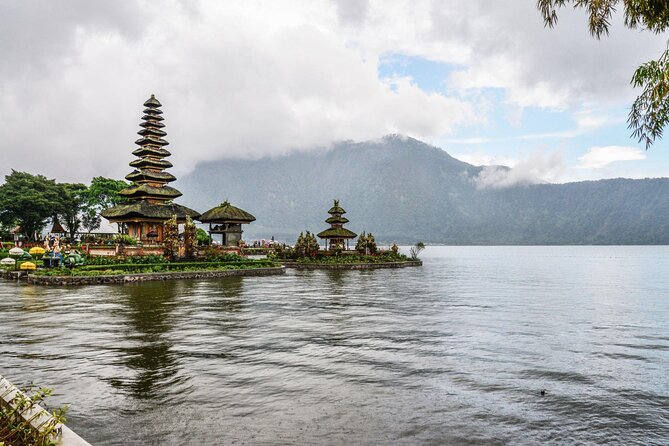
- Stop 2: Ulun Danu Beratan (Bratan) and the lake temple feeling
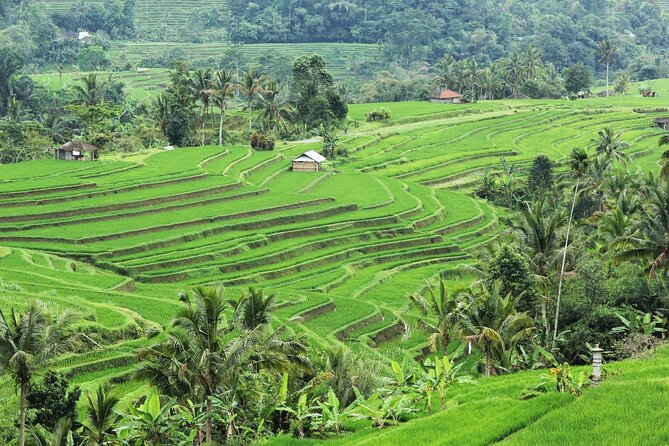
- Stop 3: Jatiluwih Rice Terraces, the subak working in real time
- Stop 4: Tanah Lot sunset, sea-temple drama, and good-footwork rules
- When time permits: the optional bonus stops you can swap in
- Pacing, comfort, and what to pack for a long UNESCO day
- Price and tickets: how $38.18 can make sense
- Who this Bali UNESCO water temples and Jatiluwih tour suits
- Should you book it, or shop around?
- FAQ
- What time does the tour start?
- Does the tour include pickup and drop-off?
- Is this tour private?
- Are admission tickets included?
- What is included in the price?
- Is food included?
- Is there free cancellation?
Key highlights to know before you go
- Private driver-guide means you can ask questions and adjust the pace as you go, not just follow a script
- UNESCO subak focus ties Taman Ayun, Ulun Danu Bratan, and Jatiluwih into one shared water-and-farming story
- Photo-heavy stops include temple gardens, a floating lake temple look, and a classic Tanah Lot sunset viewpoint
- Pickup from many areas (Ubud, Sanur, Kuta, Seminyak, Canggu, Jimbaran, Nusa Dua, Denpasar) keeps your start simple
- Optional add-ons can swap in extra waterfalls, hot springs, a butterfly park, or other cultural nature stops if time permits
Other terrace walks and swing platforms we have been through

Bali UNESCO subak: why water temples are more than pretty
If you only think of Bali temples as viewpoints, you will miss the big idea. Here, the UNESCO connection is the subak irrigation system, the traditional water-sharing network that helps rice fields thrive. The temples fit into that system, because in Balinese life, water is not just a resource. It is tied to prayers, schedules, and community.
That is what makes this day tour feel coherent. You are not just checking boxes. You are watching how a religious landscape and farming landscape (literal rice terraces and real water flow) influence each other across the island.
Also, there is a practical advantage. When you understand why the water temple matters, you know what to look for: the setting, the relationship to water, and why the place is designed to feel calm and ordered. Your photos improve because you are paying attention to the details that give these sites their meaning.
Private day from Ubud and south Bali: the real value is time
This starts at 8:30 am and runs about 9 hours 30 minutes. That is long enough to feel like a proper day out, but organized enough that you are not spending most of it in transit.
The value comes from three things:
- Private air-conditioned vehicle (more comfort on hot days)
- Pickup and drop-off from Ubud/Gianyar and a wide list of south Bali areas
- An English-speaking driver-guide who can talk you through what you see
If you are traveling solo, the private format is especially helpful. One-person flexibility is hard to find with group tours, but this one is set up as private, so it is naturally easier to tailor the day.
A note on tickets: the tour includes entry tickets only if you choose the option that includes them. If you do not, you will likely need to cover some admissions yourself. Either way, having tickets handled in advance can reduce friction, which is worth something when you are doing four main stops plus potential extras.
Stop 1: Taman Ayun Temple and its royal water garden calm
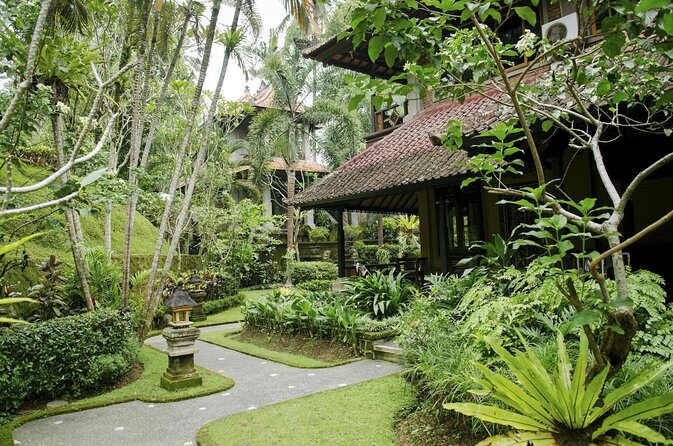
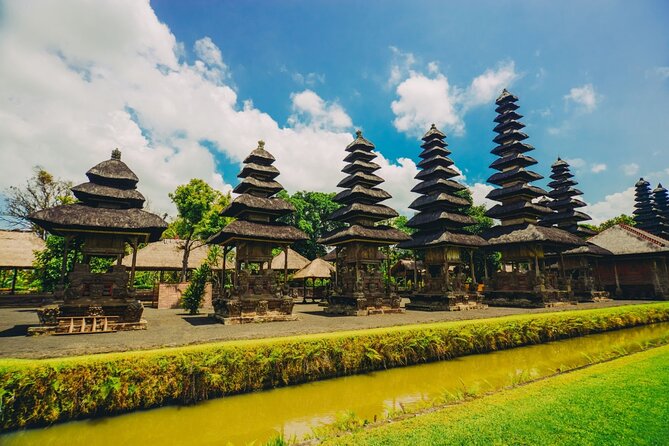
Taman Ayun is the first big stop, and it is a smart choice to start here. You get a 17th-century temple setting in a lush royal water garden, with a majestic pagoda-like shrine and well-kept grounds.
What I like about beginning at Taman Ayun is the tone. Early in the day, these gardens tend to feel quieter, and the architecture looks more crisp in your photos before crowds and heat build up. You also get a feel for how Balinese temple compounds work: layered courtyards, temple structures that rise in stages, and a strong sense of symmetry.
Plan for about 1 hour. That is usually enough time to slow down, take in the grounds, and ask questions without feeling rushed.
If you care about photography, this is a good place to practice. The mix of greenery, water-adjacent scenery, and temple forms gives you variety fast. It also sets you up well for the later “floating temple” vibe at Ulun Danu Bratan.
Stop 2: Ulun Danu Beratan (Bratan) and the lake temple feeling
Ulun Danu Bratan is the iconic one for a reason. It is built in the middle of the water to honor Dewi Danu, the lake goddess. When the light hits right, it can look like the temple is floating above the lake.
You get about 1 hour here, and that timing makes sense. You want enough time to walk viewpoints, take pictures, and still have time to recover from the drive up and around the area.
Why this stop matters beyond photos: this is where the UNESCO subak story becomes easier to grasp. You see a water-centered sacred place, and it helps you understand why water management is treated as a spiritual practice, not just an engineering problem.
One practical consideration: weather and lighting can change your results fast at lakeside stops. If you are chasing specific photo moods, ask your driver-guide where to stand for your preferred look. In prior experiences with guides on this kind of route, they often help people find good spots for pictures and video framing.
More temple visits around the coast and the lakes
- Tanah Lot and North Bali Tour: Scenic Journey★ 5.0 · 3,620 reviews
- Half-Day Ubud Electric Cycling Tour to Tirta Empul Water Temple★ 5.0 · 315 reviews
- Melukat Ceremony and Temple Tour at Tirta Empul Temple★ 5.0 · 218 reviews
- Skip the Line Tirta Empul Temple Entrance Ticket All Inclusive★ 5.0 · 198 reviews
- Private Tour: Ubud and Tanah Lot Day Tour★ 5.0 · 126 reviews
Stop 3: Jatiluwih Rice Terraces, the subak working in real time
Jatiluwih Green Land is the rice terrace centerpiece. You get about 1 hour at the site, and it is worth using that hour well.
The big idea here is cultural: Jatiluwih is one of the most picturesque expanse of paddies in Bali, and it is connected to the UNESCO subak irrigation tradition. You are looking at working agricultural systems shaped by generations of water planning.
What you should focus on as you walk:
- How water moves across terraces
- The way fields step down the slopes
- The patterns of cultivated sections and shared access
If you are only after scenic views, you will still enjoy it. But if you want depth, this is the stop where it clicks. You start to see why the water temple sites are not random landmarks. They are part of the same system.
A heads up on expectations: with terraces, you often stand, walk slowly, and take in wide angles. You are less in “museum mode” and more in “look, breathe, notice.” Comfortable shoes matter more than people think.
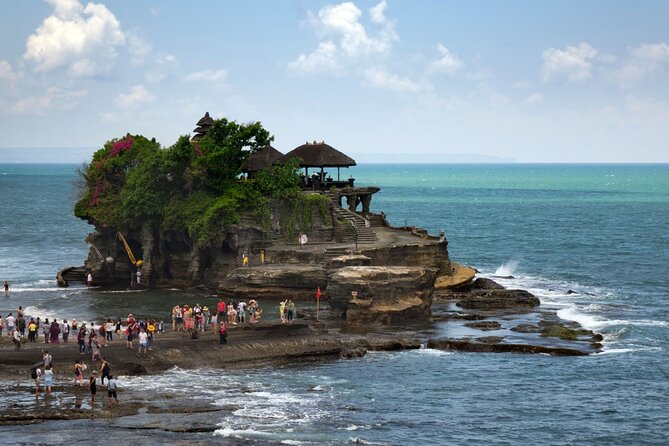
Stop 4: Tanah Lot sunset, sea-temple drama, and good-footwork rules
Then you finish with Tanah Lot, one of Bali’s best-known temple-by-the-sea sights. The route includes about 1 hour 30 minutes, which is helpful because sunset is not an on-off event. Light changes quickly, and the best angles can shift as clouds and ocean reflections move.
Tanah Lot is an ancient shrine perched on a rocky islet off the southeast coast. It is also one of the best sunset-watching places on the island, so you should expect busy vibes around the key viewpoints. The advantage of a private tour is you can arrive with a driver-guide who knows how to position you without making it stressful.
Practical photo tips, plain and simple:
- Wear shoes with real grip, since surfaces near sea rock can be slick
- Give yourself time to find one or two solid angles instead of trying to cover everything
- If you want a sunset silhouette shot, get set up a bit early
This is also where you’ll appreciate the day’s structure. After the calmer inland water-temple moments, Tanah Lot gives you that dramatic coastal payoff. It closes the story from water in the fields to water at the shoreline.
When time permits: the optional bonus stops you can swap in
The itinerary includes a bunch of “if time permits” add-ons. That is where your day can turn from a tight UNESCO highlight circuit into something more personal.
Here are the options listed, with what they likely add to your interests:
- A hidden waterfall with a narrow stream flowing into a small, shallow pool: good if you want a calmer nature stop
- An ogoh-ogoh museum focused on the Balinese tradition: a culture break that is different from temple architecture
- A caldera lake in Baturiti near Ulun Danu Bratan: a scenic change if you want more water views
- An Instagram-famous spot: if you want the classic photo backdrop without hunting for it yourself
- A huge cliff-top waterfall: for people who like water movement and jungle scenery
- Hot springs in a tropical setting: a relaxing stop, especially if you want to end your day feeling less “temple tired”
- Sekumpul waterfalls near Sekumpul village: for waterfall fans who want multiple falls with different heights
- The biggest butterfly park in Bali and Indonesia, for preservation and breeding: a lighter stop, often good for a change of pace
- A botanical collection with rare tropical flowering plants: nice if you want cool upland air and plant-focused wandering
- Another rice terrace viewpoint and mountain views: for more “terraces, but make it wider”
- A beach for surfers and sunbathers in the south: if you want a coast break
- A temple with a giant sleeping Buddha and a quiet ambiance: a peaceful final mood
- An edu-vacation tourism complex: for people who like learning-focused attractions
- Local hot springs with public and private pools: a second hot-springs style option
The key is to treat these as flexible. Your driver-guide can help choose based on energy level and what you care about most that day. If you hate rushed walking, you might prefer hot springs or a botanical stop. If you love action and photos, waterfalls and the Instagram spot could fit.
Pacing, comfort, and what to pack for a long UNESCO day
With a 9.5-hour format, you will be moving. This tour helps you by keeping transportation private and continuous, so you are not restarting your day every time you reach a new site.
Still, your body will care. Here is how I’d plan it:
- Bring water, even though bottled water is included. It is easy to sip more when you have it in reach.
- Wear comfortable shoes for temple grounds and terrace paths.
- Sun protection helps because you will have long outdoor viewing moments at rice terraces and coastal sunset.
Also, the tour includes parking fees and uses an air-conditioned vehicle, which is a genuine comfort boost on Bali days. You can cool down between stops and keep your energy for the viewpoints.
If you are the type who asks questions, you are in luck. Driver-guides for this route often stay patient while people dig into Balinese Hinduism, temple design, and why water matters so much. Guides with names like Juli, Mika, Teget, and Gede have come up as examples of people who were friendly, careful drivers, and strong on cultural context.
Price and tickets: how $38.18 can make sense
The listed price is $38.18 per person, and the math is mostly about what you get bundled in.
What is included:
- Private air-conditioned transportation
- Pickup and drop-off across multiple areas
- English-speaking tour guide (also your driver)
- Bottled water
- Parking fees
- Admission tickets only if you pick the ticket-included option
What is not included:
- Food and beverages
- Gratuities
So you are paying for the heavy lift: driving you around for about 9.5 hours and coordinating entry timing for the big sites if you select tickets. In a place like Bali where travel time can eat your day, having a private vehicle from your hotel area is often worth more than you expect.
Where you should watch out: tickets. If you choose the option that includes entry, you reduce friction at each stop. If you do not, you might save a bit up front, but you could end up paying at different points. If you want a smooth day with fewer decisions, choose the ticket-included option.
Also, the tour notes group discounts and mobile ticketing. That can help if you are traveling with friends or want less paperwork on the day.
Who this Bali UNESCO water temples and Jatiluwih tour suits
This is a great match if you want:
- UNESCO-focused stops without the public-transport hassle
- A private format where you can ask questions and control pacing a bit
- Temples plus scenery, not just one or the other
It is also ideal for people staying in Ubud or south Bali who want a classic inland-to-coast arc. The order of stops makes sense: start with a water garden temple, move to a lake temple, then rice terraces, and finish with the sunset payoff at Tanah Lot.
If you are traveling solo, the private nature makes it easier to find a tour that accepts one person and can be tailored. If you like structure, you have a clear sequence with four anchor stops. If you like flexibility, you can add one of the time-permitting extras depending on your interests.
Less ideal if you hate long days. You will be out most of the day, and you will likely do some walking even on a relaxed itinerary.
Should you book it, or shop around?
Book this tour if you want a stress-reduced private UNESCO day that ties Bali’s water temples and rice terraces into one understandable story. The mix of Taman Ayun, Ulun Danu Bratan, Jatiluwih, and Tanah Lot is exactly the kind of island “greatest hits” that still feels connected, not random.
I would pass or reconsider if you only want one or two sites and hate full-day schedules. Also, if you prefer to handle your own driving, then the private vehicle value might not be as important to you.
If you do book, you will get the most out of it by planning for time outdoors, picking a ticket option that matches your comfort level, and using your driver-guide to ask questions about why the temples and irrigation system are linked.
FAQ
What time does the tour start?
The start time is 8:30 am, and the tour runs about 9 hours 30 minutes.
Does the tour include pickup and drop-off?
Yes. Pickup and drop-off are offered from Ubud/Gianyar, Sanur, Kuta/Legian, Seminyak, Canggu, Jimbaran, Nusa Dua, and Denpasar.
Is this tour private?
Yes. It is listed as a private tour/activity, so only your group participates.
Are admission tickets included?
Admission tickets are included only if you select the option that includes entry tickets. The tour also notes a ticket upgrade is available.
What is included in the price?
Included items are private air-conditioned transportation, pickup and drop-off, an English-speaking tour guide (who also serves as driver), bottled water, parking fees, and entry tickets if you choose that option.
Is food included?
No. Food and beverages are not included, so you will need to purchase meals separately.
Is there free cancellation?
Yes. You can cancel up to 24 hours in advance for a full refund. If you cancel less than 24 hours before the start time, the amount paid is not refunded.
Temples on Water, More to Visit
Terraces and Swings, Keep Looking
Fresh Ubud write-ups from the review desk





Tanah Lot and the Bali Water Temples, compared.
 ★ 5.0Monkey Forest, Jungle Swing, Rice Terrace, and Water TempleFrom $317,160 reviews
 ★ 5.0Tanah Lot and North Bali Tour: Scenic JourneyFrom $1003,620 reviews
 ★ 5.0Full-Day Tour to Water Temples and UNESCO Rice Terraces in BaliFrom $392,539 reviews
 ★ 5.0Monkey Forest, Water Temple, Rice Terrace, WaterfallFrom $28538 reviews
 ★ 5.0Half-Day Ubud Electric Cycling Tour to Tirta Empul Water TempleFrom $49315 reviews
 ★ 5.0Tanah Lot Tour with Ubud Monkey Forest, Rice Terraces, and WaterfallsFrom $67273 reviews
 ★ 5.0Beratan , lake side temple tour , all inclusiveFrom $85261 reviews
 ★ 4.2Tanah Lot Temple Sunset Kecak & Fire Dance Show TicketFrom $6242 reviews
Browse the lists this tour appears in