
REVIEW · BALI WATERFALL TOURS
Beji Griya Waterfall Bali Spritual Holy Bath Experience
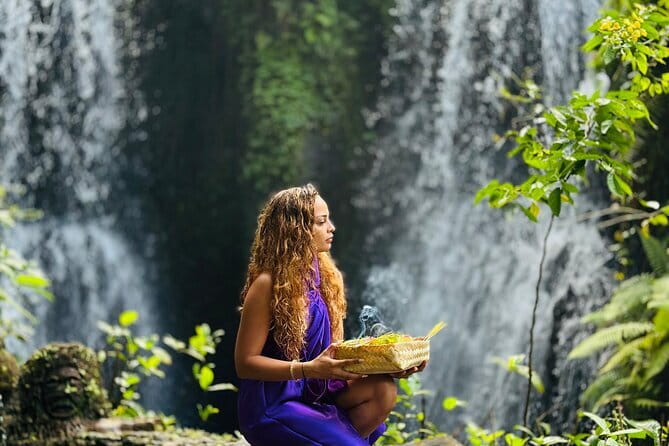
Want a calmer mind in one afternoon? This private Beji Griya Waterfall spiritual bath is built around the melukat purification ritual, with a Balinese priest guiding your steps at a sacred waterfall temple. I also like the photo-friendly setup in a sarong while the falls do the talking, and your group gets round-trip transfers so you can focus on the experience. One key consideration: women who are currently menstruating are not allowed to join the activity.
You’ll spend about 3 hours total, and the core ritual time is around 2 hours at the site. Expect a mix of reverence, quiet focus, and practical supplies included (sarong, towel, locker, offerings, and even coffee or tea to reset afterward). It’s spiritual tourism, yes, but it still feels like a real Bali ceremony when you follow the rules and keep the right attitude.
In This Review
- Key things to know before you go
- Why Beji Griya Waterfall is more than a photo stop
- The melukat purification ritual, step by step
- Your guide experience, and why Gusti comes up a lot
- Timing and logistics: how the 3 hours usually feels
- What to wear and bring (so you don’t waste the moment)
- Price and value: what $45 buys you (and what it doesn’t)
- Who this suits best, and who may want to choose another day
- Pairing it with the rest of your Ubud day
- When to book and how to make it smoother
- Should you book the Beji Griya Waterfall spiritual bath?
- FAQ
- How long does the Beji Griya purification experience take?
- Is pickup included?
- What’s included in the ritual package?
- Do I need to bring a sarong?
- Are women on their period allowed to join?
- What happens if the weather is bad?
- Can I get a full refund if I cancel?
Key things to know before you go
- Private for your group with a driver and round-trip transportation from Ubud and Sanur addresses
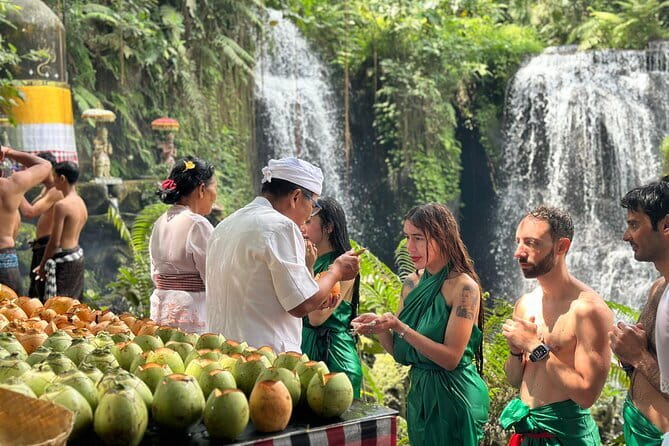
- Priest-led melukat purification with offerings and guidance through the steps
- Sarong, towel, and locker provided so you can dress appropriately without fuss
- Coconut for the water blessing and coffee or tea included to round out the visit
- Women on their period cannot participate, so plan your dates around this
Still chasing water? More falls we have written up
Why Beji Griya Waterfall is more than a photo stop
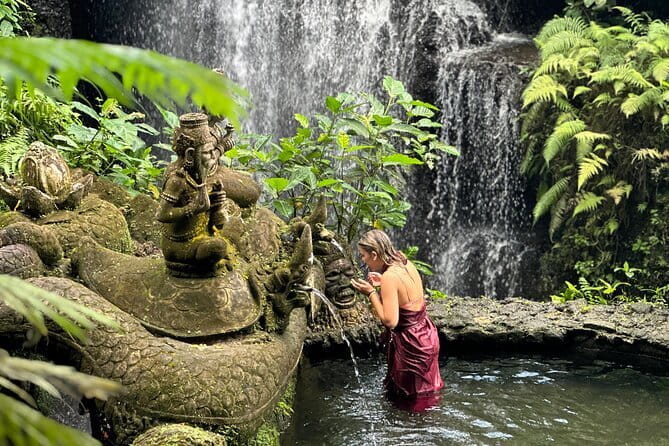
Beji Griya Waterfall in Ubud is not just a pretty waterfall you hike to. It’s a sacred site where Balinese Hindus come for purification rituals, and the experience you’re booking is designed around that purpose. The “point” is not adventure, it’s cleansing. Think of it as a chance to release stress and tension, then return to your day feeling lighter and more settled.
What makes it interesting is how structured the spiritual part is. You’re not showing up and guessing what to do. Your package includes the offering & priest who guide the purification, so you can stop worrying about etiquette and focus on the moment. And because the ritual takes place in a temple waterfall area, the atmosphere naturally nudges you into a respectful mindset.
The waterfall itself also changes the feel. Water is loud, cold at first, and honestly hard to ignore. That helps the ritual land, because you can’t mentally drift. It’s body and mind together.
The melukat purification ritual, step by step
The heart of the visit is the melukat purification ceremony. Locals carry this out to spiritually purify the mind and soul with holy water. In practical terms, the ceremony is meant to remove afflictions that may be blocking you from getting a desired result. That framing matters because it tells you what people come for. They’re not treating it as a quick dip.
Here’s what you can expect during the time at Beji Griya:
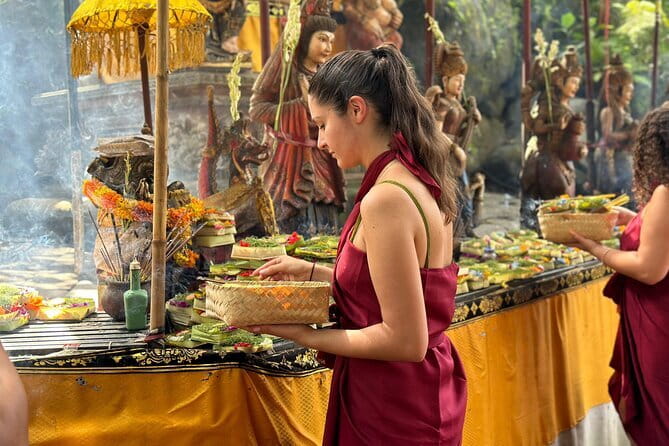
- You arrive to the temple waterfall area and get ready in the right attire, including a sarong for the ritual.
- You participate in the purification process with your priest guiding you through what to do.
- You’ll receive items tied to the blessing, including a coconut for water blessing.
- You’re given time in the sacred setting to take photos in your sarong while still keeping things appropriate for the site.
The best advice I can give is simple: treat the priest-led guidance like the main event. Smile when needed, but don’t rush, and don’t try to “improve” the ceremony with your own ideas. When you follow the flow, the ritual feels far more meaningful.
Also, note that the experience is positioned as a private tour. That helps because you’re not stuck trying to time your movements around a big crowd. You get room to listen and follow instructions without turning it into a choreography competition.
Your guide experience, and why Gusti comes up a lot
One name you’ll see connected with positive experiences at this kind of spiritual stop is Gusti. Multiple groups have described Gusti as kind, responsive, and informative, especially when it comes to helping people understand what will happen during the ritual. That matters because melukat can feel unfamiliar if you’ve never done a Balinese purification before.
If you end up with a guide like Gusti, you can ask quick questions before the ritual starts. Questions like:
- What should I keep in mind about the steps?
- Where are the safe spots to stand during the water blessing?
- What’s the respectful way to handle photos?
And there’s an extra perk that some people highlight: guides may help you add cultural time outside the ritual, such as suggestions tied to coffee plantations along the way, even when it’s not strictly part of the ritual package. That’s the kind of small help that improves your whole day.
Timing and logistics: how the 3 hours usually feels

The scheduled duration is about 3 hours, with the on-site ritual time around 2 hours. That’s a sweet spot for most people. It’s long enough to do the purification properly, but short enough that you can keep your Bali day flexible.
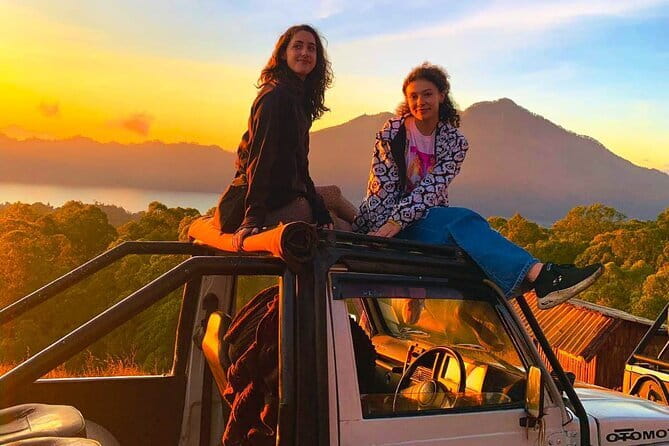
Round-trip transportation is included from Ubud and Sanur areas, and you get an English-speaking driver plus an included entrance ticket. There’s also a mobile ticket, which usually means less waiting at check-in.
What this means for you day-of:
- You can plan the ritual earlier in the day if you want a calm start, then keep exploring afterward.
- You should budget time for changing into the sarong and following priest instructions before the main water portion begins.
- Afterward, you’re not stuck hungry, because coffee or tea is included, plus towel and locker use.
The one thing that can affect timing is weather. This experience requires good weather, and if conditions are poor, you’ll be offered a different date or a full refund. In Bali, that’s a real factor, so keep your schedule flexible when possible.
- Uluwatu Sunset, Kecak Dance, and Dinner Jimbaran Beach★ 5.0 · 3,681 reviews
- Tanah Lot and North Bali Tour: Scenic Journey★ 5.0 · 3,620 reviews
- Body Massage Experience in Ubud Traditional Spa★ 5.0 · 3,506 reviews
- Best of Bali Waterfalls: Tibumana, Tukad Cepung and Tegenungan★ 5.0 · 3,047 reviews
- Bali: Ubud Kecak and Fire Dance Show Tickets★ 4.4 · 2,631 reviews
What to wear and bring (so you don’t waste the moment)
The package gives you a lot of what you’d otherwise worry about: sarong, towel, and locker use, plus the entrance ticket and ritual supplies. So you don’t need to show up equipped like you’re heading to a full spa day.
Still, you’ll enjoy the ritual more if you think ahead about comfort:
- Wear clothing you can change out of easily, then let the sarong be the ritual attire.
- Plan for water contact and possible cool temperatures during the ceremony.
- If you’re bringing a phone for photos, keep it protected. Water and mist are part of the environment.
As for behavior, the site is sacred, and the priest is there for a reason. Follow their cues about where to stand and when to participate. If you’re unsure, pause and watch first, then move when you’re invited. That simple patience keeps the experience respectful and helps you avoid awkward moments.
Price and value: what $45 buys you (and what it doesn’t)
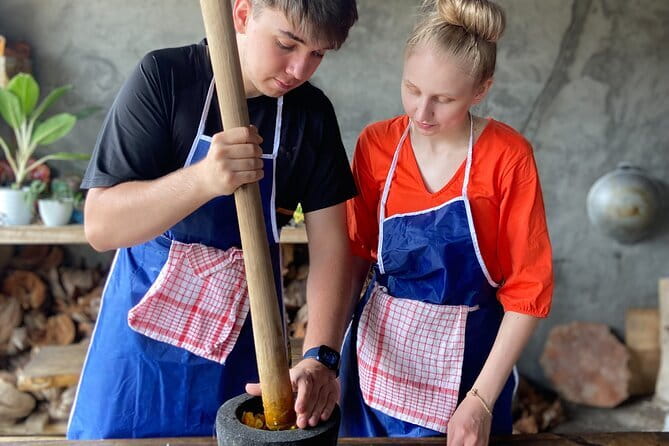
At $45 per person, this is not priced like a “luxury spa” experience. It’s priced like a direct spiritual activity with access to what you actually need on-site.
What you’re getting for the money:
- Private transportation and an English-speaking driver
- Entrance ticket
- Offering and priest who guide the purification
- Coconut for the water blessing
- Sarong, towel, and locker use
- Coffee or tea
What you’re not getting:
- Lunch
- Personal expenses
Here’s how I see the value. The included priest and offerings are the biggest cost driver in experiences like this, because they’re the “engine” of the ritual. The transfers from Ubud and Sanur also help, because you’re not trying to figure out transport timing on your own while you’re meant to be focused on the ceremony.
So the real question for you is fit. If you want a meaningful, guided purification that’s set up for first-timers, the price feels fair. If your goal is only a quick waterfall photo and you’re already comfortable navigating temple etiquette solo, you might find cheaper options. But if you value guidance and ceremony materials, this one is designed for you.
Who this suits best, and who may want to choose another day
This is best for you if:
- You want a private experience for your group, not a crowded scramble
- You’re interested in Balinese spirituality and purification rituals
- You appreciate clear guidance, including priest-led instruction
- You want transport handled for you from Ubud or Sanur
This may not be a match if:
- You are a woman who is currently menstruating, because the activity does not allow participation
- You’re uncomfortable with water-based rituals or temple rules
- You’re expecting a casual sightseeing stop, rather than a ceremony with spiritual intent
The good news is that most people can participate, and the visit is designed to be accessible. The key is respecting the rules and going with the mindset of purification, not entertainment.
Pairing it with the rest of your Ubud day
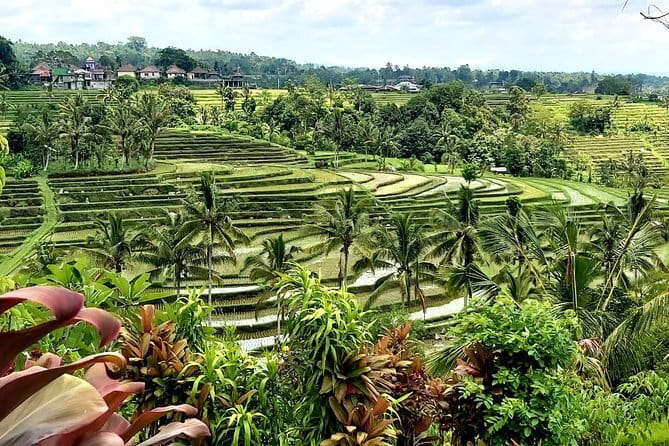
One of the nice things about this tour is how it fits into a typical Bali schedule. Because the experience is about 3 hours total, you can pair it with other Ubud activities without losing your whole day.
If you want ideas, think about what feels right after purification:
- Something calm and low-stress while you’re in a reflective mood
- Shopping or a cultural stop later, when you’re warmed up from the ritual
- Coffee-related experiences, especially if your guide is the helpful type who can suggest timing and stops along the route
Just remember: lunch is not included, so plan to eat afterward. Also, keep some buffer time in case the weather impacts your ceremony schedule.
When to book and how to make it smoother
An experience like this tends to sell out when schedules get busy. On average, it’s booked about 35 days in advance, so if you’re set on doing it, plan ahead.
To make it smoother once booked:
- Choose dates with generally good weather on your side
- If your group needs extra time, plan your day so you are not rushing from one place to another
- Wear practical clothing for changing, because sarong use is part of the ritual
And bring the right attitude. You’ll get more out of the ceremony when you treat it like a respectful spiritual appointment rather than a checklist item.
Should you book the Beji Griya Waterfall spiritual bath?
I think you should book this if you want a priest-led melukat purification experience at a sacred waterfall temple, with the essentials handled for you. The included sarong, offerings, coconut blessing, entrance ticket, and transportation from Ubud and Sanur make it a strong value for what you’re actually doing on-site. It’s also a smart choice for first-timers, because guidance reduces uncertainty.
I’d skip it or pick a different plan if you can’t participate due to the menstruation restriction, or if you’re looking for a purely casual waterfall visit without ceremony structure. And if you know you hate water-based activities, keep that in mind.
If you’re aiming for a calm, meaningful spiritual reset in Ubud, this is one of the clearer, more complete ways to do it.
FAQ
How long does the Beji Griya purification experience take?
The total experience is about 3 hours, with around 2 hours at Beji Griya Waterfall for the purification ceremony.
Is pickup included?
Yes. Round-trip transportation is included from addresses in the Ubud and Sanur areas.
What’s included in the ritual package?
The package includes an entrance ticket, offering and a priest to guide the purification, coconut for the water blessing, and use of a towel, locker, and sarong. Coffee or tea is also included.
Do I need to bring a sarong?
No. Sarong use is included as part of the experience.
Are women on their period allowed to join?
No. Women who are on their period are not allowed to join the activity.
What happens if the weather is bad?
This experience requires good weather. If it’s canceled due to poor weather, you’ll be offered a different date or a full refund.
Can I get a full refund if I cancel?
Yes, free cancellation is available. You can cancel up to 24 hours in advance for a full refund.
More Waterfalls, More Steps
Fresh Ubud write-ups from the review desk




Bali Waterfall Tours, compared.
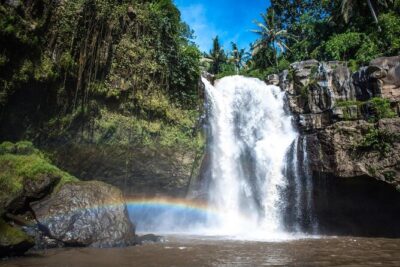 ★ 5.0Best of Bali Waterfalls: Tibumana, Tukad Cepung and TegenunganFrom $533,047 reviews
 ★ 5.0ATV Quad Bike Through Tunnel and Waterfall in BaliFrom $332,098 reviews
 ★ 5.0ATV Quad Bike Bali with Waterfall Gorilla Cave and LunchFrom $321,925 reviews
 ★ 5.0Ubud Hot Springs and Waterfall Private Guided TourFrom $18719 reviews
 ★ 5.0Bali Secret Waterfall Tour – Private and All-InclusiveFrom $109688 reviews
 ★ 5.0Bali ATV Quad Bike Through Tunnel, Waterfall, White Water RaftingFrom $26610 reviews
 ★ 5.0Blue Lagoon Snorkeling – Lunch – Kantolampo – Tibumana WaterfallFrom $39542 reviews
 ★ 5.0Monkey Forest, Water Temple, Rice Terrace, WaterfallFrom $28538 reviews
Browse the lists this tour appears in