
REVIEW · EAST BALI: LEMPUYANG, TIRTA GANGGA AND BESAKIH
Besakih Temple Tour – Mother Temple in Bali
Besakih Temple hits different on one packed day. This private tour strings together Bali’s most important temple, the former royal court of justice at Kertha Gosa, and photo-hungry stops like Tukad Cepung Waterfall. I really like how the day is built around both meaning and scenery, not just one long temple visit.
I also appreciate the practical flow: you get a driver-guide, included admission at each main stop, and a lunch break that keeps the day moving. One thing to plan for is the long drive, plus some stair climbing at Tukad Cepung, which can feel like a lot if you are not used to it.
If you want to make that walk easier, take cues from good feedback on the route: starting higher up and working your way down to the carpark can cut down on the feeling of getting trapped in heavy traffic.
In This Review
- Key things I’d plan around
- Price and logistics: what $65 buys you for a full 10-hour day
- Kertha Gosa first stop: royal court of justice and old gate details
- Jambul Hill timing: quick viewpoint with rice fields and sea at a glance
- Besakih Temple, the mother temple: scale, Mt. Agung, and what to notice
- Tukad Cepung Waterfall: the rainbow-effect spray and the stair descent
- The lunch stop: fueling the day without losing time
- The driver-guide and pacing: why organization matters on a long route
- Who this tour is best for (and who should reconsider)
- Should you book the Besakih Temple and Tukad Cepung tour?
Key things I’d plan around
- Door-to-door private transfers from your address in Ubud or much of south Bali, so you do not have to coordinate rides across the island.
- Kertha Gosa (royal court of justice), a calmer, culturally rich stop before the big temple complex.
- Jambul Hill quick viewpoint hit with rice fields, valleys, and sea panorama in the mix.
- Besakih Temple facing Mt. Agung for that “mother temple” sense of place and scale.
- Tukad Cepung’s rainbow-effect spray plus a stair descent that is worth it for photos.
- All main admissions included, which helps you avoid the “what did we forget to buy” stress.
Deeper into the east: gates, water palaces, mother temple
Price and logistics: what $65 buys you for a full 10-hour day
At $65 per person for a private door-to-door day that runs about 10 hours, this tour is aiming for real value. You are not just paying for sightseeing time. You are paying for transport, a guide-driver who keeps the schedule tight, included lunch, and admission tickets at each of the four named stops.
This matters in Bali, where travel time can swing wildly. The route includes a long drive, and you should expect heavy traffic at times. A solid plan is less about speed and more about arriving in the right order, with fewer backtracks and less wasted time.
It also helps that this is listed as a private activity, so only your group participates. That usually means fewer timing headaches and less “wait for someone else” energy. If you are traveling as a couple or small family, that privacy often feels like it is worth the money by itself.
Finally, you will likely get a mobile ticket, which is convenient when you are juggling photos, water, and temple rules.
Kertha Gosa first stop: royal court of justice and old gate details
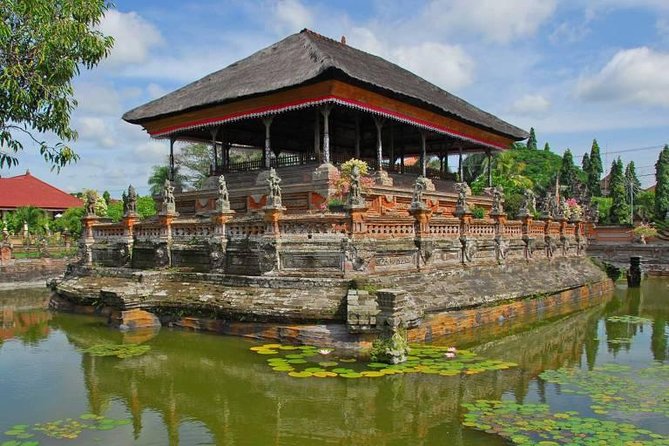
The day starts with Taman Wisata Kertha Gosa, which is known as a former royal court of justice. This stop is a good choice early because it sets the cultural tone before you move into the mountain-temple world.
What I like about Kertha Gosa is that it can feel less overwhelming than a huge temple complex. You can slow down, look closely at the design, and make the meanings click. You are also getting a built-in “context stop” that helps you understand what you are seeing later at Besakih.
There is also a specific historical detail tied to the palace main door (pemédal Agung). The information provided notes a Candra Sengkala carved on that main gate and references an existence year using Caka, Cakra Yuyu. Even if you do not read it like a historian, that kind of detail is a reminder that Bali’s temple culture is layered with records, not just decoration.
How long it takes: about 1 hour.
Your practical takeaway: if you want photos, this is a calmer place to get them before the rest of the day gets more crowded or timing-driven.
Jambul Hill timing: quick viewpoint with rice fields and sea at a glance
Next up is Jambul Hill (Bukit Jambul), scheduled for about 15 minutes. That short window is not a flaw. It is a strategy. You get a quick “breather” and viewpoint without turning the day into a half-day of driving and waiting.
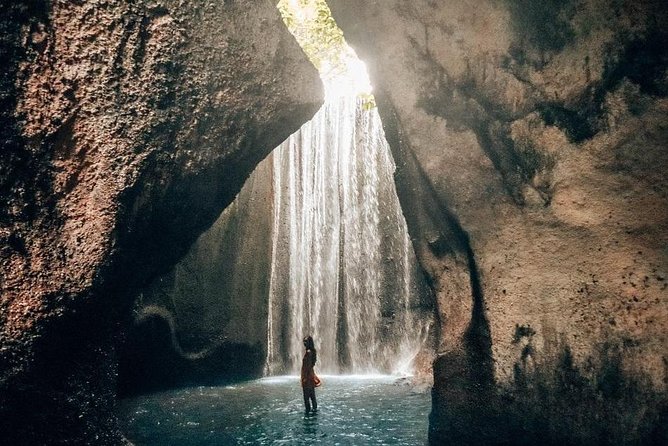
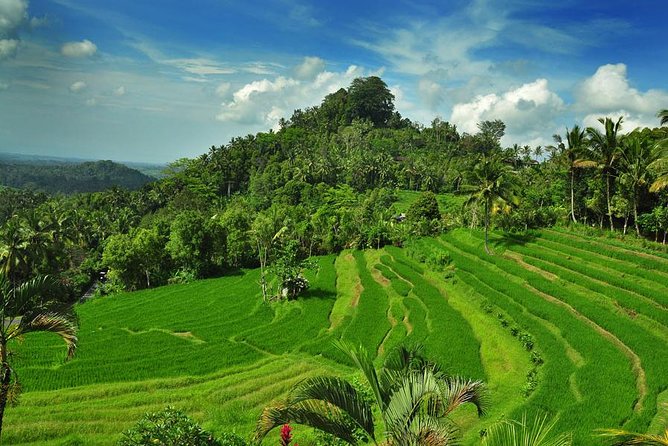
This viewpoint is described as having a harmonious mix of hilly land, rice fields, valleys, and a sea panorama in the distance. In plain terms: you get that classic Bali look from above, and you get it without committing to a long trek.
The nice part: even if you are not a serious hiker, you can still enjoy the view.
The possible drawback: 15 minutes can feel fast if the lookout is crowded or if you need time for sun, photos, and hydration. If you are sensitive to heat, plan to keep your breaks efficient here so you save energy for the later stair descent.
Your practical takeaway: do your photos early in the stop, before you settle into a conversation or a longer look. This is the one time pressure is baked into the schedule.
Besakih Temple, the mother temple: scale, Mt. Agung, and what to notice
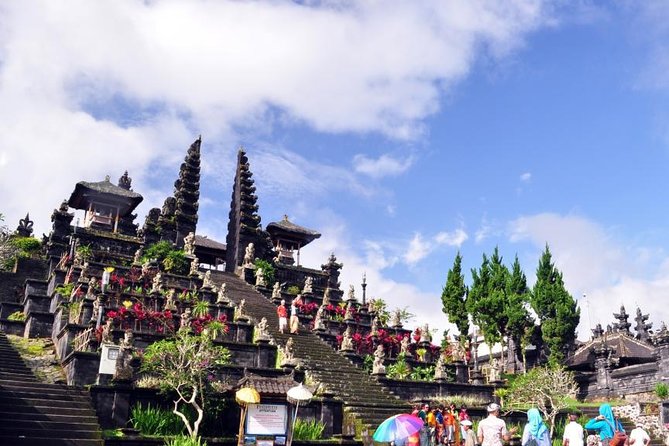
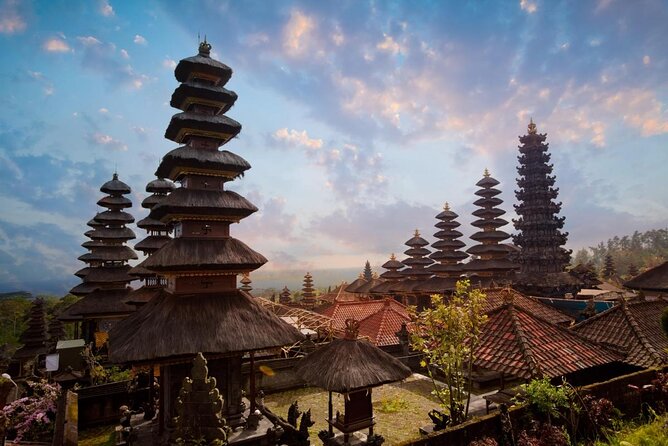
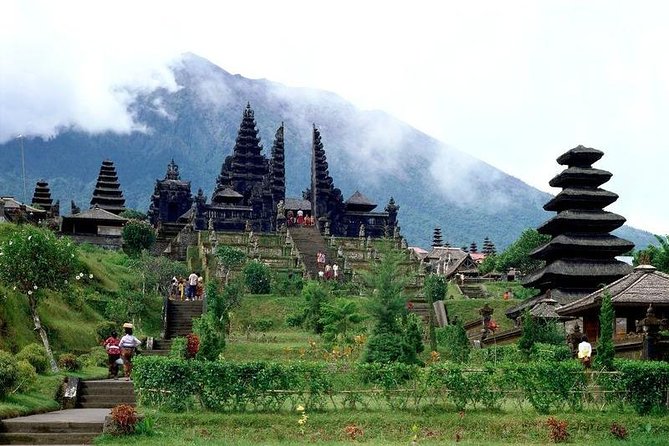
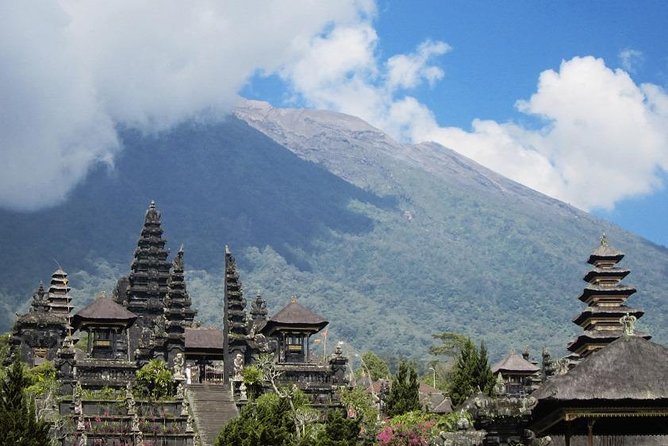
Then you hit Besakih Temple, described as covering a vast area with breathtaking mountain scenery. This is the stop most people associate with the “mother temple of Bali” idea, and the tour frames it well: it is not just a single shrine you pop into, it is a complex meant to be understood in space and setting.
A key detail here is orientation. Besakih is described as facing Mt. Agung’s highest peak, believed to be the abode of the gods. That relationship between temple and mountain is important. It explains why Besakih feels so different from temples that sit in flatter, more urban settings.
How long it takes: about 1 hour.
What I would focus on, beyond the postcard views:
- The way the complex spreads out and makes you walk more than you expect.
- How the setting with Mt. Agung changes the mood, even on ordinary weather days.
- The artistic, structured look of the temple components, which is easier to appreciate when you are not rushing.
There is one more practical point. The day includes a long drive and heavy traffic, so starting in a sensible order can change how your feet feel later. One piece of feedback highlights that doing the temple walking from higher up down to the carpark made the day easier for people. So if your route or timing allows options, choose the direction that reduces extra back-and-forth.
Your practical takeaway: wear comfortable footwear you can trust on uneven stone. If you care about photos, bring an extra minute for framing, not just quick shots.
- Uluwatu Sunset, Kecak Dance, and Dinner Jimbaran Beach★ 5.0 · 3,681 reviews
- Tanah Lot and North Bali Tour: Scenic Journey★ 5.0 · 3,620 reviews
- Body Massage Experience in Ubud Traditional Spa★ 5.0 · 3,506 reviews
- Best of Bali Waterfalls: Tibumana, Tukad Cepung and Tegenungan★ 5.0 · 3,047 reviews
- Bali: Ubud Kecak and Fire Dance Show Tickets★ 4.4 · 2,631 reviews
Tukad Cepung Waterfall: the rainbow-effect spray and the stair descent
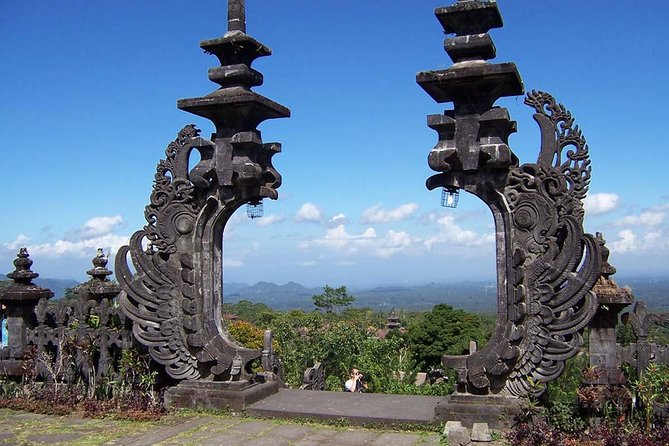
If you came for a wow moment, Tukad Cepung Waterfall is the one. This waterfall is famous for its rainbow-effect spray, and it is described as hard to locate at first. That matters because this is not a “turn right and there it is” stop.
The tour information also emphasizes something practical: Tukad Cepung is well guarded by cliffs, and a few hundred stairs down the cliff are part of the experience. That is why this stop is worth budgeting energy for. The steps are not optional, so treat this as a mini workout, not just a photo stop.
How long it takes: about 1 hour.
Why the effort pays off: the rainbow-effect spray depends on how water mist interacts with light, and that is why people tend to remember this waterfall. It is also a spot where timing and positioning matter. If you arrive and immediately sprint to the prettiest frame, you can miss the light angle that creates the rainbow effect.
What to watch out for:
- Stairs can be slippery if it has rained recently.
- The area down by the waterfall can be crowded depending on the day.
- If you are tired after Besakih, this is where your pacing matters.
Your practical takeaway: take your time on the descent, not just the photos. A steady pace makes it feel less intense and lets you enjoy the moment when you reach the viewing area.
The lunch stop: fueling the day without losing time
Lunch is included, served at an Indonesian restaurant. You will not get stuck searching for food while your driver is waiting or while everyone else is deciding what to eat.
The practical value here is simple: when you have a 10-hour schedule with four distinct stops, hunger turns into bad mood fast. A planned meal keeps you functional for temple etiquette and stair climbing later.
One more reason lunch fits this itinerary: you get a natural rhythm. Kertha Gosa and Besakih are mentally demanding, then Tukad Cepung is physically demanding in its own way. A real break in the middle helps your body handle the mix.
Your practical takeaway: drink water before lunch, not only after. And if you are sensitive to heat, ask for something light if you see heavy meals are the only option.
The driver-guide and pacing: why organization matters on a long route
This type of tour lives or dies by pacing. The itinerary includes multiple stops clustered around major sights, but the drive between them can take time, and there can be heavy traffic. One strong point from feedback is that the whole day felt very well organized, with smooth communication and quick replies when questions came up.
There is also a specific name mentioned in the feedback: a driver named Darma. The praise centered on making the tour easier, which usually translates to one thing for you, less stress. When a driver knows where slowdowns happen and how to keep the group moving, you spend less energy worrying and more energy actually looking.
Because this is private, your timing choices also matter more. You can be a bit more direct about how you want to do photo time versus walking time. You also get better control if someone in your group needs a slower pace.
Your practical takeaway: treat the guide as your rhythm-setter. If you have a question about where to stand, how long to linger, or what to prioritize for photos, ask early at each stop.
Who this tour is best for (and who should reconsider)
This tour is a strong fit if you want a “greatest hits” Balinese day without juggling transport, tickets, and timing. You get temples, viewpoints, and a famous waterfall, all grouped into one private door-to-door plan with lunch.
It is also a good fit if you care about understanding culture. Starting with Kertha Gosa helps you look at Besakih with better context, so it does not feel like random temples lined up for photos.
You should consider your fitness and comfort if you do not like stairs. Tukad Cepung includes a few hundred stairs down, and that is the one part that can make or break the day.
Also consider your patience for driving. The day includes a long drive and heavy traffic at times, so it is not ideal if you hate being in the car for long stretches.
If your group wants a more relaxed, slow-temple day with fewer transitions, you might prefer something shorter. But if you want a full day that keeps moving while still feeling organized, this one makes sense.
Should you book the Besakih Temple and Tukad Cepung tour?
I would book it if your goal is a complete Bali snapshot with real spiritual weight at Besakih, culture context at Kertha Gosa, and a waterfall stop with a genuine photo payoff. The included lunch and admissions are a big part of the value, and door-to-door transfers from Ubud or south Bali save you from the headache of coordinating rides across traffic.
I would hesitate if you are stair-averse or if you want a low-traffic, slow-paced day. Tukad Cepung’s descent is a clear commitment, and the drive can be long.
Bottom line: this is a good “one-day plan” tour. It is organized enough to feel efficient, but it also gives you time at each major stop to actually see what you came for.
Further East: Gates, Pools and Besakih
Fresh Ubud write-ups from the review desk




East Bali: Lempuyang, Tirta Gangga and Besakih, compared.
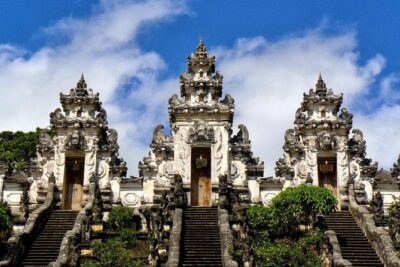 ★ 5.0East Bali Tour: Gate of Heaven, Water Palace, Sleeping GajahFrom $1001,726 reviews
 ★ 5.0All Inclusive : Bali Blue Lagoon Snorkeling, Lunch, and TransportFrom $441,097 reviews
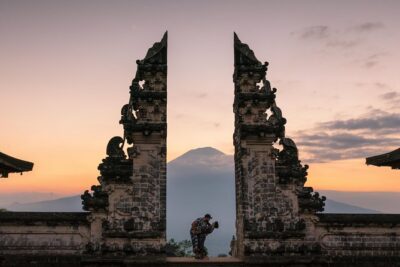 ★ 5.0Bali Instagram: Gate of Heaven Temple TourFrom $85737 reviews
 ★ 5.0Bali Blue Lagoon Snorkeling – Lunch and Transport All InclusiveFrom $39588 reviews
 ★ 5.0Blue Lagoon Snorkeling – Lunch – Kantolampo – Tibumana WaterfallFrom $39542 reviews
 ★ 5.0Bali Blue Lagoon Snorkeling with Private Transfer & LunchFrom $39539 reviews
 ★ 5.0Quad Bike Ride and Snorkeling at Blue Lagoon Beach All-inclusiveFrom $75448 reviews
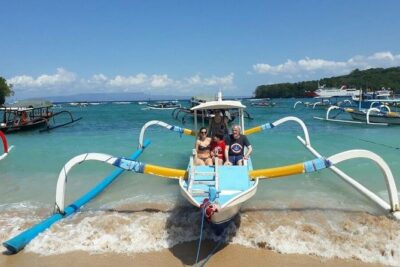 ★ 5.0Blue Lagoon Bali Snorkeling ExperienceFrom $45412 reviews
Browse the lists this tour appears in