
REVIEW · EAST BALI: LEMPUYANG, TIRTA GANGGA AND BESAKIH
Mount Agung Sunrise Trekking Private Tours
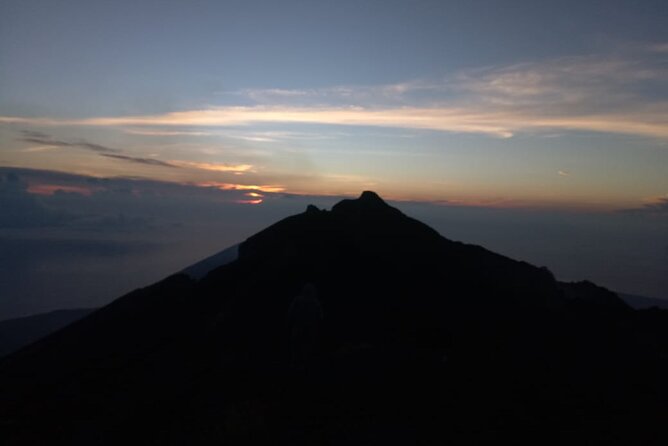
Want a sunrise with bite? Mt Agung Sunrise Trekking takes you up Bali’s highest sacred volcano at night for crater rim views and breakfast. I love the private guide that sets a steady pace and looks out for footing in the dark, and I love how the timing puts you at the top for first light, not later. One drawback to plan for up front, the cold and the steep trail, and warm layers and proper shoes are not included.
This is a long day, about 12 to 16 hours, built around late-night hiking and early-morning sunrise watching. Pickup can reach south Bali, Ubud, Amed, Lovina, and Candidasa, and the tour starts and ends back at Pura Pengubengan Besakih. I also like that you get key trail tools, trekking poles, a flashlight, and a raincoat, so you do not have to hunt for basics the day of.
There’s also a cultural option if your route passes by Besakih Temple, the big mother temple in Bali. Climb through night forest and rocky sections, then look out over Bali, with views stretching toward Lombok and even Mt Rinjani on clear mornings. If you want sunrise plus a meaningful temple stop, this route can feel like more than just a physical challenge.
In This Review
- Key points to know before you go
- Mt Agung at night: what the climb really feels like
- Gear I’m glad is included, and what you must bring
- Flashlight hiking and the fire stop before sunrise
- Besakih Temple route: where culture meets the volcano
- Pickup across Bali and the long-day schedule from Ubud
- Private guide quality: Darta, Gede Darta, and what to watch for
- How hard is Mt Agung sunrise trekking, really
- Price and value at around $55 per person
- Who should book this trek, and who should skip it
- Should you book Mt Agung Sunrise Trekking?
- FAQ
- How long is the Mt Agung sunrise trekking tour?
- Where does the tour start and end?
- Do I get pickup from my hotel?
- Is this a private tour?
- What gear is included for the hike?
- What food is included during the trek?
- Is an admission ticket included?
- What should I bring since warm gear is not included?
- Is the trek recommended for everyone physically?
- Is it recommended during menstruation?
- Does the route ever include Besakih Temple?
Key points to know before you go
- Private guide support for pacing, safety, and navigation on a steep night trail
- Included trekking gear like poles and a flashlight, plus raincoat for wet stretches
- Fire stop and breakfast with bread, hard-boiled egg, fruit, biscuits, and tea or coffee
- Cold at the top even when the forest feels warm, so pack real layers
- Steep and slippery return where good grip matters on the descent
Deeper into the east: gates, water palaces, mother temple
Mt Agung at night: what the climb really feels like
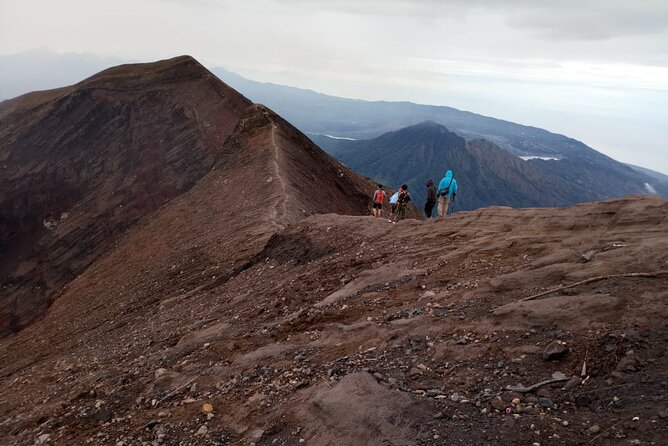
This trek is designed for the night, so you start in darkness and use flashlights to see your steps. The trail begins easier, then gets steeper as you climb. Expect a constant push upward for a big chunk of the hike. Even fit hikers say it is not just long, it is relentlessly uphill.
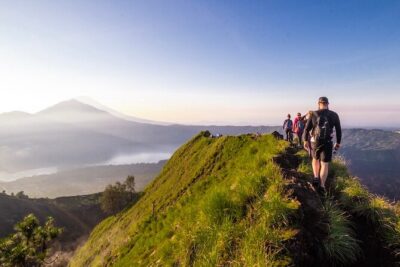
As you gain elevation, conditions can swing fast. One common pattern is warm, humid forest at the start, then colder air as you reach higher rock and wind-exposed sections. The ground can feel like an angled rocky channel, and your shoes and attention matter every minute. The trail can be narrow in parts, and the night makes everything feel closer than it is.
The climb is also mental. There’s a point where you will wonder how much is left. The value of having a guide is that you get breaks when you need them, and you do not lose your rhythm. I like that many guides keep you moving at a pace you can sustain rather than rushing you.
Gear I’m glad is included, and what you must bring
The tour includes trekking poles, a flashlight, and a raincoat. That helps with traction and visibility, especially on a steep, uneven path. You also get the basic breakfast fuel while you wait for sunrise, so you are not trying to solve snacks at 3 a.m.
But you do need to bring your own cold-weather gear and footwear. Warm jackets are not included. Shoes and personal items are not included either. This is the biggest practical miss if you show up underprepared.
Here’s the prep I’d use for your packing list:
- Wear hiking shoes with good tread, not slippery runners or flat sandals.
- Bring layers you can adjust, because forest warmth can turn into wind chill near the summit.
- Plan water seriously. Many hikers stress bringing at least 3 liters per person, and the trek includes water during the hike, but more is still smart.
- If you have headlamp, consider bringing one as backup, even though you get a flashlight.
One more thing I appreciate from how guides operate, some of them can handle emergency small fixes on the spot, like providing extra gloves or helping adjust clothing for someone who came in with shorts. Still, do not rely on rescue gear.
Flashlight hiking and the fire stop before sunrise
A major part of the experience is the rhythm of night hiking, then warming up before sunrise. On many climbs, you reach a point where the guide stops the group and builds a small fire using sticks collected nearby. That break can land roughly under an hour before the summit for some people, which makes it feel like a clear checkpoint rather than vague time.
After the fire, breakfast is served. The included meal is simple but actually welcome after hours of uphill hiking, with bread, hard-boiled egg, seasonal fruit, biscuits, and tea or coffee. It is not fancy, but it is warm and filling, which is what you need before the final push for dawn.
Timing can vary. Some hikers report reaching the top early and having to wait in cold air for sunrise, sometimes for around a couple of hours. That is a real consideration. If you hate waiting in the cold, pack warm layers that you can actually wear during the waiting period.
Besakih Temple route: where culture meets the volcano
One unique detail is the potential temple connection: you may pass by the mother of temples in Bali if your trek route goes via Besakih Temple. Besakih, also called Pura Besakih, is Bali’s biggest Hindu temple complex.
What I like about this possible stop is that it gives your day context. You are not only chasing sunrise, you are also stepping into a sacred setting before you tackle the climb. The temple area can also offer wide nature views, stretching out until you see the ocean in clear conditions.
This is not a guaranteed temple tour for every route, since it depends on the path your trek follows. If you care about including Besakih in the day, ask your operator ahead of time whether your route includes that approach.
More walking routes, short and long
- Mount Batur Sunrise Trekking Private All Inclusive★ 5.0 · 906 reviews
- Private Mount Batur Sunrise Trekking Tour★ 5.0 · 634 reviews
- Mount Batur Sunrise Trekking (Private Tour and Breakfast at Restaurant)★ 5.0 · 598 reviews
- Private Tour : Mount Batur Sunrise Trekking With Private Guide★ 5.0 · 422 reviews
- Mount Batur Sunrise Hike, Breakfast & Hot Spring★ 5.0 · 316 reviews
Pickup across Bali and the long-day schedule from Ubud
Even though the trek focuses on Mt Agung, the day starts with logistics. Pickup is offered in south Bali, Ubud, Amed, Lovina, and Candidasa, and the tour includes two-way transfers. For many people, it means leaving late evening or early night, then driving to the Besakih area to begin the ascent.
Your total day is long, about 12 to 16 hours, and the sunrise watch dictates the schedule. You should expect to be on the move for a full half-day plus the night climb. Plan your next morning accordingly, because you will likely want rest after the descent and return.
Also note the meeting point structure. The start is at Pura Pengubengan Besakih, and the activity ends back at the meeting point. The “you” takeaway here is simple: make sure you know exactly where pickup drops you and where the return lands, so you do not lose time or energy right after a tough hike.
Private guide quality: Darta, Gede Darta, and what to watch for
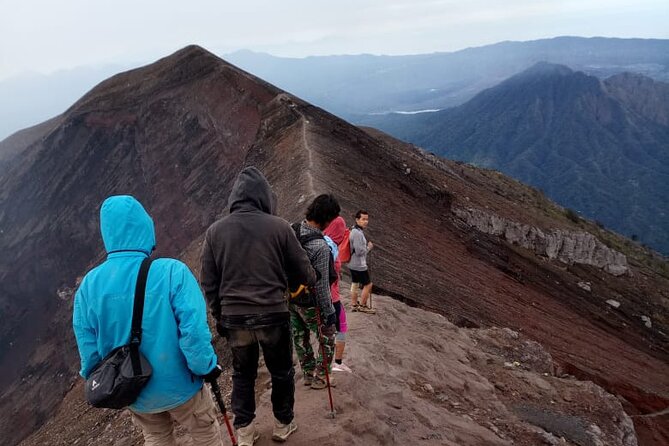
The tour is private, meaning it is only your group with your guide. That matters because Mt Agung is steep and dark, and you want someone to manage the pace and hazards for just your party.
From named guides that come up often, you might see Gede Darta and Darta associated with this trek. Hikers describe Darta as calm, caring, and safety conscious, with limited but effective communication. Some guides help manage the tough moments, including carrying a guest’s bag for safety and comfort on the final steep sections. That can be a huge morale boost when you are tired.
There is a balance here, because communication can differ by guide. A few hikers describe guides as quiet or not very chatty, and one unhappy account mentions a guide who did not motivate much during the wait near the summit. That does not mean every guide is the same, but it does suggest you should be ready for a “do the job well” style rather than a nonstop narration.
If communication matters to you, ask your guide what the plan is in plain terms before you start. You want to know when breaks are expected, roughly how far to the sunrise area, and what the turnaround plan is if weather or footing slows you down.
How hard is Mt Agung sunrise trekking, really
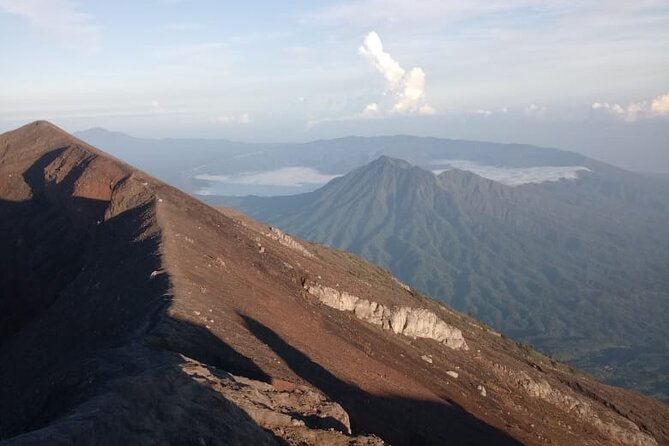
Mt Agung is the island’s highest peak at 9,944 feet (3,031 meters). That height shows up on your legs. The trek is recommended for travelers with moderate physical fitness, and it is not for everyone.
Here’s what makes it hard:
- The climb is steep and often constant uphill.
- The ground can be rocky and uneven, like a slanted bed of stones.
- Cold and wind can hit near the top.
- The descent is where many people struggle, with loose stones and slick patches.
Several hikers describe the hike as tougher than Bali’s Mt Batur. You should also respect the mountain’s conditions. Even if it does not rain on your day, the forest trail can be muddy. Going down on fine gravel and loose rock can be slippery, and fatigue makes slips more likely.
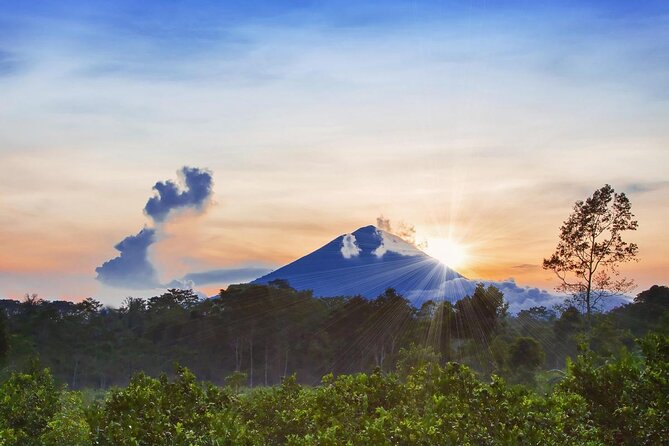
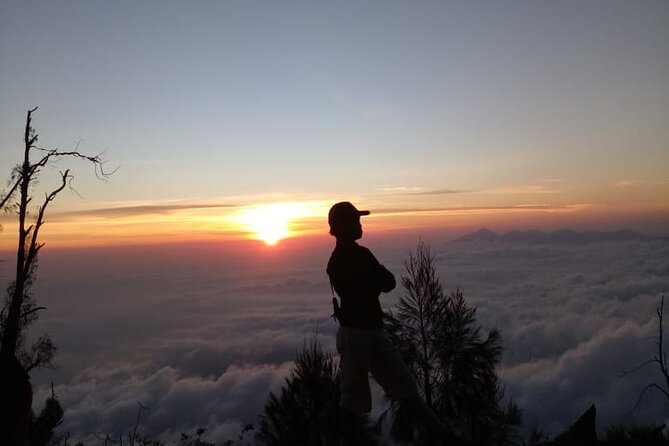
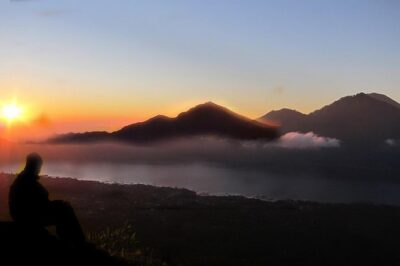
On the brighter side, many hikers say the reward is real: sunrise views over Bali, and on clear mornings, big-sky visibility toward Lombok. You are also often rewarded with a sense of being above the normal tourist circuits, because the climb is demanding enough that not everyone follows through to the summit.
Price and value at around $55 per person
At $55 per person, this trek can feel like strong value, especially because it includes a private guide and driver plus trail essentials and breakfast. You are not just paying for movement, you are paying for access to sunrise timing, safety in darkness, and the equipment that keeps you from arriving empty-handed.
That said, the true value depends on what you already own.
- If you already have warm layers and good hiking shoes, you are set.
- If you do not, you might spend extra money on a warm jacket, gloves, and proper footwear.
The included items that add real value: trekking poles, flashlight, raincoat, water during the hike, admission ticket included at the Mt Agung stop, and breakfast items like tea or coffee, bread, egg, fruit, and biscuits. For a long day involving pickup and transfers, this is why the price can work for budget-minded hikers.
If you are traveling as a group, group discounts may apply, which can lower your cost per person even more. The key is to treat it as a serious hike, and budget for what your body needs to finish comfortably.
Who should book this trek, and who should skip it
This tour fits best if you like a real challenge and you are comfortable hiking long, steep terrain in the dark. You should also be okay with cold conditions near the top, and you should pack layers and shoes with grip.
It may not fit if:
- You want an easy walk or a relaxed pace.
- You are not ready for slippery footing on the descent.
- You have physical limitations you cannot manage on a steep rocky trail.
- You are not comfortable in cold wind, since warm layers are not provided.
One important note stated for this activity: it is not recommended for menstruation period travelers. If that applies to you, you should plan a different experience.
If you have solid hiking experience, you will likely feel at home here, even though the mountain is demanding. If you are new to serious altitude trekking, consider training with shorter hikes and practicing with your footwear before you commit.
Should you book Mt Agung Sunrise Trekking?
Book it if you want sunrise on Bali’s highest sacred volcano and you are willing to handle cold, steep uphill hiking, and a slippery descent. The included gear, the fire-warmed breakfast, and the private guide setup are what make the day feel more controlled than a DIY hike.
Think twice if you do not have the right footwear, or if the idea of waiting in cold air near the summit sounds miserable. This is also not the best fit if you want lots of storytelling or constant group interaction. The style is often focused and practical, which can be great if you just want safe progress and a great sunrise.
If you do book, do your homework on packing: warm layers, water, and shoes with real tread. Mt Agung will reward that effort with big, early light and a view that makes the hard hours feel worth it.
FAQ
How long is the Mt Agung sunrise trekking tour?
It runs about 12 to 16 hours, depending on timing and conditions.
Where does the tour start and end?
It starts at Pura Pengubengan Besakih in Bali and ends back at the same meeting point.
Do I get pickup from my hotel?
Pickup is offered in south Bali, Ubud, Amed, Lovina, and Candidasa.
Is this a private tour?
Yes. It’s private, and only your group participates.
What gear is included for the hike?
Trekking poles, a flashlight, and a raincoat are included.
What food is included during the trek?
You get water during the hike, plus breakfast items such as bread, hard-boiled egg, seasonal fruits, some biscuits, and tea or coffee.
Is an admission ticket included?
Yes, an admission ticket is included for the Mount Agung stop.
What should I bring since warm gear is not included?
Warm jacket layers are not included, and shoes and other personal items are not included. Good hiking shoes with grip and warm layers are especially important.
Is the trek recommended for everyone physically?
It’s recommended for travelers with moderate physical fitness level.
Is it recommended during menstruation?
It is not recommended for menstruation period travelers.
Does the route ever include Besakih Temple?
You may pass by Besakih Temple if your trek path goes via the Besakih Temple route.
Walking Routes Worth the Early Start
Further East: Gates, Pools and Besakih
Fresh Ubud write-ups from the review desk


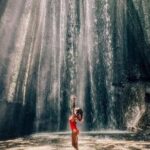
East Bali: Lempuyang, Tirta Gangga and Besakih, compared.
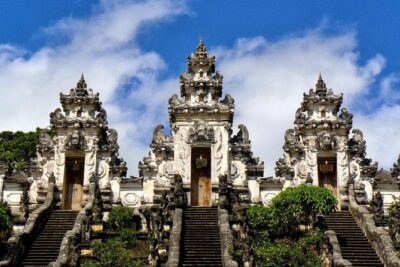 ★ 5.0East Bali Tour: Gate of Heaven, Water Palace, Sleeping GajahFrom $1001,726 reviews
 ★ 5.0All Inclusive : Bali Blue Lagoon Snorkeling, Lunch, and TransportFrom $441,097 reviews
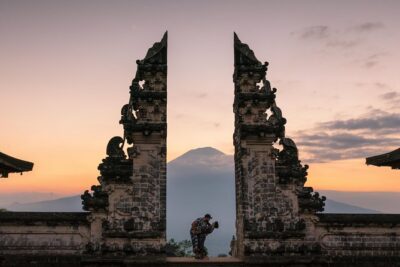 ★ 5.0Bali Instagram: Gate of Heaven Temple TourFrom $85737 reviews
 ★ 5.0Bali Blue Lagoon Snorkeling – Lunch and Transport All InclusiveFrom $39588 reviews
 ★ 5.0Blue Lagoon Snorkeling – Lunch – Kantolampo – Tibumana WaterfallFrom $39542 reviews
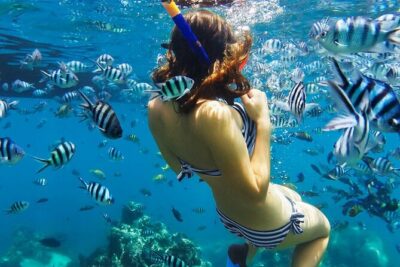 ★ 5.0Bali Blue Lagoon Snorkeling with Private Transfer & LunchFrom $39539 reviews
 ★ 5.0Quad Bike Ride and Snorkeling at Blue Lagoon Beach All-inclusiveFrom $75448 reviews
 ★ 5.0Blue Lagoon Bali Snorkeling ExperienceFrom $45412 reviews
Browse the lists this tour appears in