
REVIEW · IJEN CRATER BLUE FIRE HIKES
Mount Ijen Crater Trekking Tour from Bali
Mt Ijen’s blue fire turns a long overnight drive into something special. This trek is designed around one moment in the dark, a steep climb starting late at night, then early-summit views inside Java’s massive crater. You’ll also spend real time around local sulfur miners, including their work hauling heavy blocks by shoulder, which makes the whole experience feel grounded, not just scenic.
I like that this tour keeps things tight and practical: small group size (up to 10) plus a local guide who handles the tricky crater timing. I also like the built-in food plan, a light breakfast before the descent and a real lunch on the way back. One thing to consider, though, is the whole day is long and physical, with an overnight start plus a challenging descent, so it is not a casual outing.
If you are picturing a simple hike, this will recalibrate your expectations fast. The tour leaves South Bali in the late afternoon, crosses to Java by ferry, and gets you onto the mountain when the air is cold and the crater activity is hardest to predict. That overnight rhythm is the point: blue flames are something you go after at predawn, and the schedule is built around that.
The best part for me is how the experience is more than a photo stop. You get the early hike, then you get a closer look at Ijen Crater and the mining work around it. Seeing the miners at work, and hearing what matters for safety on this volcano, gives context for why people come here year after year.
The main drawback is simple: you need stamina. The route to the summit is short on paper, about 3 km, but it is a real uphill slog over darkness, then a descent back down under fatigue. The tour also has medical and age guidance, so it is worth reading carefully before you commit.
In This Review
- Key things to know before you go
- Should you book this Mt Ijen tour from Bali?
- FAQ
- What time does the Mt Ijen tour start from Bali?
- How long is the tour?
- How many people are on this Mt Ijen tour?
- What meals are included, and is dinner provided?
- Do you get safety gear for the Ijen trek?
- Is the blue fire on Mt Ijen guaranteed?
Key things to know before you go
- Overnight schedule from Bali: pickup late afternoon, ferry crossing, then a predawn summit window.
- Small group cap: maximum 10 travelers, which helps with pacing and attention on the mountain.
- You’ll get safety gear: flashlight plus a gas mask for the trek phase.
- Blue fire depends on conditions: the timing is planned, but weather affects what you see.
- You meet sulfur miners up close: you’ll watch traditional hauling and mining methods along the route.
- Crater rules are strict: you stay close to the designated area, including a maximum 500 meters from the crater.
Your day starts with hotel pickup in South Bali, typically from Kuta, Legian, Seminyak, Jimbaran, or Nusa Dua. The stated start time is 5:00 pm, and the exact pickup time is confirmed after reconfirmation. The practical reality is that you should plan to be ready before that early evening window, because you are traveling when most people are still winding down for the night.
From Bali, the route goes to Gilimanuk Harbor in West Bali for the ferry crossing. You cross the sea and arrive in East Java around midnight. From there, you are driven to the trek starting point, where you get a safety briefing and receive equipment like a flashlight and gas mask.
A small heads-up from the experience pattern here: you might encounter a short waiting period at a meeting location until the group is complete before you leave as one unit. That is normal for tours built around fixed timing, so bring patience and keep your expectations flexible.
Why this matters: when you are doing an overnight volcano plan, the first hour sets your mood. If you get impatient early, you feel it even more on the mountain. If you treat this as travel time you can mentally “bank,” the rest of the trek feels more manageable.
The guided hike begins after you reach the starting area and get briefed. The walking distance to the summit is listed around 3 km, but the time estimate is 1 to 2 hours because of the terrain, not because of the distance.
This is the part where comfort is less about fancy gear and more about not slipping, staying warm, and keeping your breathing steady. The tour recommends wearing long pants, sports shoes, and a sweater, plus gloves and a hat. You can expect cold night air, and being underdressed makes every stop feel colder than it should.
Your guide will also keep you oriented for the climb and for timing the summit moment. The flashlight and gas mask are included as part of the trek kit, and you should follow the guide’s instructions on when to use them. Also, the Ijen rules are explicit, including restrictions around staying within a maximum 500 meters from the crater.
One more practical point: this tour is not positioned as a gentle nature walk. It is an extreme outing, and it is not recommended for people with heart complaints, asthma, or other serious medical conditions. Minimum age is 16. Older participants are also discouraged. If you have any doubt about your fitness, I’d treat that as a genuine warning sign, not paperwork.
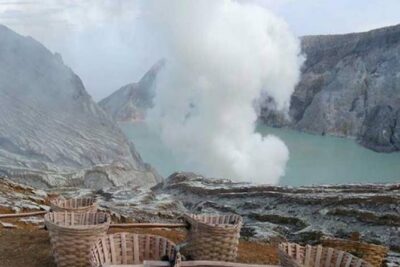
The Mt Ijen trek is famous for blue flames, but it would be a shallow story if it stopped there. Along the route, you interact with sulfur miners who carry heavy blocks of yellow sulfur weighing roughly 60 to 80 kg using bamboo pole baskets balanced across their shoulders.
This is not a quick passing glance. The plan is designed so you see the work and the scale of it as you hike. You’ll also later witness their mining activity using traditional methods with iron rods, and without safety equipment.
That contrast is sobering. It also helps explain why a gas mask is part of your experience. Even if you only see the miners from a short distance, you’ll understand quickly that this volcano is not just scenery to the local economy. It is a workplace.
If you want photos, think about safety first. Follow the guide, keep your spot within the allowed area, and avoid pushing in for shots. You’ll get better images when you are steady and not scrambling.
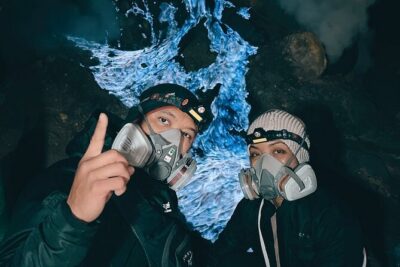
You reach the summit before dawn for the main phenomenon: Mt Ijen blue fire, a glow that appears under certain conditions. The tour explicitly notes that the blue flames depend on weather and conditions, so no one should treat it as a guaranteed fireworks show.
What you can control is your readiness. Get your gear on correctly, dress for the cold, and keep your attention on your guide’s timing. The summit is when you stop for a light breakfast. It is not a huge meal, but it helps you regain energy before the descent.
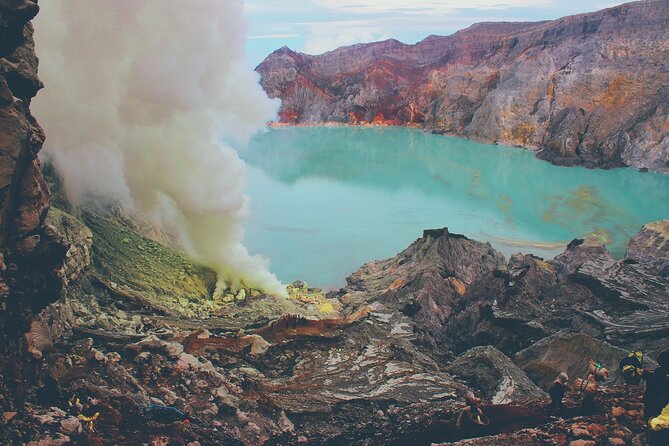
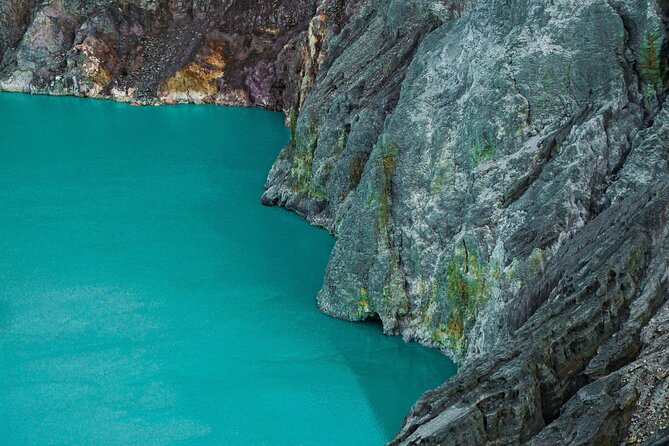
Once you’re done eating, you head back down with guided support and later get photo opportunities from the crater viewpoint. Java’s Ijen Crater is described as containing a large acid lake, and that crater setting is part of the drama of the whole experience. Even when blue flames are subtle, the crater views are still a big reason people come.
A common mistake is expecting the summit window to feel calm. It does not. It is dark, your body is tired, and you are watching for something that might shift with the air. Staying focused and following the safety rules will make the experience feel smoother.
After the summit stop and breakfast, you descend. The descent is described in the general experience context as challenging, with difficult conditions for feet and breathing. This is where trekking shoes matter, and where gloves can help more than you think, especially if the ground is uneven.
The tour also comes with clear crater rules. You are limited to a maximum of 500 meters from the crater. Throwing away rubbish or seeds is forbidden. There are also restrictions like forbidding cigarette throwing and doing fireplace activities. In practice, that means you should treat this as a controlled environment, not a free-for-all viewpoint.
So, what should you do to make the descent easier?
- Use trekking-friendly shoes with grip.
- Keep your pace steady, especially if you feel shaky late in the day.
- Don’t take risks for photos. The guide’s allowed areas are there for a reason.
If you are thinking about what to bring, consider that you may be issued a gas mask, but the rules still emphasize mask and jacket and gloves. Bring your own warm layer even if you think you are tough. Cold plus exhaustion is where people start rushing.
This is an overnight tour that runs about 23 hours total. You start in Bali around 5 pm, reach the trek area late at night, and then spend predawn hours on the crater activity and views, before returning by ferry.
Meals included:
- Light breakfast on the mountain
- Lunch at a local restaurant on the way back, described as Balinese food
Meals not included:
- Dinner
- Drinks
That missing dinner is important. You will be traveling and hiking through evening and early morning, so plan your timing back in Bali accordingly. If you are hungry later, you’ll need to handle it yourself after the tour finishes.
Also note the tour ends with a late morning ferry back to Bali from Banyuwangi Harbor, then a restaurant lunch before drop-off. That means you might still be quite tired in the afternoon, especially after the descent.
Comfort isn’t just clothing. It is also hydration and pacing. The tour does not include drinks, so you may want to decide how you’ll handle hydration on your own, within what makes sense for the rules and your stomach.
At $153.85 per person, this tour sits in a price band that makes sense for a true overnight, cross-island operation. It is not just a “hike ticket.” You are paying for several expensive components: ferry travel from Bali, a long drive in East Java, guide labor for the summit phase, safety gear like a flashlight and gas mask, and pickup and drop-off from South Bali hotels.
The value comes from the combination:
- Ferry and transfers that would be annoying to arrange yourself.
- A local guide specifically for the blue-fire trek portion.
- Limited group size up to 10, which helps with pacing.
- Meals included (light breakfast and lunch), which keeps you from spending time hunting food.
The main cost-to-you risk is effort. If you are not physically ready, the price will feel like a bad trade. If you do have the stamina, the cost feels more justified because you get the full predawn plan plus crater viewing time.
Also, blue fire is weather-dependent. That is not the tour’s fault, but it’s still part of the value calculation. You are booking for the chance to see a rare phenomenon, not a guaranteed outcome.
This tour is guided, with a local guide during the Mount Ijen blue fire trekking. From the experience reviews pattern, the staff attention to safety shows up in the way they advise you and watch the group during the climb and crater phase.
Guide quality can vary by group, and one experience described a guide as more average while others described staff as accommodating and friendly. That means you should treat your comfort as partly dependent on your own readiness and partly dependent on how your specific guide runs the pace and briefings.
The driver is described as courteous in at least one review. The tour also combines a driver as cum guide on the transfer day in Bali to Banyuwangi. That helps because you are less likely to feel lost during the long travel stretch.
If you want to maximize what you get from this tour, do two things:
- Ask basic questions during the briefing about pace, timing, and where you are allowed to stand.
- Don’t ignore safety instructions, especially around the crater area distance limit.
This is best for:
- Adults age 16 and up
- People with strong stamina who can handle overnight travel and uphill hiking
- Anyone who wants more than a viewpoint, including hands-on context from sulfur miners
- Photographers who can work in the dark and follow rules for allowed areas
This is a poor fit for:
- People with heart complaints or asthma or other serious medical issues
- Children 15 and under
- Older people who may struggle with a challenging ascent and descent
- Anyone who cannot commit to physical effort even if the distance sounds short
There is also a note to bring a health certificate from a doctor, valid up to 3 days for the Ijen tour. The tour states you may be brought to a nearby doctor if you do not have it. Even if you do not end up using that, it is a reminder that the trek takes safety seriously.
If you are on the fence because you are tired easily, consider doing shorter activities around Bali first. This one asks a lot of your body, and it pays off only if you can enjoy it without suffering.
More overnight starts for the Ijen crater rim
Should you book this Mt Ijen tour from Bali?
Book it if you are the type of traveler who likes hard, specific experiences: leaving at 5 pm, hiking through the dark, and chasing a weather-driven phenomenon with a small group. The included safety gear, guided summit portion, and the chance to see the miners’ work make it more than a checklist tour.
Skip it or look for a lighter alternative if you dislike overnight starts, have any health concerns, or you know you struggle with steep climbs and early mornings. Blue flames are worth chasing, but your body is the ticket, and the volcano will not slow down for anyone.
If you do book, plan for cold, pack gloves and a warm layer, and treat the crater rules as non-negotiable. You’ll get better photos, a calmer summit moment, and a descent that feels under control rather than a fight.
FAQ
What time does the Mt Ijen tour start from Bali?
The tour start time is listed as 5:00 pm, with pickup late afternoon from selected hotels in South Bali. Your exact pickup time is shared after reconfirmation.
How long is the tour?
The duration is approximately 23 hours, from pickup in Bali through ferry travel, the predawn trek, and return to Bali with drop-off.
More walking routes, short and long
- Mount Batur Sunrise Trekking Private Tour with Breakfast and Hotel Transfer★ 5.0 · 885 reviews
- Private Tour Mount Batur Sunrise Trekking and Natural Hot Spring★ 5.0 · 431 reviews
- Mount Batur Sunrise Trekking Open Trip All-Inclusive★ 4.5 · 63 reviews
- Mount Batur Volcano – Sunrise Trekking with White Water Rafting★ 5.0 · 52 reviews
- Bali : Mount Batur Sunrise Trek With All Inclusive★ 5.0 · 29 reviews
How many people are on this Mt Ijen tour?
It is limited to a maximum of 10 travelers, which is meant to keep the experience more manageable and personal.
What meals are included, and is dinner provided?
The tour includes a light breakfast and a lunch (Balinese food). Dinner and drinks are not included.
Do you get safety gear for the Ijen trek?
Yes. You receive equipment including a flashlight and a gas mask for the trekking portion.
Is the blue fire on Mt Ijen guaranteed?
No. The tour notes that the blue fire depends on weather and conditions, though the schedule is set to reach the summit before dawn.
Walking Routes Worth the Early Start
Ijen and the Blue Fire
Fresh Kuta write-ups from the review desk
Ijen Crater Blue Fire Hikes, compared.
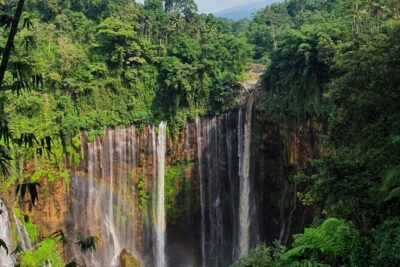 ★ 5.03Days – Tumpaksewu Bromo Ijen Adventure via Malang or SurabayaFrom $282405 reviews
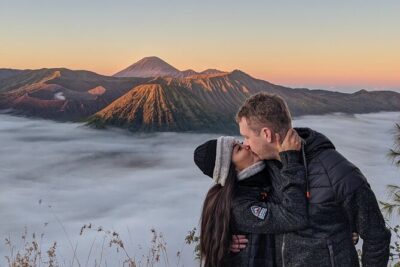 ★ 5.0From Surabaya / Malang : Mt Bromo Sunrise – Ijen Blue Fire 3D2NFrom $387351 reviews
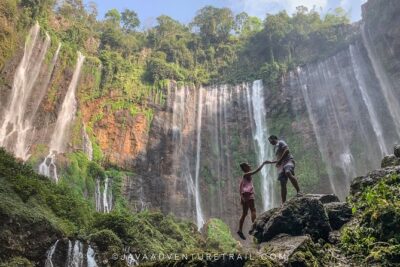 ★ 5.0Surabaya – Mount Bromo – Tumpak Sewu Waterfall – Ijen Bluefire Tour – Bali 4d3nFrom $500350 reviews
 ★ 5.0From Surabaya / Malang : Mt Bromo Sunrise – Ijen Blue Fire 2D1NFrom $333330 reviews
 ★ 5.0Active Volcanoes Bromo and Ijen – Start Surabaya 3 Days and 2 NightsFrom $325292 reviews
 ★ 5.04D3N Bromo Ijen Tumpak Sewu Waterfall Tour from Surabaya/MalangFrom $527202 reviews
 ★ 5.02Days – Bromo Sunrise Ijen Adventure via MalangFrom $199152 reviews
 ★ 5.0From Bali : Bromo & Kawah Ijen – 3-Day AdventureFrom $348147 reviews
Browse the lists this tour appears in