
REVIEW · UBUD HIGHLIGHTS DAY TOURS
Private Tour: Ubud Day Tour with Traditional Offering Lesson
A private day in Ubud can feel instantly meaningful. This one pairs classic highlights like the Sacred Monkey Forest Sanctuary and Tegalalang rice terraces with a hands-on traditional offering lesson in a local home, so you see Ubud beyond temples on a map.
What I like most is the personal angle. The ceremony time is not just a quick photo stop, it’s time with a family, and your guide, Dewa, brings calm, clear English and a friendly way of explaining what you are seeing. The second big win is the variety in one long day: wildlife, farming, craft shopping, temples, and then the luwak coffee story.
One consideration: it is a full day, about 10 hours starting around 8:00 am. If you get heat tired easily, you will want to pace yourself at the rice fields and bring a plan for sun and hydration.
In This Review
- Key Points You Should Know Before You Go
- A Local Offering Lesson at Home Beats Temple-Only Tourism
- Sacred Monkey Forest Sanctuary: Wildlife and a Temple Sanctuary
- Tegalalang Rice Terrace: Farming Views With a Short Walking Window
- Ubud Traditional Art Market: Craft Shopping and Real Bargaining Energy
- Temples and Culture Stops: What You Gain When It’s Not Just Quick Photos
- Coffee Plantation and Luwak: Seeing How the Process Works
- Lunch in Rice-Field Surroundings: Fuel for a 10-Hour Day
- Price and What You Get for About $61.54
- Timing, Pickup, and How to Prep for Heat and Crowds
- Who This Tour Fits Best in Ubud
- Should You Book This Ubud Offering Lesson Tour?
- FAQ
- What time does the tour start?
- How long is the Ubud day tour?
- Is hotel pickup and drop-off included?
- What meals are included?
- Are admission tickets included for the main sights?
- Is alcohol included?
- Is there a minimum number of people per booking?
- What is the cancellation window?
Key Points You Should Know Before You Go

- A real home-based offering lesson where you learn the steps, not just observe them
- Dewa as a guide with strong English and a personal, respectful approach
- Monkey Forest timing matters because the paths and temple areas can get busy
- Rice terrace walking is short but scenic with lots to look at in a limited time
- Art market shopping is built in, so budget a bit for handmade gifts
- Lunch and water are included, which makes the long day feel more doable
More full days built around Ubud, compared
A Local Offering Lesson at Home Beats Temple-Only Tourism
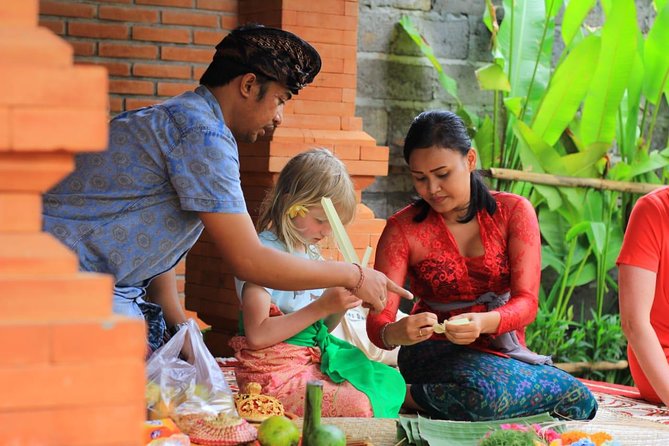
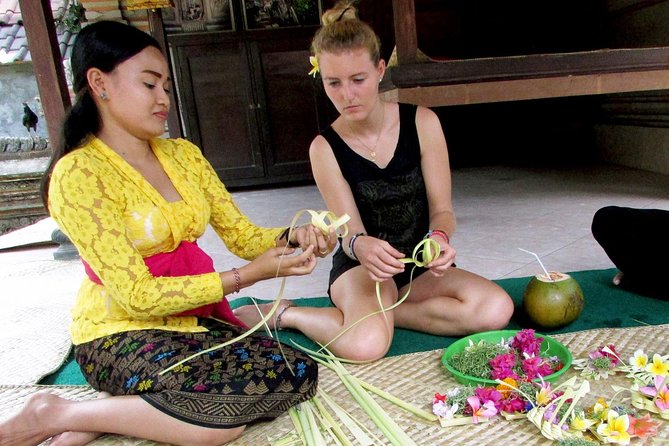
The star of this day is the traditional offering lesson you experience in a local home. In Bali, offerings are part of everyday life, not only special event stuff. So when you sit down with a family and learn how offerings are made, you get a more human view of religion and community, not just a checklist of places to visit.
What makes it feel special is the access. This tour is set up for a private, family connection, which is why even small details stick with me. In one experience I heard about, the guide, Dewa, brought visitors to his own home, and the warmth was obvious, including time spent meeting his mother and seeing his family in real life. That kind of access changes the tone of the day, from tourist mode to respectful guest mode.
You should treat the lesson like a cultural moment, not a craft workshop. Dress in a way that feels modest for temple areas, and keep your attitude calm and curious. If you are not sure how to behave, watch first, then ask your guide to guide you. Dewa’s English makes that easier because you are not stuck guessing.
A practical tip: keep your hands free for making or handling things during the lesson. If you tend to carry a camera strap across your chest, you may want to adjust it so you can work comfortably.
Sacred Monkey Forest Sanctuary: Wildlife and a Temple Sanctuary
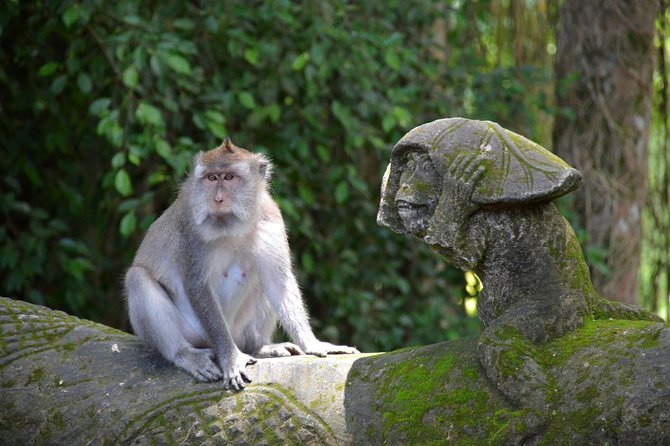
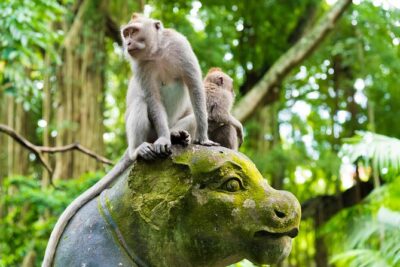
Starting the day at the Sacred Monkey Forest Sanctuary gives you an immediate Ubud feel. You walk in a tropical green forest near the center of town, and you will see more than 600 long-tailed macaques. That number matters because it means you are not taking in one or two monkeys from a distance. You are sharing space with active wildlife.
You also get a sacred temple sanctuary guarded by the monkeys. This mix is the reason the forest is more than a zoo-style stop. You get pathways through greenery, glimpses of temple spaces, and the feeling that the wildlife is part of the local sacred landscape.
The good and the caution:
- The good: you can spend a full hour simply moving through the forest, watching behavior, and spotting temple details without rushing.
- The caution: monkeys are monkeys. You will want to keep your belongings secure, avoid sudden movements near them, and keep snacks or food tucked away until you are ready to eat.
If you hate crowds, consider that this stop can attract people because it is famous. The workaround is simple: focus on walking slowly and looking up and around, not only for the biggest monkey sightings. You will find the forest more interesting when you notice the smaller moments too.
Tegalalang Rice Terrace: Farming Views With a Short Walking Window
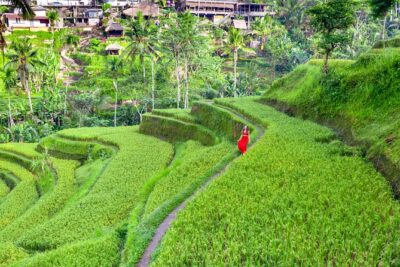
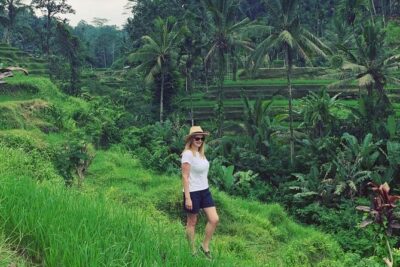
Then comes the Tegalalang rice terrace area, where you get about 45 minutes to walk among the rice fields. This is a shorter stop than many people expect, but it works. You get enough time to take in the view, notice how terraces step downhill, and follow the way locals cultivate land for food.
What I like about this stop is the framing. You are not just getting a postcard view, you are learning the basics of traditional cultivation. Even if you have never studied rice farming, you can still appreciate what terraces do: they help manage water and create workable growing areas in hilly terrain.
A realistic drawback: 45 minutes can be just enough to feel good, and not enough to feel unhurried if the paths are crowded or if you stop for photos every ten steps. If that sounds like you, pick a viewpoint you really want and let the rest be bonus.
Practical advice for the rice terrace:
- Wear shoes with grip. Paths can be uneven.
- Bring sunscreen or a hat. This portion of the day is exposed.
- Plan to keep your bag tight. Dust and heat are not fun, even if the scenery is.
Ubud Traditional Art Market: Craft Shopping and Real Bargaining Energy
The Ubud Traditional Art Market stop gives you about an hour to browse handmade crafts. Admission is free, which is a nice cost saver, and it means your time here is all about what you choose to buy.
This is also where you should expect bargaining. The market experience is meant for that. The upside is that you can often find good-value souvenirs directly from local sellers. The downside is that bargaining can feel awkward if you hate negotiation.
My practical suggestion is to go in with a target in mind. Decide what you want before you start browsing, then compare a few stalls. When you see a piece you like, ask your guide for a simple price range to help you start the conversation. Dewa, or whoever your guide is, can help smooth the interaction so you do not end up negotiating blindly.
Also, keep your shopping organized. It is easy to accumulate items in an hour, then struggle later with heat and carrying. Bring a small bag you can seal, and avoid buying heavy items unless you know how you will transport them.
- Uluwatu Sunset, Kecak Dance, and Dinner Jimbaran Beach★ 5.0 · 3,681 reviews
- Tanah Lot and North Bali Tour: Scenic Journey★ 5.0 · 3,620 reviews
- Body Massage Experience in Ubud Traditional Spa★ 5.0 · 3,506 reviews
- Best of Bali Waterfalls: Tibumana, Tukad Cepung and Tegenungan★ 5.0 · 3,047 reviews
- Bali: Ubud Kecak and Fire Dance Show Tickets★ 4.4 · 2,631 reviews
Temples and Culture Stops: What You Gain When It’s Not Just Quick Photos
Beyond monkeys and rice terraces, the day includes temples and sacred areas, with time to walk and observe. The tour is built so you are not only driving from one main spot to the next. You get meaningful walking time that helps the day feel connected instead of rushed.
Temples in Bali are not just architecture. They are active places, part of daily life and local rhythm. When your guide helps explain what you are looking at, you start recognizing patterns, like how different spaces are set up for worship and how offerings tie into ceremonies.
A note on expectations: you might want to slow down at each temple stop so you do not feel like you are speed-watching. If your group includes family members, the tour structure still works because it balances walking with short intervals.
And because this is a private tour, the pace can usually be handled better than group bus hopping. If someone needs a restroom stop or a break from the sun, you can ask your guide for a brief pause.
Coffee Plantation and Luwak: Seeing How the Process Works
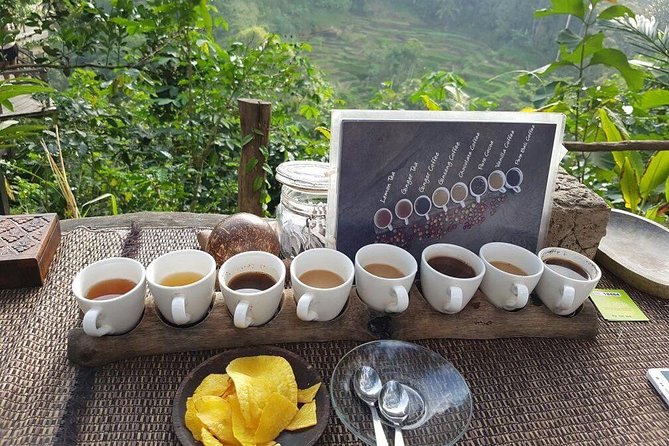
Next comes the coffee plantation and the luwak coffee story. This part of the day centers on how locals work with the elusive luwak to create what is described as some of the world’s most expensive coffee.
Even if you are not a coffee expert, you will likely come away with two things:
- You see a traditional or local production chain, not just a tasting menu.
- You understand why the coffee is talked about so much in Bali and beyond.
This stop also adds variety after temples and wildlife. It gives you something hands-on to think about, plus it tends to create good conversation during downtime on the drive.
What to be careful about: tasting and pricing can vary depending on the plantation, and the tour data here does not say tasting is included. If you are trying to keep costs predictable, ask your guide what is included versus what is extra at the site.
Lunch in Rice-Field Surroundings: Fuel for a 10-Hour Day
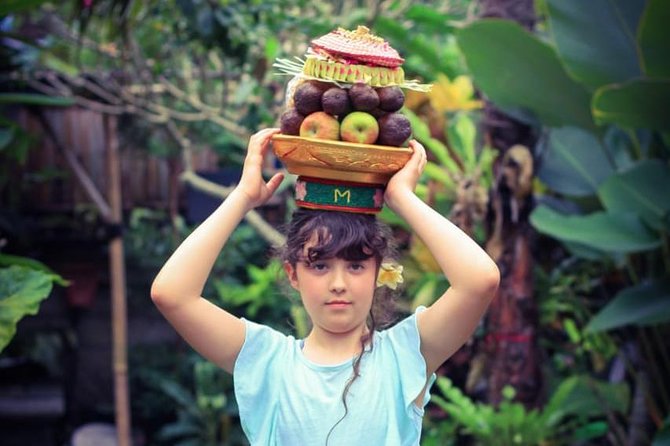
Lunch is included, and it is served alongside lush rice fields. That matters because long days in Ubud can get tiring. When you are actually fed during the middle of the day, you stay in a better mood for the remaining stops.
The food is described as classic Balinese dishes. That is a good sign because it suggests you are not just getting a safe international plate. You get flavors tied to the region, and your guide will help you make sense of what you are eating as the day’s cultural theme continues.
Dietary note: the tour data only confirms lunch is included, not specific meal options. If you have dietary restrictions, you should confirm details with the provider before you go, especially for vegetarian, halal, or allergy needs.
After lunch, you will still have enough time left to keep enjoying the day, as the schedule is paced across the afternoon rather than stacking everything right after morning activities.
Price and What You Get for About $61.54
At $61.54 per person, this tour can feel like solid value when you look at what is actually included. You are getting a private guide, hotel pickup and drop-off, lunch, bottled water, and entry tickets for key stops.
Here is the value breakdown based on what this day includes:
- Entrance ticket included for the Sacred Monkey Forest Sanctuary (about 1 hour)
- Entrance ticket included for the Tegalalang Rice Terrace (about 45 minutes)
- Ubud Traditional Art Market time included, and admission is free
- Lunch included, plus bottled water
- Private tour format with a maximum of 15 travelers on the activity level, which helps keep it from turning into chaos
- Group discounts available, which can lower your effective cost if you travel with others
The big reason the price works is that you are not paying separately for everything, and the day is structured so each paid component supports the story of Balinese culture. You are not just buying transport and admission. You are buying time with a guide plus the home offering lesson, which is the most meaningful part of the day.
Drawback on value: if you only want one or two highlights, you might find the full day pricier than necessary. But if you want multiple classic Ubud stops in one organized day, the bundled format makes it easier.
Timing, Pickup, and How to Prep for Heat and Crowds
The tour starts at 8:00 am and runs about 10 hours. Hotel pickup and drop-off are included, which saves you from the hassle of arranging transport for each stop. It also helps if you want a smooth first day in Ubud when you are still getting your bearings.
You should plan like this is an all-day walking and driving route:
- Morning tends to be lively around the monkey forest.
- Midday is when you eat, then you head back out.
- Rice terrace time can bring sun and uneven footing.
- The rest of the day includes more walking at cultural sites and marketplaces.
Bring practical items:
- Sunscreen, hat, and light layers.
- Comfortable shoes with grip.
- A small crossbody or zip bag to keep things secure near monkeys.
- Cash for crafts, since shopping is a built-in stop.
Because bottled water is included, you are not starting empty, but I still recommend having a backup plan for extra water if you run warm. The day is long enough that you will thank yourself later.
Who This Tour Fits Best in Ubud
This is the kind of tour that works well for families because it is a mix of animals, gardens, temples, and a hands-on lesson that is easier to enjoy than pure museum time. It is also a strong pick for culture-minded travelers who want more than scenic stops.
It is especially good if you like:
- Guided context, not just directions
- A private, personal pace
- Learning one specific cultural skill, like making a ceremonial offering
If you are the type who gets bored with craft markets or hates any wildlife interaction, you might find parts of the day less appealing. In that case, you could consider a different Ubud focus. But for most people, the variety is exactly the point.
Should You Book This Ubud Offering Lesson Tour?
I think you should book if you want one organized full day that ties together traditional Balinese practice with Ubud’s most famous sights. The home offering lesson is the main reason. It is not only a story about temples, it is a chance to learn how offerings fit into real household life.
I would not book if you have limited time and only want a single viewpoint or a single activity type. This is a 10-hour plan, so it rewards people who like a complete day rather than a short highlight sprint.
One more decision tip: if you value great guiding, this tour is promising. The experience connected to Dewa highlights strong English and the kind of personal warmth that makes a cultural day feel respectful, not staged.
If that sounds like your style, this tour is a practical way to see Ubud while also learning something you can carry home in your head, not just in your photos.
FAQ
What time does the tour start?
The start time is 8:00 am.
How long is the Ubud day tour?
It runs for approximately 10 hours.
Is hotel pickup and drop-off included?
Yes. Hotel pickup and drop-off are included.
What meals are included?
Lunch is included, and bottled water is provided.
Are admission tickets included for the main sights?
Yes. Admission tickets are included for the Sacred Monkey Forest Sanctuary and the Tegalalang Rice Terrace. The Ubud Traditional Art Market has admission listed as free.
Is alcohol included?
No. Alcoholic drinks are not included.
Is there a minimum number of people per booking?
Yes. A minimum of 2 people per booking is required.
What is the cancellation window?
You can cancel for a full refund up to 24 hours in advance of the experience start time.
Ubud in a Day, Three More Versions
Fresh Ubud write-ups from the review desk




Ubud Highlights Day Tours, compared.
 ★ 5.0All-Inclusive Ubud Private TourFrom $10014,344 reviews
 ★ 5.0Best of Ubud Full-Day Tour with Jungle SwingFrom $568,571 reviews
 ★ 5.0Best of Ubud Attractions: Private All-Inclusive TourFrom $571,150 reviews
 ★ 5.0Discover The Best of Ubud: All-Inclusive and Private Guided TourFrom $30909 reviews
 ★ 5.0Ubud Tour with Monkey Forest Waterfalls Temples and MoreFrom $30495 reviews
 ★ 5.0Ubud Tour – Ubud Highlight – Private Tour All inclusiveFrom $59399 reviews
 ★ 5.0Private Tour: Ubud HighlightsFrom $56368 reviews
 ★ 5.0Ubud Tour – Balinese Healing By Shaman And Self PurificationFrom $74236 reviews
Browse the lists this tour appears in