REVIEW · INDONESIA
Transforming Plastic Waste A Hands On Recycling Experience
Plastic gets a second life here. This Ubud hands-on recycling workshop swaps sightseeing for a working studio, where you sort plastic bottle caps, make your own recycled artwork, and watch machines turn waste into useful products, including a CNC machine demo. I love how practical it feels, not like a lecture. I also love the creativity piece, where your own design turns into a real souvenir. One thing to consider, it is short and very focused on plastic, so if you came for classic Bali views and temples, this may feel like a different kind of day.
You’ll spend about 1 hour 30 minutes inside r•Plastic’s studio. The group is capped at 20, which matters, because you actually get time to ask questions and do the activities instead of standing on the edge. This is a mobile-ticket experience, so you’ll show up and get started without much fuss.
Plan around the basics: there is no lunch. You can top up your water bottle for free, but they do not provide single-use bottled water. Finally, the experience needs good weather, so if conditions are bad, you may be offered a different date or a full refund.
In This Review
- Key things I’d watch for before you go
- Why this Ubud recycling studio feels different than typical Bali tours
- Meet Martijn Huizing, and get the real Bali plastic picture
- Sorting bottle caps by color and type: where learning becomes hands-on
- Creating your own recycled artwork (and why this part matters)
- Studio tour and machine demos: seeing how self-built recycling works
- The CNC machine demo turns plastic into products you can picture
- What you take home: a handmade keychain from Bali’s recycled plastic
- Price and timing: how $15.06 stacks up for what you get
- Getting there from Ubud, and what to expect on arrival
- Who should book r•Plastic in Ubud (and who might not love it)
- Should you book this recycling workshop in Ubud? My call
- FAQ
- How long is the r•Plastic experience?
- Where is the meeting point in Bali?
- What is included in the ticket price?
- Is lunch included?
- Do I need a specific skill or can most people participate?
- What should I expect to do during the workshop?
- How big are the groups?
- What happens if weather is bad?
- What is the cancellation rule?
Key things I’d watch for before you go
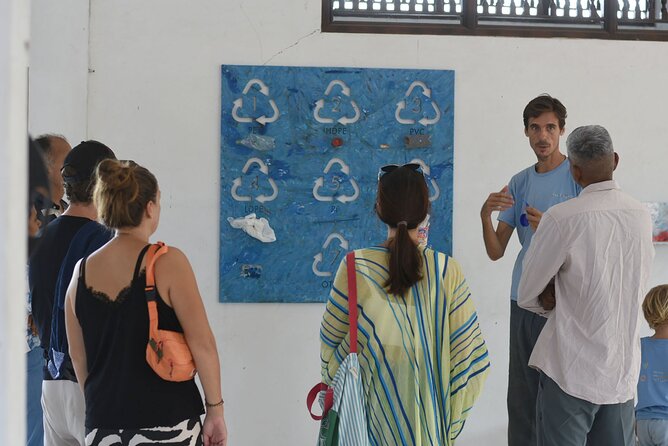
- Cap sorting by color and type, so you see why recycling starts with separation, not wishful thinking
- A real studio tour with machine demos, including self-built equipment you can actually see working
- Learning plastic types, including a seven-type sorting lesson, presented in a way even school groups can handle
- The CNC demo, where plastic gets cut into products like surfboard racks and furniture
- Hands-on recycled art, with a chance to shape the result through your own design
- A take-home handmade keychain, made from Bali’s recycled plastic
Not decided yet? These Ubud trips held up when we went through them.




Why this Ubud recycling studio feels different than typical Bali tours
Most Bali activities are built around looking. This one is built around doing. You step into a working recycling studio, not a showroom, and you see how plastic becomes raw material, then becomes something with a purpose. The vibe is part workshop, part classroom, and part creative lab.
What makes it compelling is how quickly you connect the dots. You start with bottle caps, then you learn why sorting matters. You move from “plastic problem” into “plastic process.” After that, you watch the machinery, including CNC cutting, and you get the satisfying moment where the theory turns into a tangible output.
This is also a value-heavy kind of tour. For $15.06 per person, you get a guided experience, free water top-ups, hands-on activities, and a take-home item made from recycled plastic. Even if you do not buy anything else during your trip, you’ll still leave with a souvenir that comes from the actual session.
Meet Martijn Huizing, and get the real Bali plastic picture
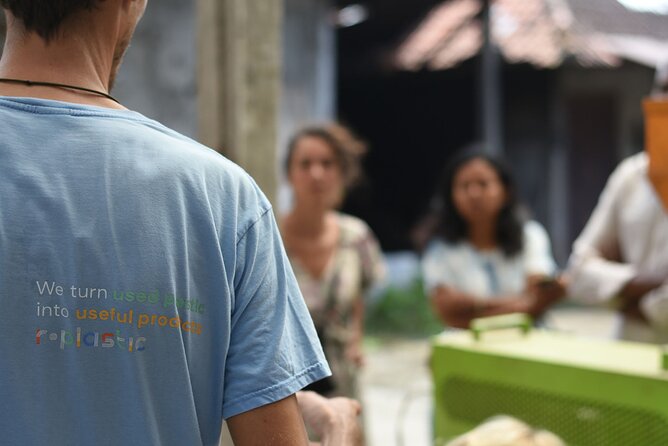
The session begins with an introduction from Martijn Huizing and his team. Expect a clear explanation of Bali’s plastic challenges and why recycling is harder than it sounds. You’ll hear it framed through product design and sustainability, which is useful because it focuses on what can realistically be changed.
You also get context for the difference between collecting trash and making recycling work. In many places, plastic ends up trapped in layers of sorting rules, shipping costs, and material mix problems. Here, the message is that recycling is not one magic step. It is a chain, starting with correct sorting and continuing through the right processing.
I like that the teaching style stays practical. People in the group are different ages and skill levels, and the workshop still works. There’s a reason school groups like Green School Bali use it: it is structured enough for kids, but technical enough for adults who want specifics.
Sorting bottle caps by color and type: where learning becomes hands-on
The most active part starts early. You’ll sort bottle caps by color and type, which sounds simple until you see how much variety exists in plastic waste. This part is not just busy work. It’s the foundation for why recycling can succeed or fail.
One detail I find especially smart is that you get guidance on plastic types, including a seven-type sorting lesson used with younger groups. That approach turns confusion into a system. Instead of “all plastic is the same,” you learn that plastic categories behave differently, and mixing them can ruin the outcome.
If you like hands-on tasks, this is where you’ll feel most connected. You’re not just listening while someone else does the work. You’re handling the materials, making decisions, and seeing the effect of those decisions on what comes next.
Creating your own recycled artwork (and why this part matters)
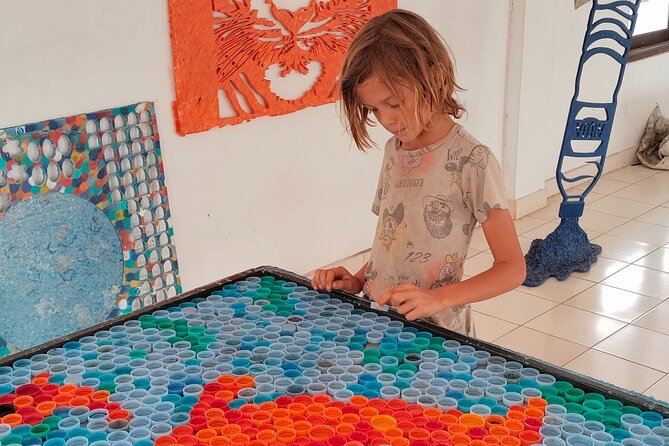
After sorting, the workshop shifts into making. You’ll create your own artwork using recycled plastic. The goal is creative, but it also teaches a quiet lesson: recycled plastic does not have to look like trash. With the right process, it can become a designed object.
In the classroom side of the session, you’ll hear about the complexity of plastics and why the recycling path matters for both the environment and the materials economy. Then the studio side shows you the payoff. Your hands get used, and the result is something you can see and keep.
If you’re the type who likes to understand the story, this portion delivers. You watch how raw waste becomes an element of design, not just a byproduct. And if your group is creative-minded, this is the moment that makes the tour feel personal rather than procedural.
- All-Inclusive Ubud Private Tour★ 5.0 · 14,344 reviews
- Best of Ubud Full-Day Tour with Jungle Swing★ 5.0 · 8,571 reviews
- Ubud: Monkey Forest, Jungle Swing, Rice Terrace, and Water Temple★ 5.0 · 7,160 reviews
- Bali: Ubud Palace Legong Dance Show Ticket★ 4.4 · 3,979 reviews
- Uluwatu Sunset, Kecak Dance, and Dinner Jimbaran Beach★ 5.0 · 3,681 reviews
Studio tour and machine demos: seeing how self-built recycling works
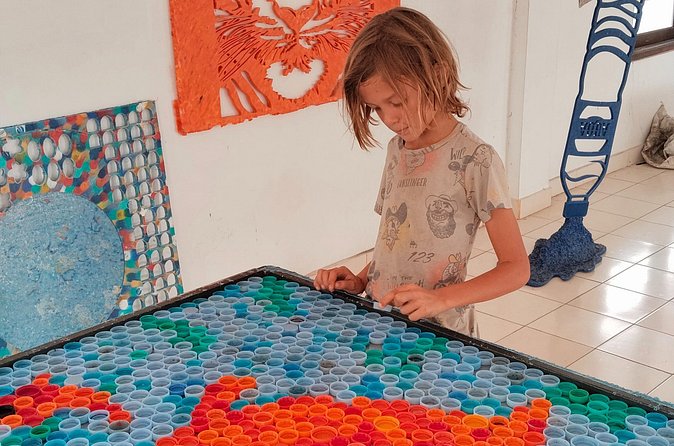
Next comes the studio tour and machine demos. This is where the workshop stops being just educational and starts feeling like behind-the-scenes engineering. You’ll see how the studio processes plastic waste using self-built machines, and you’ll watch the transformation steps in action.
The machines are not presented as mysterious black boxes. The team explains what each one does and how it connects to the next step. That makes the experience easier to carry home. When you later hear someone say recycling is too complicated, you can answer with specifics from what you saw.
From a visitor perspective, this is also a great break from active tasks. Sorting and art-making require your focus. The demos let you reset, look closely, and ask questions while still feeling part of the process.
The CNC machine demo turns plastic into products you can picture
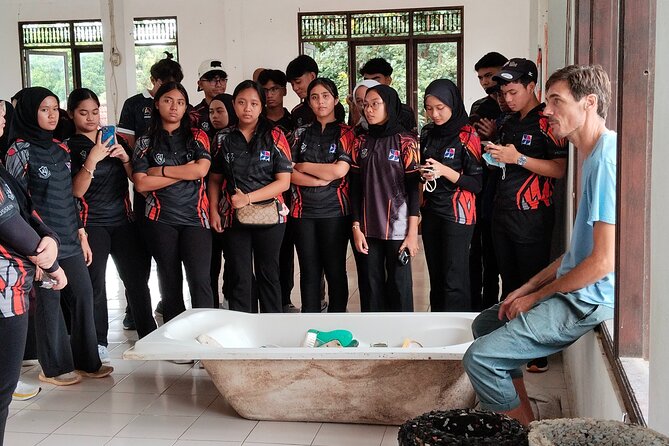
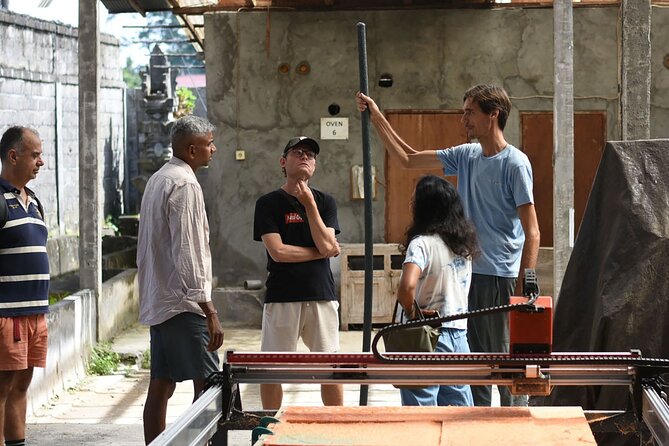
The highlight for many people is the CNC machine demo. Here you watch plastic get cut into real products, such as surfboard racks and furniture. It’s one of those moments that makes the entire workshop click: not only can plastic be processed, it can be processed into items with everyday use.
This part helps you understand what makes certain materials valuable. CNC cutting requires consistency and the right inputs. That loops you right back to the earlier sorting lesson. The tour’s structure is smart because everything points backward to what you did first.
If you’re a detail person, you’ll probably enjoy watching the workflow and listening to the explanation. The team’s enthusiasm comes through, and you get a sense that they built this system to solve problems they saw up close.
What you take home: a handmade keychain from Bali’s recycled plastic
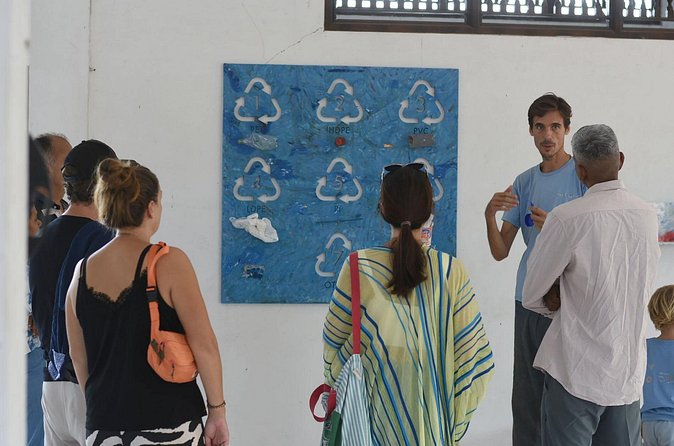
Your souvenir is a handmade keychain made from Bali’s recycled plastic. This is not a mass-produced token that feels disconnected from the workshop. You’re taking something made in the same ecosystem you learned in, with materials that came from the plastic sorting process you participated in.
It’s a small item, but it’s a meaningful one. It turns the tour into a reminder you’ll actually see in daily life, like when you grab your keys at home and remember the steps you saw in the studio.
If you’re choosing between experiences that only provide photos, this one wins on practicality. The keychain gives you proof of participation, not just an Instagram moment.
Price and timing: how $15.06 stacks up for what you get
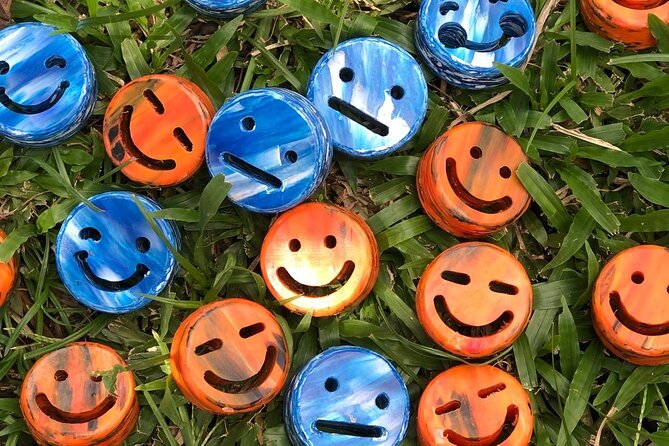
At $15.06 per person for about 1 hour 30 minutes, the value comes from multiple parts that usually cost extra elsewhere: guidance, hands-on activities, machine demos, free water top-ups, and a take-home item.
You should also consider what you’re paying for. This is not a full-day Bali tour with transport time, multiple stops, and a meal included. It’s concentrated. You’re paying for an experience that gives you a real process inside a working recycling studio.
That makes it a good option if you want to add something meaningful to a busy Ubud schedule. It also works well as a side activity if you like science, sustainability, or hands-on making. And because the group is capped at 20, you’re not likely to feel like a number.
Getting there from Ubud, and what to expect on arrival
The meeting point is in Kemenuh, near Sukawati, Gianyar: F73J+CFR, Jl. Ir. Sutami, Kemenuh, Kec. Sukawati, Kabupaten Gianyar, Bali 80582, Indonesia. The activity ends back at the meeting point.
Parking is available, which is handy if you’re driving or using a local car. The tour uses a mobile ticket, so plan on having it ready on your phone.
Inside, expect a working studio environment. The activities are hands-on, centered on sorting caps and making recycled plastic art. Since there is no lunch, schedule it earlier in the day if you like to eat after. And because the experience requires good weather, build in flexibility if your Bali itinerary is packed.
Who should book r•Plastic in Ubud (and who might not love it)
Book it if you want a creative, practical sustainability experience. It fits well for families with kids who enjoy making things and sorting materials, and it also fits solo travelers who want a deeper, behind-the-scenes look at how recycling can work at a smaller scale. The fact that school groups take part is a strong sign the workshop can match different energy levels.
You might reconsider if you came mainly for Bali’s classic scenic spots and culture stops. This is a plastic-focused session, and the best payoff comes from paying attention to the process, not just watching the machines.
Also keep in mind the session is short. If you love long, slow tours with lots of downtime and wandering, this will feel concentrated. The tradeoff is that you leave with a souvenir and real understanding in a compact time window.
Should you book this recycling workshop in Ubud? My call
Yes, I’d book it if you want something real and hands-on, not just another checklist activity. The price is reasonable for what you do and what you take home, and the structure makes it easy to learn without feeling overwhelmed.
The biggest reason I think it’s worth it is that you see recycling as a system. You sort. You create. You watch machines. And then you go home with a keychain made from the materials you handled. That connection is the value.
Just go in with the right expectations: it’s a studio workshop, not a sightseeing day. If that matches your vibe, r•Plastic is exactly the kind of Bali stop that turns concern into action.
FAQ
How long is the r•Plastic experience?
It runs for about 1 hour 30 minutes.
Where is the meeting point in Bali?
The start and end point is F73J+CFR, Jl. Ir. Sutami, Kemenuh, Kec. Sukawati, Kabupaten Gianyar, Bali 80582, Indonesia.
What is included in the ticket price?
Bottled water is available only as a water bottle top-up, and bottled water is not provided in single-use form. Parking space is also available. You’ll also take home a handmade keychain made from Bali’s recycled plastic.
Is lunch included?
No. There is no lunch or other food provided, but you can top up your water bottle.
Do I need a specific skill or can most people participate?
Most travelers can participate, and the activities are designed to be accessible.
What should I expect to do during the workshop?
You’ll get an introduction to Bali’s plastic problem and recycling, tour the studio and see machine demos, sort plastic bottle caps by color and type, create recycled artwork, and watch a CNC machine demo. There’s also time for Q&A and taking home your keychain.
How big are the groups?
The experience has a maximum of 20 travelers.
What happens if weather is bad?
The experience requires good weather. If it’s canceled due to poor weather, you’ll be offered a different date or a full refund.
What is the cancellation rule?
You can cancel for a full refund up to 24 hours before the experience starts. If you cancel less than 24 hours before, the amount paid is not refunded.