
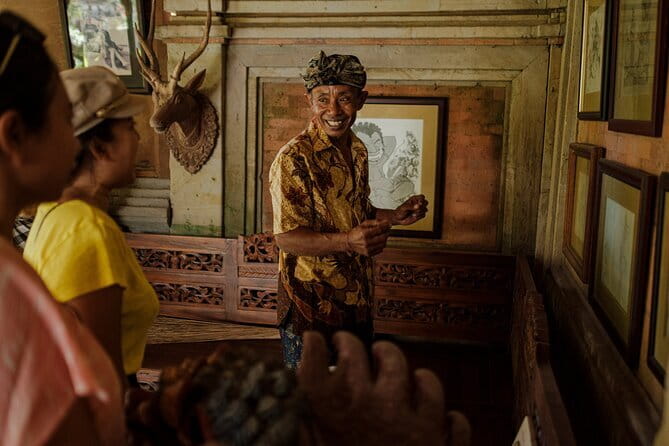
REVIEW · WALKING TOURS
Ubud Guided Walking Tour
Ubud feels like home when you know where to look. This 3-hour walking tour strings together temples, colonial-era history, and art in a way that makes the places click, not just pose for photos. I like how it includes site entry and guided context, so you spend your energy walking and listening instead of guessing. It does involve real walking around historic spots, with uneven stairs and steep bits that are not optional.
Two things I really like: the mix of spiritual, colonial, and royal stories, and the small group size that keeps the vibe private and personal. In the reviews, guides like Windari and Ira stand out for answering questions clearly and keeping the tone light, so the tour feels more like a smart chat with a local than a script.
One possible drawback to plan for: the route includes patchy sidewalks, steep gradients, and temple steps. If you cannot comfortably handle climbing and steady walking for up to 3 hours, you may want to skip this one or choose an easier option.
In This Review
- Quick Reasons This Walk Works in Ubud
- Gunung Lebah Temple: How One Stop Sets the Tone
- Campuhan Ridge Walk and the Dutch-Era Bridge Story
- Museum Puri Lukisan: Art That Explains Ubud’s Reputation
- Ubud Palace Courtyards: Royal Roles and Cremation Traditions
- Puri Kantor Access: A Prince of Ubud and Pitamaha Connections
- Price and Value: What You’re Actually Paying For
- Timing, Weather, and How to Dress for the Route
- Group Size and Guide Style: Why People Feel at Home
- Where You Start and End, and Why It Matters
- Who Should Book This Walking Tour?
- Should You Book Ubud Guided Walking Tour?
- FAQ
- How long is the Ubud guided walking tour?
- What is included in the tour price?
- Is the Museum Puri Lukisan ticket included?
- Do I need to pay for admissions at the stops?
- Where does the tour start and where does it end?
- Is pickup or drop-off included?
- Is the tour running in rain?
- Is the tour wheelchair or mobility accessible?
- What is the cancellation policy?
Quick Reasons This Walk Works in Ubud

- Small group cap (max 8) for a more personal pace and more Q&A
- Admission tickets built in for every listed stop, plus special access to a Balinese compound
- Oldest temple and oldest art museum stops that frame Ubud’s culture fast
- Dutch colonial threads through the Campuhan Ridge Walk story
- Royal palace access including Puri Kantor, linked to the Prince of Ubud
- Bring a reusable bottle since the tour is working to reduce single-use plastic
Not decided yet? These Ubud trips held up when we went through them.




Gunung Lebah Temple: How One Stop Sets the Tone

Most Ubud walks start with pretty scenery. This one starts with context. The tour begins at Cantina Rooftop Restaurant | UbudSayan, then you head to Gunung Lebah Temple, outside what’s described as Ubud’s oldest temple.
Here, the guide focuses on the arrival of Hinduism in Bali and then zooms in on what you can actually see: temple architecture and the way temples function for the surrounding community. That matters because later stops cover art and royalty, and those themes connect back to how Balinese life is organized around ceremony, place, and tradition.
Why this works for you: the tour is only about 3 hours. Starting with a clear cultural backbone helps everything else make sense. You’re not just collecting landmarks. You’re building a mental map.
A practical tip: wear shoes with grip. Even if you think you can handle stairs, temple stairs tend to be uneven and sometimes slippery when the weather turns. The tour runs rain or shine, so plan for wet steps.
Campuhan Ridge Walk and the Dutch-Era Bridge Story
After Gunung Lebah, the walk moves to Campuhan Ridge Walk and a modest bridge tied to the Dutch colonial era. This stop is short on paper, but the guide’s job here is to connect physical place with historical cause and effect.
You’ll hear about the Dutch East India Company and how Dutch influence shaped the wider story of Indonesia during colonization. The itinerary description cuts off in the middle, so you should treat this as a discussion thread rather than a full textbook lecture. Still, the core idea is solid: colonial power didn’t just change politics and trade, it changed what kinds of settlements and lifestyles took root, including in regions like Bali.
What I like about this part: it’s a history stop that still feels like a walk. You get movement, air, and views from the ridge path, while the guide gives you something to hold onto besides names and dates.
Possible drawback: ridge walks and stairs are both physical. The tour notes steep gradients and patchy sidewalks, so if you’re sensitive to that kind of footing, pace yourself here. Take the slow option early, not when you’re already tired.
Museum Puri Lukisan: Art That Explains Ubud’s Reputation
Then you hit Museum Puri Lukisan, described as Ubud’s oldest art museum. This is where the tour shifts from faith and politics to creativity, and it stays practical.
The big theme is the collaboration between 20th-century Balinese artists and Western artists. The guide explains how that cultural exchange helped set up Ubud’s later reputation as an arts center. It’s not just about appreciating paintings on walls. You learn why the museum and the artists mattered to how Ubud became known.
Why you’ll care: if you’ve ever wondered why so many people visit Ubud for art rather than just beaches, this museum stop gives you the why. The tour ties artistic collaboration to real outcomes: visibility, reputation, and a creative community.
Time reality check: this stop is about 45 minutes. That’s enough to get the storyline and see key works, but not enough to read everything in the museum slowly. If you’re the type who wants to linger for an hour-plus, use this as your “get the basics, then return later” stop.
Ubud Palace Courtyards: Royal Roles and Cremation Traditions

Ubud Palace is next, but the tour focuses on the outer courtyards rather than a deep, ticket-heavy wander. The guide explains the historical and modern roles of Balinese royalty and how palace architecture supports that role in daily life.
The other standout topic here is traditional cremation rituals. Even if you are not religious, this part helps you understand what ceremony means in Balinese culture. Cremation is not just a funeral moment. It’s part of how families and communities honor identity, status, and spiritual transitions.
Why this stop is valuable: you’re learning how culture works, not only what buildings look like. Courtyards are perfect for that, because they show the space for gathering, planning, and ceremony.
Watch your footing: courtyards and approach paths can still include uneven surfaces. Keep water handy and take breaks when needed. The tour includes walking time across an urban environment, not just smooth museum floors.
- Uluwatu Sunset, Kecak Dance, and Dinner Jimbaran Beach★ 5.0 · 3,681 reviews
- Tanah Lot and North Bali Tour: Scenic Journey★ 5.0 · 3,620 reviews
- Body Massage Experience in Ubud Traditional Spa★ 5.0 · 3,506 reviews
- Best of Bali Waterfalls: Tibumana, Tukad Cepung and Tegenungan★ 5.0 · 3,047 reviews
- Bali: Ubud Kecak and Fire Dance Show Tickets★ 4.4 · 2,631 reviews
Puri Kantor Access: A Prince of Ubud and Pitamaha Connections

The tour closes at Puri Kantor, with a special access moment described as an exclusive look at a Balinese compound belonging to Tjokorde Gede Raka Sukawati, identified here as the Prince of Ubud. The guide also links him to the Pitamaha Foundation.
That last connection is useful. It hints that Ubud’s story is not only history in the past tense. There are active cultural and community projects tied to the people who hold roles and responsibilities today.
What makes this ending strong: the earlier stops broaden your view. Ending with a direct connection to a living role in Ubud gives you a sense of continuity. You finish with the feeling that these sites are still part of how people organize life, not just preserved relics.
Logistics you should plan for: the tour ends at Puri Kantor on Jl. Suweta No.1 in Ubud. Since there is no pickup or drop-off, make sure your return plan matches the ending location, not just the start.
Price and Value: What You’re Actually Paying For
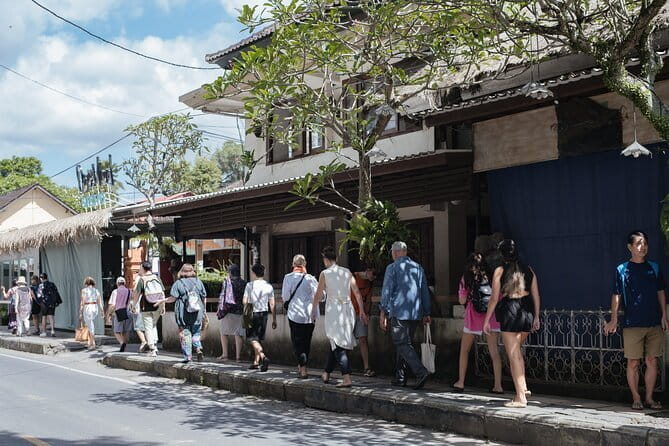
At $28.36 per person for about 3 hours, this tour sits in the “smart add-on” range for Ubud. But the real value is not just the price tag. It’s what’s bundled.
Included highlights:
- A local English-speaking guide (and an Indonesian guide available)
- Museum Puri Lukisan entrance ticket (listed as Rp 95,000)
- Admission tickets for the listed stops
- Special access to a Balinese compound
- Local discounts
On a short walk tour, admission costs are easy to overlook until you add them up. Here, you are buying the structure plus the entries. That means you can spend less time handling tickets and more time asking questions.
One more value point: the tour limits the group to a maximum of 8 travelers. A smaller group usually means a more workable pace on uneven ground and better chances your questions get answered.
Timing, Weather, and How to Dress for the Route

The tour runs about 3 hours, and it’s rain or shine. The provider notes they will call if conditions are severe, like an intense downpour. That’s the right approach for a walking tour. Bali weather can change fast, so you should assume you might get wet.
What to wear:
- Shoes built for uneven stone and possibly slick steps
- Light layers you can adjust quickly
- A small daypack if you like to keep your water and towel sorted
The environmental commitment is practical: bring a reusable bottle for water refills to help reduce plastic in Bali’s rivers. That’s one of those small habits that makes a day feel better, especially in places where water handling can be sensitive.
Health and comfort tip: even if you’re fit, temple staircases can be tiring because they often go up and up in short bursts. Plan to move slowly on the climbs so you don’t spend the last hour rushing.
Group Size and Guide Style: Why People Feel at Home

This tour has a strong reputation for guide delivery. The reviews you’re likely to see repeatedly point to guides making history feel human and answering questions with care.
Names that come up include Windari and Ira, with comments praising styles that are funny, captivating, and interactive. You also see an emphasis on the tour feeling private and personal, which fits the max-8 group size. When your group is small, you’re more likely to get a dialogue instead of a lecture.
What that means for you: if you like asking why something matters, or you want help connecting different parts of Bali culture, a small-group guide is a big advantage. If you prefer silent sightseeing with minimal talking, you might find any guided storytelling a bit more than you want. But based on the format, it sounds like the guide keeps it flexible and conversational.
Where You Start and End, and Why It Matters
Start: Cantina Rooftop Restaurant | UbudSayan, Ubud, Gianyar Regency.
End: Puri Kantor, Jl. Suweta No.1, Ubud.
The tour does not provide pickup or drop-offs. That is normal for Ubud, but it’s still important. Plan how you’ll get to the start point, and plan how you’ll get back after the tour ends.
Also, the tour is near public transportation. If you’re using a ride app or local transport, it’s easier when you know you’ll be dropped close to the end rather than hoping for a convenient route later.
Quick sanity check: because it ends at Puri Kantor, don’t schedule your next activity too far away without checking distance first. In Ubud, time can stretch depending on the road and crowds.
Who Should Book This Walking Tour?
This tour is a great fit if you want:
- A structured way to understand Ubud in one short morning or afternoon stretch
- A guide who can explain connections between temple life, royal culture, and art
- A walking tour that includes site entries and special access
- A small group format, max 8, where questions are welcome
It might be less ideal if:
- You struggle with uneven stairs, steep gradients, and patchy sidewalks
- You prefer long museum time and slow wandering without a set schedule
- You want round-trip transport included, since pickup and drop-offs are not offered
Service animals are allowed, and most travelers can participate, but the core requirement is physical comfort with the route.
Should You Book Ubud Guided Walking Tour?
If you’re in Ubud and you want your first big orientation to feel like it clicks, I think you should book this. The price is reasonable for a guided walk with multiple entry tickets, plus the special access component at Puri Kantor. The small group size makes it feel more personal than a mass-city tour.
If you are worried about walking comfort, be honest with yourself. This is not a sit-everywhere tour. It’s a three-hour walk that includes temple stairs and steep sections. If that sounds like a struggle, look for an alternative with a gentler route.
When it works, it’s the kind of tour that gives you a better Ubud next day, not just a checklist of places on your camera roll.
FAQ
How long is the Ubud guided walking tour?
It runs for about 3 hours.
What is included in the tour price?
You get a local English-speaking guide, a guided walking tour, museum and site entry tickets for the listed stops, special access to a Balinese compound, and local discounts. An Indonesian guide is also available.
Is the Museum Puri Lukisan ticket included?
Yes. Museum Puri Lukisan entrance is included (listed as Rp 95,000).
Do I need to pay for admissions at the stops?
Admissions are included for the listed stops in the itinerary, and the tour also includes special access at Puri Kantor.
Where does the tour start and where does it end?
It starts at Cantina Rooftop Restaurant | UbudSayan and ends at Puri Kantor, Jl. Suweta No.1, Ubud.
Is pickup or drop-off included?
No. The tour does not provide pickup or drop-offs from your accommodation.
Is the tour running in rain?
Yes, it operates rain or shine. If conditions are severe, such as an intense downpour, the provider will call you before the start.
Is the tour wheelchair or mobility accessible?
The route includes uneven temple stairs, steep gradients, and patchy sidewalks. You should be physically capable of climbing steps and walking around an urban environment for up to 3 hours.
What is the cancellation policy?
You can cancel for a full refund up to 24 hours in advance. If you cancel less than 24 hours before the start time, you will not receive a refund.
Fresh Ubud write-ups from the review desk





Walking Tours, compared.
 ★ 5.0Tetebatu Walking Tour – Rice Terraces, Waterfall & Monkey ForestFrom $68349 reviews
 ★ 5.0Small-Group Walking and Food Tour by Night in YogyakartaFrom $36313 reviews
 ★ 5.0Bali Private Food Walking Tour With Locals: The 10 TastingsFrom $56243 reviews
 ★ 5.0Sidemen Trekking: A Walk from a Different PerspectiveFrom $1394 reviews
 ★ 5.0Ubud yoga, rice terrace walk and floating Breakfast tourFrom $2585 reviews
 ★ 4.5Bali Sea Walking ExperienceFrom $3582 reviews
 ★ 5.0Ubud Countryside Tour: Campuhan Ridge Walk and Rice TerraceFrom $4072 reviews
 ★ 5.0Night Walking Tour-Malioboro street food with guide at YogyakartaFrom $3353 reviews
Browse the lists this tour appears in