
REVIEW · UBUD RICE TERRACE AND JUNGLE SWING TOURS
Ubud: Monkey Forest, Rice Terraces & Sacred Temples
If you like temples with real people and real rituals, this is a smart day. This full-day loop in Ubud mixes Monkey Forest, carved stone at Goa Gajah, and the calmer pace of a jungle purification stop, with an included canang sari offering workshop. I especially like that the day is set up with a tight sequence of major sights plus one quieter temple, so you get variety without constantly changing plans. I also like that it is a small group setup, plus you get hotel pickup and the entrance fees handled. One drawback to consider is that the Monkey Forest portion is active, so if you prefer low-energy animal encounters, you may want to stay a bit more cautious with bags, phones, and your timing.
I also put weight on the human side of tours, and this one has strong guide and driver feedback, with names like Dan, Mariyasa, Lara, Ariana, Gunawan, Haris, and Gus Alit showing up in the kind of reports that usually mean good pacing and clear explanations. The day lasts about 12 hours, so plan for a long sitting day in the car, but the ride is air-conditioned and bottled water is included.
In This Review
- Key highlights if you want a full Ubud day that feels intentional
- A full Ubud day, with the right mix of famous and quiet
- Morning pickup and Goa Gajah, the Elephant Cave opener
- Sacred Monkey Forest Sanctuary, macaques and temple atmosphere
- Ubud Royal Palace, traditional design in a tighter stop
- Tegalalang Rice Terraces, why the viewpoint timing matters
- Mengening Temple and the canang sari offering workshop
- How the small group format changes the feel
- Value and price, what you are really paying for
- Who should book this Ubud temple and ritual day
- Should you book this Ubud: Monkey Forest, Rice Terraces and Sacred Temples tour?
- FAQ
- What time does the tour start?
- How long is the tour?
- How much does it cost?
- Is hotel pickup included?
- Are entrance fees included?
- What is included besides sightseeing?
Key highlights if you want a full Ubud day that feels intentional
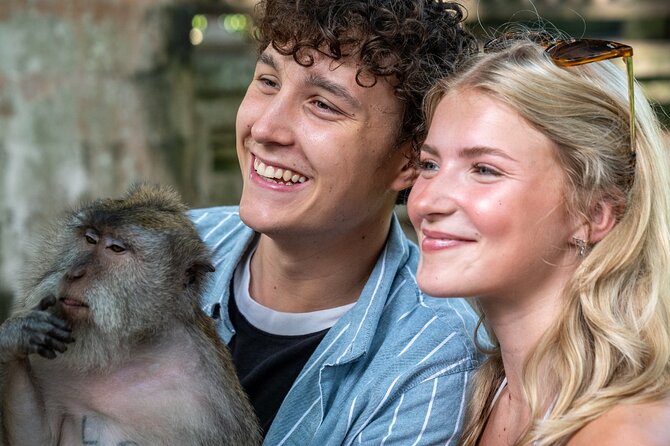
- Hotel pickup and drop-off plus an air-conditioned vehicle, so you start and end without the hassle
- Entrance fees included across temples and major stops, which helps the price feel more predictable
- Monkey Forest Sanctuary time where you can see the macaques in a preserved, sacred setting
- Goa Gajah (Elephant Cave) with carved history and bathing pools as an early anchor stop
- Tegalalang Rice Terraces with famous layered views, timed into the afternoon rhythm
- Offering workshop (canang sari) paired with a quieter purification temple visit
Other terrace walks and swing platforms we have been through
A full Ubud day, with the right mix of famous and quiet
This tour is built around one idea: give you a day that covers Ubud’s main “wow” visuals without turning the schedule into a sprint. You start with pickup and then work through a sequence that feels like a cultural map. You get the big-name scenes like the Monkey Forest Sanctuary and Tegalalang Rice Terraces, but you also make time for Goa Gajah and a less crowded-feeling purification temple visit.
That blend matters. Ubud can turn into a one-note checklist if you only chase the most photographed spots. Here, the day has different textures: stone carvings and ancient-looking water features at Goa Gajah, temple corridors and courtyards at Ubud’s royal landmark, and then rice terrace viewpoints later. The final section shifts toward a quieter, more reflective moment at a jungle purification temple, including hands-on canang sari offering practice.
Your group size is capped at 20 travelers, which helps keep the day from feeling like a moving parade. You also have an English-speaking guide, and that is not a small detail in Bali. Explanations turn a carved gate or a ceremonial tray into something you can actually follow, instead of just taking pictures.
Morning pickup and Goa Gajah, the Elephant Cave opener
You start at 9:30 am, with a comfortable morning pickup. Then it is straight into the cultural heart of Bali with a scenic drive before your first real stop.
Goa Gajah, also called the Elephant Cave, is a strong opener because it sets the tone with archaeology-style visuals instead of just scenery. You spend about 1 hour 30 minutes exploring the dramatic carved entrance and the bathing pools in the surrounding area. Even if you are not a “cave person,” this stop is usually memorable because it feels older and more grounded than the bright, postcard-like scenes later in the day.
What I like about starting here is that it gives you a mental reset before the Monkey Forest portion. Goa Gajah is about stonework, carvings, and space. Monkey Forest is about movement, faces, and energy. If you start with the animals, you can end up mentally “switched on” for everything else. Starting with Goa Gajah makes it easier to appreciate each transition.
A small practical note: plan to wear something you can handle for temple visits. You will be in and around sacred areas, so keep your routine respectful and simple. If you bring a phone, keep it protected and ready, because you will likely want photos at multiple stops.
Sacred Monkey Forest Sanctuary, macaques and temple atmosphere
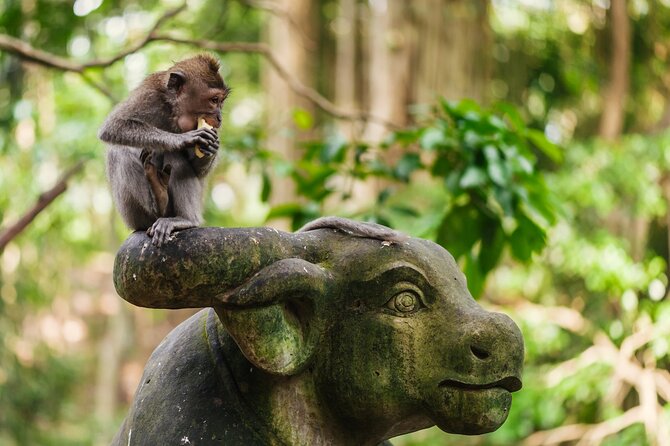
Next comes the Sacred Monkey Forest Sanctuary, also about 1 hour 30 minutes. This is where the tour name earns its weight. You are in a sanctuary setting with leafy pathways, moss-covered temples, stone carvings, and hundreds of free-roaming macaques.
This stop is fun, but it is also chaotic in a natural way. The macaques are not statues, and you should expect sudden movement, quick photo ops, and occasional crowd flow changes. I like that the tour positions Monkey Forest as a sanctuary experience, not just a quick photo stop. The setting matters, because it makes the place feel like part of a living cultural environment rather than a theme-park stop.
One consideration: if you get uncomfortable around animals or you prefer a calmer pace, you might want to keep your expectations realistic. Treat it like a “watch from a comfortable distance, enjoy the moment” situation. Keep snacks and loose items secure. If a macaque is near you, follow your guide’s direction and focus on steady, safe behavior rather than chasing the perfect shot.
The best part of this portion is that it is visually layered. You are not just looking at monkeys. You are moving past temple details and carvings that you can appreciate more slowly if you are not constantly trying to fight for position.
Ubud Royal Palace, traditional design in a tighter stop
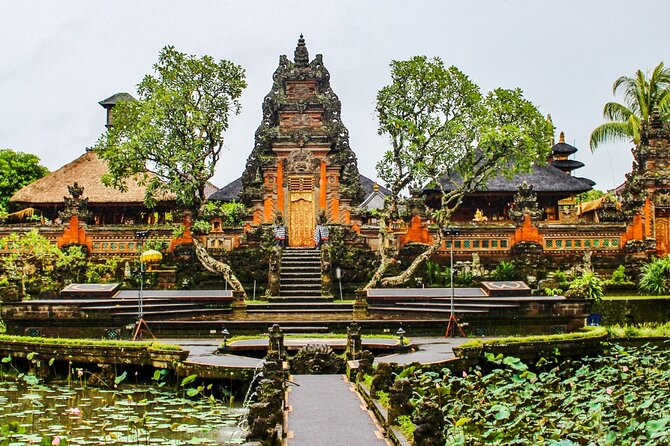
Then you head to the Ubud Royal Palace, another 1 hour 30 minutes stop. This is a more architectural visit compared to the jungle energy of Monkey Forest. You walk through the courtyard and explore the intricate gateway details, which is what the palace is known for.
This stop is valuable for two reasons. First, it gives you context for Ubud beyond the “forest and views” theme. Second, it teaches you how Balinese design shows up in layout and entrances, not just in decorative objects.
In the reports I paid attention to, guides often focus on meaning and everyday cultural connections rather than tossing out random facts. That is exactly what you want here. A palace gateway can look like “pretty stone” until someone explains the logic behind shapes, thresholds, and ceremonial movement through space.
Practical tip: because this is a temple environment, keep your pace slow enough that you can read what your guide is pointing out. If you speed through it, you lose the value of having an English-speaking local guide.
Still on foot in Ubud? A few more routes
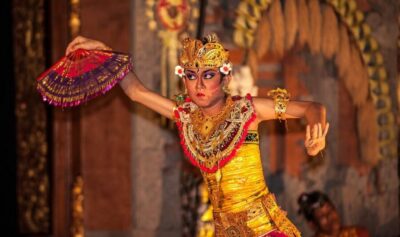
- Bali: Ubud Palace Legong Dance Show Ticket★ 4.4 · 3,979 reviews
- Ubud Tour with Monkey Forest Waterfalls Temples and More★ 5.0 · 495 reviews
- Gorilla Cave ATV Bali Ubud, Monkey Forest, Temple, and Lunch★ 5.0 · 295 reviews
- Bali ATV Quad Adventure – Ubud Monkey Forest and Waterfall★ 5.0 · 261 reviews
- Ubud Monkey Forest Silver Class – Craft Your Own Silver Jewelry★ 5.0 · 254 reviews
Tegalalang Rice Terraces, why the viewpoint timing matters
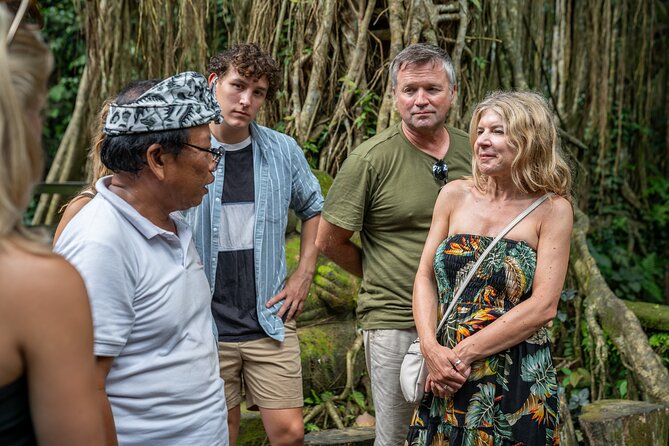
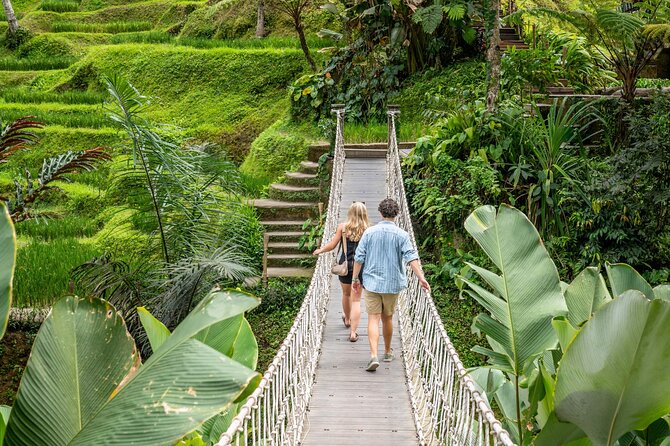
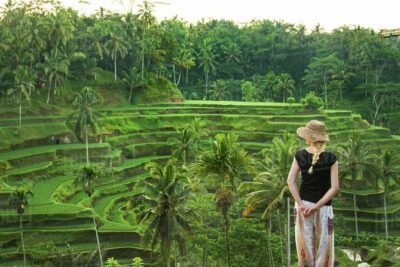
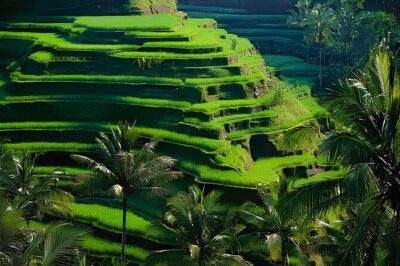
After lunch or an early afternoon rhythm, you move to Tegalalang Rice Terraces for about 1 hour 30 minutes. This is one of Bali’s most photographed areas, known for sweeping layers of bright-green paddies cut into the hillside.
The terraces are beautiful in photos, but the real win is seeing how the land is shaped. You will likely find multiple viewpoint angles, so you can choose where you stand based on crowd flow and your own comfort. Later afternoon light can help photos, but the bigger practical factor is staying flexible. If you arrive and the viewpoint is busy, shift slightly and let the flow change.
I also like that the day places Tegalalang after Goa Gajah and Monkey Forest. By then, you have already seen temples and stonework, so the rice terraces feel like a shift from sacred structures to agricultural heritage. It is not just “a view,” it is part of the broader Balinese relationship with land, water, and daily farming life.
What to do: bring water (you get bottled water included on the tour), and wear shoes that handle uneven paths. If you want clean photos, wipe your lens or camera screen before you start shooting, because you may be walking near dusty areas.
Mengening Temple and the canang sari offering workshop
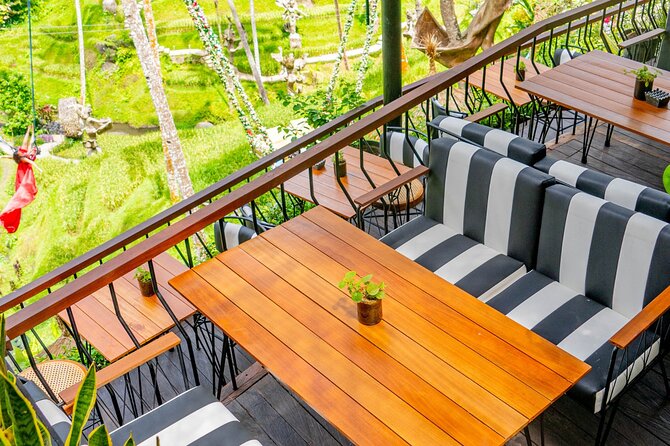
The final major stop is Mengening Temple, a 2-hour visit in a lush jungle setting. This one is different from the more famous temple zones because it is presented as quieter and more intimate.
Here is where the tour earns a special kind of value. You are not only viewing a sacred site, you are learning a ritual practice through a hands-on offering workshop. The tour includes an offering workshop, and the experience is tied to making a canang sari offering with guidance on what it means in everyday Balinese life.
Even if you have zero religion background, this kind of activity is usually the highlight for many people because it turns observation into participation. You get to ask questions in the moment and connect what you saw earlier, such as temple structures and ceremonial space, to something you can hold and understand.
Why it matters for your day: a canang sari offering is small, but it represents a daily pattern, not a one-time event. That shifts your perspective. Instead of thinking Bali is only temples and tourists, you start seeing it as a living culture where offerings are part of routine.
Timing matters too. At 2 hours, you have space to not rush the ritual. If you try to do this last minute somewhere else, it can feel like a checkbox. Here, it is given real time.
How the small group format changes the feel
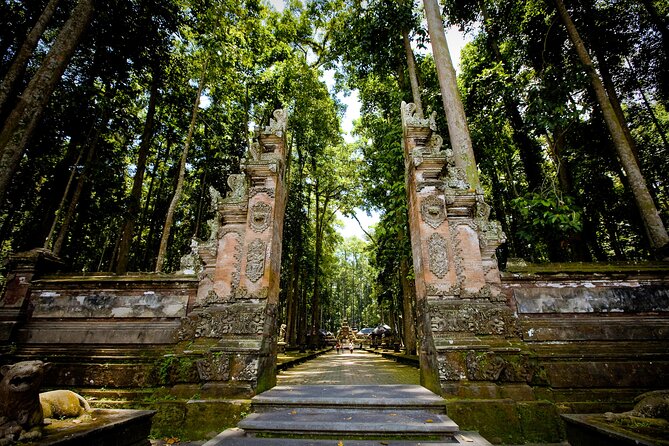
This tour is capped at 20 travelers, which usually makes a difference in places like Monkey Forest and Tegalalang. When groups are larger, you spend more time waiting and less time looking. With a smaller group, your guide can keep you organized without feeling like you are being herded.
Also, the tour includes an air-conditioned vehicle and hotel pickup and drop-off, so you are not figuring out local transport after a full day of temples. That matters in Ubud traffic, where travel time can quietly eat your energy.
You also have all fees included, including entrance fees and bottled water. That reduces the typical “surprise costs” problem with day tours. At $69 per person, the value is strongest if you would otherwise pay entrance fees on your own, then still hire a driver or scramble to book a guide for cultural context.
And yes, the guide quality is repeatedly emphasized in the feedback names I noticed, including Dan, Lara, Ariana, Gunawan, Haris, and Gus Alit. The pattern in those comments is not just friendliness. It is patience and detailed explanations that help you understand what you are looking at while you are looking at it.
Value and price, what you are really paying for
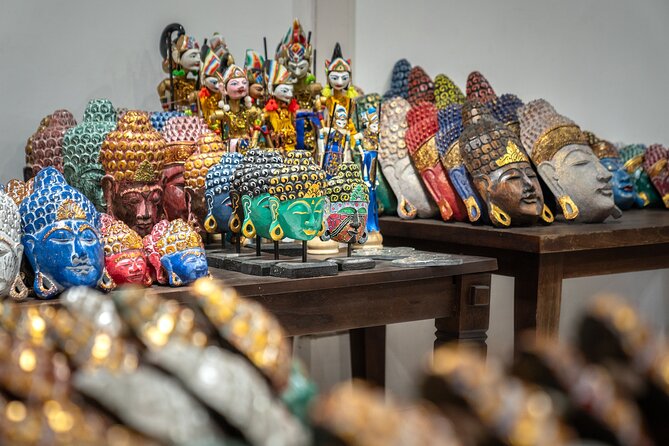
Let’s talk money honestly. This tour costs $69 per person and runs about 12 hours. On paper, that is a lot of hours for a day trip, but it is also a lot of stops: Goa Gajah, Monkey Forest, Ubud Palace, Tegalalang Rice Terraces, and Mengening Temple.
For $69, you are getting:
- Pickup and drop-off
- An English-speaking guide
- Entrance fees included across the stops
- Bottled water
- An offering workshop experience
So you are paying for transportation time plus guided context, not just a bus ride to photo spots. If you were to DIY it, you would still need transport between sites and you would likely end up paying for entrance fees anyway. The big advantage here is that the schedule is already stitched together, which protects your time and makes the day feel smoother.
One more value angle: the inclusion of the canang sari offering workshop and explanation work usually costs extra on DIY or half-day tours. That hands-on piece is what turns the day from “sightseeing” into “learning by doing.”
Who should book this Ubud temple and ritual day
I think this tour fits best if you want a full Ubud overview with a cultural lens. You should book it if:
- You want major Ubud sights without planning each leg
- You like having explanations for temples, gateways, and ceremonial meaning
- You are curious about daily Balinese offering practice, not just famous landmarks
- You prefer a small group format (max 20 travelers)
You might choose something else if:
- You dislike animal encounters and would feel stressed at Monkey Forest
- You want a slower day with lots of free time for wandering, café stops, and shopping
- You have limited stamina for a 12-hour day with several walking portions
Should you book this Ubud: Monkey Forest, Rice Terraces and Sacred Temples tour?
If you want one day that covers Ubud’s headline sights plus a quieter purification temple with a canang sari workshop, I would say yes. The value is in the package: transportation, entrance fees, guided explanations, and a hands-on ritual component.
Book it if you can handle a long day and you are okay with some lively energy at Monkey Forest. Skip it if you want zero animal presence or if you are not interested in participating in an offering workshop.
In short, it is a solid choice when you want structure, cultural context, and a payoff beyond photos.
FAQ
What time does the tour start?
The tour starts at 9:30 am.
How long is the tour?
It runs for about 12 hours.
How much does it cost?
The price is $69.00 per person.
Is hotel pickup included?
Yes. The tour includes hotel pickup and drop-off.
Are entrance fees included?
Yes. Entrance fees are included for the stops listed on the itinerary.
What is included besides sightseeing?
In addition to the guided stops, you get bottled water and an offering workshop where you make a canang sari offering.
On Foot Around Ubud


Terraces and Swings, Keep Looking
Fresh Ubud write-ups from the review desk




Ubud Rice Terrace and Jungle Swing Tours, compared.
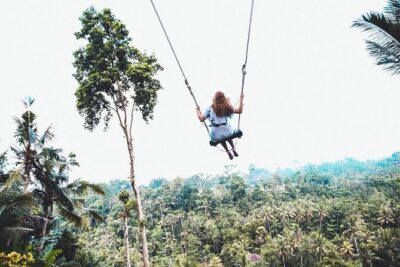 ★ 5.0Best of Ubud Full-Day Tour with Jungle SwingFrom $568,571 reviews
 ★ 5.0Monkey Forest, Jungle Swing, Rice Terrace, and Water TempleFrom $317,160 reviews
 ★ 5.0Full-Day Tour to Water Temples and UNESCO Rice Terraces in BaliFrom $392,539 reviews
 ★ 5.0Monkey Forest, Water Temple, Rice Terrace, WaterfallFrom $28538 reviews
 ★ 5.0Downhill Cycling with Volcano, Rice Terraces and MealFrom $36536 reviews
 ★ 4.9Volcano, Tea/Rice Fields, Hot Spring, Local FoodFrom $114515 reviews
 ★ 5.0Active Volcano, Rice Field, Hot Spring, Fruit market, Tea Plantation with LunchFrom $110513 reviews
 ★ 5.0Ubud eBikes Tour to Tegallalang Rice TerraceFrom $30507 reviews
Browse the lists this tour appears in