
REVIEW · ORANGUTAN TREKS IN SUMATRA AND BORNEO
3ns Private Orangutan and Bornean Primates Kelotok Tour
Orangutans from a moving houseboat is a rare setup. This 4-day private kelotok cruise through Pangkalan Bun and into Tanjung Puting gives you a front-row seat to Borneo wildlife, with camp stops like Camp Leakey and orangutan feeding sessions, plus meals cooked onboard. I also like that the day is paced around wildlife, so you are not stuck rushing between loud “attractions.” One thing to weigh: the rules are strict at the centers, including no touching and no talking, which can feel limiting if you are used to selfies up close.
Two parts I really like are the private format and the overall comfort. With a maximum of 12 people per booking and private operation for your group, you get a calmer rhythm for spotting animals from the river and the decks. I also like that an on-board chef handles everything, with three breakfasts, lunches, and dinners plus snacks and drinks like coffee and pops included.
The main consideration is timing and expectations. You are cruising rivers and visiting feeding and rehabilitation sites, so you should plan for early starts and a schedule that is guided by animal activity, not your preferred wake-up time.
In This Review
- Key things to know before you go
- How a private 4-day kelotok feels in real life
- Getting to the river: Pangkalan Bun, Kumai, and your transfers
- Day 1 in Tanjung Puting: first sightings and riverfront life
- Camp Leakey on Day 2: tea-colored creeks and conservation history
- Day 3 at Pondok Tanggui: the 9am feeding window
- Day 4 in Tanjung Puting: downstream cruising and your return
- The center rules that protect orangutans and your experience
- Tree planting in your name: what it means on a conservation trip
- Optional night trek: seeing the jungle after dark
- Meals onboard: value, variety, and real-world comfort
- Wildlife viewing without the stress of crowds
- Price and value at $591 per person
- Who this tour fits best
- Should you book this private orangutan kelotok tour?
- FAQ
- What is the price for this tour?
- How long is the kelotok tour?
- Where does the tour operate?
- What is included in the tour price?
- What rules do you have to follow at the centers?
- Is the tour private and what is the group size limit?
- Are vegetarian meals available?
- Do I need a special permit for drone filming?
Key things to know before you go
- Private kelotok format: only your group on the boat, up to 12 per booking
- Orangutan-focused days: Camp Leakey and feeding activities at set times
- On-board chef and full meals: breakfasts, lunches, dinners, snacks, coffee, and pops
- Wildlife etiquette rules: no touching, no talking at the centers
- Tree planting in your name: part of a forest designed to support orangutans’ food
- Optional night trek: a chance to look for nocturnal creatures
More jungle time in Sumatra and Kalimantan
How a private 4-day kelotok feels in real life
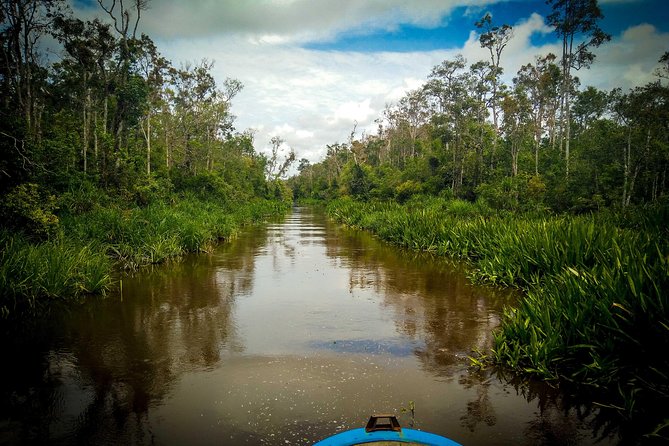
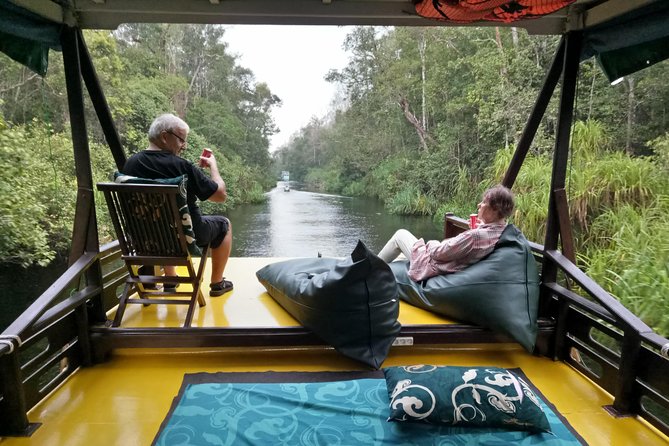
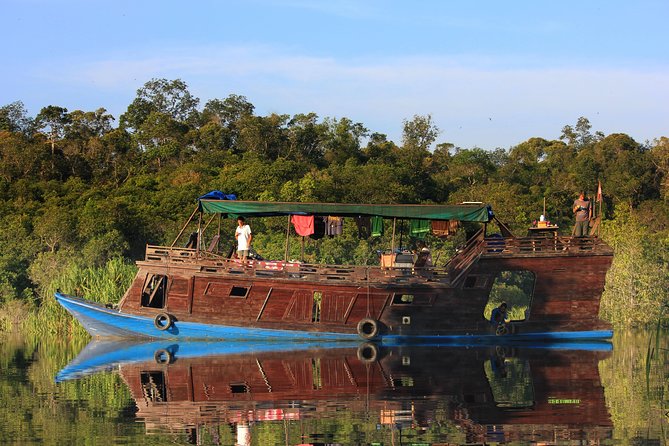
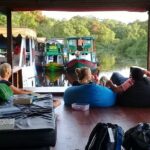
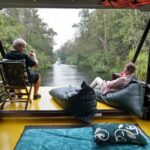
A kelotok tour is not just transportation. It is your home base. For four days, you live aboard a wooden houseboat while the landscape changes slowly around you, with river cruising that gives you repeated opportunities to scan treetops and shorelines for wildlife.
This tour is also set up for people who want a little more control. It is a private tour/activity, meaning only your group participates. The operator keeps the booking cap at a maximum of 12 people per booking, so you are unlikely to feel like you are in a packed bus when the boat slows down to watch monkeys or birds.
Why four days is a sweet spot: you are not only doing “one good stop.” You spread your wildlife time across Tanjung Puting National Park and nearby orangutan-focused locations, so if conditions are quiet one day, you still have another day built in. And because the cruising pace is designed around appointed locations, you spend more time waiting for animals the right way, from the boat, rather than running from one platform to another.
You also get an on-board chef, which is a bigger deal than it sounds in remote Borneo. With included meals, you do not have to plan snacks or hunt for food in between stops. That matters on a river itinerary where “quick errands” are not really a thing.
Getting to the river: Pangkalan Bun, Kumai, and your transfers
Your trip anchors in Pangkalan Bun, Indonesia, and the tour includes return airport transfers or accommodation in Pangkalan Bun or Kumai. On the first day, you are transferred to Kumai to board the kelotok. That matters because it sets your day up like a proper start, not an awkward scramble.
The guidance is to arrive before 1 pm on day one if you can, because you will be taken back to the airport before 12 pm on the last day. It is flexible, but the point is clear: plan travel so you do not arrive late and miss the start of your river schedule.
You will also find this tour fits people who want a straightforward handoff. There is a meeting point system with opening hours listed across the day (12:00 AM to 11:30 PM), and confirmation is provided within 48 hours of booking, based on availability. In other words, you are not likely to be left guessing for days.
Day 1 in Tanjung Puting: first sightings and riverfront life
Day 1 starts at Tanjung Puting National Park. After you arrive in Pangkalanbuun (Pangkalan Bun), you get transferred to Kumai for boarding to the kelotok. Then you cruise leaving the Kumai River, with a chance to see riverfront life before you head toward the Sekonyer River.
That first day cruising is important. It is where your brain learns the rhythm of Borneo: slow movement, quick scans, and sudden stops when something is worth watching. Instead of planting you in one spot for hours, the boat motion gives you shifting angles into mangrove and river edges, where birds often show first.
You also get admission tickets included, so you are not dealing with surprise fees once onboard. This is the kind of detail that makes the day feel smooth, especially when you are already traveling.
A practical tip from how the experience is described: bring yourself mentally for long sighting moments. With wildlife viewing, the best scenes do not always announce themselves. You will likely have times of quiet scanning, and then a burst of activity when the crew positions you right.
Camp Leakey on Day 2: tea-colored creeks and conservation history
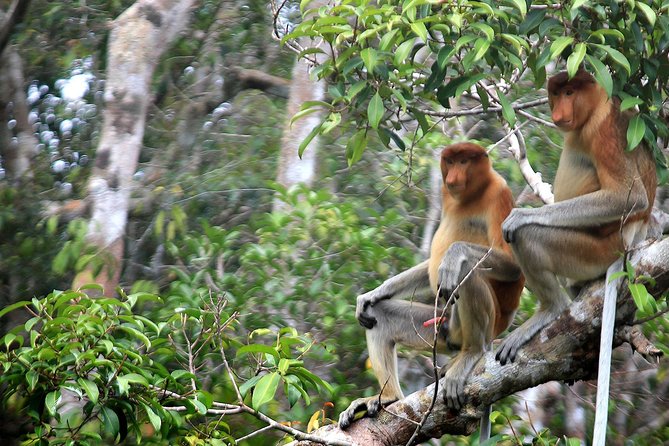
Day 2 takes you to Camp Leakey, described as a legendary orangutan rehabilitation camp. This is also where you get the deeper conservation context: Prof. Birute M. F. Galdikas started her study work there in early 1971, and the camp is tied directly to orangutan research and care.
The boat ride is part of the appeal. You board and then boat through side creeks that are described as tea-colored water. That color comes from natural organic material in the environment, and it often makes the forest edges look dramatic. More importantly, it is another cue for your wildlife scanning, because animals often use the same navigation routes along creek systems.
Camp Leakey is also a place where you need to follow the center rules closely. The tour emphasizes that to protect animals, no touching and no talking is allowed at the centers. I know that can sound strict, but it is exactly what keeps the experience ethical. If you want orangutans to behave like wild animals, you do not crowd them.
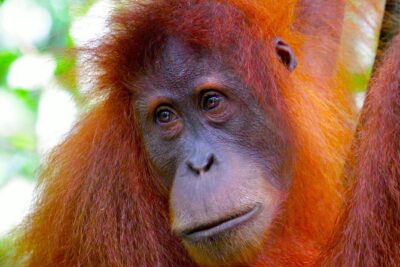
Because this stop is a rehabilitation focus, you may see orangutans in settings that are different from purely wild viewing. You are still watching them, but you are also witnessing a working conservation environment, not just a panorama photo moment.
- Orangutan Houseboat Kelotok Tanjung Puting 3 Days Share Cost★ 4.5 · 9 reviews
Day 3 at Pondok Tanggui: the 9am feeding window
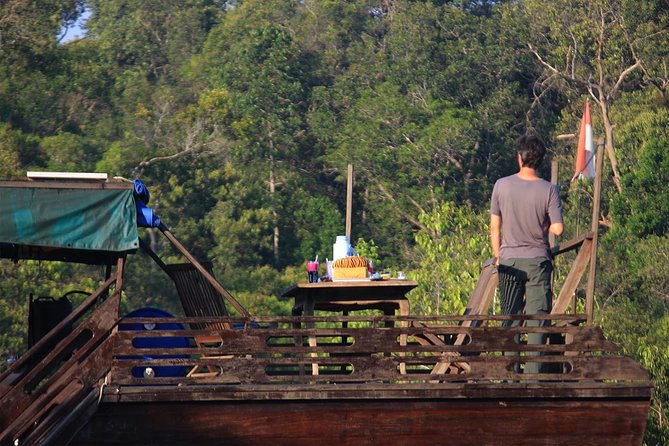
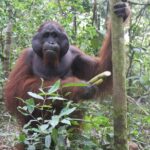
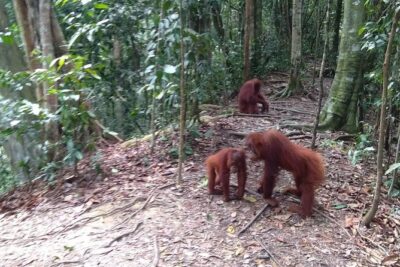
On Day 3, you head after breakfast to Pondok Tanggui. The schedule includes orangutan feeding at 9 am in the morning, which is one of the most structured parts of the whole itinerary.
A key value here is timing. A feeding window means the crew can position the boat for the best viewing, and your group can settle into a viewing mindset rather than wandering. It is also why this tour spreads across multiple days. When you have one morning with feeding, you also want other days for additional chances to spot orangutans and other primates from the river and along nearby areas.
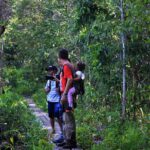
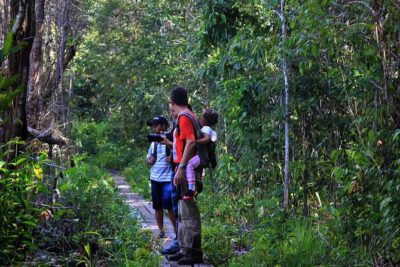
There is also an optional jungle walk for about two hours. If you choose it, you get a more land-based wildlife experience after the feeding. Optional activities are a nice feature on a tour like this because not everyone wants the same mix of boat cruising and hiking.
Another thing to note: admission tickets are included for these days too. That keeps the itinerary from turning into a separate payment exercise. It also suggests the route is planned so you are not waiting around for gates or separate entry procedures.
Day 4 in Tanjung Puting: downstream cruising and your return
Day 4 brings you back into the Tanjung Puting rhythm. After breakfast, you have time for wildlife spotting for around two hours while the boat slowly cruises downstream to Kumai.
That “slowly cruises downstream” detail is not filler. Downstream cruising often changes where animals appear, what insects and birds are active, and how you can view tree lines from different angles. In river systems, the direction of travel changes the kind of sightings you tend to get.
Then you depart Kumai in the morning and transfer back to Pangkalan Bun (hotel/airport). Admission is listed as free for day four in the itinerary notes, and the overall tour includes those return transfers.
If you are planning international flight schedules, aim to keep your last day flexible enough for an early travel window. The guidance says you will be taken back to the airport before 12 pm on your last day, with flexibility. That is usually enough to avoid last-minute stress if you choose flights later in the day, not the first flight available.
The center rules that protect orangutans and your experience
This tour is clear about behavior rules at the animal centers: no touching and no talking. I actually appreciate that the policy is stated up front, because it helps you prepare your expectations.
These rules serve two purposes. First, they reduce stress for animals during feeding and rehabilitation viewing. Second, they create a more focused viewing experience for you. When everyone keeps quiet, you are more likely to hear movement in the branches and spot animals that would otherwise blend into the background.
One more etiquette note is about safety and distance. Even if you want the perfect photo, the best approach is to stay inside the viewing rules. Do not try to move closer or break the quiet. If you are traveling with kids, this is especially important, since children are curious by nature. The tour sets a minimum age of 3, and you will want to set expectations early so everyone follows the center guidelines.
Tree planting in your name: what it means on a conservation trip
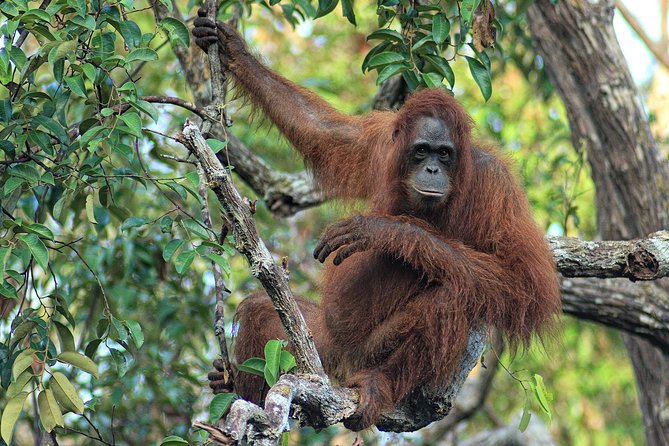
A feature that feels both symbolic and practical is the tree planting in your name. The tour says the tree is planted in a forest designed to enrich the orangutans’ diet.
What I like about this is that it connects your trip to the bigger conservation picture. You are not only watching animals temporarily. You are supporting a habitat or food support effort, at least in the form of forest planting tied to orangutan nutrition.
Is it going to change your day-to-day experience on the boat? Not directly. But it does add meaning when you are watching animals for several days, especially if you care about conservation outcomes beyond photos.
If this kind of contribution matters to you, you will likely feel more satisfied at the end of the trip. It turns your wildlife encounter into a small act of support, not just a short-term sighting.
Optional night trek: seeing the jungle after dark
The itinerary includes an optional night trek into the jungle. The goal is to see nocturnal creatures, which is exactly what daytime viewing cannot do.
This is a good option if you enjoy nature walks and you are comfortable in warm, humid conditions. You are also more likely to hear wildlife first at night, then spot it. If you hate surprises and darkness, this may not be for you, but if you like adventurous side activities, it can be a memorable add-on.
The tour’s structure makes this easier to consider because it is optional. You do not have to force it. You can choose based on energy levels and your interest in night wildlife.
Meals onboard: value, variety, and real-world comfort
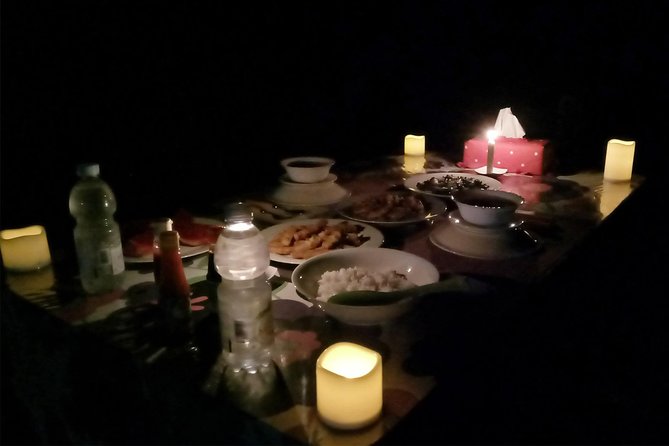
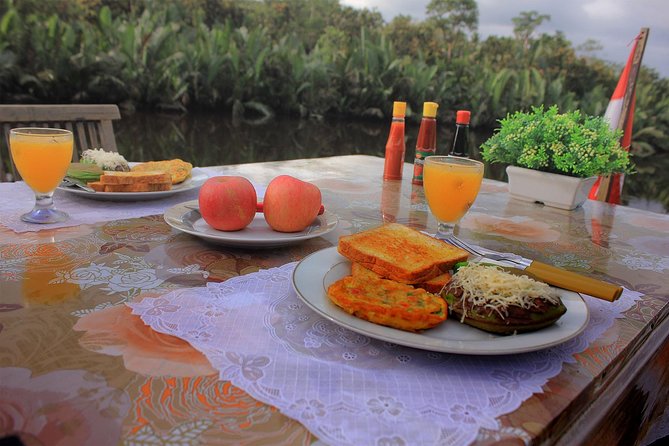
Food is handled well on this kind of river cruise, and here it is included in a clear way. You get three breakfasts, three lunches, and three dinners, plus snacks, coffee, and pops. That reduces your on-trip spending and removes decisions.
Vegetarian meal options are available, which is a helpful detail if you have dietary needs. If you are vegetarian, you should still communicate clearly when booking or with the operator, but at least the menu planning is acknowledged.
From trip feedback included in the overall picture, the boat experience has been praised for comfort and cleanliness, including mosquito net coverage on the bed. Another detail mentioned is that you can charge camera batteries on board, which is practical because time under water-resistant power needs are real when you are taking photos all day.
A small but useful reality: you are in the tropics. Expect humidity, and plan clothes accordingly. On-board meals help because you do not need to carry snacks everywhere. You can focus on wildlife instead.
Wildlife viewing without the stress of crowds
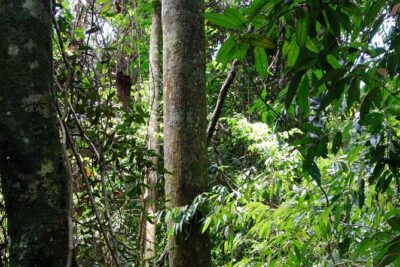
One of the biggest quality signals in this kind of tour is how the crew handles stopping and watching. The experience description emphasizes slow cruising to appointed locations and side trips for spotting crocodiles, monkeys, other wildlife, and various fauna.
This matters because with river wildlife, the best viewing often comes from patience. If the boat rushes, animals vanish. If the crew coordinates well, you get the extra seconds where something actually appears.
Crocodiles are specifically mentioned for side trips, and birds and flora are part of the viewing mix. So even if orangutans are the headline, you still have plenty to watch if you want variety.
The private nature also helps your group feel more in sync. Everyone hears the same instructions, and you are not constantly bumping into other people during prime sighting moments.
Price and value at $591 per person
Let’s talk value, not just price. At $591 per person for a 4-day private kelotok tour, the cost makes sense because several big-ticket items are bundled:
- Return airport or accommodation transfers between Pangkalan Bun and Kumai
- Entrance permits or tickets, including traveler, camera, and boat items
- Meals for the full stretch (three of each meal type) plus snacks and drinks
- A private format for your group
- A tree planting feature
When you price out remote logistics separately, boat time, guides, and full meals quickly add up. Here you are buying one organized package that already handles entry and daily sustenance.
That said, make sure you plan for what is not included. Alcoholic drinks are available to purchase, but they are not part of the package. Insurance is also not included. If you plan drone filming, you need a SIMAKSI permit for flying drones, and that is not included.
Overall, the price feels most fair if you want a full service wildlife itinerary and you value having the boat and chef waiting for you each day.
Who this tour fits best
This tour is a strong match for people who want a wildlife-heavy trip with less friction. If you like orangutans but also enjoy proboscis monkeys, birds, crocodiles, and rainforest plants, you will likely appreciate the variety.
It also fits families with kids over the minimum age of 3, as long as kids can follow quiet viewing rules. The no touching and no talking requirement is part of the deal, and a family trip works best when you practice calm behavior early.
If you are a couple or a small group who wants privacy, the private operation and maximum group size are key benefits. If you are traveling with friends and can meet the minimum of 2 people per booking, the private setup is a value multiplier.
If you prefer flexible, self-paced travel with no structure, this may feel too schedule-based. The feeding and camp timing are fixed, so the day plan matters.
Should you book this private orangutan kelotok tour?
Book it if you want a real river cruise experience tied to orangutan viewing, with meals, transfers, and conservation sites built in. The combination of Tanjung Puting, Camp Leakey, and feeding windows gives you multiple chances, and the private format helps you stay calm and focused during animal sightings.
Hold off or ask more questions first if your travel style depends on spontaneity. This is not a “wander whenever you want” itinerary, it is built around appointed viewing times and center rules. Also, if upfront trip direction matters a lot to you, you should confirm your arrival plan and timing so the first day is smooth from your side.
My bottom line: if orangutans and Borneo wildlife are the reason you are here, and you want an organized, full service houseboat experience with ethical viewing rules, this is a strong choice. You are paying for access, time on the river, and not having to manage logistics yourself.
FAQ
What is the price for this tour?
The price is $591.00 per person.
How long is the kelotok tour?
It is a 4-day tour (approximately).
Where does the tour operate?
The tour is based in Pangkalan Bun, Indonesia, with transfers between Pangkalan Bun and Kumai.
What is included in the tour price?
Included are return airport transfers or accommodation transfers in Pangkalan Bun or Kumai, entrance permit/tickets (including traveler, camera, and boat), and meals: 3 breakfasts, 3 lunches, 3 dinners, plus snacks, coffee, and pops.
What rules do you have to follow at the centers?
To protect the animals, you must follow strict rules at the centers, including no touching and no talking.
Is the tour private and what is the group size limit?
Yes, it is a private tour/activity with only your group participating. The maximum is 12 people per booking, and a minimum of 2 people is required.
Are vegetarian meals available?
Yes, vegetarian meal options are available.
Do I need a special permit for drone filming?
Yes. The SIMAKSI permit for filming of flying drone is not included, and you would need this permit if you plan to fly a drone.
Jungle Time in Sumatra and Kalimantan
Fresh Pangkalan Bun write-ups from the review desk
Orangutan Treks in Sumatra and Borneo, compared.
 ★ 5.03-Day Ethical Orangutan Jungle Trek | Bukit Lawang, SumatraFrom $205401 reviews
 ★ 5.02Ns Orangutan Kelotok Tour in Tanjung Puting Kalimantan – BorneoFrom $444208 reviews
 ★ 5.0ORANGUTAN TREK (2D/1N) by EcoTravel Bukit LawangFrom $180122 reviews
 ★ 5.03-Day Bukit Lawang Tour Including 1-Day Ethical Jungle TrekkingFrom $392119 reviews
 ★ 5.0TOUR PACKAGE (jungle trekking, taxi, Room) 4 DAYS 3 NIGHTS in BUKIT LAWANGFrom $302118 reviews
 ★ 5.0Sunrise Tour or Hiking Mount Sibayak From BerastagiFrom $47117 reviews
 ★ 5.0Orangutan Tour Tanjung Puting 2NightsFrom $40097 reviews
 ★ 5.0Bukit lawang 2 Day 1 Night with campingFrom $12096 reviews
Browse the lists this tour appears in