
REVIEW · BOROBUDUR AND PRAMBANAN TEMPLE TOURS
Borobudur: Village Tour with Pottery and Tofu Making
Real Borobudur is next door. This Borobudur village tour takes you beyond the main monument area into hands-on craft time, starting with pottery practice at Gerabah Klipoh and followed by handmade batik work in the nearby villages. You will also get a chance to see the Borobudur Temple area as your local guide explains daily life around the temple.
I love how practical this feels, you are not just watching from the sidelines. And I like that it mixes crafts with real village rhythm, including village food stops where you can sample artisanal tofu and local snacks. One consideration: the workshops are short, roughly 40 minutes for pottery and 30 minutes for batik, so it is best if you want to try and learn the basics rather than aim for serious, long instruction.
In This Review
- Key things I’d bet on before you go
- Why this village tour beats a temple-only day
- The meet-up and timing that keep things easy
- Gerabah Klipoh pottery workshop: where you actually make something
- Tingal Wanurejo and handmade batik practice
- The village route and local guide effect
- Tofu and local snacks: how food fits the craft story
- Price and what $79 really means for you
- Who this tour is best for
- Practical tips to get the most from your craft stops
- Should you book this Borobudur village pottery and tofu experience?
- FAQ
- How long is the Borobudur village tour with pottery and tofu making?
- How much does the tour cost?
- What is included in the price?
- What is not included?
- Is this tour private?
- Where does the tour start?
- Does it include time to see Borobudur Temple?
- Is this tour near public transportation?
- What craft activities will I do?
- What is the cancellation policy?
Key things I’d bet on before you go
- Gerabah Klipoh pottery practice with a clay workshop and an admission ticket included
- Handmade batik time in a nearby village, with a chance to learn and practice
- Local guide route through the outskirts, shared by people who live near Borobudur
- Village food tasting moments, including artisanal tofu and coffee samples
- A tight 2 to 3 hour format that keeps the day moving without feeling rushed
Not decided yet? These Borobudur trips held up when we went through them.
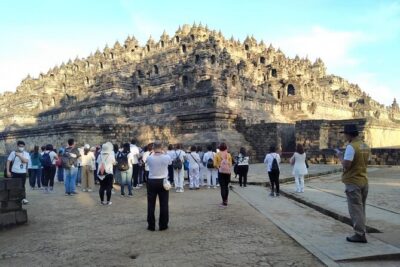
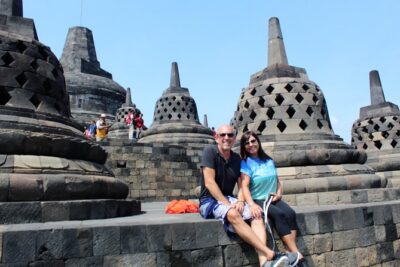
Why this village tour beats a temple-only day
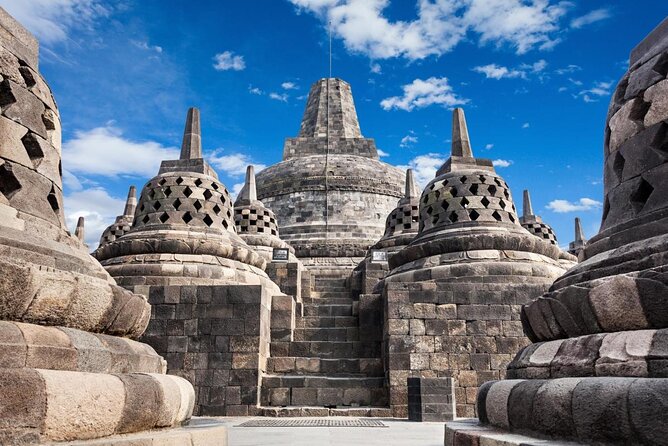
Borobudur is famous for its stone, but the real story is how people live around it. This tour is built for that exact idea: you spend a couple of hours in the villages that support the temple economy, the workshops, and the daily routines.
What makes it a smart value is the mix of activities in a compact time window. You are not hopping through five places just to snap photos. Instead, you get two craft sessions that are close together, plus short stops to get your bearings and meet village life head-on. The guide also helps you connect what you see, pottery patterns, batik motifs, and how these arts tie into local identity.
If you like travel that is active, not just observational, you will probably enjoy this. You will likely get your hands into the process, and even the people watching moments feel purposeful because you have someone beside you explaining what you are looking at.
The meet-up and timing that keep things easy
The tour starts and ends back at the meeting point at Jl. Balaputradewa No.55, Dusun XVI, Borobudur, Kec. Borobudur, Kabupaten Magelang, Jawa Tengah 56553, Indonesia. It is also listed as near public transportation, which matters if you are trying to build a low-stress day around it.
Time-wise, the tour is described as about 2 to 3 hours. You get a clear structure with a longer first craft stop and a shorter second one:
- About 40 minutes at the pottery village (with the pottery admission ticket included)
- About 30 minutes for the batik stop
That means you can fit it between temple sightseeing and dinner without burning half your day. It also means your guide has time to walk you around and point out local landmarks without turning the experience into a speed run.
Gerabah Klipoh pottery workshop: where you actually make something
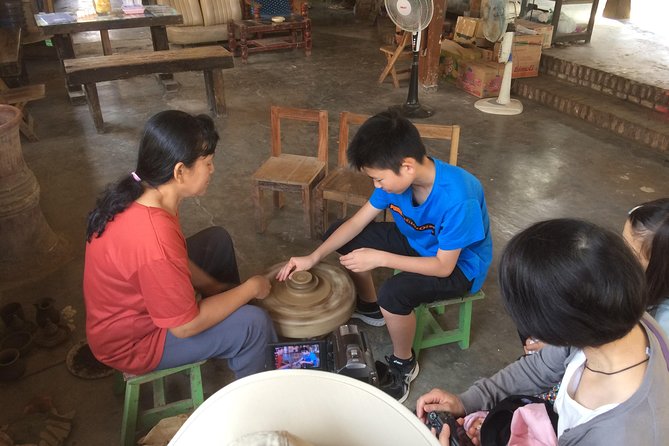
Stop 1 is Gerabah Klipoh, a pottery village. This is the heart of the tour if you want a hands-on craft experience. You are there for about 40 minutes, and the admission ticket is included, which helps with value because pottery workshop time can be pricey elsewhere.
In practical terms, this is where you see clay work from the inside. The focus is on making, not just watching. You learn how clay is handled and shaped into a unique piece, then practice enough of the process that you walk away with a real understanding of what goes into it.
A couple of small details are worth your attention:
- Wear clothing you are comfortable getting a bit messy in. Even if you are careful, clay work can be unpredictable.
- Go with a beginner mindset. The goal here is learning the basics and participating, not mastering advanced pottery techniques in one short session.
This is also the kind of stop that changes how you later see Borobudur itself. When you understand the labor behind village crafts, the monument stops feeling like an isolated tourist object and starts feeling like part of a wider cultural system.
Tingal Wanurejo and handmade batik practice
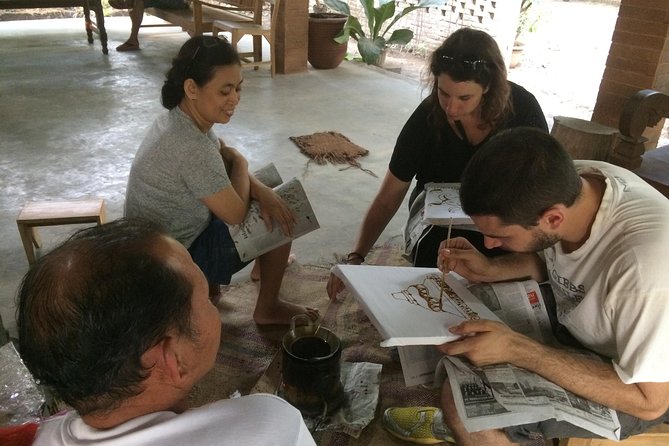
Stop 2 is Tingal Wanurejo, near Borobudur and Magelang in Central Java. This part is built around handmade batik, with about 30 minutes set aside to learn and practice.
Even with a short time slot, batik is a satisfying craft to try because it is visual right away. You get to watch or follow steps, then try the basic movements yourself. The experience is described as a chance to visit batik, learn, and practice, so expect an interactive, guided feel rather than a passive viewing session.
One thing to keep in mind is that batik needs focus. If you are the kind of traveler who hates sitting still, this might feel a little more structured than the pottery stop. Still, the payoff is that you learn a craft with its own rhythm and patterns, and it is easy to spot your own progress compared to purely observational stops.
The village route and local guide effect
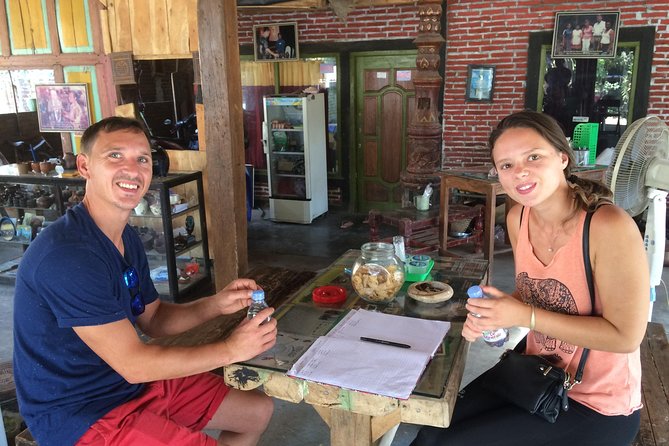
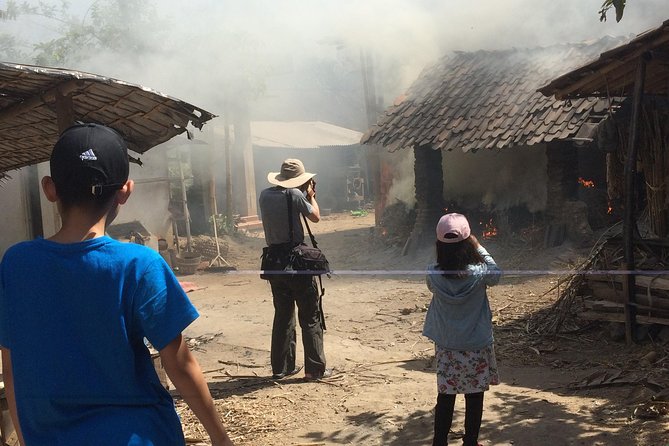
The tour is guided by local residents who live near the Borobudur temple area. That matters because the explanations usually land differently when your guide is not a script reader. You get the feeling of a real neighborhood story, not just a checklist.
You will also have built-in pauses to appreciate local landmarks and get acquainted with village life, plus complimentary bottled water throughout the tour. That sounds minor, but in practice it keeps the experience comfortable, especially when you are walking between craft spaces and sitting for short instruction moments.
Group size is described as private for your group only. That can be a big deal for comfort and learning. You are less likely to get herded, and you can ask questions at normal speaking speed. It also tends to make craft practice feel less intimidating.
Tofu and local snacks: how food fits the craft story
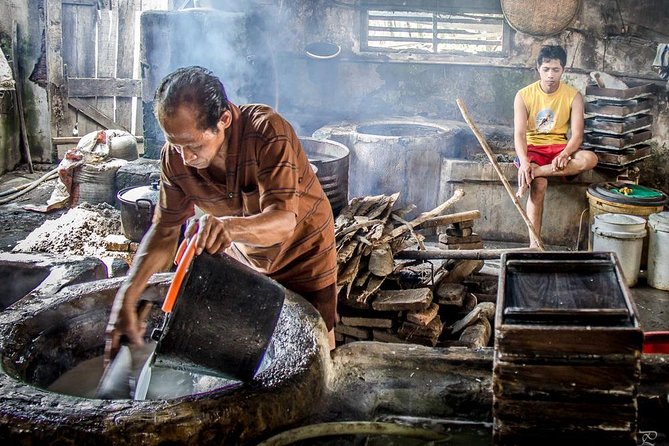
This tour is titled Pottery and Tofu Making, and the overall village experience includes local food moments. From the experience descriptions and local craft focus, you should expect time to sample village specialties such as artisanal tofu (and also coffee samples).
Even if you are coming for pottery and batik, the food tasting part helps you understand the everyday side of the villages. Crafts do not exist in a vacuum. They connect to local sourcing, local schedules, and the small economy that supports the temple area.
If you are hungry, plan to treat snacks as a bonus rather than a full meal, since meal costs are not included.
Price and what $79 really means for you

At $79, this tour is priced for a short, guided craft route with real instruction. What you should know is what is included versus extra costs.
Included:
- Bottled water
- Pottery workshop admission ticket (the pottery village stop)
Not included:
- Meals
- Any entrance fees
So the value comes from the fact that you are paying for guided time and craft access, not just transportation and a walking tour. And because the schedule is compact, you are also paying for convenience, your guide keeps the flow moving and you do not need to figure out how to connect multiple village workshops on your own.
If you are watching your budget, plan for a little extra spending for lunch or snacks, and for any entrance fees you might add on top. If you already have temple entry sorted, the tour price may feel like a straightforward upgrade to your day, turning it from sightseeing into participation.
Who this tour is best for
I would aim this one at travelers who want:
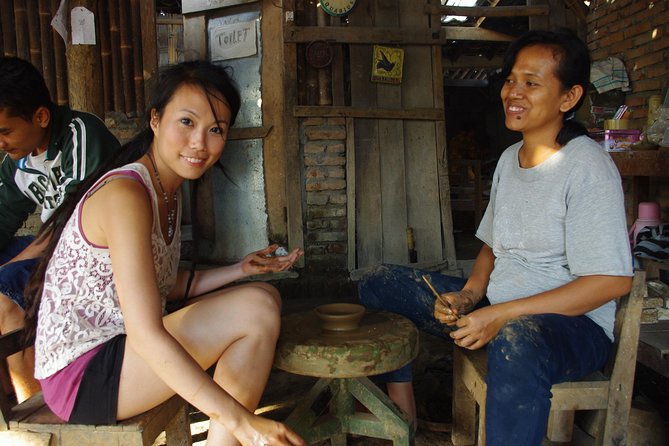
- A hands-on craft break, not a passive tour
- A chance to learn basics of pottery and batik within a few hours
- A route that shows you how life looks in the outskirts around Borobudur, where crafts are part of daily culture
It is also a good fit for couples or small groups who prefer private guiding rather than joining a crowded group. And it works for most travelers, since it is listed as accessible for most people.
If you are looking for a deep, multi-hour pottery masterclass or a full-on cooking workshop, this likely will not be long enough. The best mindset is quick learning, real participation, and a respectful look at how villagers do their work.
Practical tips to get the most from your craft stops
Keep your expectations tuned to the time slots. With about 40 minutes for pottery and 30 minutes for batik, you will get a taste of each process. Your best strategy is to:
- Ask questions early, before you feel rushed
- Pay attention to how the instructors handle clay and tools, even if you are just trying the basics
- Take your time with small details, because that is where craft learning happens
Also, since meals are not included, decide in advance if you will eat before you go or after you finish. This tour ends back at the start point, so it is easy to head straight to dinner without complicated returns.
Finally, save energy for the walking portion. The schedule is short, but you still move between village stops and instructional areas, so comfortable shoes help.
Should you book this Borobudur village pottery and tofu experience?
Yes, if you want a practical craft day around Borobudur. This is one of the better ways to spend a couple of hours because you get real workshop time, guided explanation from locals, and food tasting that connects the crafts to everyday life.
The main reason not to book is if you are chasing a long, intensive training session or if you are strict about keeping your budget fixed. The tour price is solid, but meals and entrance fees are not included, and the workshops are brief by design.
If you like learning with your hands, this one is worth it, especially with the strong track record (a perfect 5 out of 5 rating from 34 reviews, with 100% recommending it).
FAQ
How long is the Borobudur village tour with pottery and tofu making?
It lasts about 2 to 3 hours. The pottery stop is about 40 minutes, and the batik stop is about 30 minutes.
How much does the tour cost?
The price is listed as $79.
What is included in the price?
Bottled water is included. The pottery village stop also includes the admission ticket.
What is not included?
Meals and entrance fees are not included.
Is this tour private?
Yes. Only your group will participate, so it is a private tour/activity.
Where does the tour start?
The meeting point is Jl. Balaputradewa No.55, Dusun XVI, Borobudur, Kec. Borobudur, Kabupaten Magelang, Jawa Tengah 56553, Indonesia.
Does it include time to see Borobudur Temple?
Yes, you will follow a local guide around and even see the Borobudur Temple during the tour.
Is this tour near public transportation?
Yes, it is listed as near public transportation.
What craft activities will I do?
You will visit Gerabah Klipoh for pottery practice using clay, then visit Tingal Wanurejo for handmade batik where you can learn and practice.
What is the cancellation policy?
Free cancellation is available. You can cancel up to 24 hours in advance for a full refund.
Borobudur and Prambanan, More Routes
Fresh Borobudur write-ups from the review desk

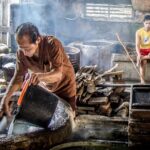

Borobudur and Prambanan Temple Tours, compared.
 ★ 5.0Borobudur Sunrise from setumbu Hill , Merapi Volcano & Prambanan Full Day TourFrom $1051,030 reviews
 ★ 5.0Borobudur Temple Climb To The Top & Prambanan Temple – 1 day tourFrom $105638 reviews
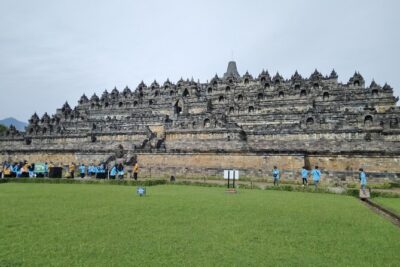 ★ 5.0Borobudur Top Access & Prambanan Temple Private TourFrom $73390 reviews
 ★ 5.0Borobudur(climb up), Merapi Volcano and Prambanan Temple TourFrom $125297 reviews
 ★ 5.0Borobudur Climb-up & Prambanan Day Trip All InclusiveFrom $60226 reviews
 ★ 5.0Borobudur (climb), Prambanan & Other Visit By RequestFrom $120211 reviews
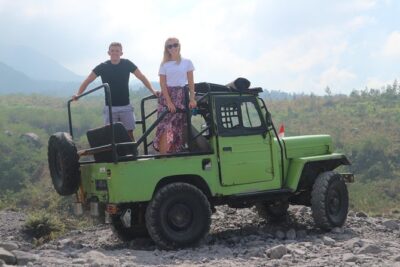 ★ 5.01 Day Yogyakarta tour ( Borobudur temple, Merapi Lava Tour, Prambanan Temple)From $76144 reviews
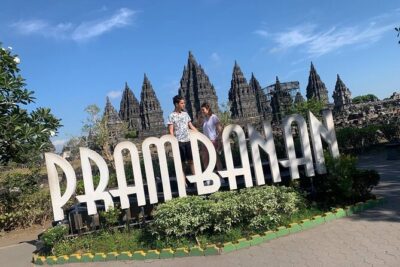 ★ 5.0Borobudur ClimbUP guaranteed (sunrise option)& Prambanan Day TourFrom $24142 reviews
Browse the lists this tour appears in