
REVIEW · BALI SILVER, BATIK AND CRAFT CLASSES
Crafting Heritage Batik Painting Workshops
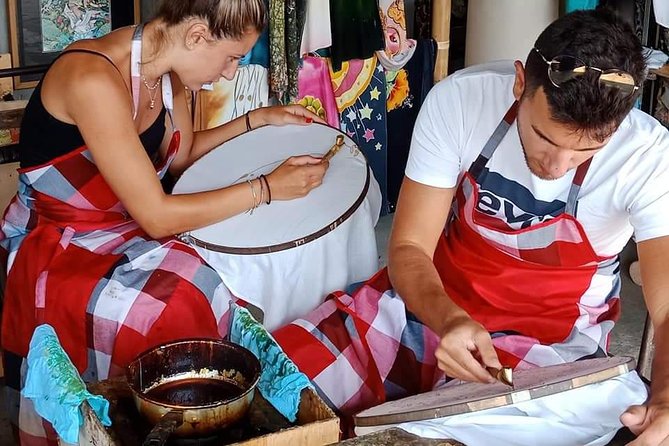
Hot wax, cool colors, and calm. This batik workshop in a mellow studio outside Ubud is interesting because you learn the resist method hands-on, from sketch to the wax-and-dye reveal. I love the hands-on batik process and the chance to see how a Balinese artist works in a family compound studio. One thing to consider: the wax drawing step is genuinely tricky, so you will want patience and a willingness to make happy mistakes.
You’ll get expert guidance, but this class is still a craft you have to do, not just watch. If you hate slow, careful work, plan for some frustration before your final look comes together.
In This Review
- Key things that make this batik class special
- Batik in a family compound: why this 3-hour class works
- Five Arts Studio in Keliki: setting, vibe, and practical details
- The hot wax and dye method you’ll actually learn
- Hands-on steps inside the workshop: sketching to your final piece
- Tutor support: work independently, or get close coaching
- What’s included for $29, and why it feels good value
- How to get the best results, even if you are not artistic
- Timing and logistics: a calm afternoon, not a half-day chase
- Should you book? My practical take on Five Arts Studio
- FAQ
- How long is the crafting heritage batik painting workshop in Ubud?
- What is included in the $29 per person price?
- Do I get to choose my own design, or do I use suggested patterns?
- Where do I meet, and does the activity end at the same place?
- Is lunch included, and can I buy alcohol?
- What is the cancellation policy?
Key things that make this batik class special
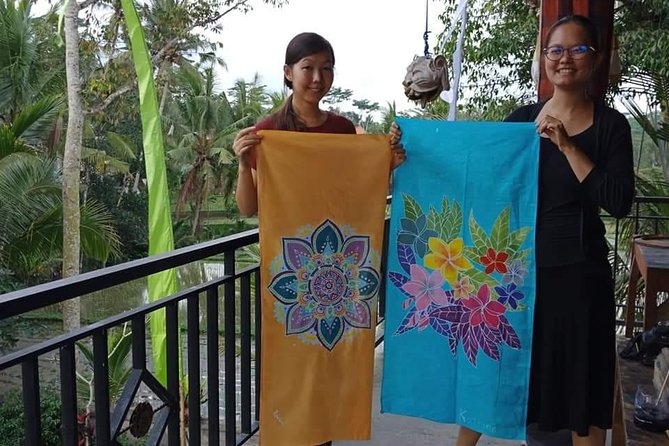
- Hot-wax resist technique you personally apply, then wash off to reveal your pattern
- A relaxed studio in a family compound just outside Ubud, not a crowded tourist setup
- Tutor support you can control, from guided coaching to working more independently
- Materials included so you can focus on creating instead of shopping for supplies
- A take-home souvenir that looks genuinely made-by-you, not mass-produced
More benches to sit at and make something
Batik in a family compound: why this 3-hour class works
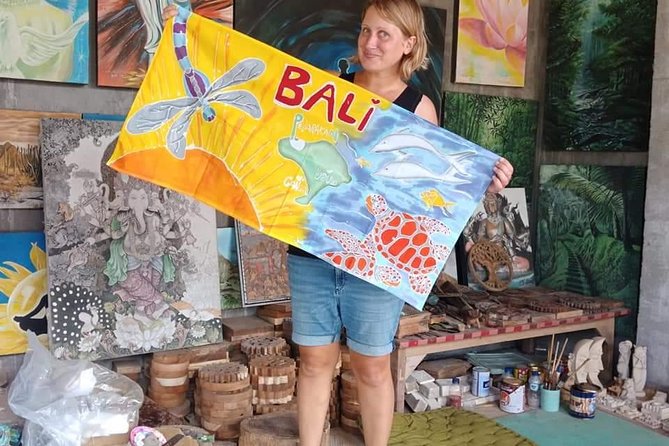
If you want Bali craft without the stress of a long day tour, this is a smart pick. The workshop runs about 3 hours, so you can fit it into a Ubud schedule without burning your whole afternoon.
What makes it click is the format. You sketch a design, draw it on fabric with hot wax, and then dye selected areas. When the wax is washed off, the outlines stay in the original color. That is the core batik magic, and here you do the steps yourself with guidance.
I also like the mood. The class happens in a casual, comfortable studio in a family home compound outside Ubud. That family setting matters because batik is not treated like a performance. It is treated like work that happens with patience, tools, and real routines.
Five Arts Studio in Keliki: setting, vibe, and practical details
Your session starts at Five Arts Studio on Jl. Raya Keliki, Keliki, Kec. Tegallalang, Kabupaten Gianyar, Bali 80561. It ends back at the meeting point, so you are not hunting for your way out of the area.
The biggest practical upside is that this is a mobile ticket activity, so you can keep your planning simple. The group size is also capped at 30 travelers, which usually means the instructor can actually see what people are doing rather than racing past everyone.
The area is described as near public transportation, and a key plus for many visitors is that snacks, coffee and/or tea, and mineral water are included. You are not paying extra to keep your energy up mid-class.
One small reality check: the operator lists a strong physical fitness level requirement. That does not tell you much about stairs or walking, but it is enough to prompt you to think about your comfort level with uneven paths or time spent standing in a working compound.
The hot wax and dye method you’ll actually learn
This workshop centers on one of Indonesia’s most recognizable crafts: hand-painted batik fabric. It is a vital part of Indonesian culture, and you get more than a surface explanation because you learn how the method works.
Here’s the technique in plain terms.
- You sketch out a design concept first.
- You apply hot wax to draw the pattern onto the fabric.
- You dye the fabric so that only selected areas take on color.
- After dyeing, you wash the wax off.
- The waxed lines resist dye, so the outlines stay in the original fabric color.
That resist effect is why batik looks so crisp, with clear boundaries between colors. It is also why the process takes care. If the wax line smears or misses a spot, the dye can sneak where you did not want it.
The upside is that once you understand the logic, you can make meaningful creative choices even as a beginner. You are not relying purely on brush skill. You are making decisions about where wax goes and where dye goes.
Hands-on steps inside the workshop: sketching to your final piece
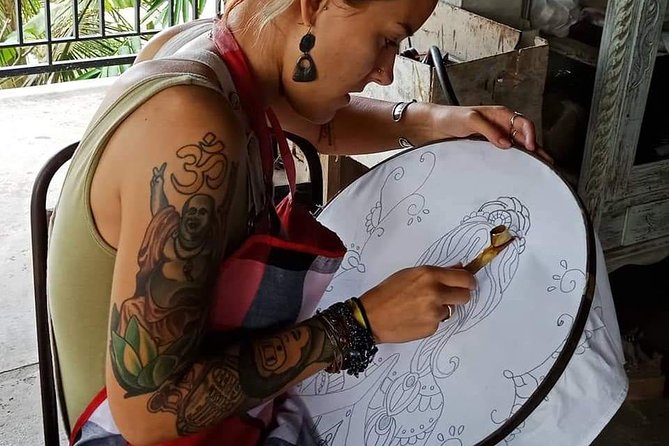
A batik workshop can sound like a “paint-by-number” activity. This one is closer to building a small craft workflow.
You begin by learning and planning your motif. You can likely pick from suggestions and patterns, and some classes in this studio style also let you incorporate your own ideas, as long as they fit the wax-and-dye process. If you like structure, you will probably appreciate the available stencil-style options.
Then comes the heart of the class: drawing with hot wax. This is the step where you either feel calm and focused, or you rush and regret it. Most people do best when they slow down and treat the wax like a tool that needs steady control. The wax also creates that distinctive batik look because you are outlining shapes and building boundaries.
After the wax stage, you move into dye. Dyes are how the fabric turns colorful, but the wax controls which sections get dyed. This is where your design starts to take shape in layers. You can see the logic of batik right away, even if you are not a “real artist.”
Finally, you wash off the wax. That reveal is why people love this class. The outlines and negative spaces you created by resisting dye become visible. You take home the result as a genuine souvenir from your own work.
- Uluwatu Sunset, Kecak Dance, and Dinner Jimbaran Beach★ 5.0 · 3,681 reviews
- Tanah Lot and North Bali Tour: Scenic Journey★ 5.0 · 3,620 reviews
- Body Massage Experience in Ubud Traditional Spa★ 5.0 · 3,506 reviews
- Best of Bali Waterfalls: Tibumana, Tukad Cepung and Tegenungan★ 5.0 · 3,047 reviews
- Bali: Ubud Kecak and Fire Dance Show Tickets★ 4.4 · 2,631 reviews
Tutor support: work independently, or get close coaching
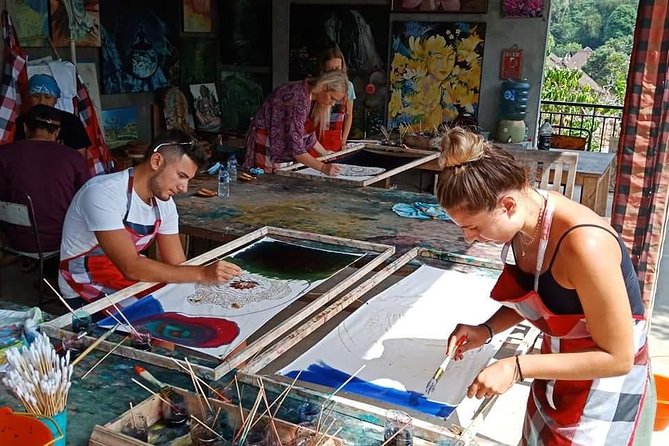
One underrated value here is the flexibility of instruction. You can choose whether to work independently or more closely with the tutor.
That matters because batik has a learning curve. If you are comfortable figuring things out, you get room to experiment. If you want fewer missteps, you can stick closer to the instructor and ask for help at key points.
From the class vibe, the team’s approach seems patient and step-by-step. People often come in nervous about messing up, especially during the wax stage, and the best outcome comes when the instructor keeps you moving without shaming mistakes. You need that permission to make happy accidents, because batik rewards experimentation.
If you want the smoothest experience, my practical advice is to ask for a quick check before you start each major step. For example, pause right before wax application and make sure your lines and boundaries match what you want the dye to do. That one habit can save you time later.
What’s included for $29, and why it feels good value
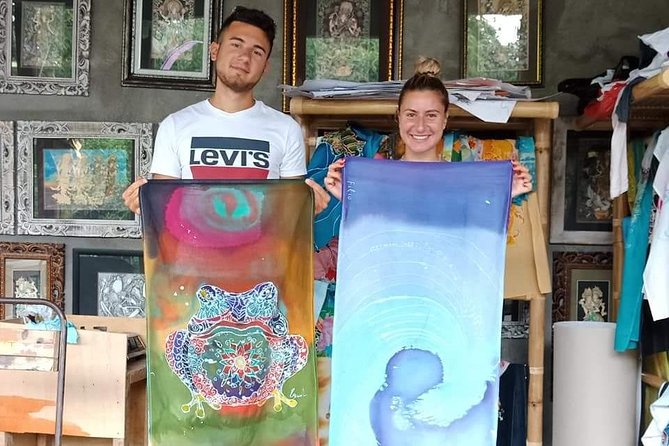
At $29 per person, this workshop is priced like an affordable activity, but the value is in the full package.
What you get included:
- All materials needed to make an original batik piece
- Snacks
- Coffee and/or tea
- Mineral water
You are not bringing your own fabric, dyes, or wax. You are paying for the materials and for the teaching. That is what makes it good value compared with the common alternative, buying a finished souvenir. A finished piece can be beautiful, but you are paying for someone else’s time. Here, you pay for your own time and guidance, and you leave with a piece that feels personal.
A quick budgeting note: lunch is not included, but you can order local food on your own. Alcohol is available to purchase, so if you want a beer or something similar, you will need to buy it separately.
This structure is useful. You can treat the class like a half-day creative break, snack your way through, and then handle lunch nearby when you are hungry.
How to get the best results, even if you are not artistic
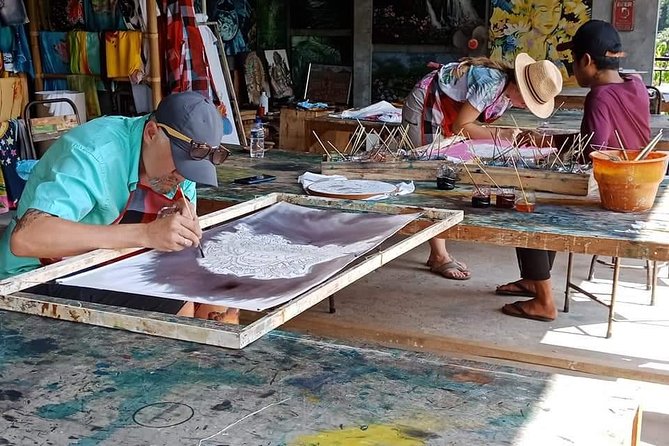
I’m going to be honest: batik is harder than it looks in photos. The wax needs control. The dye needs timing. And you need to accept that your first attempt may not look like the perfect sample.
Here’s what helps you get a result you will actually be proud to take home:
- Slow down in the wax stage. Crisp boundaries come from patient lines.
- Pick a design that fits the resist method. Simple, bold shapes are easier than tiny details.
- Plan for color choices. You will get more satisfaction if you choose a color direction you really like.
- Don’t chase perfection. If you try to be flawless, you may lose the calm that makes the class work.
The studio environment is often described as peaceful and calming, which is great for creativity. But the craft still demands attention. Think of it like mindful handiwork. You are building a piece step-by-step, not rushing to finish.
Also, if you are traveling with kids, this type of craft can work well because the instructor can support the tricky parts. One highlight from the experience style is that they help people succeed, including beginners and younger participants.
Timing and logistics: a calm afternoon, not a half-day chase
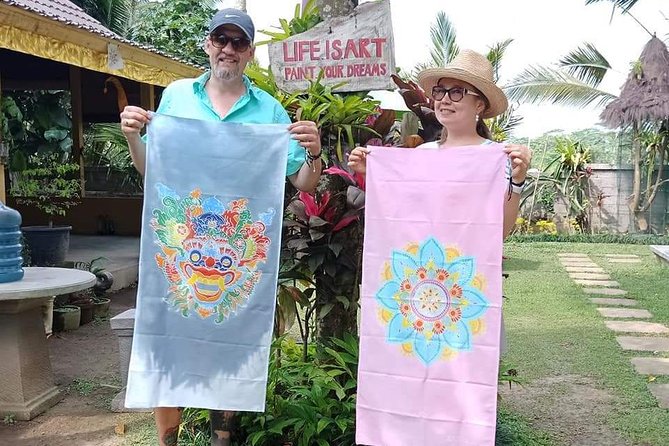
Your time commitment is around 3 hours. That is a perfect length for Ubud because you can do it either as a midday reset or an early afternoon creative activity.
Since the class ends back at the meeting point, your transportation plans stay simple. You do not need to coordinate an additional pickup point after you finish.
One logistics detail that can matter: the class uses a studio setup in a family compound. That tends to mean more “real-world” surfaces than polished floors. Wear something comfortable and easy to move in. If you know you tire quickly while standing, plan for short pauses when possible.
Should you book? My practical take on Five Arts Studio
Book this batik workshop if you want:
- A hands-on cultural activity with a clear skill you learn, not a passive show
- An afternoon that is calm and structured, with snacks and drinks included
- A souvenir that feels personal because you made it using the traditional wax-and-dye method
Skip it or think twice if:
- You hate careful, time-consuming steps, especially the wax drawing part
- You expect it to look easy from the start
- You do not feel comfortable with the operator’s stated strong physical fitness level requirement
If you are in or around Ubud and you want a creative, meaningful craft you can bring home, this class is easy to justify. The combination of materials included, small-group feel (max 30), and a take-home piece you truly created makes it a strong value for your time.
FAQ
How long is the crafting heritage batik painting workshop in Ubud?
The workshop runs for about 3 hours.
What is included in the $29 per person price?
The price includes all materials you need to make your own original batik, plus snacks, coffee and/or tea, and mineral water.
Do I get to choose my own design, or do I use suggested patterns?
You sketch out your design, and the experience supports creativity, including working with motifs you choose and suggestions/stencils. You can also work more independently or more closely with the tutor.
Where do I meet, and does the activity end at the same place?
You meet at Five Arts Studio, Jl. Raya Keliki, Keliki, Kec. Tegallalang, Kabupaten Gianyar, Bali 80561. The activity ends back at the meeting point.
Is lunch included, and can I buy alcohol?
Lunch is not included, but you can order local food. Alcohol is available to purchase.
What is the cancellation policy?
You can cancel for a full refund if you cancel at least 24 hours before the experience start time. If you cancel within 24 hours, there is no refund.
Make Something: Silver, Batik, Clay
Fresh Ubud write-ups from the review desk





Bali Silver, Batik and Craft Classes, compared.
 ★ 5.0Ubud Silver Class Jewelry making in baliFrom $36978 reviews
 ★ 5.0Ubud Monkey Forest Silver Class – Craft Your Own Silver JewelryFrom $41254 reviews
 ★ 5.0Ubud Bali Silver Jewelry ClassFrom $50163 reviews
 ★ 5.0Ondox Silver Class and jewelry UBUDFrom $30132 reviews
 ★ 5.0Batik Master Class with Full ProcessFrom $19103 reviews
 ★ 5.0Private Traditional Bali Silver Jewelry Making ClassFrom $4874 reviews
 ★ 5.0Kuta Bali Silver Jewelry Making Class Near Kuta BeachFrom $4557 reviews
 ★ 5.0Silver Jewelry Making Class in Seminyak and LegianFrom $1246 reviews
Browse the lists this tour appears in