
REVIEW · YOGYAKARTA CITY AND CULTURE TOURS
Jogja Hidden Gems – Cycling Tour
A ride like this is the fastest way to see Jogja’s rhythm. This 3-hour cycling tour threads through riverside areas and the Sultanate grounds, then hops into side streets where daily life looks more real than postcard Jogja. I love that it includes real local stops, like a Chinese temple and a quick swing by Tamansari, without turning the whole day into a checklist. I also like the human scale, since the max group size is 10 and you are never just staring at a phone. One thing to consider: it is a moderate-pace ride, so plan for some uneven roads and a bit of pedal work over about 11 km.
You’ll ride with a road captain and local experts who connect the scenery to how people live, including Javanese culture and script. In my kind of planning brain, I care about who is on the bike with you, and the reviews point to guides like Alfat, who shared history and city details in a way that made the neighborhoods feel understandable. If you want a super relaxed cruise only, this might feel more active than you expect.
In This Review
- Key highlights at a glance
- Why Yogyakarta Riverside Cycling Beats the Usual Stops
- Your Ride Setup: Bike Types, Helmets, and a Practical 3-Hour Pace
- Entering the Sultanate World, Then Sliding Into Kampung Streets
- Step one: Kalicode riverside areas, city-center starts
- Step two: Sultanate grounds, royal-family context
- Step three: Neighborhood lanes behind small streets
- Step four: A Chinese temple stop for cultural variety
- Step five: Tamansari, then a culinary market break
- Step six: Masangin between banyan tree
- How the Guides Make the City Click, Including Alfat’s Role
- Snacks, Drinks, and the Timing Sweet Spot
- Sustainability Angle, Eco-String Bag, and Why $45 Can Make Sense
- Who This Tour Suits Best (and Who Might Skip)
- Getting More Out of the 3 Hours: Simple Prep That Helps
- Should You Book This MOANA Cycling Tour Through Yogyakarta?
- FAQ
- How long is the Jogja cycling tour?
- What distance will we ride?
- Where is the meeting point?
- What tour times are available?
- What is included in the price?
- Do I need to arrange pickup or drop-off?
- What type of bikes are used?
- Is there a cancellation option for a full refund?
Key highlights at a glance
- Riverside cycling through the Kalicode areas of the city center, with easy-to-follow pacing
- Sultanate grounds and royal-family context, plus a short visit to the Kraton area
- Local street life on small lanes, including a neighborhood section behind smaller streets
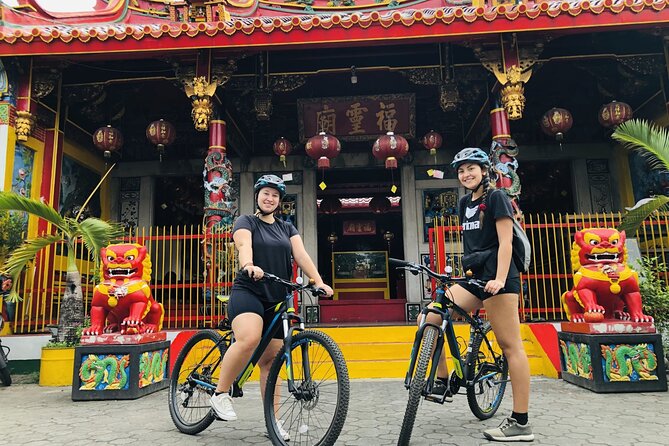
- A Chinese temple stop that adds variety to the cultural mix
- Tamansari and a traditional culinary market moment, with local snacks and drinks
- Masangin between banyan tree, a memorable cultural stop that breaks up the ride
Other rides, mostly downhill, mostly shaded
Why Yogyakarta Riverside Cycling Beats the Usual Stops
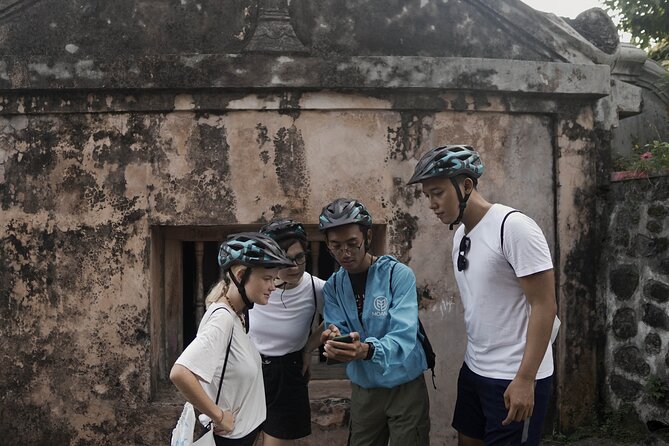
Jogja can feel compact on the map, but it does not feel compact on the ground. Bikes are the sweet spot here: you get movement without rushing, and you can notice details that you would miss standing still. This tour starts you in the riverside areas along Kalicode, which sets a calmer mood right away. Even before you hit the Sultanate story, you are already seeing the way water, daily routes, and city life overlap.
The other reason I like this ride is the Sultanate connection. The city is still shaped by a system where the Sultan is both king and governor, so the royal grounds do not feel like a museum-only relic. You get a sense of continuity, and then the tour moves outward again into neighborhoods behind small streets, where life is less formal and more everyday.
Your Ride Setup: Bike Types, Helmets, and a Practical 3-Hour Pace
This is a 3-hour experience covering about 11 km, split into a morning option (07:00 to 10:00) and an afternoon option (14:30 to 17:30). That time frame matters because it keeps the day efficient. You get enough cycling for momentum, but you also leave room to continue on foot later if you want.
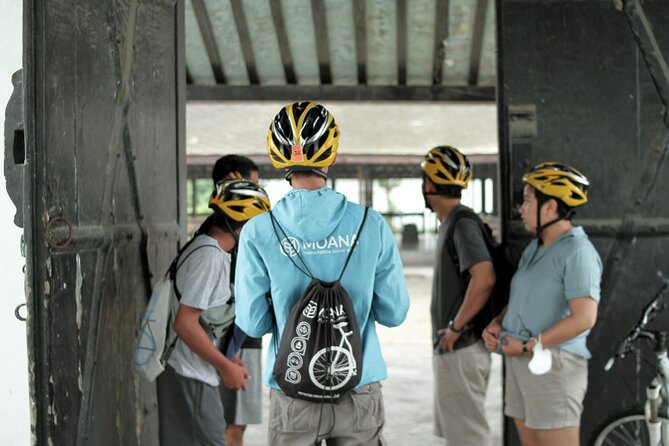
The ride is led with a road captain, which I always appreciate in traffic-heavy places. You are not left to guess your way through intersections, and you can focus on looking around.
Bike types are either mountain bike or city bike. If you are unsure, ask yourself what you are more sensitive to: if you prefer stable handling and more capability on mixed surfaces, a mountain bike can feel reassuring. If you want simple, upright comfort for urban roads, a city bike usually fits the vibe.
Also, bring a realistic expectation on effort. The tour asks for moderate physical fitness, so you should be comfortable riding for a few hours. You will not need to be a cyclist athlete, but you should not assume you can coast the whole time.
Entering the Sultanate World, Then Sliding Into Kampung Streets
The route is built like a good story: start where the city feels relaxed, then move toward power and tradition, then return to everyday life.
Step one: Kalicode riverside areas, city-center starts
You begin along the riverside in the city center. This is a smart opening because it gets you riding while the scenery is still easy to read. You will get that first wave of Jogja atmosphere without being immediately overwhelmed by logistics.
Still in Yogyakarta? Keep going
- Yogyakarta: Borobudur Top Access & Prambanan Temple Private Tour★ 5.0 · 390 reviews
- Small-Group Walking and Food Tour by Night in Yogyakarta★ 5.0 · 313 reviews
- Yogyakarta: Borobudur Climb-up & Prambanan Day Trip All Inclusive★ 5.0 · 226 reviews
- Yogyakarta: Borobudur (climb), Prambanan & Other Visit By Request★ 5.0 · 211 reviews
- Yogyakarta Car Rental with Driver for Daily and Multi-Day Tours★ 5.0 · 169 reviews
Step two: Sultanate grounds, royal-family context
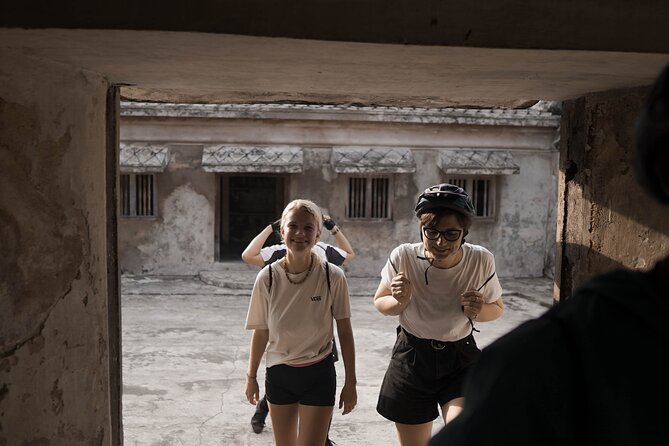
Next you move toward the Sultanate’s historic grounds. The tour is designed to give you an insider view of how Jogja works around the Sultanate. Even if you have visited palaces before, this is different because the Sultanate is framed as living governance, not only architecture.
You also get a short visit in the Kraton area. The tour keeps it brief, which I see as a positive if you want to spend your energy cycling and then keep learning along the route instead of being stuck waiting in one place.
Step three: Neighborhood lanes behind small streets
After the palace-area portion, the tour shifts into the “how people actually move” part. You ride through parts of the neighborhood behind smaller streets, which is where you see daily habits you would not stumble across by chance. This is also where a guide’s role matters most. They can help connect what you see to culture and routine, not just point out buildings.
Step four: A Chinese temple stop for cultural variety
The itinerary includes a Chinese temple visit. This is a key variety boost. Jogja’s cultural map is not single-threaded, and adding this stop gives you a more complete picture of what coexistence looks like in everyday city life.
Step five: Tamansari, then a culinary market break
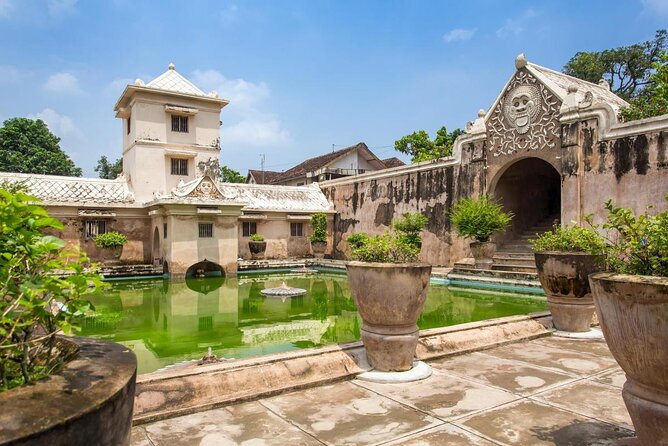
Toward the end you get a short visit to Tamansari, followed by time that feels more like a pause than an attraction stop. There is a traditional culinary market moment with local snack and drink sampling. This is the part where biking stops being only sightseeing and starts feeling like you’re sharing a lived rhythm: small bites, quick conversations, and a break you genuinely want after time on the road.
Step six: Masangin between banyan tree
One stop that I think you will remember is Masangin between banyan tree. The tour calls it out as an experience, which tells you it is not just another photo point. Even without a long explanation given to you in advance, the format signals a short, meaningful stop that shifts your attention from cycling to culture.
How the Guides Make the City Click, Including Alfat’s Role
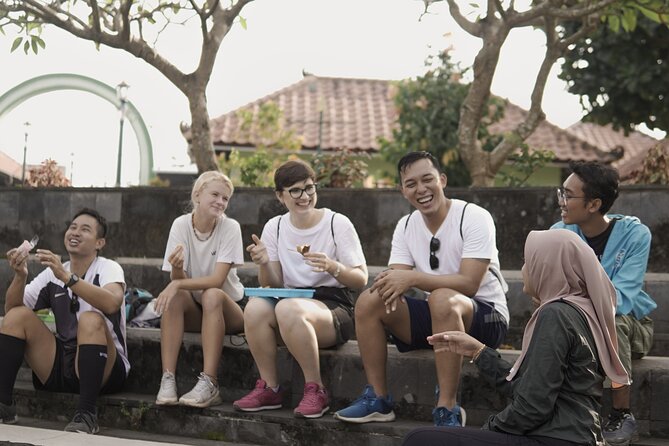
The difference between a bike ride that is simply transportation and one that teaches you something is how the guide speaks. This tour uses local experts, and they bring two types of value.
First, they connect places to the way Jogja is run and lived. The Sultanate story fits here, but so do the neighborhood lanes and daily city patterns.
Second, the tour includes learning about Javanese culture and script. That detail might sound academic, but the practical value is that it gives your eyes a new frame. When you see writing or cultural references during the ride, you are not just noticing shapes. You understand why they matter, at least on a basic level.
In the reviews, the guide name Alfat comes up specifically, described as sharing history and helping the route feel connected to daily life in the kampung. That matches what good guiding should do for a short 3-hour window: make you feel oriented quickly, and then help you keep seeing with better questions.
Snacks, Drinks, and the Timing Sweet Spot
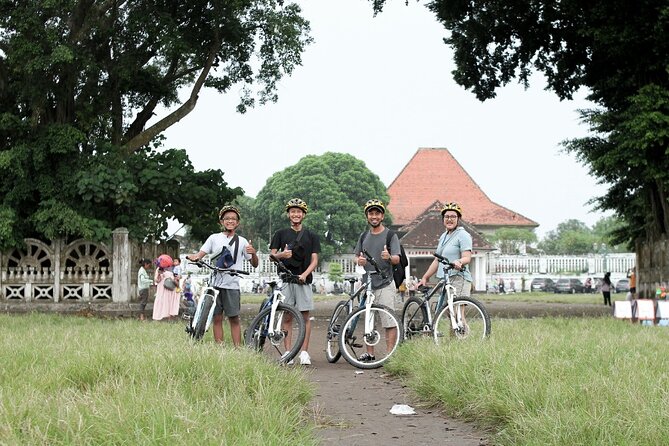
This tour does not treat food like an afterthought. It builds in refreshing drinks and snacks along the way. That matters because it keeps your energy stable, especially for an 11 km ride where you might not be on a perfectly smooth track the whole time.
You should also expect the snacks and drink moments to be local, not just generic convenience stops. The tour specifically includes a traditional culinary market visit, and that tends to mean choices you would not automatically pick on your own.
Practical tip: if you are sensitive to heat, plan your hydration strategy before the ride ends. The tour includes drinks, but hot afternoons can still sneak up on you. If you can, wear breathable clothing and consider bringing a small water bottle for after the tour, since you finish back at the starting point.
Sustainability Angle, Eco-String Bag, and Why $45 Can Make Sense
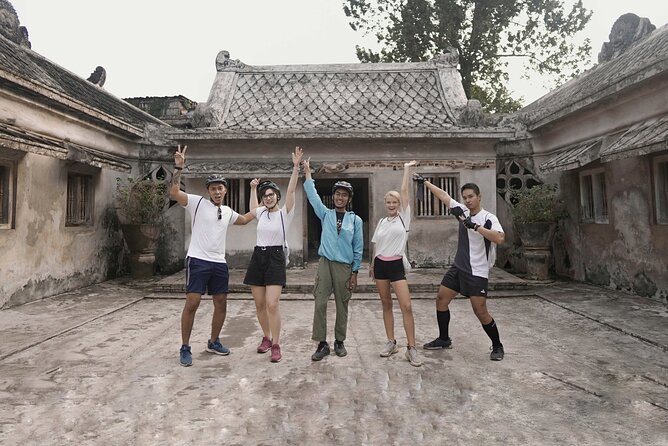
The tour is priced at $45 for about 3 hours, and the value is easier to see when you look at what is included. You get the bicycle and helmet, plus local experience time, refreshments, and a road captain. You also receive a free eco-string bag, and the tour mentions a sustainability action fund.
In other words, you are not only paying for a guide and a bike. You are also paying for an organized route, safety support, and a local experience that tries to keep tourism from being purely extractive. That sustainability piece might be small in your day-to-day view, but it can matter for how the tour operates and how it impacts communities.
Also, with a maximum of 10 travelers, this is not a giant group machine. Smaller groups typically mean you spend less time waiting and more time actually moving and learning.
If you prefer value that feels earned, the mix of cycling plus multiple cultural stops plus food breaks is what justifies the price.
Who This Tour Suits Best (and Who Might Skip)
This tour fits you best if you want:
- a short, active way to understand Jogja beyond the biggest landmarks
- a mix of culture and streets, not only a single monument circuit
- local food sampling and a ride that includes real breaks
- a group size small enough to feel human
You might skip this tour if you want:
- a fully relaxed sightseeing pace with no cycling effort
- no street riding at all, since the route includes small streets and neighborhood areas behind smaller roads
- a long palace-style visit, since key royal-area time is intentionally short so you can keep riding
It also makes sense if you already know you want to explore Kraton and Tamansari, but you do not want to do them as separate, time-consuming trips.
Getting More Out of the 3 Hours: Simple Prep That Helps
I recommend a few small choices before you show up.
Wear comfortable shoes you can walk in. Even if most of the time is on the bike, you will likely do short transitions between stops.
Bring light layers, since mornings and afternoons can feel different once you are moving along riverside areas and back toward urban neighborhoods.
Use your snack and drink break wisely. The market and refreshment moments are timed to keep you going, so try not to save everything for later. Eat enough to stay comfortable on the next segment.
And when you meet the guide team, treat the learning moments like free bonus time. Ask a quick question about what you are seeing, especially around the Sultanate context and the Javanese script topic. It is the difference between seeing stops and understanding what you are seeing.
Should You Book This MOANA Cycling Tour Through Yogyakarta?
If you want a practical, well-paced Jogja experience that mixes riverside cycling, Sultanate context, a Chinese temple stop, and a Tamansari plus market snack break, I think it is a smart booking.
I would book it if you value small-group riding, guided context, and you like getting off the main roads. The ride distance is manageable, the time commitment is short, and you get clear inclusions, especially the bike, helmet, refreshments, and local experience.
If you are the kind of traveler who only wants slow walking in major sights, you might prefer a classic guided tour instead. But if you want to feel Jogja moving around you, this bike format does the job with less wasted time.
FAQ
How long is the Jogja cycling tour?
It runs for about 3 hours.
What distance will we ride?
The tour covers about 11 km.
Where is the meeting point?
The tour meets at MOANA Hub Prawirotaman. The start address is listed as Jl. Gerilya No.646, Brontokusuman, Kec. Mergangsan, Kota Yogyakarta, Daerah Istimewa Yogyakarta 55153, Indonesia.
What tour times are available?
There are two options: morning 07:00 to 10:00, and afternoon 14:30 to 17:30.
What is included in the price?
Included are the bicycle, helmet, an eco-string bag, local experience, refreshing drinks and snacks, a road captain, and a sustainability action fund.
Do I need to arrange pickup or drop-off?
Pick up and drop services are not included.
What type of bikes are used?
The tour uses either a mountain bike or a city bike.
Is there a cancellation option for a full refund?
Yes. Cancellation is free, and you can cancel up to 24 hours in advance of the experience start time for a full refund.
Still in Yogyakarta
Two Wheels, Mostly Downhill
Fresh Yogyakarta write-ups from the review desk

Yogyakarta City and Culture Tours, compared.
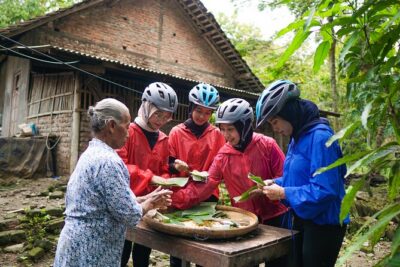 ★ 5.0Menoreh Village CyclingFrom $22611 reviews
 ★ 5.0Borobudur Top Access & Prambanan Temple Private TourFrom $73390 reviews
 ★ 5.0Small-Group Walking and Food Tour by Night in YogyakartaFrom $36313 reviews
 ★ 5.0Authentic Yogya Bicycle TourFrom $22232 reviews
 ★ 5.0Borobudur Climb-up & Prambanan Day Trip All InclusiveFrom $60226 reviews
 ★ 5.0Borobudur (climb), Prambanan & Other Visit By RequestFrom $120211 reviews
 ★ 5.0Yogyakarta Car Rental with Driver for Daily and Multi-Day ToursFrom $46169 reviews
 ★ 5.01 Day Yogyakarta tour ( Borobudur temple, Merapi Lava Tour, Prambanan Temple)From $76144 reviews
Browse the lists this tour appears in