
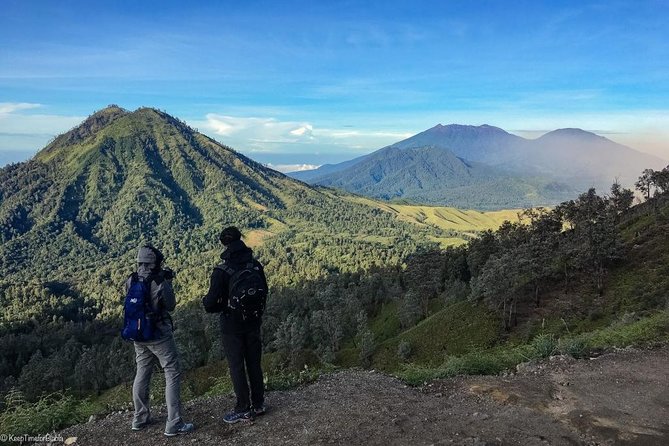
REVIEW · IJEN CRATER BLUE FIRE HIKES
Kawah Ijen Midnight Tour (1 Day)
Midnight in Java, blue fire and real work. This Kawah Ijen tour runs from Banyuwangi at 12:30 am so you can reach the crater in time to see the famous blue natural flames and then watch the sunrise from the top. I like the way the tour handles the hard logistics, with private transport and entrance fees included.
My other big win is the safety setup, you get a flashlight and a gas mask so you are not figuring that out at the last minute. The one thing to consider is the physical reality: it is a hard, long hike up and down on dark, stony paths, so plan on a steady pace and don’t expect it to feel easy.
In This Review
- Key things to know before you go
- Kawah Ijen midnight blue flames: why this timing works
- Price and value: what $61.54 covers (and why it matters at night)
- From Banyuwangi pickup to crater arrival: how the night flows
- The climb to Ijen Crater: pace, footing, and staying steady
- Blue flames in the dark: what to watch for and how not to miss it
- Sulfur miners and the 70 kg reality: why the story part is worth it
- Sunrise at the top: the payoff after the night effort
- The descent down: where accidents happen, and how to prevent them
- What you should bring (and what you can leave at home)
- Who this tour suits best, and who should rethink it
- How to judge guide quality on the ground
- Should you book this Kawah Ijen midnight tour?
- FAQ
- Where is the tour meeting point?
- What time does the tour start?
- How long does the Kawah Ijen midnight tour take?
- Is this tour private?
- What is included in the price?
- Is food and drink included?
- What safety gear will I receive?
- What fitness level do I need?
- What if the weather is bad?
- What is the cancellation policy?
Key things to know before you go
- Private transport and entrance fees included, so you start the night without hunting for tickets
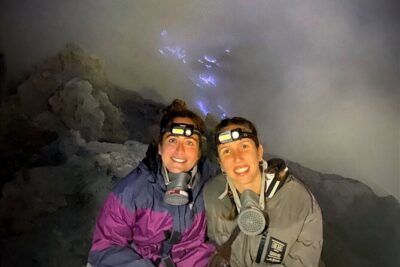
- Flashlight and gas mask provided, which matters on a sulfur-smelling volcano
- A timed push to catch blue flames, so going too slow can mean missing the best moment
- A guide who keeps you moving in the dark, reducing the risk of getting lost
- A real look at sulfur mining, including stories tied to carriers carrying about 70 kg
- Sunrise included, turning a night hike into a full crater experience
More overnight starts for the Ijen crater rim
Kawah Ijen midnight blue flames: why this timing works
The best part of Kawah Ijen is not just what you see, it is when you see it. The tour starts late, with departure at 12:30 am, which puts you at the crater area during the hours when the volcanic fumes and blue flame effects are your main event.
This is also why you cannot treat it like a casual walk. You are hiking in the dark, you have limited time at key viewpoints, and you need to be at the right spots when it counts.
If you want the blue flames plus sunrise without stress, the tour’s night schedule is the whole point. You are trading your own planning time for a guided rhythm that is built around that short window.
Price and value: what $61.54 covers (and why it matters at night)
At about $61.54 per person, this tour is not just paying for a guide. You are also paying for private transport, entrance fees, and the safety essentials like a gas mask and flashlight.
That value is real in Banyuwangi at night. You can easily burn hours figuring out transfers, meeting points, and whether you are holding the right ticket for entry. Here, the tour includes the entrance fee, and it is designed to take logistics off your plate so you can focus on the hike.
You also get the benefit of private transport and a private tour setup for your group. That usually means fewer waiting gaps and more consistent pacing when you are dealing with dark trails.
From Banyuwangi pickup to crater arrival: how the night flows
The meeting point is in Banyuwangi, and the tour ends back at the same meeting point. You start in the middle of the night, and you are driven to the Ijen area so you do not have to arrange your own transfer after dark.
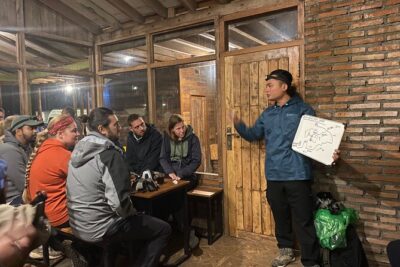
Once you are at the crater area, the experience becomes a guided hike experience. The guide matters more than usual here, because the trail is dark and stony, and you want to keep moving in a safe, controlled way.
This is where the flashlight provided by the tour becomes more than a nice extra. You are walking at night with limited light, so having a reliable beam helps you place your feet and follow the guide’s route instead of guessing in the dark.
The climb to Ijen Crater: pace, footing, and staying steady
Your main stop is the Ijen Crater area, and you should expect about 3 hours tied to the crater experience. Even with a guide, it is still a climb and then a walk down later, so moderate physical fitness is the baseline the tour recommends.
One practical tip: do not plan to crawl up. A slower pace can cost you in timing, because the blue flame moment comes with a schedule and a crowd rhythm. If you go too slow on the way up, you might reach the most dramatic viewing time when it is already crowded or when the moment has passed.
The guide support also makes a difference on the tougher sections. Some paths are narrow and stony, so good coaching helps you move carefully without stopping every five minutes.
- Kawah Ijen Midnight Tour (1 Day)★ 4.5 · 7 reviews
- Kawah Ijen Blue Fire Tour – Share Package★ 5.0 · 7 reviews
Blue flames in the dark: what to watch for and how not to miss it
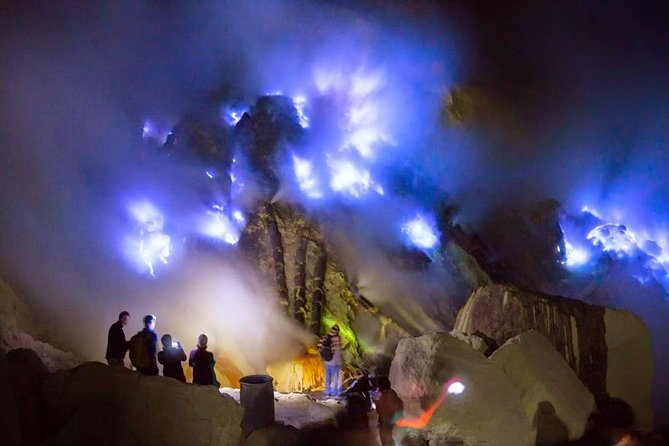
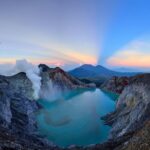
The main event is the dazzling blue natural flame near the crater. These flames are linked to burning sulfur, and you are there at night specifically to catch them.
Because this effect is time-sensitive, your biggest job is pacing. If you keep a steady climb and listen to your guide about when to stop and where to look, you maximize your odds of seeing the blue flame moment clearly.
Crowds are part of the deal at Kawah Ijen. You will likely be sharing the route and viewpoint approach with other hikers, so the guided plan helps you reach viewing spots at the right time.
Sulfur miners and the 70 kg reality: why the story part is worth it
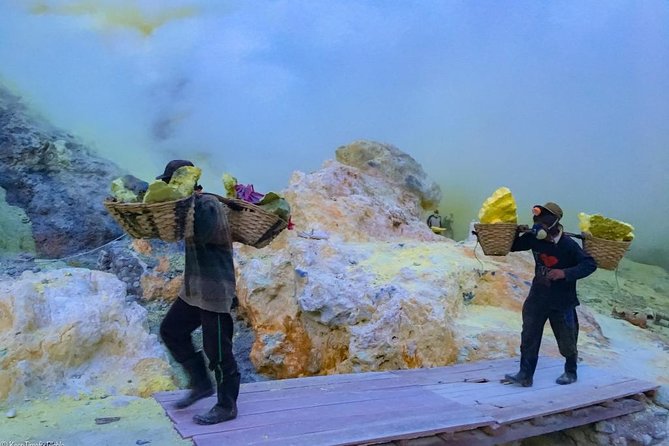
The tour does not treat the mountain like a photo backdrop only. You also learn about the sulfur mining operation and the people who work on the slopes.
A key detail that makes this feel real is the discussion of sulfur carriers carrying about 70 kg of sulfur stones on their shoulders. That gives you context for what you are watching, and it changes how you look at the crater area.
You also get a human side to the experience, not just science talk. Guides tend to explain how hard the work is and what it means to climb and carry loads in harsh conditions. Even if you are mostly there for photos, this kind of context makes the visit more meaningful.
Sunrise at the top: the payoff after the night effort
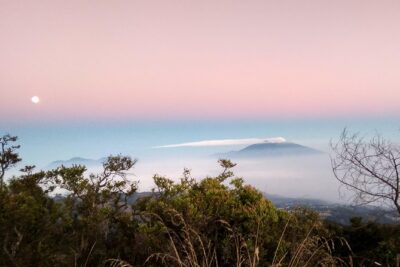
After the blue flame viewing window, the experience shifts toward sunrise. This is a big part of why the hike is worth it, because you are not only walking through the dark, you are also walking toward a payoff.
Watching sunrise from the crater area is often where the fatigue starts to feel worth it. The night climb is demanding, but sunrise gives you a reason to keep your energy up and stay present instead of rushing.
Plan for changing conditions, too. Even if the sky looks clear when you start, it can feel cooler and tougher as you move higher and wait for the light.
The descent down: where accidents happen, and how to prevent them
The descent is usually where people feel the most risk. The trail down can be steep and uneven, and it can feel dangerous on narrow, dark, stony paths.
The good news is that you are not doing this alone. A good guide helps you navigate the trickier parts and gives you practical instructions on where to place your feet and when to take your time.
If there is one thing I would stress before you go, it is this: don’t “practice bravado.” Stay close to your guide, take the turns slowly, and avoid sudden changes in pace. The mountain does not care if you are in a hurry.
There is value in going with someone who already knows the route well in the dark. That is the biggest safety difference between a guided night tour and trying to do it independently.
What you should bring (and what you can leave at home)
The tour provides key items like a gas mask and flashlight. That means you can travel lighter than you might expect.
Still, you should bring sensible hiking gear and personal basics. Since this is a night hike plus sunrise, pack for cold early hours and for walking on rough ground.
Practical items to consider:
- A warm layer you can keep on during the waiting periods
- Sturdy shoes with grip for stony trails
- Water and simple snacks, because food and drink are not included
- A small bag to keep your hands free when you need balance
If you are unsure about the hike difficulty, treat it as moderate fitness, not beginner friendly. The tour clearly fits best if you can hike steadily for hours on uneven ground.
Who this tour suits best, and who should rethink it
This is a strong match if you want the full Kawah Ijen experience in one organized outing: night blue flames, crater time, and sunrise. It also works well if you like having someone handle the difficult part, the transport, timing, and route in the dark.
It is a particularly good choice if you prefer private tour attention. You are not trying to blend into a big group’s pace, and your guide can focus on keeping your group safe and moving.
You should rethink it if you are prone to slipping on rough terrain, or if you are uncomfortable hiking in the dark. Also, if your priority is a relaxed stroll with lots of slow stops, the timing around blue flames may feel tight.
How to judge guide quality on the ground
I do not think you need to be an expert to tell if a guide is doing a good job here. You can look for practical signs fast.
A strong guide:
- Sets a safe rhythm for the climb so you have time for blue flame viewing
- Helps you navigate narrow, stony sections in darkness without rushing you
- Explains the sulfur mining context in a way that connects what you see to real lives
- Keeps the group together during the trickier downhills
When I read accounts where guides named like Deden and John were praised, the theme was consistent: they focus on safety during the crater approach and descent, and they add context about the mining operation. That is exactly what you want at Kawah Ijen.
Should you book this Kawah Ijen midnight tour?
I think you should book it if you want the most efficient way to see Kawah Ijen at the right time, without the headache of arranging night transport and entry. The price makes more sense when you consider it includes private transport, entrance fees, and the gas mask plus flashlight, not just a guide.
You might skip it if you know you are not comfortable with a long, physically demanding hike, or if the idea of hiking back down on dark, uneven paths feels stressful. Also, if you tend to move very slowly, you may want to choose a plan that can better match your pace, because timing affects the blue flame viewing window.
If you do book, go in with a steady mindset, follow your guide’s instructions, and treat sunrise as part of the reward, not a bonus you might miss.
FAQ
Where is the tour meeting point?
The tour starts in Banyuwangi, Banyuwangi Sub-District, Banyuwangi Regency, East Java, Indonesia, and it ends back at the same meeting point.
What time does the tour start?
The start time is listed as 12:30 am.
How long does the Kawah Ijen midnight tour take?
The duration is about 8 hours.
Is this tour private?
Yes, it is a private tour or activity, meaning only your group will participate.
What is included in the price?
The tour includes private transport, a private tour guide, the entrance fee, and a gas mask and flashlight.
Is food and drink included?
No. Food and drink are not included.
What safety gear will I receive?
You get a gas mask and a flashlight provided by the tour.
What fitness level do I need?
You should have a moderate physical fitness level.
What if the weather is bad?
This experience requires good weather. If it is canceled due to poor weather, you will be offered a different date or a full refund.
What is the cancellation policy?
You can cancel for free. You must cancel at least 24 hours in advance of the experience start time for a full refund.
Ijen and the Blue Fire
Fresh Banyuwangi write-ups from the review desk
Ijen Crater Blue Fire Hikes, compared.
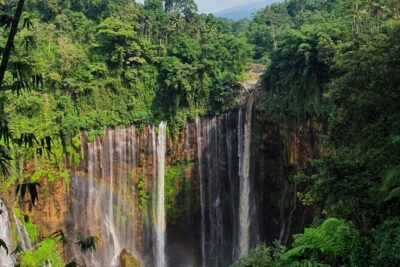 ★ 5.03Days – Tumpaksewu Bromo Ijen Adventure via Malang or SurabayaFrom $282405 reviews
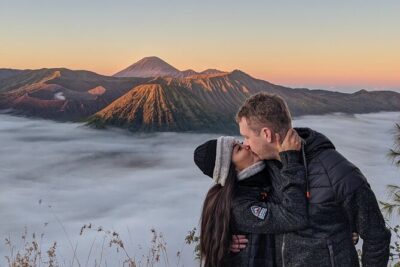 ★ 5.0From Surabaya / Malang : Mt Bromo Sunrise – Ijen Blue Fire 3D2NFrom $387351 reviews
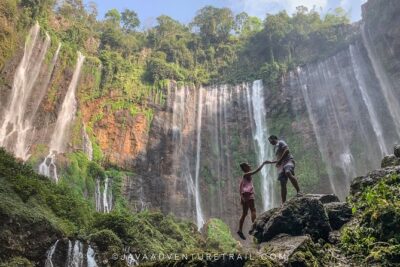 ★ 5.0Surabaya – Mount Bromo – Tumpak Sewu Waterfall – Ijen Bluefire Tour – Bali 4d3nFrom $500350 reviews
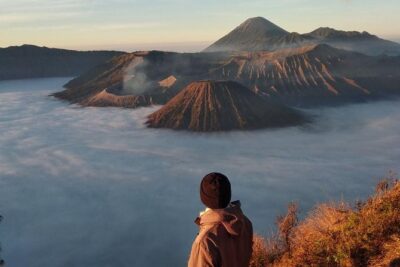 ★ 5.0From Surabaya / Malang : Mt Bromo Sunrise – Ijen Blue Fire 2D1NFrom $333330 reviews
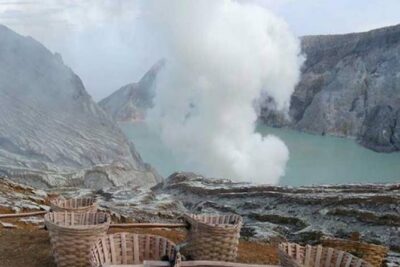 ★ 5.0Active Volcanoes Bromo and Ijen – Start Surabaya 3 Days and 2 NightsFrom $325292 reviews
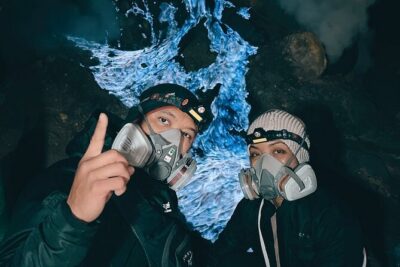 ★ 5.04D3N Bromo Ijen Tumpak Sewu Waterfall Tour from Surabaya/MalangFrom $527202 reviews
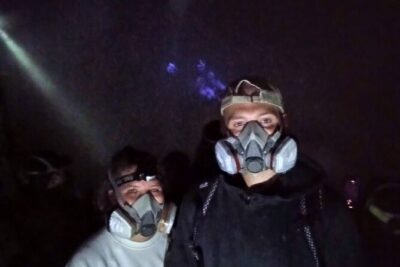 ★ 5.02Days – Bromo Sunrise Ijen Adventure via MalangFrom $199152 reviews
 ★ 5.0From Bali : Bromo & Kawah Ijen – 3-Day AdventureFrom $348147 reviews
Browse the lists this tour appears in