
REVIEW · BALI WATERFALL TOURS
Purifications at Beji Griya Waterfalls
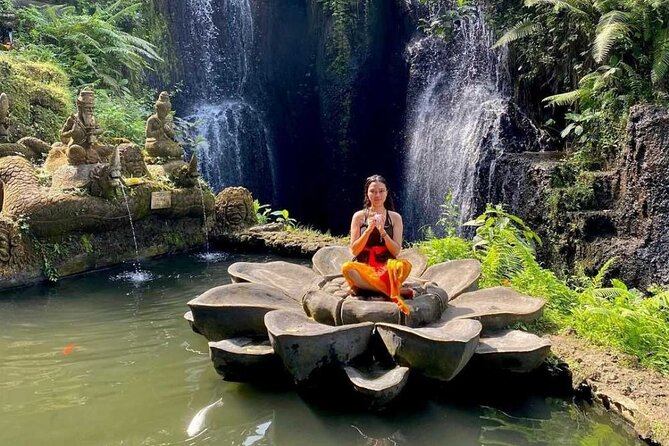
Few places feel this spiritual and practical. Purifications at Beji Griya Waterfalls is a classic Balinese melukat rite done at a real waterfall temple setting, where holy water, water rituals, and a priest work together to help you reset mentally and physically. I like how the experience is structured into clear steps, not vague chanting, with multiple purification stages and a thoughtful finish that leans on holy blessing rather than just scenic time.
What I really appreciate is the hands-on nature of the ceremony. You get guided purification actions like a shower in a hidden canyon and purification through springs, plus moments to let emotion go in the waterfall itself. The second big win for me is value: at $50 per person, you’re not just buying admission, you’re getting private transportation, a priest, offerings, sarong and towel gear, and even a healthy coffee or tea.
One consideration: this is weather dependent. If rain or poor conditions interfere, the experience can be rescheduled or refunded, so plan for a flexible half-day window in Ubud.
In This Review
- Key highlights to know before you go
- Melukat at Beji Griya: what this holy-water rite is about
- Plan for a 6-hour half-day: pickup, timing, and how it feels
- Beji Griya Park Waterfall Temple: where the purification actually happens
- The hidden-canyon shower and spring purification steps
- Releasing emotions in the waterfall: the emotional reset moment
- Final pool shower and the priest blessing with young coconuts
- What the $50 price gets you, and where you might spend extra
- Who should book this purification at Beji Griya Waterfalls
- Should you book Purifications at Beji Griya Waterfalls in Ubud?
- FAQ
- How long is the Beji Griya purification experience?
- Where is this purification ritual located?
- What is included in the tour price?
- Is alcohol included?
- Does the tour include a pickup and drop off?
- Is this a private experience or a shared group?
- What should I expect during the ceremony?
- Can I cancel for a full refund?
Key highlights to know before you go
- Melukat, explained in body-and-soul terms: a Balinese self-purification ritual meant to wash away negative influence and mental burdens
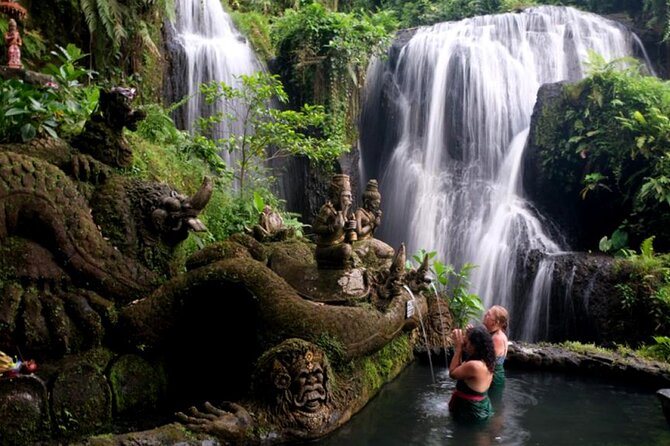
- Four ceremony beats at the waterfall temple: canyon shower, springs, waterfall emotional release, then a final pool cleansing
- Priest-led process plus offerings: you’re not doing this alone, and the ritual includes the symbolic steps
- Two young coconuts for the water blessing: a specific, memorable part of the ceremony
- Included support items: sarong, belt, locker access, towel, and a healthy drink
Still chasing water? More falls we have written up
Melukat at Beji Griya: what this holy-water rite is about
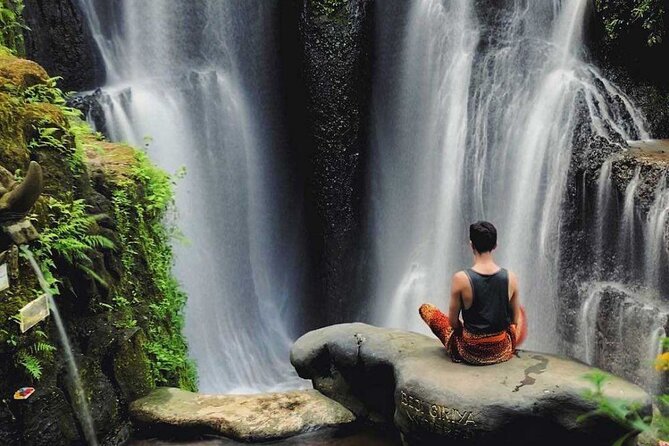
Melukat is the Balinese Hindu tradition of self-purification. The idea is simple, but not subtle: your body gets dust and germs, and your mind and spirit can pick up mental pollution too. In Bali, that can show up as anxiety, heavy thoughts, nightmares, or general imbalance, and the ritual is designed to bring wellness, goodness, and calm.
The core of the belief is holy water blessing. The ceremony uses natural water sources and temple ritual steps, guided by a priest, to help people feel cleaned out in more than one way. Even if you do not treat the spiritual language literally, there is a real practical benefit to having a structured, meaningful reset.
I also like that the tone is grounded in daily life. This is not a performance. It’s a repeatable ritual with clear actions, and that matters because it gives you something concrete to focus on instead of just standing around and hoping you get the right vibes.
Plan for a 6-hour half-day: pickup, timing, and how it feels
You should plan on about 6 hours total in Ubud, including the private transport and the time on site. The purification portion itself runs around 4 hours, which is long enough to do the full sequence without feeling rushed, but not so long that you lose your day to waiting.
This experience is set up as a private tour/activity, meaning only your group participates. That tends to make a spiritual ritual easier, because you can move at the pace of your own comfort level. You also get private transportation with pickup and drop off, which is a big deal in Bali because roads, traffic, and finding the right spot can eat time.
One more thing I like for first-timers: you get the basics for the ceremony environment. Sarong, belt, locker, and towel are included, so you can focus on showing up clean and ready for water rather than shopping for gear. Then you finish with a coffee or tea healthy drink, which helps the day feel complete instead of sweaty and unfinished.
Beji Griya Park Waterfall Temple: where the purification actually happens
The ritual takes place at Taman Beji Griya Waterfall, a temple setting where the natural environment is part of the ceremony. You’re not just walking past a waterfall. You’re entering a sacred space designed for purification, and that changes how the place feels.
The steps are built around water experiences that each have a different role. First comes purification in a shower located in a hidden canyon in a cave. Next is purification in the springs. Then there’s an emotional release moment during the waterfall itself. Finally, there is another purification shower in a pool.
This sequence is important. It keeps your attention moving through the ceremony rather than settling into one static moment. If you’re the type who likes to understand what will happen next, the structure here is a relief.
The other practical benefit is that the setting gives you a built-in focus point. Instead of getting distracted by Ubud crowds or traffic stress, you can direct your attention toward the sensory ritual, sound of water, and the guided blessing.
The hidden-canyon shower and spring purification steps
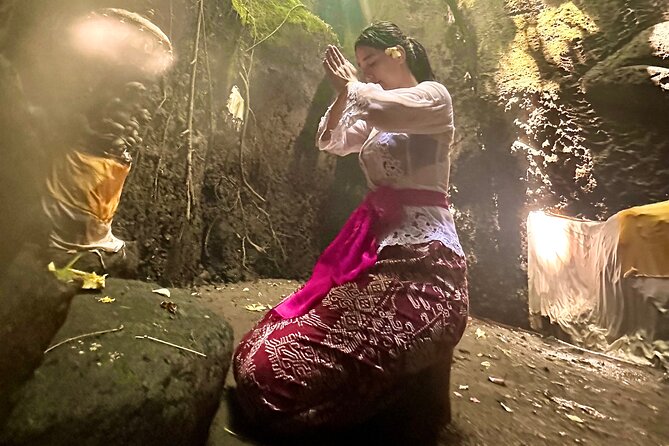
The ceremony starts with purification in a shower in a hidden canyon inside a cave. This is the kind of detail that makes the experience more than a generic waterfall visit. It’s also likely to feel different in your body, because caves and canyon spaces change sound, temperature, and the sense of privacy.
After that, you move to purification in the springs. Springs usually feel gentler and more open than a cave shower, and that helps the ritual shift gears from enclosure to clarity. In a spiritual context, this is where people often aim to cleanse the mind and soften the heaviness carried from daily routine.
What I like is that you get guidance from a priest and you also receive offerings as part of the process. That matters because the spiritual meaning is not just explained, it’s acted out. You’re doing the rite in a formal, respectful way rather than improvising.
If you’re worried about how to behave, relax. This is a templated ceremony with included gear like a sarong and belt, and the priest-led element takes a lot of guesswork out of the day.
- Ubud: Monkey Forest, Jungle Swing, Rice Terrace, and Water Temple★ 5.0 · 7,160 reviews
- Bali: Ubud Palace Legong Dance Show Ticket★ 4.4 · 3,979 reviews
- Uluwatu Sunset, Kecak Dance, and Dinner Jimbaran Beach★ 5.0 · 3,681 reviews
- Tanah Lot and North Bali Tour: Scenic Journey★ 5.0 · 3,620 reviews
- Body Massage Experience in Ubud Traditional Spa★ 5.0 · 3,506 reviews
Releasing emotions in the waterfall: the emotional reset moment
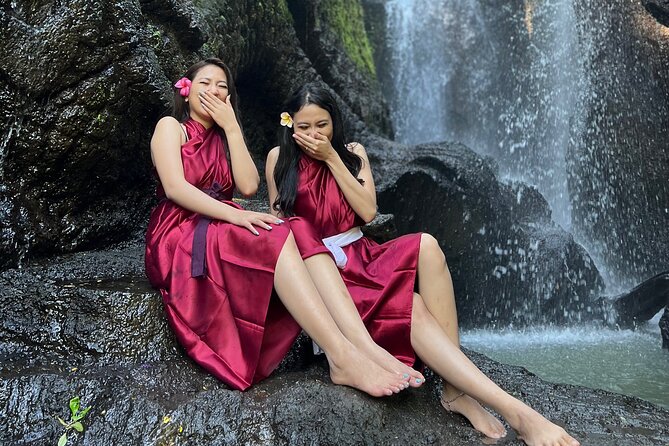
Then comes the most expressive part of the purification, release emotions in the waterfall. This is where the ritual shifts from cleansing to letting go. In Balinese belief, carrying negative influences can weigh on you, and the waterfall moment is designed to help release those internal burdens.
Even for people who approach spirituality more loosely, this part can still land because it’s a clear cue. You stop trying to be in control of every thought, and you allow yourself a moment of emotional unloading inside a dramatic natural setting.
Practically, this is also the part where water presence is most obvious. You will be at the waterfall experience itself, and the sound and motion make it feel real. That can be soothing if you’ve been carrying stress, and grounding if you’ve been mentally busy.
You do not have to treat every word as literal to benefit from the structure. Often the value is psychological: having a time box and a ritual cue that tells your brain it’s okay to drop the noise.
Final pool shower and the priest blessing with young coconuts
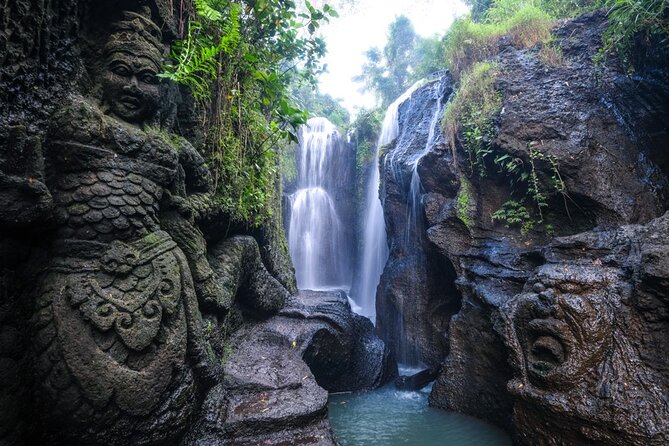
The ceremony closes with another purification shower in the pool. This is a nice finishing pattern because it echoes the beginning, which creates a sense of completion. In ritual design, that repetition helps your mind register the process as finished rather than half done.
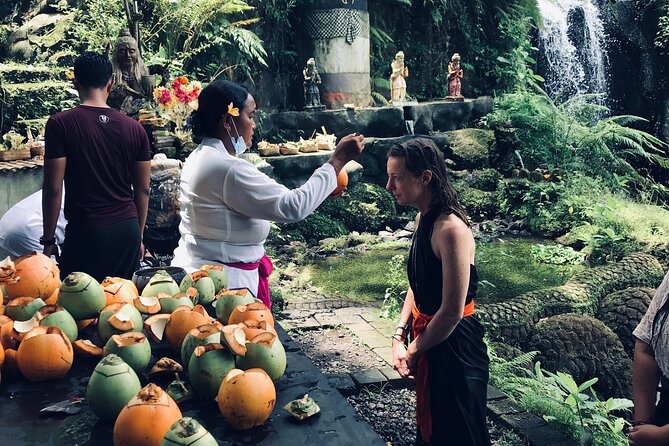
Then you get the offering and the priest blessing, including two young coconuts for the water blessing. That coconut detail is memorable because it’s not just symbolic. It signals you’re entering a specific Balinese tradition, with a material component that makes the blessing feel intentional.
The ending matters because it’s where people often report the most noticeable change: convenience, peaceful feelings, happiness, generosity, and smoother progress in things. Even if you don’t buy the spiritual causation, it’s still a guided moment that nudges you toward a calmer frame of mind.
You also get a healthy coffee or tea after the ritual. That small inclusion feels smart because it brings you back to normal human needs after a wet, spiritual session, so you don’t end up hunting food while you’re tired.
What the $50 price gets you, and where you might spend extra
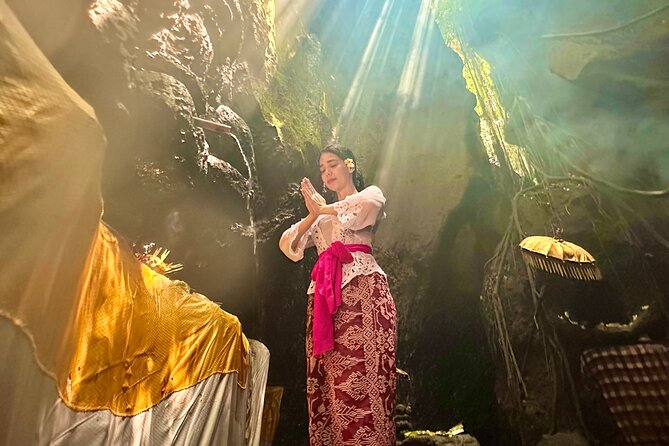
At $50 per person, this is priced like a true experience package rather than a cheap entry ticket. You’re paying for private transport, pickup and drop off, the purification ritual, priest, offerings, and included ceremony support items like sarong, belt, locker, and towel.
That’s why I think this pricing works for value. In Bali, transportation and a guide-priest component can quickly add up if you try to piece it together yourself. Here, the basic structure is included, so you’re not scrambling to find a priest or figuring out what you need to participate.
What’s not included is alcoholic beverages. So if you plan to pair this with a celebratory drink after, you’ll need to handle that separately. Also, the experience depends on good weather, so factor that into your schedule.
One more value note: the tour includes a mobile ticket. That helps you reduce friction on arrival, especially if you’re pairing this with other Ubud activities and want the day to run smoothly.
Who should book this purification at Beji Griya Waterfalls
This is a strong fit if you want something that’s both spiritual and structured. If you enjoy experiences with clear steps, priest involvement, and guided meaning, you’ll likely appreciate the ceremony flow.
It’s also a good choice if you like nature, but you don’t want a nature day with no purpose. The waterfall setting is real, and the ritual is integrated into the water experiences, not tacked on at the end.
You should consider it if you feel stressed, mentally overloaded, or just ready for a reset. Balinese melukat is specifically described as cleansing the mind, soul, and body, and people associate it with release of negative influence and anxiety.
Finally, it suits people who prefer privacy. Since it’s private and only your group participates, it can feel more respectful and personal, especially during a ritual where silence and attention matter.
Should you book Purifications at Beji Griya Waterfalls in Ubud?
I’d book this if you want a meaningful half-day reset with holy-water purification steps and a priest-led ceremony you can actually follow. The $50 price makes sense because it bundles transport, ritual guidance, offerings, and the practical items you need on site.
I would not prioritize it if your schedule cannot flex for weather, because the experience requires good weather. Also, if you dislike anything that involves ritual water elements, this may not be your kind of day.
If you’re deciding between a pure waterfall visit and a purification ceremony, choose the ceremony. You get more than scenery. You get a guided process designed to help you feel cleaner in a way that sticks into the rest of your Ubud day.
FAQ
How long is the Beji Griya purification experience?
The experience is about 6 hours in total, with the purification ceremony portion taking around 4 hours.
Where is this purification ritual located?
It takes place in Ubud, Indonesia, at Beji Griya Park Waterfall Temple (Taman Beji Griya Waterfall).
What is included in the tour price?
Included items are private transportation, pickup and drop off, the purification ritual, priest, offerings, two young coconuts for the water blessing, sarong, belt, locker, towel, and coffee or tea healthy drink.
Is alcohol included?
No, alcoholic beverages are not included.
Does the tour include a pickup and drop off?
Yes, pickup and drop off are included.
Is this a private experience or a shared group?
It is private, meaning only your group participates.
What should I expect during the ceremony?
The ritual includes purification in a hidden-canyon shower in a cave, purification in the springs, release emotions in the waterfall, and a final purification shower in a pool, with a priest and offerings.
Can I cancel for a full refund?
Yes. You can cancel up to 24 hours in advance for a full refund.
More Waterfalls, More Steps
Fresh Ubud write-ups from the review desk


Bali Waterfall Tours, compared.
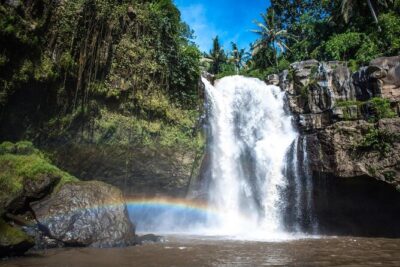 ★ 5.0Best of Bali Waterfalls: Tibumana, Tukad Cepung and TegenunganFrom $533,047 reviews
 ★ 5.0ATV Quad Bike Through Tunnel and Waterfall in BaliFrom $332,098 reviews
 ★ 5.0ATV Quad Bike Bali with Waterfall Gorilla Cave and LunchFrom $321,925 reviews
 ★ 5.0Ubud Hot Springs and Waterfall Private Guided TourFrom $18719 reviews
 ★ 5.0Bali Secret Waterfall Tour – Private and All-InclusiveFrom $109688 reviews
 ★ 5.0Bali ATV Quad Bike Through Tunnel, Waterfall, White Water RaftingFrom $26610 reviews
 ★ 5.0Blue Lagoon Snorkeling – Lunch – Kantolampo – Tibumana WaterfallFrom $39542 reviews
 ★ 5.0Monkey Forest, Water Temple, Rice Terrace, WaterfallFrom $28538 reviews
Browse the lists this tour appears in