
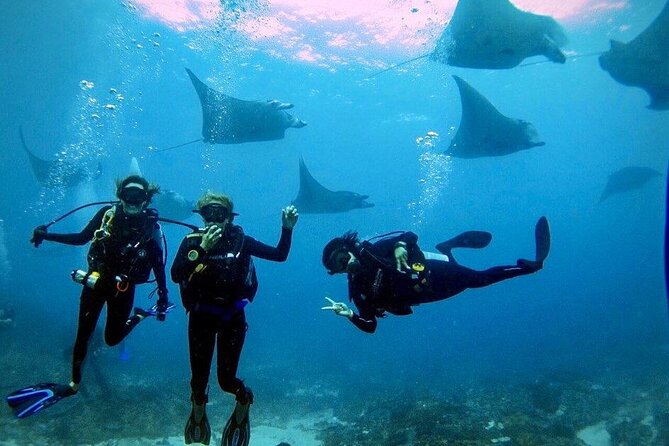
REVIEW · SANUR, NUSA DUA AND JIMBARAN BAY
Sanur Open Water Course learn diving in 3 Days – Get certified & Dive everywhere
Three days, one worldwide scuba card. This PADI Open Water course in Sanur turns theory into real underwater skill fast, and you keep your momentum with structured sessions and clear coaching from instructors like Astama. The other big win for me is the safety-first setup, including small groups (up to 6) and equipment that’s treated like it matters. One thing to consider: it depends on conditions, so the exact open-water sites on Day 3 can shift between Padang Bai and Tulamben.
You start in calm water in Sanur, then build up to open-water sessions, including a wreck stop like the USS Liberty when conditions line up. If you learn better with an easygoing, patient teacher, you may want to ask about instructors such as Benny Wiratno Bunadji, who’s been praised for clear English and a relaxed, professional approach. The only drawback I’d flag is that weather and sea conditions can affect where you go and what the day looks like.
In This Review
- Key highlights worth knowing
- Sanur Is a Smart Base for PADI Open Water
- Day 1 in Sanur Pool: Build Skills Before You See the Sea
- Day 2 Sanur Bay: Your First Real Open-Water Sessions
- Day 3 Padang Bai or Tulamben: The Wreck-Friendly Choice
- How the Online PADI Theory Works in Real Life
- Equipment, Support, and Safety: What You Can Expect
- Logistics in Bali: Pickup, Start Time, and Where You Meet
- Price and Value: What $480 Really Buys
- Who This Open Water Course Fits Best
- Should You Book This Course?
- FAQ
- What certification will I get from this 3-day course?
- Where does the course take place?
- What is the daily structure of the training?
- Do I need to do theory before I arrive?
- How many people are in the group?
- What’s included in the price?
- What is not included?
- What time does the activity start?
- What if the weather is poor?
- Is the booking refundable if I cancel?
Key highlights worth knowing
- PADI Open Water in 3 days, recognized worldwide and training you for up to 18 meters
- Online theory (PADI e-learning) that you can do before you arrive or during the course
- Small group size (max 6), so you actually get attention during skills
- Day 1 pool sessions in Sanur, then open-water sessions on Day 2 and Day 3
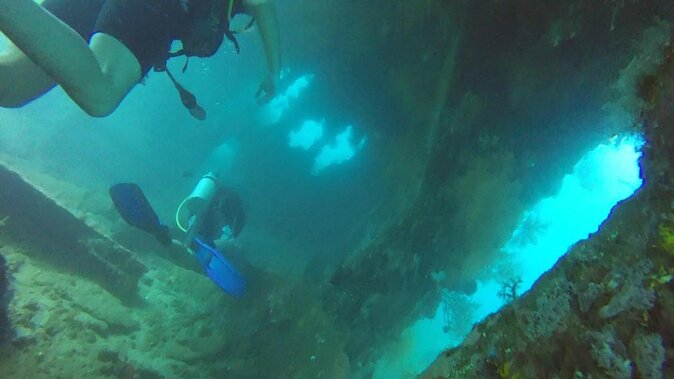
- USS Liberty shipwreck option, depending on the day and conditions
- Nusa Penida add-on possible on Day 3, if you choose the option and price
Calmer bays, further options reviewed


Sanur Is a Smart Base for PADI Open Water
If you’re learning scuba for the first time, you want two things: calm training water and good logistics. Sanur is built for both. It’s a short, organized setup for the course, with a schedule that moves you from controlled skills to real open water without long gaps where your brain has time to forget everything.
What I like about this course structure is that it follows the PADI logic of learning in stages. You do the mental side first (online theory), then you practice the physical skills in a pool environment, then you carry those skills into open water. You end up with a training path that feels complete, not random.
And the center’s reputation is strongly tied to safety and procedure. That shows up in how people describe instructors as patient, professional, and focused on making records and equipment checks part of the routine. When you’re a brand-new diver, that kind of consistency matters more than fancy marketing.
Day 1 in Sanur Pool: Build Skills Before You See the Sea
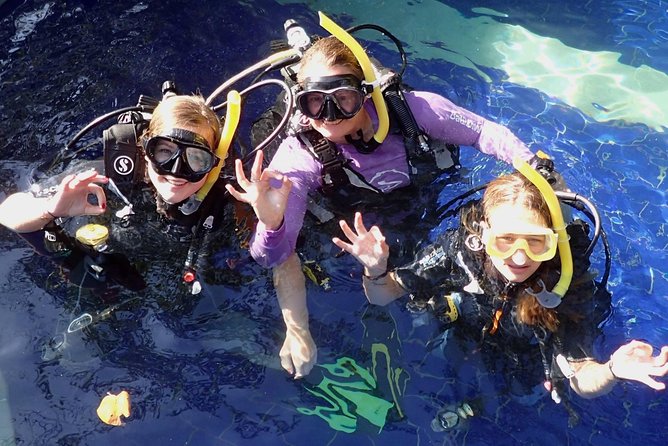
Day 1 is all about confined water sessions in the pool. Think of this as your skills rehearsal space. You’ll practice core basics needed for being comfortable underwater, and you’ll get guidance while your body learns the new rhythm of breathing, buoyancy, and gear control.
This is also the day where a good instructor makes a huge difference. In the feedback I saw, several people specifically called out trainers like Astama, describing him as professional and making them feel relaxed and confident. Another instructor name that came up is Benny Wiratno Bunadji, noted for being easygoing while still teaching properly, with English that helps when you are learning technical basics for the first time.
A practical note for you: don’t treat Day 1 like a warm-up. If you’re nervous, Day 1 is where you should focus on getting your hand positions right, understanding your buoyancy control, and asking questions before you leave the pool. The easier you make Day 1, the smoother the open-water days usually feel.
Day 2 Sanur Bay: Your First Real Open-Water Sessions
On Day 2, the course shifts into open-water sessions in Sanur Bay. This is where training stops being theoretical and starts being physical in a real environment. You’ll repeat key skills, but now the water has its own personality, with small changes in conditions you cannot fully simulate in a pool.
This day matters because it’s your bridge. By the end, you should feel more like a diver and less like a student following instructions. If you’re someone who appreciates structure, this course’s pacing helps. You’re not rushed into something impossible, but you are asked to do the skills in a way that builds real confidence.
Also, this is where a wreck setting can enter the story. The experience includes an USS Liberty shipwreck stop, which is a classic Bali target. Whether you see it depends on conditions and how the day runs, but the fact that it’s part of the plan is a big motivator for first-timers who want their certification to connect to something memorable underwater.
Day 3 Padang Bai or Tulamben: The Wreck-Friendly Choice
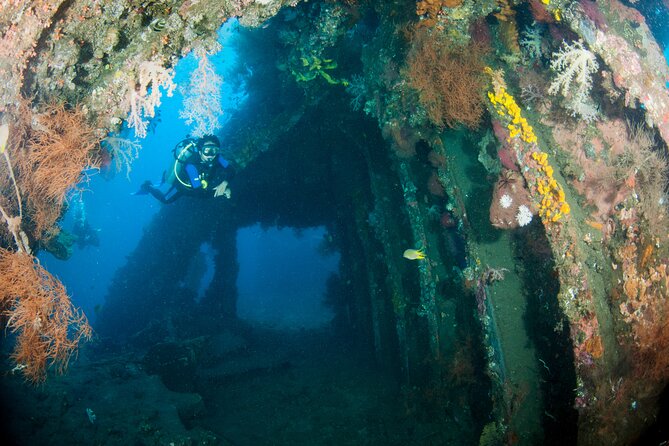
Day 3 is your final push, with two open-water sessions that can happen in Padang Bai or Tulamben, depending on conditions. Both areas are well known in Bali for their underwater features, and for many beginners, that means more than just learning. It means you get to apply new skills near places with real character.
Tulamben is especially popular because it’s tied to wreck diving culture in Bali, and that comes through in the way people describe highlights after their course. In the feedback I saw, one person mentioned completing the course with an instructor and then diving the Tulamben shipwreck on a second day as an eye-opening highlight.
Padang Bai also brings variety. You might find different visibility, currents, or a different underwater vibe than Sanur. For your learning, that variety is useful. It helps your brain generalize skills, not just memorize them for one specific type of water.
Optional add-on: Nusa Penida is possible on Day 3 if you choose that option. That gives you the chance to go beyond the mainland sites, but it’s only available as an add-on, so you’ll want to check the pricing option before you commit.
More dive days and course options, reviewed
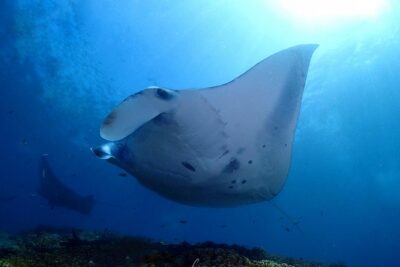
- Scuba Diving in Nusa Penida – Manta Point★ 5.0 · 198 reviews
- Day Trip certified divers – 3 Dives in Tulamben (pick-up & drop-off included)★ 5.0 · 178 reviews
- Nusa Penida Day Trip for 3 dives★ 5.0 · 127 reviews
- Try Diving in Manta Point – Nusa Penida★ 5.0 · 41 reviews
- Scuba Diving Nusa Penida Manta Point 3 dives for certified divers★ 5.0 · 35 reviews
How the Online PADI Theory Works in Real Life
The course includes PADI theory through the PADI e-learning platform. You can complete it before you start, or you can do it during the 3-day window, then review it with your instructor.
Here’s the practical angle: doing theory ahead of time can make your first day feel less overwhelming. You’ll already know the vocabulary and basic concepts, so your pool practice can focus on muscle memory, not “what am I doing and why.”
If you do the theory during the course, don’t panic. The instructor review is meant to connect the dots. Your goal is to understand the concepts well enough to safely use the equipment underwater and follow procedures without guessing.
You also receive a PADI manual and certification, which is part of how PADI keeps the process consistent worldwide. That matters because when you earn this certification, you’re starting a pathway that other dive operators recognize.
Equipment, Support, and Safety: What You Can Expect
This course includes use of scuba equipment, plus a PADI-certified instructor. The center also emphasizes a strong safety track record and guides who are certified and insured.
From the feedback, the most praised elements are about consistency and care. People mentioned things like:
- equipment being new and up to code
- records and procedures being kept
- instructors being patient, with teaching paced to your comfort level
- English support being strong with certain instructors, including names like Benny Wiratno Bunadji and Astama
In plain terms, that’s what you want for Open Water training. You’re not just buying a certificate. You’re building habits. A careful approach to checks, buddy awareness, and skill practice helps you feel safe enough to learn quickly.
One more practical detail: the experience is described as small group training with a maximum of 6 travelers. With that size, you’re less likely to feel like “the last person to be helped.” It also makes it easier for instructors to adjust to your learning pace.
Logistics in Bali: Pickup, Start Time, and Where You Meet
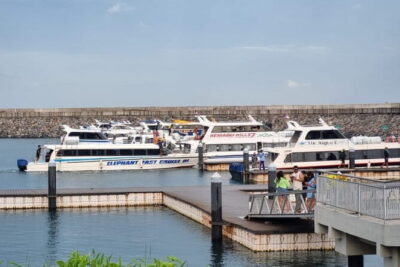
The day starts at 9:00 am, and you get hotel pickup and drop-off. Meeting point is listed at the academy corner location in Sanur. For you, this is simple: plan to be ready at pickup time so your group starts together and your first briefing happens smoothly.
The location matters. You’re basing your training around Sanur and nearby areas like Padang Bai and Tulamben. That reduces long travel days, which matters when you’re learning something technical. If you’re tired from transit, you’ll remember less on Day 2 and Day 3.
Also, since this is a 3-day course, your best move is to keep the rest of your schedule flexible. You’ll want time for rest and for doing any theory review that’s needed during the training window.
Price and Value: What $480 Really Buys
At $480 per person, this is priced as a true training package, not just “a couple of water sessions.” You’re paying for:
- the PADI Open Water course
- online theory support and review
- pool training plus open-water sessions
- scuba equipment use
- lunch
- pickup and drop-off
- PADI manual and certification
Is it good value? For many first-timers in Bali, yes, because you’re getting a complete certification path in one organized block. You’re also not having to coordinate multiple operators, multiple bookings, and multiple gear rentals on your own.
Camera rental is mentioned as available, and that’s worth noting. If you want to film or shoot photos, budget for it early so you don’t lose time figuring it out on the spot.
What I’d watch as a value-check: the course includes a wreck target like USS Liberty and has site flexibility on Day 3. If you can be flexible with locations, you tend to get the better overall outcome without feeling like your trip has been forced into one exact plan.
Who This Open Water Course Fits Best
This course is for people with moderate physical fitness who want a worldwide-recognized PADI Open Water start. If you’re comfortable following steps and you like structured learning, you’ll likely do well.
It also fits divers who want small-group attention. If you’ve ever tried a large group activity and felt like you were watching more than learning, this maximum group size is a good sign.
If you’re anxious about learning, prioritize the instructor match. Feedback highlights that some instructors, like Astama and Benny Wiratno Bunadji, are praised for making beginners feel relaxed and confident. That’s not guaranteed, but it’s a strong lead if you care about teaching style.
Should You Book This Course?
I think you should book this PADI Open Water course if your goal is simple: get certified in a tight 3-day schedule with consistent instruction, safety focus, and a realistic chance of seeing standout sites like wreck diving on the mainland.
You might skip it if you cannot be flexible about sea conditions and site locations, because Day 3 can shift between Padang Bai and Tulamben, and the extra option for Nusa Penida depends on the choice and conditions.
If you want a clean, confidence-building start to scuba in Bali, this course checks the boxes. The mix of pool practice first, clear progression into open water, and instructors noted for patient guidance is exactly what a first certification should feel like.
FAQ
What certification will I get from this 3-day course?
You’ll complete the PADI Open Water course, which is the first level of scuba diving and allows you to dive safely up to 18 meters.
Where does the course take place?
You’ll do Day 1 pool training in Sanur, Day 2 open-water sessions in Sanur Bay, and Day 3 open-water sessions in either Padang Bai or Tulamben depending on conditions. An optional Nusa Penida option is also mentioned for Day 3.
What is the daily structure of the training?
Day 1 is confined water practice (pool session). Day 2 includes two open-water sessions in Sanur Bay. Day 3 includes two open-water sessions, with the site depending on conditions.
Do I need to do theory before I arrive?
Theory is done online through PADI e-learning. It can be done before the course start or during the 3-day course, then reviewed with the instructor.
How many people are in the group?
The maximum group size is listed as 6 travelers.
What’s included in the price?
Included items are lunch, use of scuba equipment, hotel pickup and drop-off, the PADI manual, and a PADI certified instructor.
What is not included?
Camera rental is not included, but it can be rented.
What time does the activity start?
The start time is 9:00 am.
What if the weather is poor?
The experience requires good weather. If it’s canceled due to poor weather, you’ll be offered a different date or a full refund.
Is the booking refundable if I cancel?
The experience is non-refundable and cannot be changed for any reason. If you cancel or request an amendment, the amount paid is not refunded.
Dive Days and Course Options
Bay Days: Sanur, Nusa Dua, Jimbaran
Fresh Kuta write-ups from the review desk




Sanur, Nusa Dua and Jimbaran Bay, compared.
 ★ 5.0Uluwatu Sunset, Kecak Dance, and Dinner Jimbaran BeachFrom $353,681 reviews
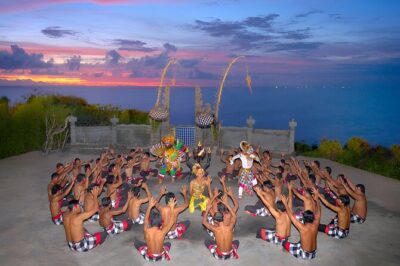 ★ 4.5Uluwatu Sunset Tour: Kecak and Fire Dance with Jimbaran DinnerFrom $65597 reviews
 ★ 5.0Private Uluwatu Sunset, Kecak Dance, Dinner at Jimbaran BeachFrom $50160 reviews
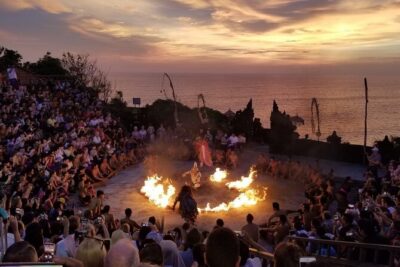 ★ 5.0Uluwatu Sunset, Kecak Dance and Jimbaran Seafood DinnerFrom $7692 reviews
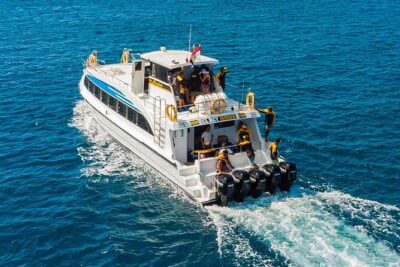 ★ 4.0Fast Boat Transfer: Sanur to Nusa Penida by PenidagoFrom $986 reviews
 ★ 5.0Devdan Show at Bali Nusa Dua TheatreFrom $3279 reviews
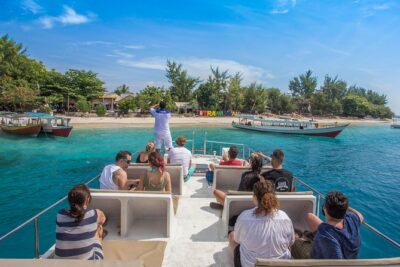 ★ 4.5Bali (Serangan) to Gili Trawangan – Gili Air – Lombok (Bangsal)From $5576 reviews
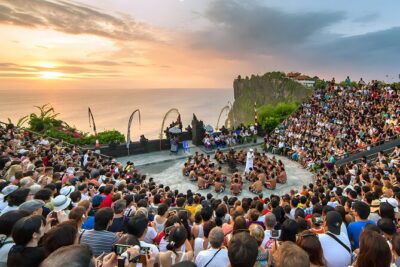 ★ 5.0Uluwatu Sunset Trip with Kecak Dance Show and Jimbaran DinnerFrom $5564 reviews
Browse the lists this tour appears in