
REVIEW · KOMODO NATIONAL PARK AND LABUAN BAJO
Scuba Diving in Nusa Penida – Manta Point
Manta rays at arm’s length is the whole point here. This Nusa Penida day centers on Manta Point and is run with a small certified-group setup that keeps you from feeling lost in chaos. One thing to plan for is the open-water schedule, plus a speedboat ride that can be bouncy even with meds available.
I like how the day is built around logistics that matter: early pickup to reach the Sanur base, careful gear fitting, and a clear plan for your time in the water. I also like the on-the-day care, from briefings to snacks and lunch, so you’re not just dropped at a dock and told good luck. The possible drawback is simple, you still need conditions to line up for mantas, and sometimes the itinerary timing or water conditions can affect what you see.
In This Review
- Key highlights at a glance
- Manta Point: what you’re really buying
- Sanur pickup and the pre-water setup that saves time
- The schedule at sea: speedboat time, surface intervals, and your return
- On-water safety: why the guide ratio matters for mantas
- Stop-by-stop: what each area is for and what you should expect
- Sanur base to Nusa Penida
- Kelingking Beach (scenery plus transit)
- Manta Point (the main event)
- Crystal Bay (reef life and fish)
- Extra wildlife that can appear
- Comfort and food: it’s not glamorous, but it matters
- Equipment, extras, and what to budget beyond the listed price
- The common extra fee: conservation fee
- What’s not included
- Photo and video add-ons
- How much is it worth, really?
- Who should book this (and who should skip it)
- Should you book Neptune for Nusa Penida and Manta Point?
- FAQ
- Do I need scuba certification?
- How many underwater sessions are included?
- What time does the trip start and end?
- Where are hotel pickups available?
- Is lunch and equipment included?
- What extra fee might I pay?
Key highlights at a glance
- Manta Point focus with a strong chance of close manta encounters for certified divers
- Small groups, usually max 3 certified divers per 1 guide, matched by experience
- 3-session day is the popular pick, with a return around 4PM when you do 3
- Meals and basics included: lunch, snacks, bottled water, towels
- Sea-sickness help is part of the flow, and many guides offer tablets early
- What you pay for includes boat charter and equipment, with one common extra fee on top
Other ways to do Penida in a day
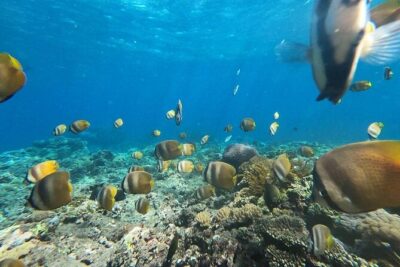
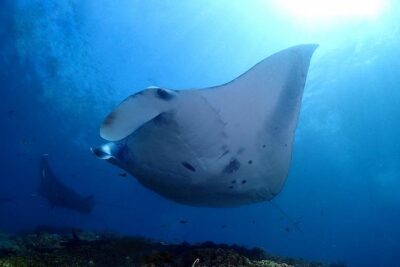
Manta Point: what you’re really buying
This trip is not a generic “go do an underwater activity in Bali” day. You’re paying for a specific target, Nusa Penida’s Manta Point, and for a structure that gets you there without wasting half your day figuring things out.
If you love marine life, here’s what makes this spot special in practical terms. Mantas gather in predictable areas, but the “predictable” part still depends on wind, swell, and current. That means you should go with a mindset of seeing mantas as the goal, not as a guaranteed checkbox.
The payoff is the kind of encounter people remember for years, you’re not just watching from a distance. You’re working in a controlled, guided setup with enough time underwater to have a real chance of close contact when the animals are around.
Sanur pickup and the pre-water setup that saves time
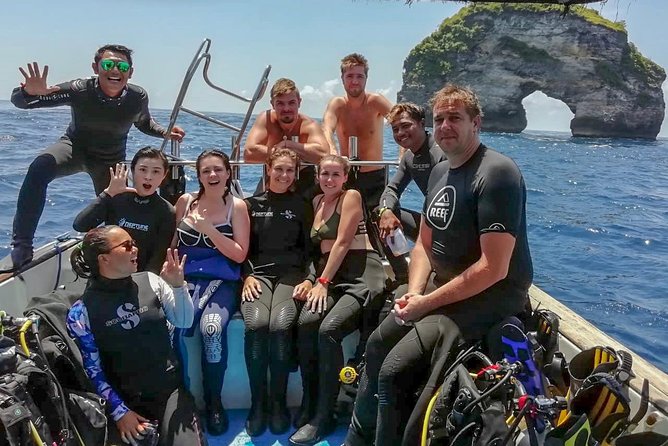
The day starts with early hotel pickup from select zones, including Sanur, Kuta, and Seminyak. You head to the Neptune base in Sanur for check-in, equipment fitting, and a briefing. This is the stage that can make or break your confidence, especially if you haven’t been in the water recently.
Plan for a pool refresher session if you need it. Several people noted that Neptune checks in on your recent experience and uses the pool to sharpen skills before you get on the boat. If you are rusty, this step is worth it. It helps you get your bearings fast, and it reduces the chance you spend your first minutes underwater fighting gear or buoyancy instead of looking at life.
A practical tip: send your height, weight, and shoe size when booking. That data matters for correct equipment fit, and you’ll have a smoother start when the crew doesn’t have to guess.
The schedule at sea: speedboat time, surface intervals, and your return
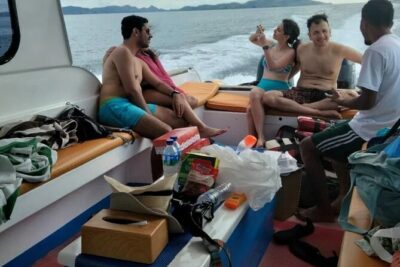
After the Sanur prep, departure is roughly 8:30AM to 9AM. Then you’re on a speedboat for about 45 minutes to Nusa Penida. Reviews repeatedly call out two things here: you’ll spend most of the day on the water, and the ride can be rough when seas get choppy.
Here’s the good news. The crew provides sea-sickness support, and people specifically recommend taking the tablet offered right away. If you know you’re sensitive, don’t wait until you feel awful. Take the help early.
The program is designed around one of two formats:
- 2 sessions: return roughly 2PM after two underwater periods
- 3 sessions: return roughly 4PM after three underwater periods, and this is the most popular choice
Also note a scheduling reality: if you book the 2-session option, the operator may not always be able to keep the early return timing, and you might be offered an upgrade to 3 sessions. If your ship, flight, or dinner plan is tight, it’s smart to confirm what timing you’ll get before booking.
Between underwater periods, you have surface intervals of about 45 to 60 minutes. Bottom time is usually around 45 to 60 minutes, but it depends on air consumption. So you should expect the day to feel full, but not rushed.
On-water safety: why the guide ratio matters for mantas
This is a certified-diver only experience, with a minimum Open Water Diver certification required. That’s not just paperwork. The boat setup and the in-water flow depend on people being comfortable with skills like equalizing, controlled breathing, and basic buoyancy.
The other safety piece is the group size. You’re typically set up for max 3 certified divers per 1 guide, and your group is arranged by equal experience. That matters at manta sites, because everyone’s plan has to fit together. Close encounters are exciting, but a calm group keeps fins, spacing, and attention where they belong.
In real terms, it also makes the day feel more personal. Several guides are mentioned by name in feedback, including Gede, Jaya, Agus, Rei, Noé, and Mulee. The consistent theme is clear instruction, close watching, and a “you’re safe to enjoy this” vibe.
Other snorkel runs and manta cleaning stations
- Nusa Penida Island Beach Tours with Snorkeling From Bali★ 4.5 · 183 reviews
- Nusa Penida Trip with Snorkeling all-Inclusive★ 5.0 · 146 reviews
- Nusa Lembongan Island: Snorkeling & Mangrove Forest Day Tour★ 5.0 · 97 reviews
- Snorkelling in Nusa Penida – Manta Point★ 4.5 · 69 reviews
- From Bali: Nusa Penida Snorkeling and Island Tour★ 5.0 · 49 reviews
Stop-by-stop: what each area is for and what you should expect
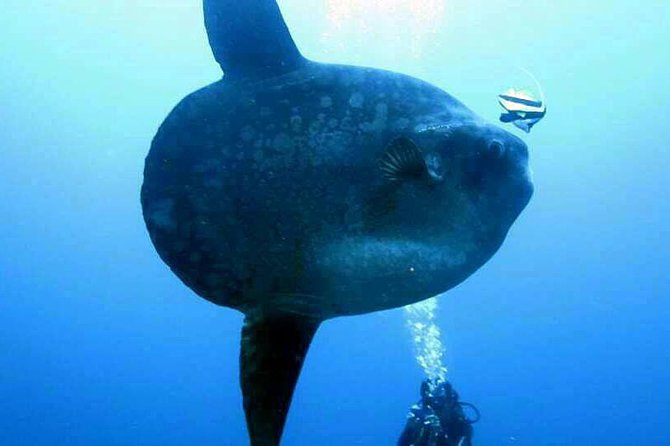
The day is more than one location. It’s a sequence that balances travel, training needs, and different types of underwater habitat.
Sanur base to Nusa Penida
This is the transfer and prep block. You’ll do gear fitting, check equipment, and get briefed before you leave Sanur. This is when you should ask any last questions about buoyancy targets, how the crew handles buddy pairs, or what to do if you need extra time between periods.
Kelingking Beach (scenery plus transit)
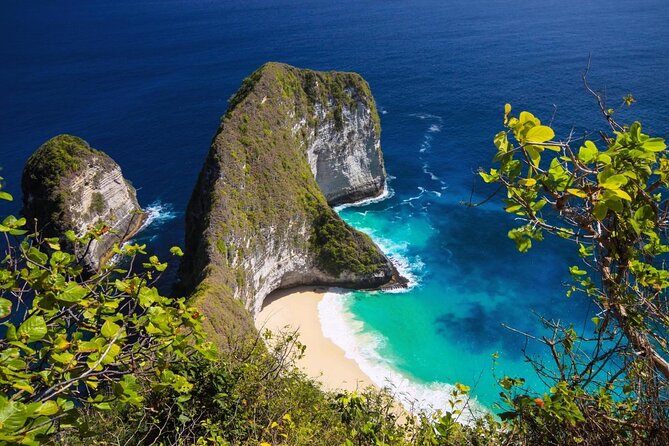
Kelingking Beach shows up as one of the stops. From your point of view, it’s mainly part of the route and the island day feel, not a separate “look for wildlife from shore” event. You’ll likely notice the cliffs and dramatic coastline, which is a nice change of pace while you’re waiting for your next stage.
Manta Point (the main event)
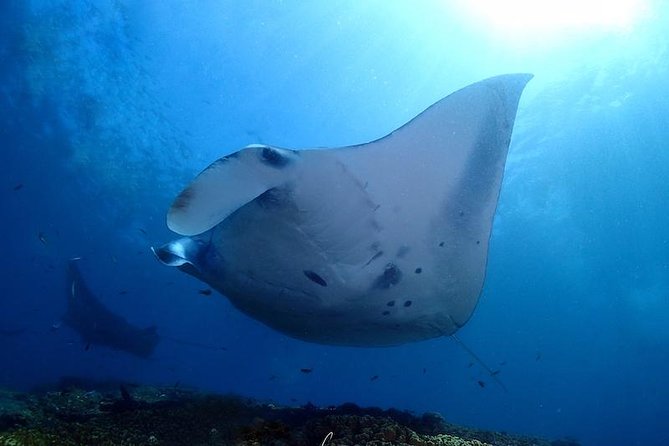
Manta Point is the star. The goal is close manta sightings, and when conditions line up, people report being surrounded by multiple mantas. That said, visibility and currents can change what your group experiences, so you should treat it as a high-likelihood target, not a certainty.
Your best move is simple: stay calm underwater. Don’t sprint to the perfect position. Listen to the guide’s plan and keep buoyancy steady. It helps you see behavior, not just bodies.
Crystal Bay (reef life and fish)
Crystal Bay is about habitat variety. Expect coral and schooling fish as part of your underwater experience. People often describe this stop as a nice contrast to the manta encounter, with more “reef and fish” energy instead of the single-species focus.
Extra wildlife that can appear
Even when mantas are the headline, this trip can turn into a broader wildlife day. Some people report seeing mola mola as a highlight, plus turtles and more mixed marine life. You might see these, you might not, but the underwater variety is one reason many people feel they got “more than they expected.”
Comfort and food: it’s not glamorous, but it matters
A lot of the value here is how the crew feeds you and keeps you comfortable between water periods.
Included in the package:
- Lunch
- Snacks
- Bottled water
- Towels
Feedback adds detail that you’ll appreciate on a long day: fruit support after your first underwater period, and even coconut water between sessions. That kind of small thing helps when you’re mouth-dry and salty.
For lunch, people mentioned dishes like green rice and egg. I’d treat the meal as simple and satisfying, not fancy, but it’s an important part of staying steady on a full schedule.
Also remember one practical comfort point: water can feel cold. If you’re sensitive, you might want to consider how you’ll handle it, since extra gear like hoodies or additional wetsuits are listed as not included. You can still go, but bring your own warmth strategy if you run cold.
Equipment, extras, and what to budget beyond the listed price
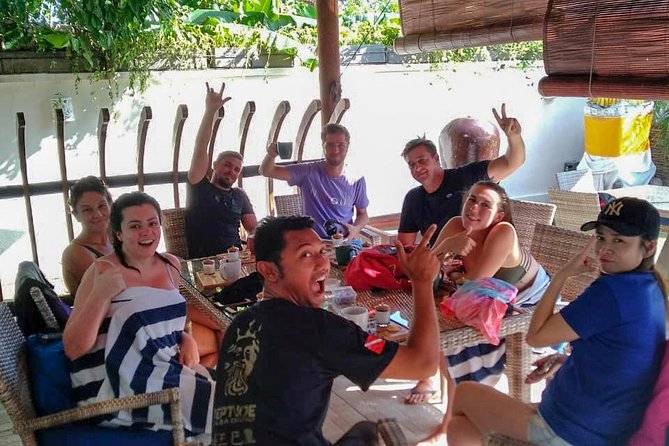
The stated price is $175 per person, and it includes a lot of real costs: boat charter, use of scuba equipment, professional guide support, hotel pickup and drop-off in select areas, and scuba insurance.
But a few add-ons can change your total.
The common extra fee: conservation fee
A conservation fee of 100,000 IDR per person is not included. Plan for it so you’re not surprised at check-out.
What’s not included
You may need extra items such as:
- dive computers
- 15L tanks
- extra wetsuits
- hoodies
Even if you think you’re fine with what’s provided, it’s worth double-checking what equipment you personally rely on.
Photo and video add-ons
GoPro rental came up in feedback, with one cited price of $35 USD. If you want action footage, this is the part of the day to think about.
How much is it worth, really?
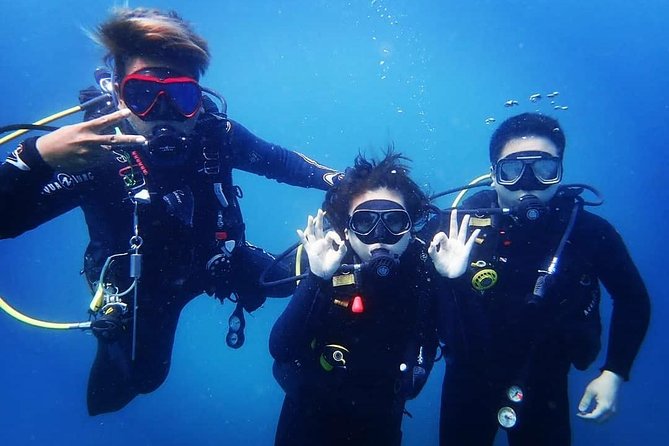
At $175, you’re paying for more than a spot on a schedule. You’re paying for:
- the boat charter and long boat day to reach Nusa Penida
- equipment setup and guided in-water structure
- meals, towels, and basic comfort
- a tight guide-to-group ratio
If you compare this to piecing together your own transport plus rental plus instruction, the value is easier to see. The big question for you is whether you want mantas as a primary goal. If yes, this is the kind of day that can tick a bucket-list box without you acting like a logistics project manager.
Still, manage expectations. Conditions can affect manta sightings. One person had an okay day without mantas or mola mola. That doesn’t mean the experience is bad, it just means nature set the difficulty level that day. Your odds are good, but not magic.
Who should book this (and who should skip it)
Book this if:
- You’re certified (minimum Open Water Diver)
- You want manta rays as a real focus, not a side chance
- You like structured group days with clear briefings and small numbers in the water
- You want a company that organizes meals and timing so you can just show up
Think twice if:
- You have active asthma, since it’s not recommended
- You recently had surgery or use special medication, because it says it’s not recommended
- You get sick easily on speedboats, even with tablets. You can still try, but be honest about your sensitivity
Other practical notes:
- Minimum age is 10 years old
- Service animals are allowed
- This is usually a good fit for most people, but you’ll still need to meet the certification and comfort requirements
- The day is capped, with a maximum number of travelers (15)
Should you book Neptune for Nusa Penida and Manta Point?
If you want a well-run, certified-only day with a serious shot at close mantas, I’d say this is a strong option. The combination of Manta Point focus, small-group guide attention, and meals plus organized timing gives you a better chance to enjoy the experience instead of chasing logistics.
My one “pause” recommendation is timing. If you’re on a tight schedule, don’t gamble on the 2-session format. The 3-session day often brings the best value, and it returns later, around 4PM. If your next commitment is early, confirm what you will actually get before you pay.
FAQ
Do I need scuba certification?
Yes. This experience is designed for certified divers, and a minimum Open Water Diver certification is required.
How many underwater sessions are included?
The schedule can include 2 underwater sessions with an earlier return time, or 3 underwater sessions with a later return time. The 3-session option is the most popular.
What time does the trip start and end?
Pickup is early, with departure from the Sanur dive base scheduled around 8:30AM to 9AM. Return time is roughly 2PM after two sessions or 4PM after three sessions.
Where are hotel pickups available?
Pickup and drop-off are offered in select areas, including Sanur, Kuta, and Seminyak.
Is lunch and equipment included?
Yes. The package includes lunch, snacks, bottled water, towels, and use of scuba equipment.
What extra fee might I pay?
There is a conservation fee of 100,000 IDR per person that is not included in the price.
Snorkel Runs and Manta Stops
Nusa Penida, Other Ways to See It
Fresh Kuta write-ups from the review desk



Komodo National Park and Labuan Bajo, compared.
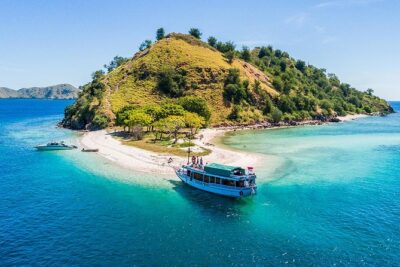 ★ 5.0Exclusive Early Bird Komodo Tour: Beat the Crowds by Speed BoatFrom $1511,038 reviews
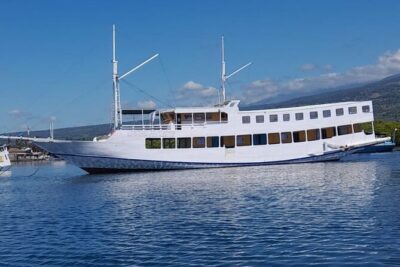 ★ 5.0Explore Komodo and Swim with Whale SharksFrom $300138 reviews
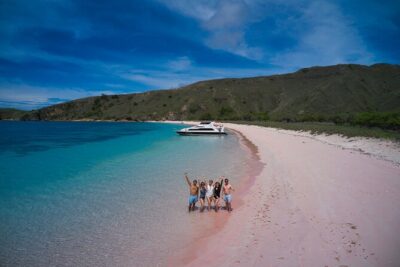 ★ 4.5Full Day Trip to Explore 6 Destinations in Labuan Bajo and KomodoFrom $118116 reviews
 ★ 5.0Lombok Pink Beach Boat Trip (Full Day + Snorkeling)From $88104 reviews
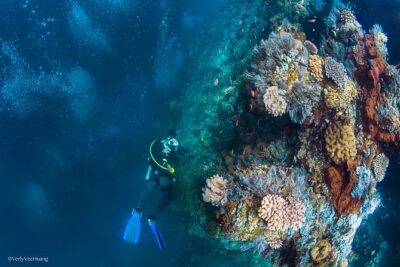 ★ 5.0Bali Diving Day Trip-Manta Point/Tulamben Shipwreck-Fun DiveFrom $95104 reviews
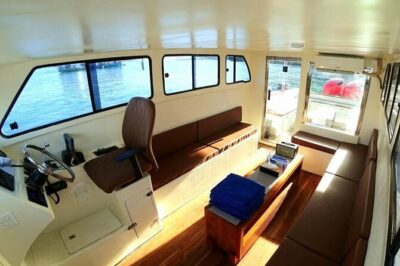 ★ 5.0Early Bird Speedboat Group Tour : Explore Komodo Ahead of CrowdsFrom $12987 reviews
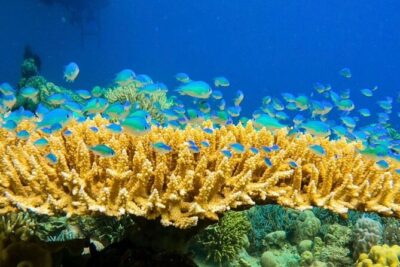 ★ 4.5Rangko Cave & Beach Snorkeling Half Day Sharing Trip Labuan BajoFrom $4886 reviews
 ★ 4.51 Day Komodo Trip by Private Fast BoatFrom $99083 reviews