REVIEW · INDONESIA
The Wonderful of Waerebo Village
Four hours up leads to real village life. This 3-day Waerebo Village experience from Labuan Bajo pairs a rainforest hike with Manggarai homestay living in a high-country village of conical huts. You also get to meet village elders and share homegrown meals, which is the whole point of going this far.
The one big catch is that this is a real climb, and the basics in the village can feel Spartan. Plan for a steep uphill trek, and for nights that may feel very cold in some seasons, along with simple food and simple shower setups.
The payoff is hard to fake: big views, fresh air, and human-scale village life in Wae Rebo that makes the whole effort feel earned, not rushed.
In This Review
- Key things I’d bank on before you go
- Why Wae Rebo Village feels different from most day trips
- Price and what you actually get for $484
- Day 1: Labuan Bajo to Denge, then you start earning the view
- Day 2: The rainforest hike to Waerebo, conical huts included
- Sleeping with a Manggarai family: comfort levels and cold reality
- Day 3: Breakfast, village time, and the walk back down
- What to pack and how to pace yourself
- Who this Waerebo Village tour suits best
- Should you book this? My decision guide
- FAQ
- What is the duration of the Waerebo Village tour?
- Where do you go and what is the starting point?
- What time does the tour start?
- How long is the hike to Wae Rebo Village?
- Do I sleep inside Wae Rebo Village?
- What meals are included?
- What is included in the price, and what is not?
- Is this tour private?
Key things I’d bank on before you go
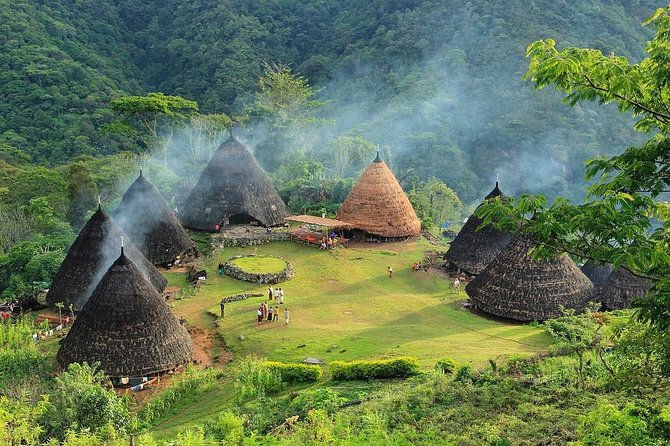
- Conical huts + village life: you are not just seeing buildings, you are experiencing daily Manggarai rhythms.
- Rainforest hike with creek stops: expect uphill time and a mid-hike natural pause point.
- Two different sleeping setups: guesthouse in Denge, then a second night with a family in Wae Rebo.
- Meals are included, but simple: count on local, home-style food, not restaurant-level comfort.
- Private, guided logistics: private transfers and a guide help a lot when the route is tougher than it looks on a map.
Not decided yet? These Labuan Bajo trips held up when we went through them.

Why Wae Rebo Village feels different from most day trips
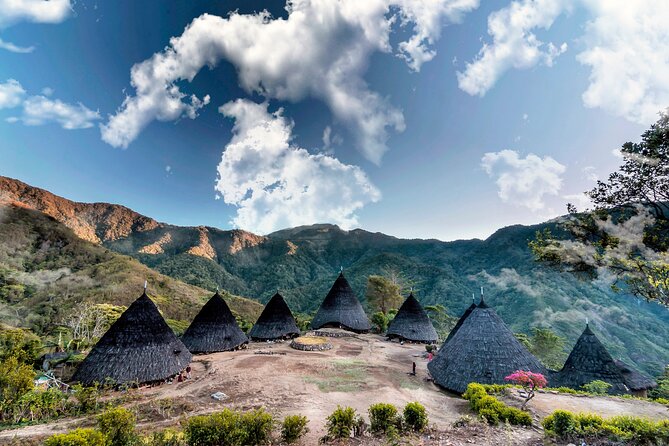
Wae Rebo is famous for its conical huts set in dramatic high-country scenery, but what makes it special is the way your time is structured. This trip is built around the village, not around a photo stop. You hike in, you stay, you learn the rhythm of life there, and then you hike back out with the same trail under your feet.
I like how the experience is designed to get you past the tourist surface. You meet village elders, share time in the village, and eat homegrown food. That mix of people, food, and place is what turns a scenic trek into a cultural stay.
You also get a guide for the trek. That matters because the path can be slick and steep in wet conditions. A guide does not just point the way, they also help you move safely and keep your pace realistic.
Price and what you actually get for $484
At $484 per person for about 3 days, this is not a budget “walk-up” excursion. You are paying for a package that covers the stuff people often underestimate.
Here is what your cost is supporting:
- Private 2-way transfers from your Labuan Bajo area starting point
- Air-conditioned vehicle for the driving portions
- Two nights of accommodation, first in Denge and then with a family in Wae Rebo
- Meals included: lunch (3), breakfast (2), dinner (2)
- Entrance fees as mentioned
When you compare that to piecing things together locally, the value is in the structure. The vehicle hops, the guide coordination, and the overnight arrangements make the whole plan simpler. If you are the kind of traveler who hates logistics on rough terrain, that added organization is worth real money.
Still, you should also know what you are not paying for. Flight tickets and airport or departure tax are not included, so budget those separately if they apply to you.
Day 1: Labuan Bajo to Denge, then you start earning the view
Day 1 is all about setting your body and expectations for the climb ahead. You are met after arrival at Komodo Airport by a local representative, then you drive to Denge village. Even the approach gives you panoramic views of villages and rice fields, so you start with a sense of place rather than jumping straight into hiking.
There is a long travel rhythm built in: vehicle time, then a transition toward the trekking area. Some routes include an extra short ride before the walking begins, so keep your schedule flexible and expect the day to feel like a process, not a quick hop.
When you reach Denge, you are not yet at Wae Rebo, but the night matters. This is your first accommodation, and it sets up the next day’s effort. You are also dealing with altitude and temperature changes, so treat this night as part of the experience, not just a place to sleep.
What to like here is that Day 1 doesn’t pretend the hard part is only Day 2. You gradually get into the region and you get to rest before the big uphill push.
Day 2: The rainforest hike to Waerebo, conical huts included
This is the heart of the trip. You hike uphill through rainforest to reach Wae Rebo Village. The trek is listed at around four hours uphill, and you start with that rainforest climb tempo in mind.
About an hour into the hike, you reach a creek and a natural pool stop. That’s a practical break point, and it also helps break up the mental stretch of climbing. It is also a reminder that this is not just a dry forest path, you are moving through a living environment that can change with weather.
Time on the trail varies by pace. Some people find it closer to 2.5 to 3 hours depending on speed, while others describe it as a longer, tougher effort. In general, treat the hike as steep and expect more time if conditions are wet or if you like slow, careful footing.
One safety detail worth taking seriously: parts of the route can be slippery when wet. There is at least one account of someone falling and hurting their hips. You can avoid a lot of that risk by wearing grippy shoes, taking your time on uneven sections, and not rushing just because you feel good.
Once you arrive, the view is the payoff everyone talks about. The village itself is the big moment, with the conical huts and a sense of calm that feels like it belongs to another era. You then shift into village time: meeting people, seeing daily life up close, and eating what the community grows and prepares.
- 1 Day Komodo Trip By Share Fast Boat★ 4.5 · 55 reviews
- Full Day Tour to Komodo Island By Speed Boat to explore 6 destinations★ 4.5 · 50 reviews
- Daily Trip Highlight Komodo Archipelago by Speed Boat★ 4.5 · 41 reviews
- 1- day Komodo island Tour hopping around by Speed Boat★ 4.5 · 36 reviews
- 3Days Komodo Tour By Private Boat for 4 pax★ 4.5 · 30 reviews
Sleeping with a Manggarai family: comfort levels and cold reality
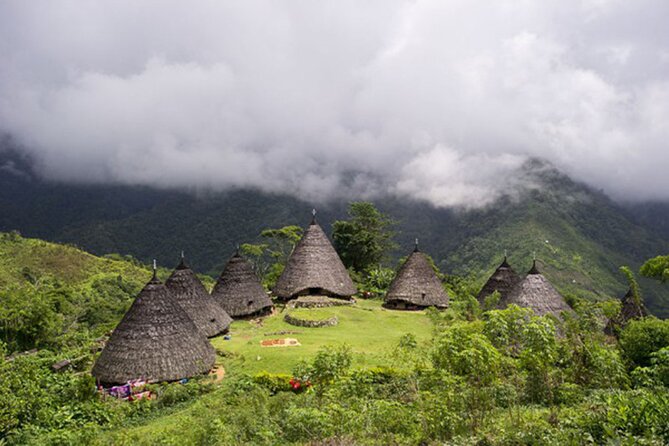
This is where expectations matter most. Your itinerary includes two different sleeping situations.
- Night 1: in a guesthouse in Denge village
- Night 2: with a local family in their Wae Rebo home
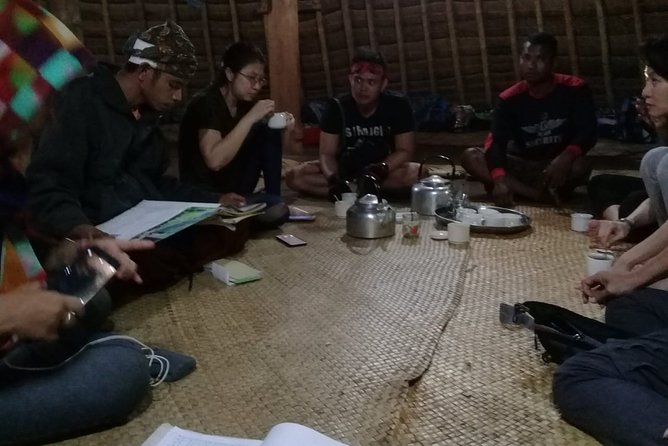
That second night is what makes the experience meaningfully different. You are not just taking a guided walk, you are part of a household routine for a night. The social side can also be a pleasant surprise, since shared time tends to lead to friendly conversation, even if you start off as strangers.
Now the honest part. Several accounts describe sleeping arrangements as basic, sometimes more like hostel-style rather than hotel-style. Showers can be cold water only, and the bathing experience can be more functional than luxurious.
Food can also be simple. While the experience includes meals and focuses on homegrown options, some descriptions mention basic setups for breakfast and dinner, including vegetarian and egg type meals. If you expect big hotel breakfast variety, you might feel underwhelmed.
Finally, temperature can surprise you. One review specifically notes that nights can be freezing in December. If you visit during cooler months, bring layers and plan for cold.
Day 3: Breakfast, village time, and the walk back down
Day 3 starts with breakfast, then you get time to spend in the village before heading back. That matters. You are not immediately rushed off after your arrival day. You get a chance to slow down and actually experience the place you climbed for.
Then you walk down to Denge along the same trail. You get to see the views again, but from a different angle and with more relaxed legs, hopefully. The descent is still time and still effort, but it is usually a different kind of physical work than the uphill day.
After returning to Denge, you continue back toward Labuan Bajo. The drive portion closes the loop, and you end with the comfort of vehicle travel after two intense days on foot.
What to pack and how to pace yourself
I can’t control weather, shoes, or how fast you walk, but I can help you prepare so the trek feels hard in a satisfying way, not hard in a stressful way.
Based on the hike descriptions and the basics some people report, I’d plan around:
- Footwear with grip for possible slick sections if conditions are wet
- Layers for rainforest humidity during the day and possible cold nights at elevation
- A realistic attitude toward shower comfort since cold water is part of the experience for some people
- Patience on meal timing and food simplicity, since the focus is home-style, not fancy
If you are the kind of person who wants a packed itinerary with constant variety, this trip can feel slower than you expect once you arrive at the village. That is not a failure of the tour, it is the point. Wae Rebo is about staying long enough to feel the place.
Who this Waerebo Village tour suits best
This tour is a great match if you:
- want authentic Manggarai village life, not just a photo stop
- enjoy hiking through rainforest and can handle a steep uphill segment
- feel comfortable with basic accommodation and simple meals
- like meeting people and slowing down with local rhythms
It is not the best fit if you:
- need hot showers and hotel-level comfort
- dislike cold nights or basic sleeping arrangements
- want an easy walk with little physical challenge
Fitness-wise, the tour recommends moderate physical fitness. If you are used to hills and you move carefully, you will likely do fine. If you are not comfortable with steep, slippery terrain, consider choosing a different itinerary.
Should you book this? My decision guide
Book it if you care most about two things: the people and the hike with a real payoff. You are investing in a guided, organized trip that includes lodging in Denge and a family night in Wae Rebo, plus meals and entrance fees. That package structure is what makes the experience feel doable rather than chaotic.
Skip it if your top priority is comfort. Basic sleeping, cold water showers, and simple food can be a letdown if you are traveling with a luxury mindset. Also, take the trek seriously. Even when the trail time is shorter for some people, the climb is steep enough that you should plan your pace like safety is part of your enjoyment.
If you read this and you feel excited anyway, that is usually the sign you should go. Wae Rebo has a way of making the effort feel meaningful, because you do not just visit, you stay.
FAQ
What is the duration of the Waerebo Village tour?
It runs for about 3 days.
Where do you go and what is the starting point?
The trip is based around Labuan Bajo. You are met at Komodo Airport after arrival, then driven to Denge village, and the tour includes private 2-way transfers.
What time does the tour start?
The start time is 8:30 am.
How long is the hike to Wae Rebo Village?
The uphill hike from Denge to Wae Rebo is listed at around four hours through the rainforest. Some descriptions note it can be around 2.5 to 3 hours depending on pace.
Do I sleep inside Wae Rebo Village?
Yes. You sleep one night in a guesthouse in Denge, then the second night with a local family in their Wae Rebo home.
What meals are included?
The tour includes lunch (3), breakfast (2), and dinner (2).
What is included in the price, and what is not?
Included are accommodations with breakfast, entrance fees, an air-conditioned vehicle, the included meals, and private 2-way transfers. Not included are flight tickets and airport or departure tax.
Is this tour private?
Yes, it is listed as a private tour/activity where only your group participates.