
REVIEW · INDONESIA JUNGLE TREKKING AND NATURE HIKES
2D1N Senaru Crater Rim Trekking
Two days on Rinjani feels like a lifetime. This private crater-rim trek from Senaru gives you a real taste of Lombok’s volcano world, then locks in a night with big views over the Gili Islands and Bali. The tradeoff is simple: even the easiest rim option still climbs more than 2,000 meters in one day, so you need steady legs and a calm pace.
I really like the way the trip is built for comfort at camp. You get mattresses, pillows, a toilet tent, and a setup that lets you actually rest after the hike, not just survive it. I also like that your guide and porters take the heavy job seriously, carrying cooking gear and camping equipment so you can focus on moving.
One thing to plan around is gear. The trek includes food, water, and sleeping gear, but you still need your own trekking shoes, rain protection, and a headlamp, plus gloves and long pants if the weather turns.
In This Review
- Key things to know before you go
- Getting to the start, and what the morning hike sets up
- Day 1: Forest to the rim, from Pos 1 to Pos 3
- Camp at the crater rim: sunset views and the comfort you’ll be grateful for
- Day 2: Sunrise, a relaxed breakfast, then the descent back to Senaru
- What you pay: value, permits, and the real cost picture
- Gear and fitness: what to bring so you feel strong at each stage
- Who this trek suits best, and who should think twice
- Should you book the Senaru Crater Rim trek?
Key things to know before you go
- Private pace with an English-speaking guide, so you hike to your rhythm instead of a group shuffle.
- Crater rim camping with real comfort, including mattresses, pillows, and a toilet tent.
- Two big view windows, sunset over the Gili Islands and Mt. Agung, then sunrise before you start down.
- Elevation is no joke, with a long push from the forest zone up to around 2,641m.
- National park fees are separate, so your final cost is more than the listed trek price.
More walking routes, short and long
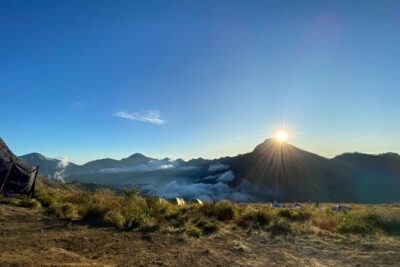
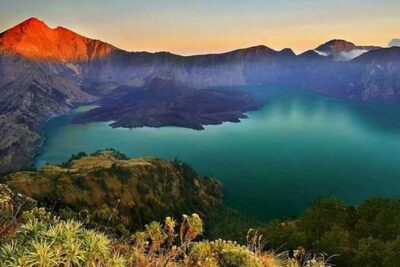
Getting to the start, and what the morning hike sets up
Most days on this trek start early, with a 7:00 am departure from the Senaru area, meeting at the Lombok Volcano Trekking office on Jl. Pariwisata. You’ll register at the Rinjani Trek Centre in Senaru, which sits at about 601m. That matters because the first part of the day is about finding your breathing and getting your body warm, not sprinting.
The whole experience is designed around a simple idea: reach the crater rim and spend enough time there to enjoy the light. You’re not just hiking for a photo and turning around. You move uphill through forest, then grassland, then you camp near the rim so sunset and sunrise are part of the plan, not an optional bonus.
If you like structured, day-by-day progress, this works well. You pass clear resting points (Pos 1, Pos 2, lunch at Pos 3), and you end the first day at the rim around 2,641m. If you’re the type who gets anxious about timing, the private format helps, because your guide can manage breaks and pace for your group.
The practical downside? A private trek means everything is on you too, in a good way. You do not get to hide inside a faster group. If you need frequent pauses, you should plan to use them early, before you’re too tired. You’ll hike better, and the views on arrival feel earned.
Day 1: Forest to the rim, from Pos 1 to Pos 3
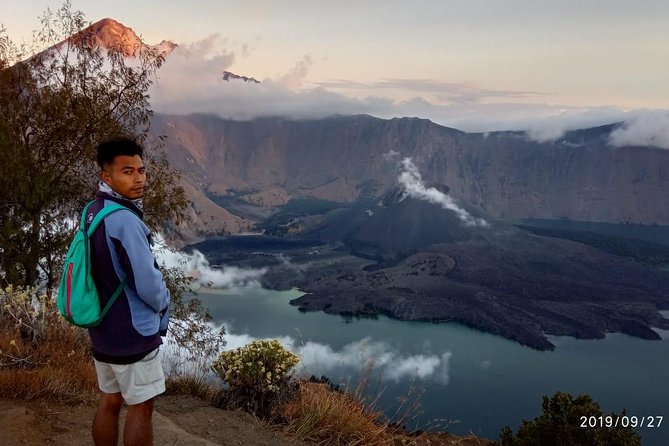
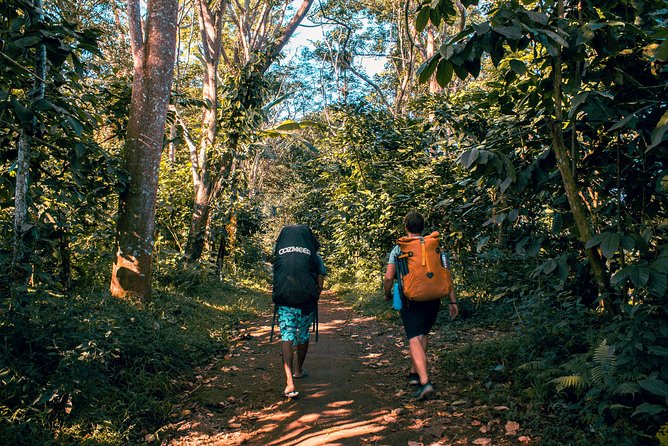
Day 1 is the climb. You start in the forest zone and trek through dense tropical greenery, then stop and rest at Pos 1 and Pos 2. These stops are there for a reason. They give you a rhythm when the trail gets steep and your heart rate climbs faster than your legs want it to.
After lunch at Pos 3 around 2,000m, the trail turns steeper as you ascend through grassland toward Senaru Crater Rim at about 2,641m. That transition is important to understand: forest walking can feel easier under shade, while grassland can feel more exposed to wind and weather. It’s also where the air can feel thinner, depending on conditions.
What I like about this structure is that it breaks the day into manageable phases. You get lunch mid-climb, then you push to the rim with a clear endpoint. Most people feel it most during the final climb from the higher trail toward the campsite, but knowing it’s the last major push helps you stay calm.
Along the way, your guide can help with pacing and technique, like shorter steps on steep bits and steady breathing. The porters and your guide also handle the big stuff. Your porters carry the cooking gear and camping equipment, which is one of the biggest value points of this package. You’re not dragging a heavy pack the whole way up.
If you’re unsure about fitness, this is still doable for many moderately fit hikers, but only if you treat it like a steady hike, not a fitness test. Reviews and typical experiences around Rinjani rim treks often talk about how much harder the ascent feels than people expect. Your best move is going in ready for effort, not victory laps.
Camp at the crater rim: sunset views and the comfort you’ll be grateful for
After you reach the rim area, you camp overnight with views that are the emotional payoff for the work. The night setup is one of the most praised parts of this trek, and it’s easy to see why. You’re not sleeping on bare ground. You get mattresses and pillows, plus a toilet tent, and you sleep with the included sleeping bags.
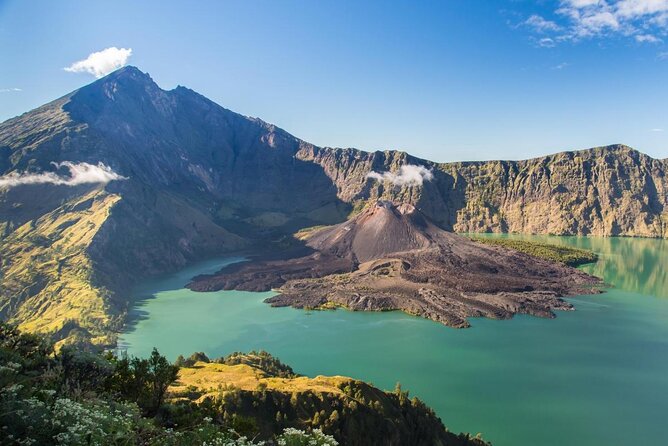
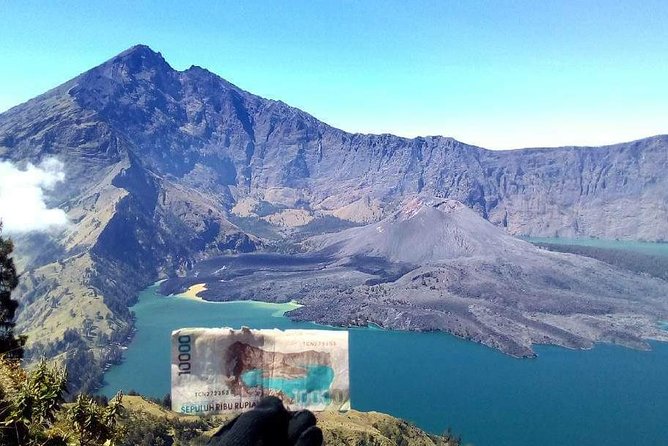
Then comes the light show. From the rim you can watch the sunset, with Mt. Agung on Bali, the Gili Islands, the summit of Mt. Rinjani, Segara Anak Lake, and Gunung Baru visible depending on weather and cloud cover. Even if you never get perfect skies, the rim has a way of making shifting light feel cinematic.
I also like that the camp is set up so you can focus on recovering. When you’re hiking all day and then you finally stop, you want your body to cool down and your mind to relax. A campsite with actual rest gear does that. It also makes it easier to enjoy conversations, snacks, and the view rather than spending the night freezing or fiddling with gear.
One small consideration: crater rim weather can change quickly. If clouds roll in, your views may soften, not vanish completely. That’s normal on volcanoes. The best attitude is to dress for changing conditions, then enjoy what the sky gives you.
This is also where the guide’s presence matters. A good guide helps you choose when to move around for photos, when to sit, and how to manage your energy before sunrise. Names like Mario, Benji, Anton, Lim, and Rudy show up again and again in guides associated with this style of trek, and the common thread is caring support. You feel less like you’re “on your own with a mountain,” and more like you’re part of a team doing something hard.
Day 2: Sunrise, a relaxed breakfast, then the descent back to Senaru
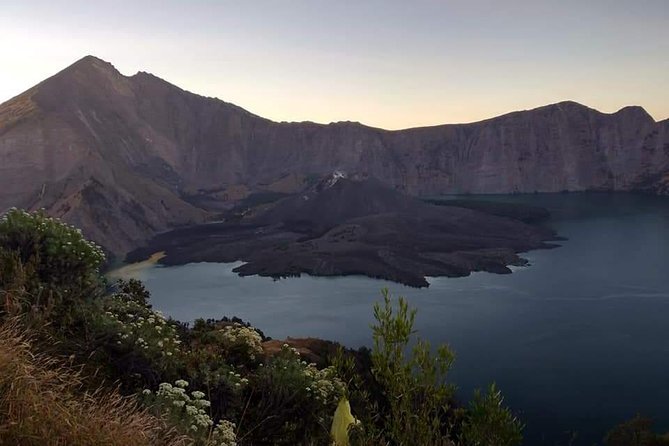
Day 2 starts with sunrise, which you’ll want to see from the rim while the colors are still moving. After sunrise, you wake up for a relaxed breakfast, then you start descending back to Senaru. You’ll keep breaks on the way, with snacks along the route.
You’ll stop again around Pos 2 and enjoy lunch there, which is helpful because descent can still take energy, even if it feels easier than climbing. Arriving in Senaru around 1:00 pm gives you the rest of the day back to enjoy Lombok.
The descent is where many people feel their knees and calves, especially if you went quickly on day one. Your best strategy is to go slow on the way down and keep your steps controlled. If you tend to rush when you’re tired, remind yourself that the hardest part of the trek might be behind you, but your body still needs care.
Your guide and porters handle the logistics, including getting the group through the main waypoints and keeping the timeline comfortable. Private pacing helps here too. If your group wants a longer photo moment during sunrise or the descent breaks, you can usually make that happen without derailing everything.
And once you reach Senaru, it feels like a full loop completed. You climbed through forest and grassland, spent a night at the rim, and then came back down with enough energy left to enjoy the aftermath rather than collapse immediately.
- Tetebatu Walking Tour – Rice Terraces, Waterfall & Monkey Forest★ 5.0 · 349 reviews
- Day Trip 5 Secret Gilis : Layar, Rengit, Nanggu, Tangkong, Kedis★ 5.0 · 192 reviews
- 2D1N Senaru Crater Rim Trekking★ 5.0 · 178 reviews
- Explore Komodo and Swim with Whale Sharks★ 5.0 · 138 reviews
- Lombok Pink Beach Boat Trip (Full Day + Snorkeling)★ 5.0 · 104 reviews
What you pay: value, permits, and the real cost picture
The listed price is $156 per person for a 2-day private guided trek with camping, food, and water. That’s a solid number for the work involved. What makes it feel like good value is that the package covers the heavy, expensive parts of the experience: an English-speaking guide, professional porters, meals, camping equipment, and water.
You get:
- Food and drinking water on the trek (3 litre mineral water per day per person)
- Tent, toilet tent and paper, sleeping bags and mattress, pillow
- Luggage storage available at the Lombok Volcano Trekking office
- Trekking gear and footwear are not included, so you’ll bring your own shoes and rain protection
The one big catch is that Rinjani national park fees are not included, and they’re listed as IDR 250,000 per person per day. Since you’re hiking for two days, you should plan for park fees that match your days in the program. Your final total will be your trek price plus those permit costs.
Transportation is also not included, and pickup before and transfers after are not part of the package. If you are building a trip around Lombok, plan a buffer for getting to Senaru and returning after the trek. This is one of those “hidden” costs that people underestimate because the trek price alone looks tidy.
Finally, think about tips. This kind of trek runs on guides and porters who do tough, physical work. It’s not required in the data you provided, but it’s a practical part of ethical travel to budget a tip if the service feels excellent. The tone from people who did this trek is pretty consistent about appreciating the team.
Gear and fitness: what to bring so you feel strong at each stage
You should assume the hike is strenuous. The “easiest option” is still a big climb, rising more than 2,000 meters in a day. That’s not meant to scare you off. It’s meant to help you choose the right strategy.
You’ll want your own:
- Trekking shoes
- Rain jacket
- Long pants
- Gloves
- Headlamp or hand torch
Even if your forecast looks fine, bring rain protection. Mountain weather can shift fast, and a wet trail plus heavy footing can make descent more uncomfortable than it needs to be.
For fitness, the tour suggests moderate physical fitness level. In practice, that means you can walk for hours, handle steep trails, and recover quickly between efforts. If you’ve been skipping stairs lately, do a couple weeks of stair walks, long walks, or gentle hikes before you go. Even short prep can make the rim feel more manageable.
What helps most during the climb is pace control. Private trekking lets you go slower than you think you should and still arrive at the rim feeling proud, not wrecked. If you push too hard early, you often pay for it later, especially on the grassland section.
Weather and sleep also matter. You’ll sleep in a tent, so treat it like real camping. The mattress and sleeping bag included are a big help, but you’ll still benefit from dressing for cooler air in the evening and early morning.
Who this trek suits best, and who should think twice
This is a great fit if you want a meaningful Lombok volcano experience without committing to the full summit routes. You get the crater rim, sunset, sunrise, and a night camping experience that feels organized and comfortable. The private format also helps if you don’t love group hiking or you have your own rhythm for breaks.
It’s especially good if you:
- Want crater rim views rather than a long, technical expedition
- Like clear day plans, with lunch points and a predictable return
- Appreciate porters and guide logistics so you’re not carrying the whole camp
You might think twice if you:
- Have weak knees or very limited hiking tolerance, since the ascent and descent are both demanding
- Are uncomfortable in changing weather, unless you’re willing to bring proper rain gear and cold-weather layers
- Expect an easy stroll. This is a trek, not a walk in the park.
Should you book the Senaru Crater Rim trek?
I think you should book this trek if you’re chasing one of Lombok’s most rewarding experiences, the crater rim night with sunrise and sunset. The biggest reasons are value and design: you’re paying for a private guide, porters, real camp comfort, and meals, and you’re getting a view schedule built around the best light.
Don’t book it if you’re looking for a low-effort hike. The elevation gain is still significant, and you’ll need the right shoes and rain protection. Also, budget for Rinjani national park fees in addition to the trek price.
If you’re ready for a serious day of climbing, and you want your effort to end with a rim campsite view of Bali, the Gilis, and the Rinjani world, this is a strong choice.
Walking Routes Worth the Early Start
Fresh Lombok write-ups from the review desk
Indonesia Jungle Trekking and Nature Hikes, compared.
 ★ 5.0Mount Batur Sunrise Hike and Natural Hot Spring OptionFrom $331,927 reviews
 ★ 5.0Mount Batur Sunrise Hike with BreakfastFrom $301,757 reviews
 ★ 5.0Mount Batur Sunrise TrekkingFrom $39947 reviews
 ★ 5.0Mount Batur Sunrise Trekking Private All InclusiveFrom $21906 reviews
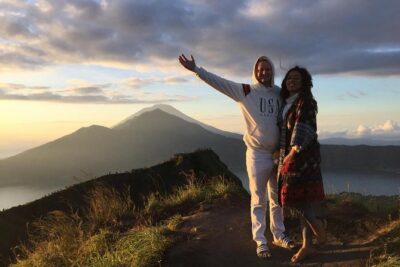 ★ 5.0Mount Batur Sunrise Trekking Private Tour with Breakfast and Hotel TransferFrom $49885 reviews
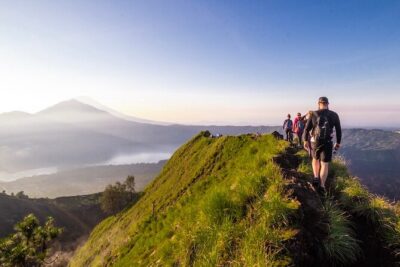 ★ 5.0Private Mount Batur Sunrise Trekking TourFrom $39634 reviews
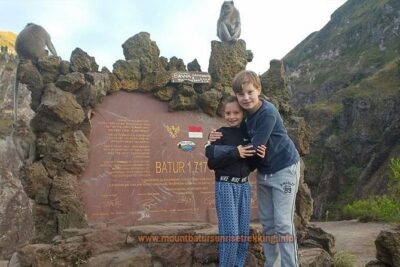 ★ 5.0Mount Batur Sunrise Trekking (Private Tour and Breakfast at Restaurant)From $39598 reviews
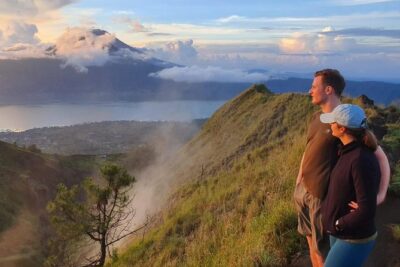 ★ 5.0Private Tour Mount Batur Sunrise Trekking and Natural Hot SpringFrom $63431 reviews
Browse the lists this tour appears in