
REVIEW · LOMBOK AND MOUNT RINJANI ADVENTURES
Rinjani Trekking 3 Days 2 Nights (Sembalun – Senaru)
Mt Rinjani starts with waterfalls and ends in heat. This 3-day, 2-night Sembalun to Senaru trek is built around one big loop, a summit day and Senaru crater-rim camping, plus time for the lake and hot springs. You also get real support in the group, with a local guide and porters who handle a lot of the heavy logistics.
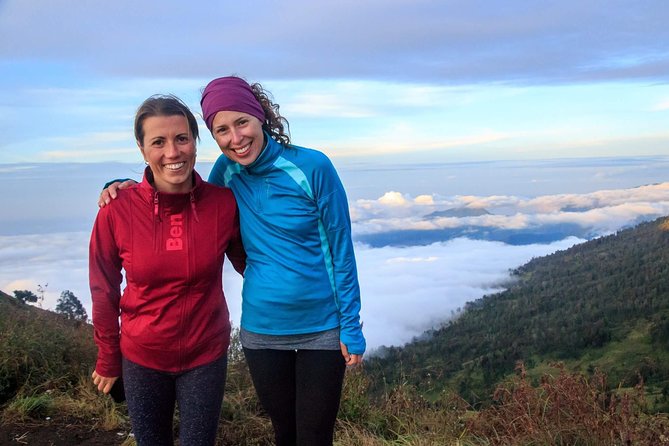
What I like most is the way the team makes the hard parts feel manageable. Guides such as Mul and Dani, and also Edi, are repeatedly praised for staying attentive to your safety and needs, and for keeping the mood good even when conditions turn tough. I also like the small extra touches, especially the fact that your guide takes photos as you go, so you come home with more than just blurry phone shots.
One thing to consider up front: you need to show up prepared for a serious hike and basic camping nights. The trip is challenging, and key items like a head lamp, long pants, trekking shoes, and even a trekking jacket are not included, so you will want to pack smart.
In This Review
- Key things worth knowing before you go
- Entering the Rinjani loop: why this route hits
- The pace: what 3 days, 2 nights really means for you
- Day 1 in Senaru: waterfalls first, then gear your brain
- Day 2: first major hiking day, aiming for the crater rim area
- Day 3 summit day: reach the top, then earn lake and hot springs time
- Camping at the crater rim: why sleeping there is part of the payoff
- Who you hike with matters: Edi, Mul, and Dani plus porter support
- Transfers and timing: how to plan your Lombok days
- What’s included, what’s not, and what you should pack
- Price and value: is $389.57 fair for what you get?
- Who should book this Rinjani trek
- Should you book HaLoMi Trekker’s Rinjani 3D2N Sembalun to Senaru?
- FAQ
- What time does the trek start?
- What is included in the trek package?
- Do I get camping gear?
- What key items are not included that I should bring?
- Is there a vegetarian meal option?
- Is there anything after the trek besides finishing in Senaru?
Key things worth knowing before you go
- Sembalun to Senaru route: you climb from Sembalun and finish near Senaru, with crater-rim camping built into the plan.
- Summit plus lake plus hot springs: the classic Rinjani day includes the summit push and time for lake and hot-spring moments.
- Guides who actively manage the trip: Mul, Dani, and Edi show up again and again in praise for safety and care.
- Porter help is part of the value: food and camp setup get handled, and you only add an extra porter if your personal luggage needs more.
- Guide photo stops: someone is actually thinking about your souvenirs, not just the pace.
- You get a bonus post-trek boat transfer to Gili: useful if you want to tack on beach time right after hiking.
More walking routes, short and long
Entering the Rinjani loop: why this route hits
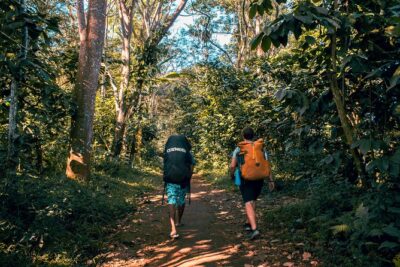
Mt Rinjani is one of those volcano climbs where the route matters as much as the effort. This Sembalun to Senaru itinerary is popular for a simple reason: it is not just a straight up, straight down hike. You start in Sembalun, work your way toward the crater area, then drop down toward the lake, and finish the experience in the Senaru side.
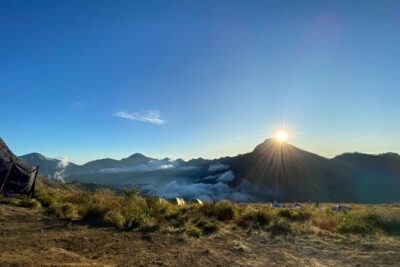
That means your day-to-day feels different. You are not only chasing altitude. You are also moving through changes in terrain and viewpoints, and you get the payoff scenes that make Rinjani famous: the crater-rim setting, the lake area, and hot springs. The experience is also timed so you can camp at the crater rim area on the second night, which helps you pace the summit morning.
The pace: what 3 days, 2 nights really means for you
Even if a tour calls it 3D2N, what you feel is 3 big hiking days plus the camping nights. The plan is structured like this: you begin with a move from Sembalun toward the crater rim area, you spend a night camping at the crater rim after getting down toward the lake side, and then you do the summit push with a return climb back up toward the Senaru crater rim before ending at Senaru village.
This is a fitness challenge, and the details you should care about are practical ones:
- You will be hiking early and for long stretches on mountain trails.
- Night conditions can matter because you are camping and may need light and warm layers.
- Your success depends on pacing and footing, not just endurance.
If you consider yourself an experienced hiker, you should still treat Rinjani like a weather and altitude sport, not a casual walk. The good news is that the package is designed for hikers, with water, coffee or tea, snacks, meals, and camping gear handled for you.
Day 1 in Senaru: waterfalls first, then gear your brain
The day starts with a briefing time, then you head to Senaru for two waterfall stops: Sindang Gile and Tiu Kelep, with about 2 hours total and free admission tickets listed for this segment.
This matters more than it sounds. You get to stretch your legs, see the Senaru area, and build momentum before the harder volcano days. It is also a nice mental reset because waterfalls feel like a reward, not a task. You get scenery that is green and dramatic, and you finish the day thinking less about logistics and more about the hike ahead.
In practical terms, go easy on the first day. Enjoy the falls, but avoid burning energy you will need later.
Day 2: first major hiking day, aiming for the crater rim area
On the second day, the trek becomes the real work. This is the first day of the hike in the way the schedule is laid out, and you are moving toward the crater rim area. The core idea is that you are gradually working from the Sembalun side toward the volcano basin.
Because your package includes camping gear, overnight accommodation, and food, you do not have to solve the camp puzzle while you are hiking. Bottled water is included, and you also get snacks plus coffee or tea. That sounds small on paper, but it is huge on a long day when you are trying to keep steady energy and avoid getting behind.
One more thing I like about how this trek is set up: the guide is part of the plan, not just a name on a WhatsApp message. In the praised trips tied to this operator, guides such as Mul and Dani are described as attentive and supportive, sometimes even carrying more when someone struggles. That kind of active help is what keeps a mountain day from turning into a survival day.
Other Lombok days, coast and volcano
- Anggrek Putih Lombok Cooking Class★ 5.0 · 253 reviews
- Day Trip Gili Trawangan, Gili Meno, Gili Air (Depart Lombok)★ 5.0 · 167 reviews
- Lombok Private Customize Tour★ 4.5 · 144 reviews
- 3D-2N Explore Mount Rinjani – Summit -Lake and Hotspring★ 5.0 · 112 reviews
- Lombok Pink Beach Boat Trip (Full Day + Snorkeling)★ 5.0 · 104 reviews
Day 3 summit day: reach the top, then earn lake and hot springs time
Day three is where the mountain shows up. This is the second day of the hike in the schedule, and it includes the summit push, then the descent toward the lake area, and then the climb back up again toward the Senaru crater rim.
This structure is important because it builds variety into the pain:
- The summit push is your altitude and stamina test.
- The descent toward the lake gives you a different kind of reward, with big crater views and a real sense of place.
- The climb back up to the Senaru crater rim is the recovery test, where good pacing makes the difference.
Hot springs are included as a highlight, and that is a smart feature. After a summit day, soaking is not a luxury you might skip. It can be the thing that makes your legs feel like they belong to you again.
Your guide also takes photos as you go. On a summit day, that is practical. It helps you get photos at the moments you would normally be too busy to stop or too tired to pose well.
Camping at the crater rim: why sleeping there is part of the payoff
Camping is included, and camping gear is part of the package. That is a big deal for value because it removes one of the most annoying costs and planning steps in mountain travel.
The trek has you camping on the Senaru crater rim area, so you are not just hiking and then disappearing into a hotel. You get that volcano-basin feeling overnight. Even if you are not a hardcore camper, this is the kind of night that makes the whole trip feel like more than a hike.
Food is planned too. Lunch is listed three times, breakfast three times, and dinner twice, plus snacks and hot drinks. That kind of coverage matters on Rinjani because hunger and fatigue tend to team up. The trip keeps you fueled so you can focus on moving.
Who you hike with matters: Edi, Mul, and Dani plus porter support
This is the part I would pay attention to if I were booking again. Guides are repeatedly praised for being professional, safety-minded, and genuinely caring. Names that come up in the strong feedback include:
- Edi, mentioned as an experienced guide who pays attention to details
- Mul and Dani, mentioned for professionalism, kindness, and making the trek fun in a grounded way
- Porters named Rus and Zul, praised for support and camp service
The practical takeaway for you: you are not just renting a guide, you are joining a functioning team. That team aspect is also why the trek can include guide photo support and still feel organized.
Also, if you bring extra items you are trying to carry yourself, that can get tiring. The trek lists an option for an extra porter for your own luggage, which signals you should pack with an eye toward what you want on your body versus what you are okay letting the porters manage.
Transfers and timing: how to plan your Lombok days
Your package includes hotel/port pickup and drop-off, plus transfers from Lombok to Senaru on day 0. It also includes a transfer back to your next Lombok destination on day 3.
Meeting time is 8:00 am, so you should plan your arrival in Lombok accordingly. If you are traveling from the airport or another island the same day, you are taking a risk with traffic and ferry timing.
If you like to keep your trip moving, there is also a bonus boat transfer to Gili Island after the trek. That is a smart add-on because it lets you switch from mountain effort to sea and recovery without spending more energy on logistics.
What’s included, what’s not, and what you should pack
This trek includes a lot that typically costs extra elsewhere: local guide, national park fees, local taxes, bottled water, coffee or tea, snacks, meals, overnight accommodation, and camping gear.
It does not include a few key items you should treat as must-haves for comfort and safety:
- Head lamp or hand torch
- Trekking shoes
- Trekking jacket
- Long pants or trousers
- A small backpack or daily pack
- Tips for guide and porters
Here is my practical packing logic. The included gear takes away a lot of the camp burden, but your body gear is your responsibility. That means you should focus on footwear and layers first. A head lamp becomes essential if you are moving in low light or starting early. Long pants help with trail friction and cooling at night.
Also remember: vegetarian options are available if you tell them when you book. If you have any dietary needs, communicate them early so the meals line up with what you can eat.
Price and value: is $389.57 fair for what you get?
At $389.57 per person, the value equation is not about whether the trek is cheap. It is about whether you are buying a full service mountain setup without extra surprises.
In this package, you are getting:
- Guide and national park fees handled
- Camping gear included
- Meals and drinks across multiple days
- Overnight accommodation
- Transfers into and out of the Senaru area
That is a lot of cost and planning wrapped into one price. It also helps that it is private, only your group participates. Private hikes usually cost more, but here the structure also includes the kind of team support that makes a summit trek smoother.
Two more value clues: group discounts may apply, and confirmation is received at booking time in many cases, depending on when you book. The trek is commonly booked around 20 days in advance, which usually means you should plan early if you have a specific window.
For who it is worth it: if you want a guided, supported trek with less logistical fuss and more focus on the climb and the scenery, this is a reasonable buy.
Who should book this Rinjani trek
This trek says most travelers can participate, but the challenge level is still real. You will do best if:
- You can hike for multiple long days with elevation.
- You prefer a guided experience where someone manages timing, camp, and trail decisions.
- You want crater-rim camping plus summit and lake time, not just a partial hike.
It also fits well for:
- Couples or small groups who want a private experience
- Hikers who care about photos and want help capturing the moments
- People who want a clean path from hiking into beach recovery, since Gili is part of the after-trek plan
If you are brand new to trekking, I would think hard about whether you have the right shoes, the right stamina, and the willingness to listen to your guide on pacing and safety.
Should you book HaLoMi Trekker’s Rinjani 3D2N Sembalun to Senaru?
Book it if you want the full Rinjani highlights in one organized package: summit, lake area time, hot springs, crater-rim camping, and a guide team that gets praised for safety and care. The included meals, water, coffee or tea, snacks, camping gear, and transfers also make it feel like a complete experience rather than a “show up and figure it out” hike.
Think twice if you are missing key gear and plan to improvise, because head lamp, trekking shoes, and long pants are not included. Also be honest with yourself about fitness, since the route includes a summit push plus repeated climbs.
If you match that checklist, you will likely come away with the kind of mountain story that is hard to beat: waterfalls in Senaru first, then the crater world, then the lake and hot springs when you finally stop moving.
FAQ
What time does the trek start?
The meeting point start time is 8:00 am.
What is included in the trek package?
The package includes hotel/port pickup and drop-off, a local guide, local taxes, national park fees, overnight accommodation, bottled water, coffee and/or tea, snacks, and multiple meals (breakfasts, lunches, and dinners).
Do I get camping gear?
Yes, camping gear is included.
What key items are not included that I should bring?
You should bring a head lamp or hand torch, trekking shoes, long pants or trousers, a small backpack or daily pack, and a trekking jacket. Tips for guide and porters are also not included.
Is there a vegetarian meal option?
Yes. A vegetarian option is available if you advise them at the time of booking.
Is there anything after the trek besides finishing in Senaru?
Yes, there is a free bonus boat transfer to Gili Island after the trek.
Lombok, Coast and Volcano
Walking Routes Worth the Early Start
Fresh Lombok write-ups from the review desk
Lombok and Mount Rinjani Adventures, compared.
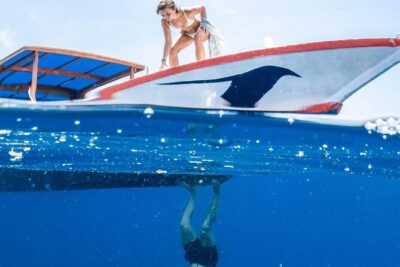 ★ 5.0Gili Island Snorkeling Trip – Gili Trawangan, Gili Meno, & Gili Air, From LombokFrom $88330 reviews
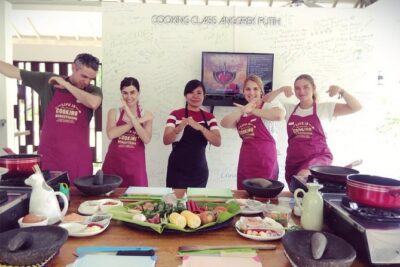 ★ 5.0Anggrek Putih Lombok Cooking ClassFrom $30253 reviews
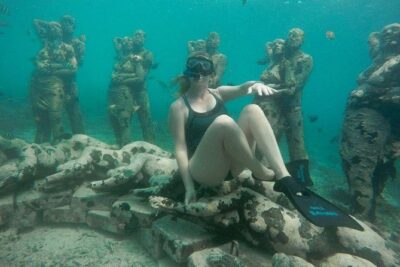 ★ 5.0Day Trip Gili Trawangan, Gili Meno, Gili Air (Depart Lombok)From $97167 reviews
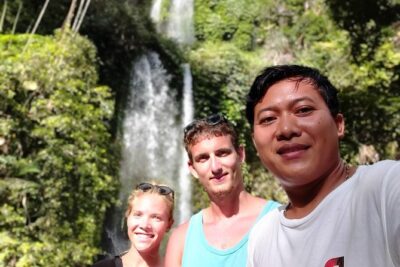 ★ 4.5Lombok Private Customize TourFrom $45144 reviews
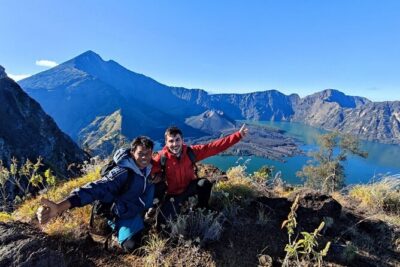 ★ 5.03D-2N Explore Mount Rinjani – Summit -Lake and HotspringFrom $235112 reviews
 ★ 5.0Lombok Pink Beach Boat Trip (Full Day + Snorkeling)From $88104 reviews
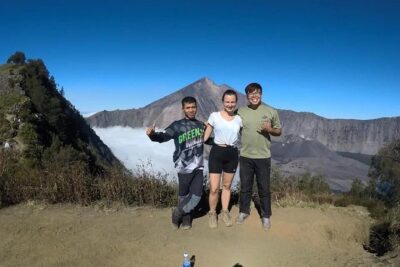 ★ 5.0Rinjani trekking 2D 1N RIMFrom $20594 reviews
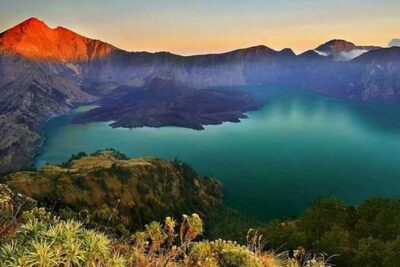 ★ 4.5Rinjani Trekking 3D2N SummitFrom $24385 reviews
Browse the lists this tour appears in