
REVIEW · LOMBOK AND MOUNT RINJANI ADVENTURES
3D-2N Explore Mount Rinjani – Summit -Lake and Hotspring
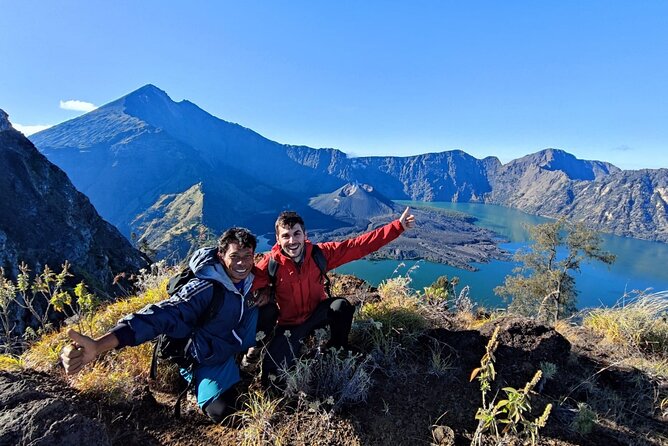
Two nights on a real volcano can change you. This 3-day Mount Rinjani trek is built around summit sunrise and time at Lake Segara Anak, with a return back to Senaru each evening, plus a package that’s sold as including hot-spring time. You hike through dramatic volcanic country with early starts and big altitude payoffs, all while keeping your logistics simpler than the fully self-organized version.
I especially like the setup that keeps things practical: camping equipment is provided, so you do not have to guess what to pack for sleeping out. I also love that the trek is handled with a mountain guide and porter, so you are not carrying cooking gear or water, which matters a lot once the climb gets steep and cold.
One consideration: this is still a serious hike, with “moderate physical fitness” needed, and it starts early (like 2:00 am). Also, while most people rate it highly (4.9 overall, 99% recommended), one earlier group reported disorganization and concerns about guide matching, so I’d confirm how the operator plans your guide assignment if you are going during busy season.
In This Review
- Quick wins on this 3D/2N Rinjani plan
- Starting in Senaru: what this base does for your body
- Day 1 in the national park: your first big effort (and your pacing lesson)
- Day 2 summit sunrise: the 2:00 am wake-up reality
- Day 3 rainforest descent: Segara Anak time and a slower kind of tired
- Lake Segara Anak, crater views, and hot-spring time
- What’s really included (and why it changes the trek)
- Price and value: is $235 a smart bet?
- Group size, guide quality, and staying flexible
- Tips to make this trek feel doable, not scary
- Should you book this Mount Rinjani 3D/2N summit package?
- FAQ
- How long is the Mount Rinjani trek?
- Where does the trek start and end?
- What time does the activity start?
- Is pickup offered?
- How many people are in a group?
- What kind of fitness level do I need?
- What is included for the hike and camping?
- Are permits and insurance included?
- Is admission included?
- What if poor weather cancels the trek?
Quick wins on this 3D/2N Rinjani plan
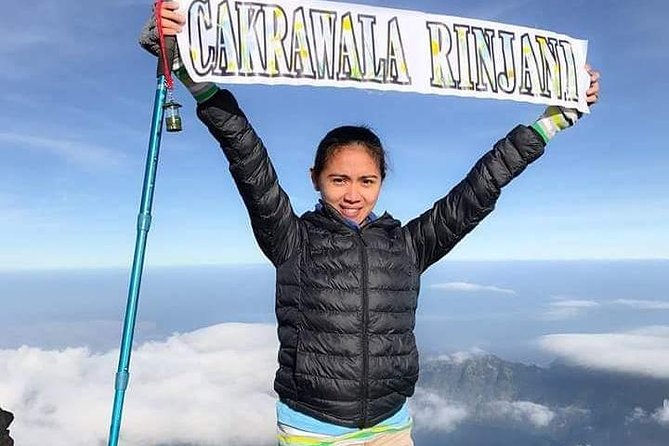
- Summit timing built for sunrise, with an early wake-up and a 6:00 am summit arrival target at 3,726 m
- Senaru overnights both nights, with camping equipment included so you pack lighter
- Guide and porter included, meaning no need to carry cooking equipment or water
- Permits and insurance covered, so you do not have to track paperwork at the last minute
- Small-group feel (maximum 10 travelers) with a private-tour structure
Warmer water, a few more soaking spots
Starting in Senaru: what this base does for your body
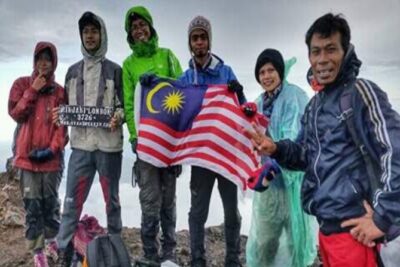
This trek is centered on Senaru. Your starting point is Cakrawala Rinjani Trekking in Senaru, and the activity ends back at the same place. You start at 7:00 am, and the design aims to get you out to the mountain, then bring you back down to Senaru each night.
Why that matters: Rinjani is not just about distance. It is about managing cold mornings, fatigue, and gear. Coming back to a known base gives you a mental reset. It also means you are not relying on complicated nightly transfers between villages.
The other practical win is equipment. The package says camping equipment is provided, so you can plan your packing around personal comfort and warm layers rather than “what do I need to camp correctly.” If you hate that extra checklist stress, Senaru as a consistent base is a big plus.
Day 1 in the national park: your first big effort (and your pacing lesson)
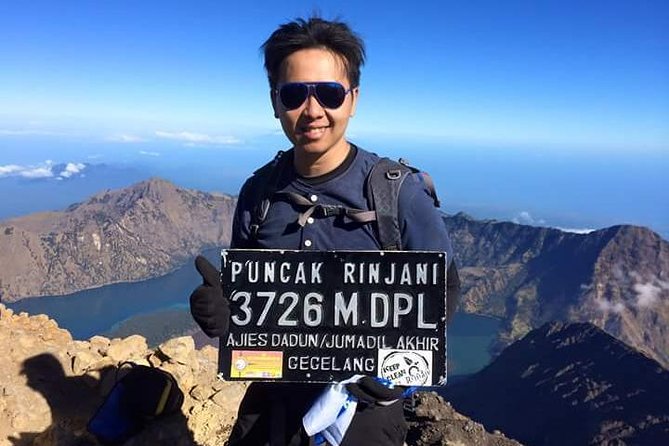
Day 1 is a long first outing in Mount Rinjani National Park, starting from the Sembalun side and moving toward the crater area. The schedule lists about 7 hours. The package language frames it as a “from Sembalun to the crater rim” experience, ending with you back in Senaru for night one.
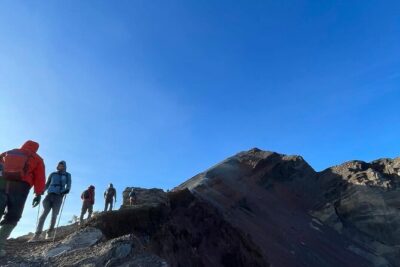
What to expect on Day 1 is mostly foundation work. You will be on the move for hours, learning the rhythm of uphill breathing, foot placement on loose ground, and the way the air changes as you climb higher, then work your way back down.
The drawback of Day 1 is also the point: you can’t treat it like a stroll. Even if you are fit, volcanic trails can wear you out, especially if you go too hard too early. The smartest approach is to keep your pace steady and let your body catch up to the altitude demands over the next two days.
Day 2 summit sunrise: the 2:00 am wake-up reality
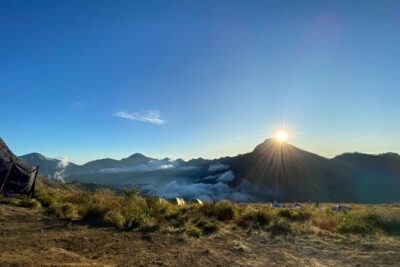
Day 2 is the headline day. You wake around 2:00 am with a hot drink and a light breakfast. Then you begin the summit push in the dark, aiming to reach the top around 6:00 am, when sunrise is part of the experience.
The summit target is 3,726 m, and the total day is about 9 hours. This is the day where trekking skill meets weather and stamina. You will likely feel the cold early, and you will want to move carefully to avoid tripping when it is dark and the ground is changing underfoot.
A small but important detail: the hot drink and light breakfast are scheduled before the summit hike. That means you can plan your energy without wondering how you will fuel during the pre-dawn hours. Still, you should pack your own personal essentials, like a headlamp and warm layers, because “provided” gear is not the same as “everything you might personally want.”
If you are the kind of traveler who likes a plan, this day is very clear. If you need tons of downtime, it is not your day. Sunrise summits are honest, demanding, and fast-moving.
Day 3 rainforest descent: Segara Anak time and a slower kind of tired
Day 3 starts with breakfast, again tied to a sunrise moment. Then you descend to Senaru village through rainforest, and the day lists about 5 hours plus time for lunch.
You also have a chance for wildlife: there is a possibility of seeing a rare black monkey if you are lucky. That is not something you can plan around, but it’s the kind of bonus you hope for on a rainforest day, when sound and movement feel close to the path.
Day 3 is often mentally harder than people expect. You finished the summit, so your energy might feel mixed. But the descent still taxes your knees and thighs. The rainforest setting can be beautiful and cooler, yet it also means slick patches and the feeling of damp air around you.
If you manage expectations, Day 3 becomes a satisfying close. You go from high drama to real jungle walking, then land back in Senaru, where you can finally feel like you are done with the climb.
Other Lombok days, coast and volcano
- Anggrek Putih Lombok Cooking Class★ 5.0 · 253 reviews
- Day Trip Gili Trawangan, Gili Meno, Gili Air (Depart Lombok)★ 5.0 · 167 reviews
- Lombok Private Customize Tour★ 4.5 · 144 reviews
- 3D-2N Explore Mount Rinjani – Summit -Lake and Hotspring★ 5.0 · 112 reviews
- Lombok Pink Beach Boat Trip (Full Day + Snorkeling)★ 5.0 · 104 reviews
Lake Segara Anak, crater views, and hot-spring time
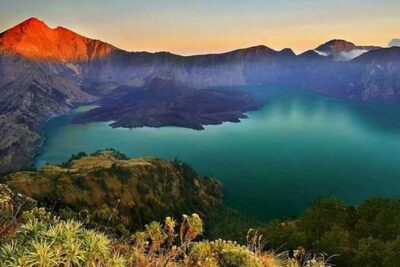
This package is sold as including the best Rinjani “wow” stops: hiking toward Lake Segara Anak, exploring the Sembalun volcanic crater area, and including hot-spring time in the overall experience.
Here is why that combination works. The lake and crater area are the geological payoff of getting up there. You see the volcanic structure, you get the dramatic caldera setting, and you get a sense of scale. Then the hot-spring portion gives you a recovery outlet. After a cold, early summit push, warm water time is not just relaxing, it is practical. It helps you move better afterward, especially when you are dealing with sore legs from Day 2 and the descent on Day 3.
One more note on the route approach: the tour overview says you explore the mountain every day, then return to Senaru each evening. That setup tends to reduce the “survival camping” feeling some trekkers dislike. You still camp, but the plan is designed to keep your nights anchored, instead of stretching your stay in higher, more exposed areas longer than necessary.
What’s really included (and why it changes the trek)
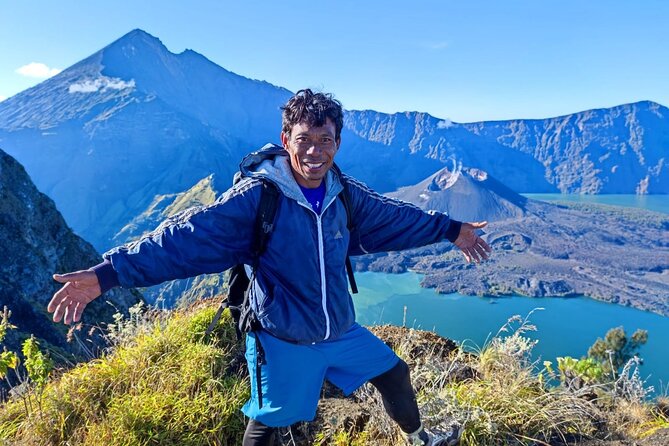
On Rinjani, inclusions can be the difference between a smooth trek and an exhausting one. This package emphasizes several “big ticket” items:
- Guide and porter: The trekking model includes both. You are not carrying cooking equipment or water, which lowers your overall load and reduces how quickly you fatigue.
- Camping equipment: You do not need to bring the core camping setup. That saves both money and packing space.
- Permits and insurance covered: This matters more than most people think. With permits and insurance handled, you avoid last-minute stress and unknown gaps in coverage.
- Private tour structure, small groups: This experience is described as private, and the maximum group size is 10 travelers.
Also, the itinerary notes that some “admission ticket” is not included. That means you should be ready for the reality that the cost is not automatically all-in for every possible park-related payment. The good news is that permits are covered by the tour cost, so what you might still need to pay is more likely tied to whatever exact ticket line items the operator does not include. If you want zero surprises, ask the provider what is not included before you go.
Price and value: is $235 a smart bet?
At $235 per person, you are paying for a full service trekking package: guide, porter support, camping equipment, and coverage for permits and insurance, with a Senaru-based schedule over 3 days (3D/2N).
Is it good value? For many travelers, yes, because the inclusions directly reduce your biggest costs on a trek like this. If you were self-organizing, you would likely spend time and money lining up the same parts: guides, porters, gear, and the administrative stuff. Here, those pieces are bundled.
The key value question is the fine print around what is not included. The schedule explicitly says admission ticket not included. So if you are the type who hates partial payments, confirm exactly what the remaining ticket item is and when you would pay it.
If you care most about not carrying water and cooking gear, and you want the logistics handled, this price sits in a reasonable zone for what is included, especially with a strong rating and a recommendation rate that suggests most groups leave satisfied.
Group size, guide quality, and staying flexible
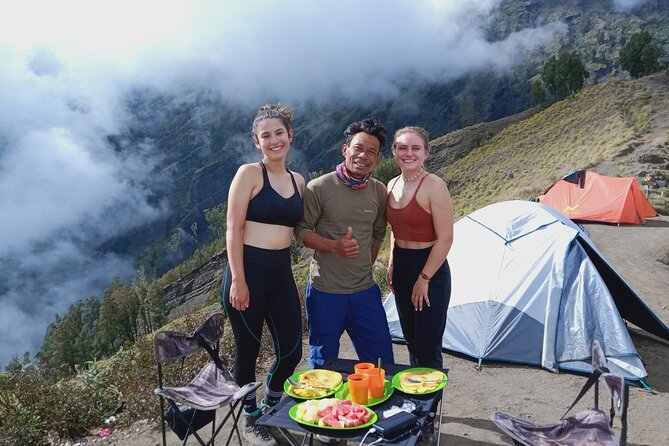
Most trips go fine when groups are small and systems are clear. This one sets a maximum of 10 travelers, and it’s described as private, which usually helps with attention on your pace and needs.
Still, one earlier group raised a concern about disorganization and guide matching, and the operator responded with an apology, explaining that partner groups on the same day were limited. Translation for you: during busy periods, mixed partner operations can sometimes affect how smooth the trek feels.
So what should you do? Keep it simple:
- Ask who your guide will be ahead of time, not just what the service includes.
- If you have tight timing goals (like catching a specific sunrise window), confirm the day-by-day plan and meeting times.
- Expect that conditions can change, and that mountain days require patience.
If you are easygoing, communicate, and show up ready to hike, the small-group size should help you feel looked after. If you are strict about “everything must be perfectly organized,” then treat this as a real mountain operation, not a factory tour.
Tips to make this trek feel doable, not scary
This tour is listed for travelers with moderate physical fitness, and the schedule includes an early start at 2:00 am on Day 2. That combo means your main work is not just strength, it is staying calm and moving steadily when you feel cold and tired.
Here are practical tips that fit the plan you’ll actually live:
- Dress in layers for the pre-dawn summit push, because conditions can be colder at altitude.
- Plan for a long day on Day 2, with about 9 hours total. Keep your pace consistent.
- Bring personal comfort items. The tour includes camping equipment, but you still want items that make you sleep well and warm.
- Keep your hydration and energy habits simple. Even if you are not carrying water, you still need to stay alert and drink when offered.
- Mentally prepare for Day 3 descent. Rainforest trails can feel slower but also tougher on your legs.
If you treat the days as separate missions, not one continuous suffering marathon, the trek feels more manageable.
Should you book this Mount Rinjani 3D/2N summit package?
I’d book it if you want the classic Rinjani highlights, but you also value a setup that reduces your workload. The combination of Senaru nights, guide and porter, camping gear included, and permits and insurance covered is exactly what makes many travelers enjoy a summit trek instead of just survive it.
You might skip it if you know you are very sensitive to organization, because one past group reported disorganization and guide concerns, and mountain logistics can get messy when days are crowded. If you do book, confirm guide assignment and the exact items that are not included.
In short: if your priority is reaching the 3,726 m summit at sunrise time, then visiting Lake Segara Anak and enjoying the package’s hot-spring recovery angle, this trek is built for you.
FAQ
How long is the Mount Rinjani trek?
The tour runs for 3 days, with 2 nights (3D/2N). The daily hiking times listed are about 7 hours on Day 1, about 9 hours on Day 2, and about 6 hours on Day 3.
Where does the trek start and end?
It starts at Cakrawala Rinjani Trekking on Jl. Pariwisata, Senaru, and ends back at the same meeting point in Senaru.
What time does the activity start?
The start time listed is 7:00 am.
Is pickup offered?
Yes, pickup is offered as part of the tour.
How many people are in a group?
The maximum group size is 10 travelers. The tour is described as private, with small groups welcome.
What kind of fitness level do I need?
The tour is recommended for travelers with a moderate physical fitness level.
What is included for the hike and camping?
Camping equipment is provided. The tour includes a mountain guide and porter, and you are not expected to carry cooking equipment or water.
Are permits and insurance included?
Yes, the cost covers permits and insurance.
Is admission included?
Admission ticket is listed as not included, so you should expect some additional ticket payments may be required.
What if poor weather cancels the trek?
The experience requires good weather. If it is canceled due to poor weather, you are offered a different date or a full refund. Free cancellation is available up to 24 hours in advance for a full refund.
Lombok, Coast and Volcano
Hot Springs and Natural Pools
Fresh Lombok write-ups from the review desk
Lombok and Mount Rinjani Adventures, compared.
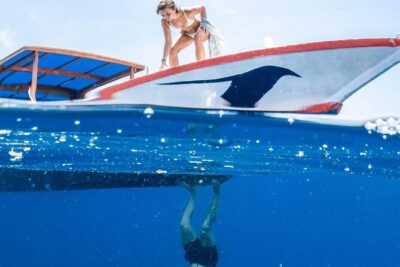 ★ 5.0Gili Island Snorkeling Trip – Gili Trawangan, Gili Meno, & Gili Air, From LombokFrom $88330 reviews
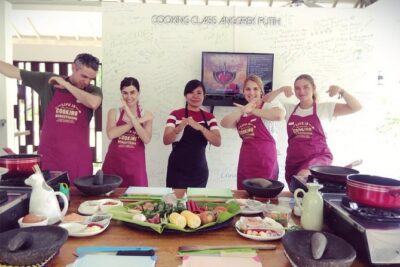 ★ 5.0Anggrek Putih Lombok Cooking ClassFrom $30253 reviews
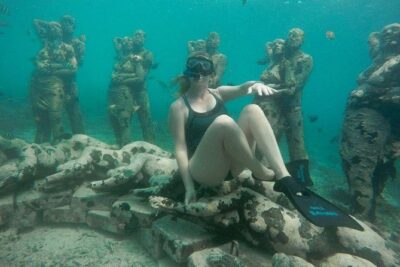 ★ 5.0Day Trip Gili Trawangan, Gili Meno, Gili Air (Depart Lombok)From $97167 reviews
 ★ 4.5Lombok Private Customize TourFrom $45144 reviews
 ★ 5.0Lombok Pink Beach Boat Trip (Full Day + Snorkeling)From $88104 reviews
 ★ 5.0Rinjani trekking 2D 1N RIMFrom $20594 reviews
 ★ 4.5Rinjani Trekking 3D2N SummitFrom $24385 reviews
 ★ 5.03D/2N Rinjani trekking summit,lake and hot springs.From $25085 reviews
Browse the lists this tour appears in