
REVIEW · LOMBOK AND MOUNT RINJANI ADVENTURES
Explore Mount Rinjani To Summit, Lake & Hot Spring (3D 2N)
A volcano, a lake, and hot springs. This 3D/2N Mount Rinjani summit trek pairs a crater lake moment with a sunrise push, plus an early waterfall stop near Senaru.
I like how the trip is set up as an all-in camp experience, with tents, sleeping bags, and even a toilet tent included. I also love the guide structure, including clear briefings and a medical check before the hike.
One consideration: this program is designed for experienced trekkers, and key gear like shoes and a head lamp is not included.
In This Review
- Key highlights worth circling
- How Mount Rinjani 3D2N really feels, summit to hot springs
- Starting in Senaru, with Sendang Gile and Tiu Kelep as your warm-up
- Day One rhythm: climb toward the crater and aim for the first sunset
- Day Two: summit push for sunrise, then crater lake lunch and hot springs
- Day Two evening: back to the crater edge for another sunset
- Day Three: 4 to 5 hours down to Senaru, then you’re done
- What’s included in the $180: camp setup, porters, water, and meals
- What you must bring: the gear gap that can change your comfort
- Guides and porters: the calm professionals you want on a volcano
- Food, water, and camp setup: the comfort you earn, not the luxury you expect
- Price and value: what $180 really covers, plus the entrance fee
- Who this Mount Rinjani summit trek is for
- Weather, pacing, and the small choices that matter
- Should you book this Rinjani 3D2N summit trek?
- FAQ
- Is this trek suitable for beginners?
- What is included in the 3D/2N package?
- What entrance fee do I need to pay?
- What should I bring since it is not included?
- How long is the trek, and when does it end?
- Can I cancel for a full refund?
Key highlights worth circling
- Sunrise summit, sunset craters, and a full arc of timing across two days, not just one “reach and leave” climb
- Crater lake lunch followed by hot springs time so the hard parts have a payoff you can actually enjoy
- Sendang Gile and Tiu Kelep waterfalls early in the route gives you a non-stop feel before the big mountain effort
- Porters carry the camp setup and cooking gear, so you focus on your personal climb and comfort
- English-speaking guidance plus medical check habits that make the trek feel organized, not improvised
- Value is strong at $180, but entrance fee and transfers are extra, so budget accordingly
Warmer water, a few more soaking spots
How Mount Rinjani 3D2N really feels, summit to hot springs
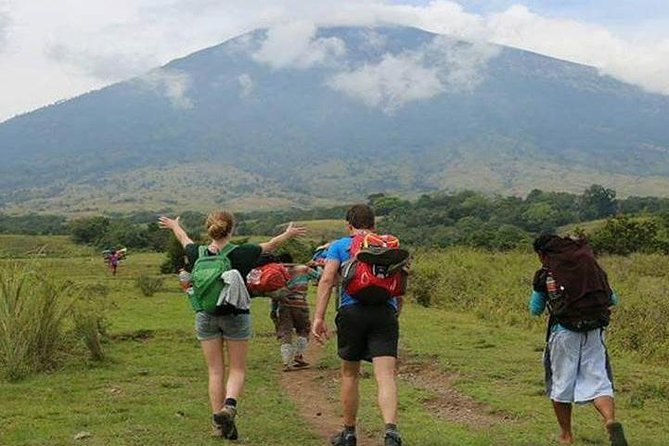
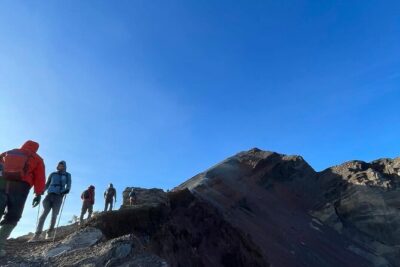
This trek is built around one idea: you earn the dramatic stuff, then you get to enjoy it. You’ll climb up toward the crater, watch sunsets, push higher for a sunrise from the summit area, then come down for lake lunch and a short hot springs reset. It is active, steep, and not a casual hike, but the structure helps you stay oriented when conditions get tough.
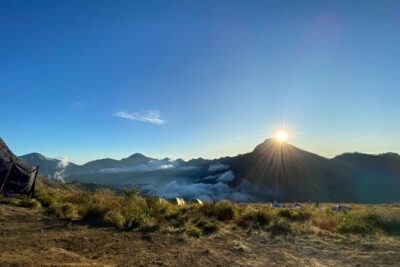
The best part, in practical terms, is that the day plan has natural anchors. You’re not just “walking until you collapse.” There are scheduled moments where you know why you’re working hard: first views at the crater, then the summit sunrise, then a break at the lake, and finally another sunset before you start the final descent.
One more thing that matters: the program explicitly calls for experienced trekkers and good fitness. If you’ve done only easy trails or short hikes, you may find the altitude-like strain and sustained climbing demanding. If you have mountain experience and can handle long, steep segments, this will feel like a real adventure, not a test you’re failing.
Starting in Senaru, with Sendang Gile and Tiu Kelep as your warm-up
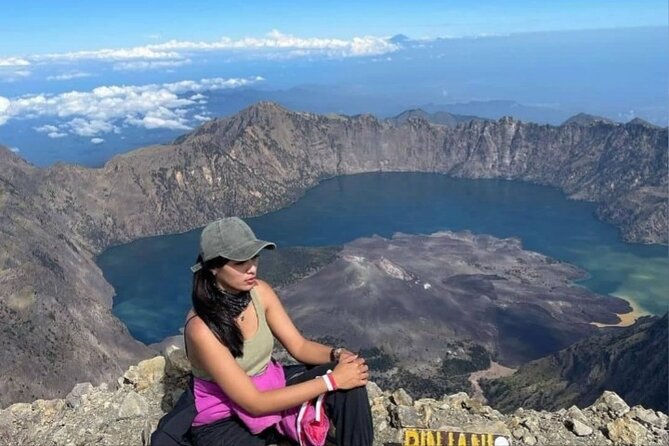
Most Mount Rinjani treks start with logistics in Senaru, and this one begins at Dhyns Rinjani Hiking in Senaru, Bayan, North Lombok. You meet there and the activity ends back at the same point, so you do not have to scramble for an extra handoff at the end.
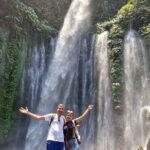
Before the big crater effort, you’ll include a waterfall stop: Sendang Gile and Tiu Kelep. This is more than sightseeing. In real trekking terms, it helps you warm up your legs, get your footing rhythm, and settle into the hike pace with a clear goal that is close to the start.
Waterfalls also give you a bit of contrast. You’ll be walking in a lush, moving environment, then later shifting toward volcanic terrain and colder summit hours. If you’ve ever hiked somewhere and realized too late that your body and layers were not ready, this waterfall segment can help you figure it out earlier.
Day One rhythm: climb toward the crater and aim for the first sunset
Your first main arc is climbing up toward the crater, and the plan is designed around a sunset moment. That means you’re not just moving uphill for the sake of it. You’re climbing with a time goal, which helps keep the trek feeling purposeful.
As you rise, you’ll feel the classic Rinjani pace: steady effort, short breaths, and lots of “small steps, big progress.” This is also where your group dynamic matters, because it is a route that rewards patient walking and teamwork. Since this is private for your group only, the pace is managed for your people rather than mixed with random strangers.
Drawback to know upfront: the crater approach can feel long and tiring. Even with a guide and porters handling the heavy camp gear, your body is still doing the steep work. If you go in expecting a leisurely trek, day one will correct that expectation fast.
Day Two: summit push for sunrise, then crater lake lunch and hot springs
The big day is the classic Rinjani pattern: you climb higher to reach the summit for sunrise, then you come back down to enjoy the crater lake and hot springs. That sequence is the whole reason people do the 3D2N route.
Why this order is smart: sunrise gives you a powerful reward for early effort. Then lunch at the crater lake makes the descent feel like a destination, not just relief. You’re not simply stopping because you’re tired. You’re stopping because you’re reaching a scenic high point and then getting a physical break.
Then comes the hot springs. You only get a few minutes of enjoyment in the plan, so you want to treat it like what it is, a quick reset. Bring this mental checklist to the springs time: warm water can feel great, but you still need to keep moving and manage your temperature after.
One more practical point: this trek includes 3 litre mineral water per person per day. For a multi-day mountain hike, water logistics can make or break your comfort. Having a dedicated amount helps you plan how you sip rather than waiting until you are thirsty.
Other Lombok days, coast and volcano
- Anggrek Putih Lombok Cooking Class★ 5.0 · 253 reviews
- Day Trip Gili Trawangan, Gili Meno, Gili Air (Depart Lombok)★ 5.0 · 167 reviews
- Lombok Private Customize Tour★ 4.5 · 144 reviews
- 3D-2N Explore Mount Rinjani – Summit -Lake and Hotspring★ 5.0 · 112 reviews
- Lombok Pink Beach Boat Trip (Full Day + Snorkeling)★ 5.0 · 104 reviews
Day Two evening: back to the crater edge for another sunset
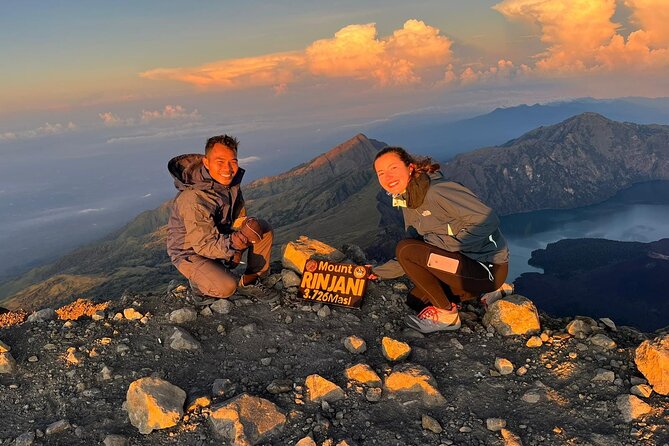
After the lake and hot springs break, you’ll climb again to the other side of the crater for sunset. This is one of those “why this trek is popular” moments because it changes the feeling of the mountain. You see different angles, different light, and a new sense of scale.
It also changes your effort pattern. You’ve already done the summit-style push once, and now you’re repeating climbing, but with a different goal. That second climb can feel mentally tricky, not just physically. The sunset plan helps, because you can keep your eyes on the finish line.
Your guide and group pacing matter a lot here. If the group tries to “race” the second half, you’ll pay later during the final descent. If you stick to steady steps and conserve energy, this sunset segment becomes one of the most memorable parts of the trek rather than the start of a burnout.
Day Three: 4 to 5 hours down to Senaru, then you’re done
The final morning includes a descent back down to Senaru, estimated at 4 to 5 hours. This timing helps you mentally prepare. You still need endurance, but it’s not the all-day grind of the earlier climbing segments.
Descent is its own challenge. Even when you’re not going uphill, steep sections can stress your knees and shoes. Since trekking shoes are not included, this is exactly why having proper footwear matters. If you rely on basic sneakers, you might survive, but you won’t enjoy it.
Once you reach Senaru, the activity ends back at the meeting point. That closes the loop. You are not handed off to complicated extra transportation plans within the trek itself, at least based on what is included.
What’s included in the $180: camp setup, porters, water, and meals
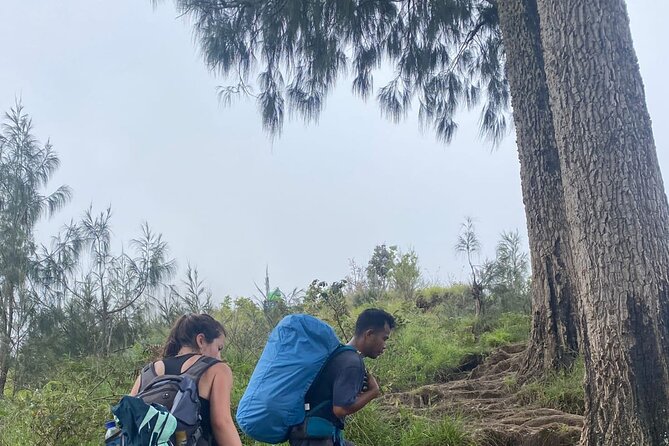
The package is priced at $180 per person and is promoted as a best-together trekking service. What I like most is that the “heavy stuff” and daily basics are handled for you.
Included:
- Trekking porters who carry the cooking gear and camping equipment
- An experienced English-speaking guide
- Food and drinking water on the trek, including 3 litre mineral water per day per person
- Camping gear: tent, toilet tent and paper, sleeping bags, mattress, pillow, and a chair
- Luggage storage available at the Dhyns Rinjani Hiking office
That last part is quietly useful. If you arrive with day bags or extra items, you do not have to carry everything during the trek. You can travel lighter and keep your focus on what you actually need day-to-day.
Also, you should know this is a private experience for your group only. That often translates to calmer logistics and fewer “everyone has different speed” moments.
What you must bring: the gear gap that can change your comfort
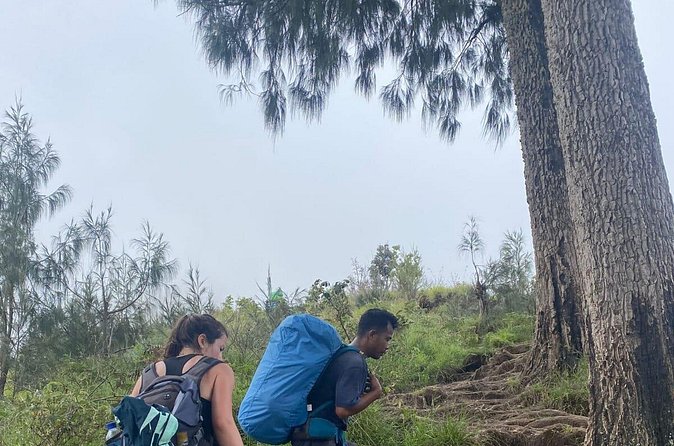
The trek is set up to be self-sufficient on camp and feeding, but you still carry your personal hiking needs. Not included items include:
- Head lamp or hand torch, and a daily pack
- Trekking shoes
- Rain jacket
- Long pants
- Gloves
This list matters because Rinjani conditions can shift quickly. Even if the forecast looks friendly, you can still get fog, wind, and rain, especially around summit hours. A head lamp is not optional in practice for early morning sections, and gloves can make the cold feel more manageable.
Practical tip: pack for layers. Your body will warm up during climbs and cool down when you stop for views. If you rely on one thick layer, you’ll either sweat through climbs or freeze during breaks.
One extra detail from how the team operates: you may be able to rent extra layers from the company at a small fee. It’s worth asking if you are short on gear before you arrive.
Guides and porters: the calm professionals you want on a volcano
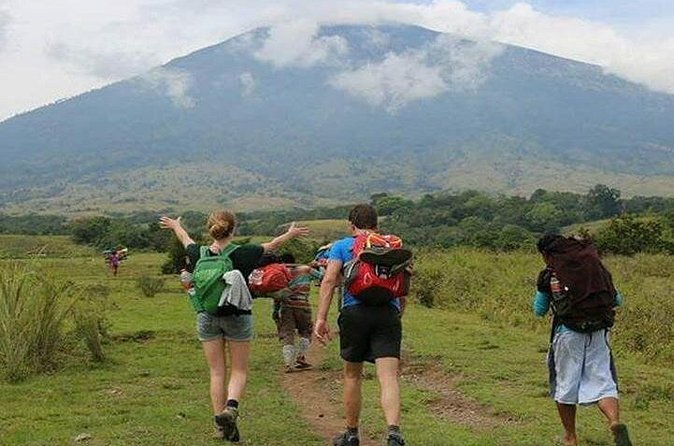
The experience is heavily dependent on the quality of guidance and porter support. And here, you’re not just getting someone who knows the trail. You’re getting a team approach that helps with pacing, briefing, and readiness.
From what’s described about their operation, you should expect:
- Clear briefing before you start
- A medical check prior to going on the hike
- English-speaking guidance
- Porters who take the camp and cooking workload seriously
That “seriously” part shows up in real trekking life. When someone in your group feels sick, having a guide who responds with proper attention, rather than just pushing onward, is the difference between a bad day and a safer one.
You might also meet different guide names within the team, such as Dhyns alongside experienced guides like Ali, Lim, Deni, or Adi, and porter team members such as Wan, Dadung, and Sli. The important takeaway for you is not the name, it’s the pattern, organized people who know how to keep the trek running.
Food, water, and camp setup: the comfort you earn, not the luxury you expect
Food is included and it’s a major reason this trek gets strong recommendations. The camp setup is also part of the value. You’re not pitching your own tent or sleeping directly on the ground.
You’ll have:
- Tents and a provided sleeping system (sleeping bags, mattress, pillow)
- A toilet tent with paper
- Cooking gear handled by porters
Also, the water amount is specific, 3 litre mineral water per person per day. That’s enough to plan your sips, and it reduces the temptation to ration too hard and feel awful later.
One more subtle but real benefit: the team’s approach includes cleaning practices. There’s mention of leaving no rubbish behind and even carrying bags to help clean up the mountain each day. That’s not just politeness. It keeps the trek space more respectful and helps you feel good about being there.
Price and value: what $180 really covers, plus the entrance fee
At $180 per person, this is not a cheap casual hike. But the value is stronger than it looks at first glance, because so much is included.
Included value items that add up fast:
- Guide and porters
- Daily food
- 3 litre mineral water per day
- Full camp gear like tent, sleeping bag, mattress, pillow, and a chair
What you must budget separately:
- Entrance fee for Mount Rinjani: IDR 610,000 per person
- Pick up before and transfers after the trek
- A night accommodation in Senaru before the trek
So if you’re comparing to a cheaper quote, do not just compare the headline price. Check whether shoes, rain gear, and head lamps are included, and whether entrance fees and transfers are bundled.
Also, group discounts are available. If you can travel with friends or pair up with others, you may reduce cost per person. This is one situation where booking with the right group can be worth waiting for.
Who this Mount Rinjani summit trek is for
This program is designed especially for experienced trekkers. It explicitly says participants must be in good fitness and have several mountain climbs experiences.
You’ll likely enjoy it most if you:
- Have done steep hikes before
- Can handle long climbing days and cold early starts
- Understand that you may feel tired after walking, but you still keep moving through the plan
You might want a different itinerary if you:
- Prefer shorter, less steep climbs
- Have never hiked multi-day before
- Struggle with sustained uphill effort and timed sunrise or sunset segments
If you have the experience, this route is a classic for a reason. It hits the summit sunrise, the crater lake payoff, and the hot springs break, all within a tight 3-day shape.
Weather, pacing, and the small choices that matter
This experience requires good weather, and the plan is tied to sunrise and sunset timing. That means you should expect that conditions can shift, and you may need flexibility.
Pacing is the other key. Since the days include both climbs and descents, you want to walk evenly rather than surge early. If you start too fast on steep segments, you’ll feel it later during the descent back to Senaru.
Also, pack smart. If you show up missing key items like shoes or a head lamp, you can still do the trek but your experience becomes harder and less comfortable than it needs to be. This tour is structured, but it can’t replace basic personal gear.
Should you book this Rinjani 3D2N summit trek?
Book it if you want a real Mount Rinjani experience with structure. You’ll get summit sunrise, crater lake lunch, hot springs time, and a waterfall start near Senaru, with camp gear and meals handled for you. The team approach, clear briefing, and medical check habits are exactly what you want when the climb is serious.
Don’t book it if you’re not ready for an experienced-trekker route. The program is built for fitness and mountain experience, and the gear list is your responsibility, including shoes, rain protection, and a head lamp. Also, remember to budget the IDR 610,000 entrance fee and any transfers or pre-trek accommodation you need.
If you match the fitness level and come prepared, this is one of those trips where the effort feels worth it, because the plan keeps delivering moments you can actually enjoy.
FAQ
Is this trek suitable for beginners?
It is designed especially for experienced trekkers. You’ll need good fitness and several mountain climbs experiences, since the route includes long, demanding climbing and timed sunrise and sunset segments.
What is included in the 3D/2N package?
The package includes an experienced English-speaking guide, trekking porters who carry cooking gear and camping equipment, food and drinking water (3 litre mineral water per person per day), and camp items like tents, sleeping bags, mattress, pillow, toilet tent and paper, plus a chair.
What entrance fee do I need to pay?
The Mount Rinjani entrance fee is not included. It is listed as IDR 610,000 per person.
What should I bring since it is not included?
Head lamp or hand torch, a daily pack, trekking shoes, rain jacket, long pants, and gloves are not included. Bringing these helps you stay comfortable and safe during early starts and changing weather.
How long is the trek, and when does it end?
The total duration is listed as about 3 days for 3D 2N. After the final morning descent of about 4 to 5 hours, the activity ends back at the meeting point in Senaru.
Can I cancel for a full refund?
Yes. Free cancellation is available if you cancel up to 24 hours in advance for a full refund. If you cancel less than 24 hours before the start time, the amount paid is not refunded.
Lombok, Coast and Volcano
Hot Springs and Natural Pools
Fresh Lombok write-ups from the review desk

Lombok and Mount Rinjani Adventures, compared.
 ★ 5.0Gili Island Snorkeling Trip – Gili Trawangan, Gili Meno, & Gili Air, From LombokFrom $88330 reviews
 ★ 5.0Anggrek Putih Lombok Cooking ClassFrom $30253 reviews
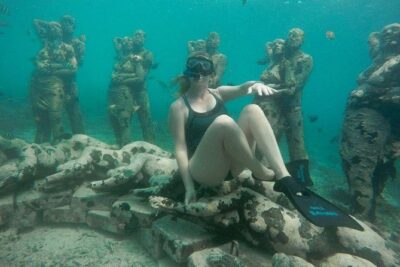 ★ 5.0Day Trip Gili Trawangan, Gili Meno, Gili Air (Depart Lombok)From $97167 reviews
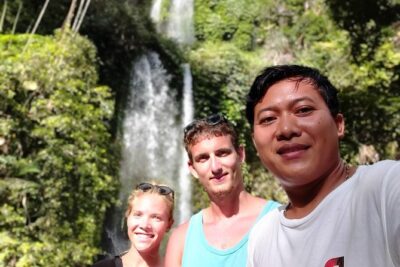 ★ 4.5Lombok Private Customize TourFrom $45144 reviews
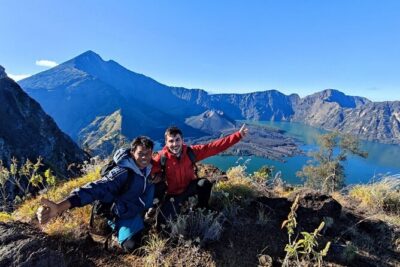 ★ 5.03D-2N Explore Mount Rinjani – Summit -Lake and HotspringFrom $235112 reviews
 ★ 5.0Lombok Pink Beach Boat Trip (Full Day + Snorkeling)From $88104 reviews
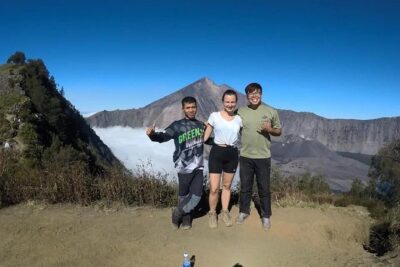 ★ 5.0Rinjani trekking 2D 1N RIMFrom $20594 reviews
 ★ 5.03D/2N Rinjani trekking summit,lake and hot springs.From $25085 reviews
Browse the lists this tour appears in