
REVIEW · NUSA LEMBONGAN AND CENINGAN ESCAPES
Advanced Open Water Course – Advanced Certification in Lembongan (next to Bali)
Your next certification starts in Lembongan.
This 2-day SSI Advanced Open Water course (for Open Water certified divers) is a practical step up, with a Mellower approach that feels less theory-heavy and more skill-building. I especially like the mix of five training sessions that includes a deep planning focus and an underwater navigation focus, so you come away with tools you can use on future trips. One drawback to consider is the pace: two days is packed, so if you need lots of repetition, you’ll want an instructor who can slow things down.
I also like that the operator shows real comfort with the little stuff. On site you get Wi-Fi, lockers, showers, and a change room, plus rental gear is covered, so you do not have to travel with a weight belt and worry about missing fin straps. The practical price point, $431.28 per person, tends to make sense here because you are paying for an instructor and the full equipment package, not just boat time.
In This Review
- Key things I’d watch before you book
- Where Lembongan fits, and why this course feels like a real step up
- The 2-day schedule, what you should expect on each day
- What timing does to your experience
- Five training sessions that map to real scuba skills
- Deep-focused adventure session (the confidence builder)
- Underwater navigation adventure session (compass work that sticks)
- Three interest-area sessions (you get to steer)
- Your learning sites: what Crystal Bay and the rest mean for your training
- Small comfort detail that makes site-hopping feel easier
- Gear included, so you can focus on skills
- Instructor quality is the make-or-break factor, and this operator gets praised for it
- Practical tip to get the most out of instructor time
- Price and value: what $431.28 covers, and how to judge if it is fair
- Small group size: why up to 5 travelers matters
- Who should book this course, and who should slow down
- FAQ
- FAQ
- Do I need Open Water certification before this course?
- What depth will I be certified for?
- How many training sessions are included?
- Is there underwater navigation training?
- What kinds of specializations can I choose?
- Is the course heavy on theory?
- What gear is included?
- What facilities are available at the dive center?
- Can I purchase photos or videos?
- What happens if weather is bad?
- Should you book Advanced Open Water in Lembongan?
Key things I’d watch before you book
- SSI certification goal up to 30 meters (100 feet), with a deep-focused training session built into the program
- Less theory-centered training (SSI Mellower approach), so you spend more time practicing core skills
- Underwater navigation training using a compass plus methods like kick-cycles, time, and visual landmarks
- You choose three interest areas from a list of adventure options, such as photography, buoyancy control, fish identification, or exploring wrecks
- Small group size, up to 5 travelers, which usually makes it easier to get personal coaching
- Gear and instructor included, plus shop facilities like Wi-Fi and lockers to make the day feel easier
A slower pair of islands, more trips here
Where Lembongan fits, and why this course feels like a real step up
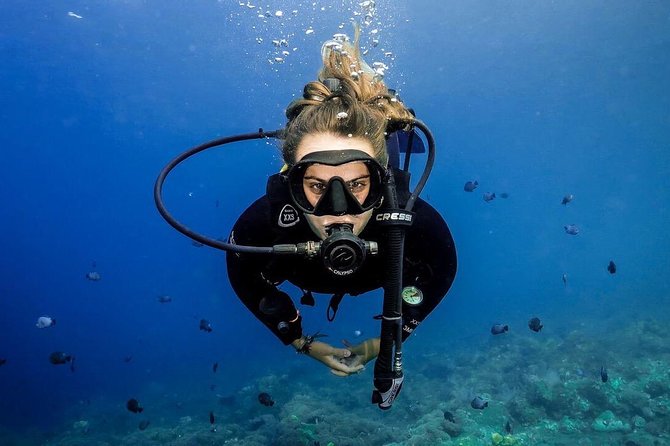
Nusa Lembongan sits right next to Bali, but it has a different vibe underwater. This course is designed as that in-between step: you already have the Open Water foundation, and now you build confidence and competence under instructor supervision.
The key value here is the credential path. You need your Open Water certification first. After that, the Advanced Open Water course is meant to take your comfort level higher, including planning for deeper scuba conditions and tightening skills you will use for years. If you have done OW and felt like you were mostly learning the basics, this is where it starts to feel like you are learning how to manage yourself.
It is also a good fit if you want something more hands-on than a lecture-heavy course. The course uses SSI Mellower, described as less theory-centered than Open Water, which matters when you are trying to convert knowledge into habits you can perform underwater.
The 2-day schedule, what you should expect on each day
This is listed as 2 days (approx.) and it runs with a clear structure: one meeting point, multiple training sessions, and a return back there at the end. The course includes all equipment, and an instructor works with you throughout, so you are not jumping between random staff who barely know your level.
You will do five instructor-led underwater training sessions. One is the deep-focused adventure session, one targets underwater navigation, and three are set up as specialty areas based on your interests. That matters because the course is not only about reaching a depth number. It is about practicing decision-making, direction-finding, and technique refinement with support.
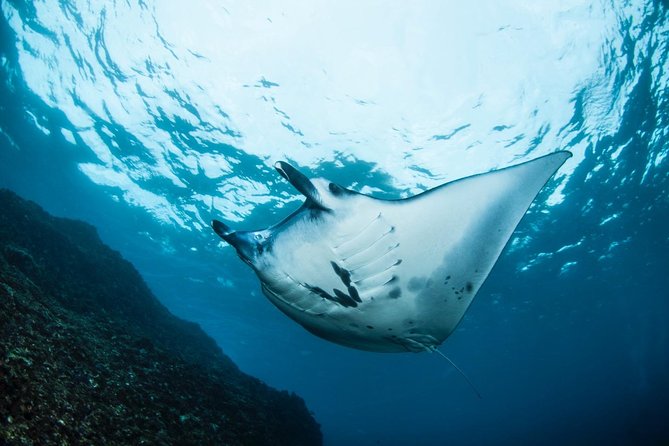
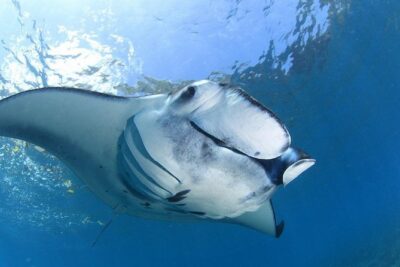
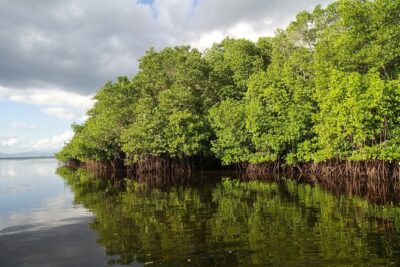
The itinerary includes these site stops: Crystal Bay, Manta Point, Mangrove Point (Nusa Lembongan), Toyapakeh, and Jungut Batu Beach. Since your course includes one deep session and one navigation session, you can expect that the planning and navigation skill work happens across this run of sites, not just in a single place. The sites are part of the learning environment for learning how to control pace, heading, and buoyancy in different underwater surroundings.
What timing does to your experience
Because it is only two days, you should plan for a course rhythm. You will likely be up, gear up, boat out, practice, debrief, and repeat. You do not want this to compete with late-night plans on Bali the day before, especially if you are prone to getting tired quickly when you travel.
Also note the weather requirement. If conditions are poor, the course can be canceled and you get offered a different date or a full refund. So build this in early enough that rescheduling does not wreck your whole vacation.
Five training sessions that map to real scuba skills
The best part of Advanced Open Water is that it is not just a longer version of Open Water. It adds depth management, planning habits, and navigation competence. Here is how the five sessions translate into skills you can actually use.
More dive days and course options, reviewed
Deep-focused adventure session (the confidence builder)
This is the one designed to get you practicing deeper scuba decision-making. The deep adventure session covers how to plan dives for deeper conditions and it includes the physiological effects and challenges of deeper scuba diving.
In plain terms, the value is not only that you go deeper. It is that you learn how to think like a diver who manages variables, like how long you are spending, how your breathing feels, and how you plan the dive so you are not improvising under stress.
Underwater navigation adventure session (compass work that sticks)
Your navigation session refines compass skills. You learn to use the compass underwater and you practice methods like kick-cycles, visual landmarks, and time. That combination is important. Compass navigation alone can feel mechanical, and landmark navigation alone can get you lost if visibility shifts.
When those tools work together, your underwater experience gets calmer. You spend less time guessing and more time acting with a plan. This is one of the most practical skills for future trips, including when you are exploring new coastlines or new sites.
Three interest-area sessions (you get to steer)
Besides deep and navigation, you get three additional skill areas. You choose based on your preferences from a list of adventure options. Examples include photography, buoyancy control, fish identification, or exploring wrecks.
This is where you can tailor the course to your goals. If you care about photos, you practice the control and positioning habits that make underwater shots easier. If you care about spotting marine life, you train your observation skills and slow down the way you move so you do not scare everything away.
Your learning sites: what Crystal Bay and the rest mean for your training
The course includes five scheduled stops: Crystal Bay, Manta Point, Mangrove Point, Toyapakeh, and Jungut Batu Beach. Your itinerary is not just sightseeing. It is where your instructor can practice you across different underwater situations while keeping you in safe training parameters.
Here is how to think about it as a student. A certification course works best when it lets you practice the same core skills while the environment changes slightly. That is how you learn to keep your buoyancy, heading, and pacing steady when conditions are not identical.
So even if you have no idea what each site looks like from the surface, treat this as a chance to generalize your skills. You are training for future sites, not just one perfect day.
Small comfort detail that makes site-hopping feel easier
Between sites and between sessions, you will want somewhere to reset quickly. The operator includes shop facilities like Wi-Fi, toilet, shower, locker, and a change room. Those sound basic, but after a long day, they help you stay comfortable so you can actually focus during the next session.
Gear included, so you can focus on skills
This course includes equipment: masks, snorkel, fins, buoyancy control jacket, regulator, other instruments, wetsuit, and weight belt. Since everything is included, you avoid the hassle of renting or bringing your own gear. It also reduces the chance you show up with mismatched equipment that makes buoyancy and comfort harder.
For most people, the biggest practical advantage is consistency. When you use the same kit across the course, your breathing and trim feel more predictable from session to session. That makes it easier to learn new skills without fighting gear issues.
Instructor quality is the make-or-break factor, and this operator gets praised for it
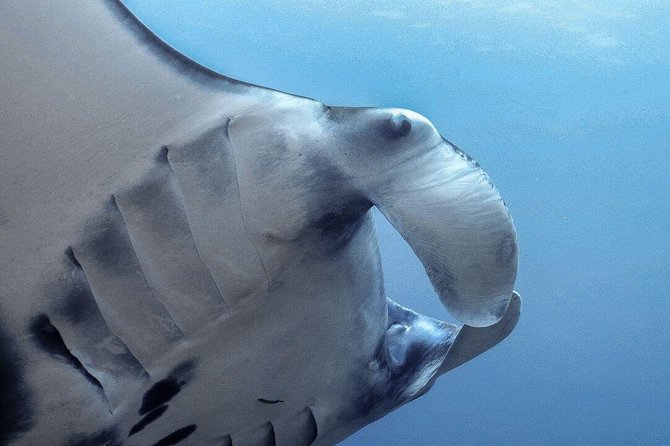
The course includes a certified instructor, and the feedback points to one clear theme: people feel safe and supported because the teaching is hands-on and patient.
Specific instructor names show up repeatedly, including Valentin, Kaka, Hugo, Silvère, and Sara. The common thread in what you can reasonably expect from that kind of team is clear coaching and close observation. That matters most when you are working on deeper planning and navigation, because those are the areas where small technique errors can snowball.
If you learn best when someone explains step-by-step, you are in the right place. One theme you can take seriously is detailed instruction, like watching your skills closely and teaching with enough patience that you actually understand what you are doing, not just what you are supposed to do.
Practical tip to get the most out of instructor time
Before you start, tell your instructor what you want most: depth confidence, compass accuracy, or one of the interest areas like buoyancy control or fish identification. This helps the instructor aim their coaching on the skills you care about, instead of giving you generic advice you already know.
Price and value: what $431.28 covers, and how to judge if it is fair
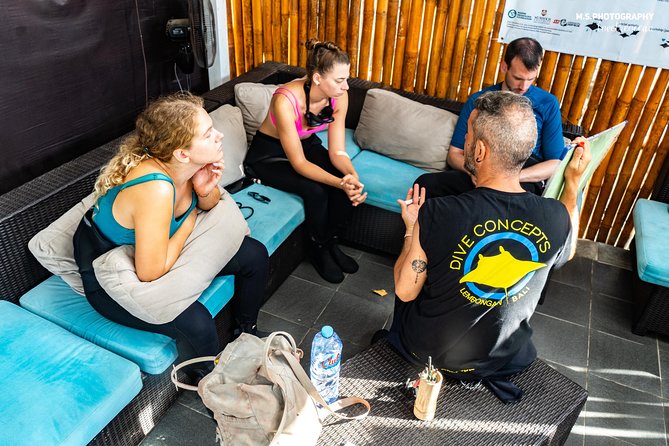
The price is listed at $431.28 per person for an approximate 2-day course. On paper, that can look like a lot, until you break down what is included.
You are not paying just for access to a site. You are paying for:
- SSI Advanced Open Water training with five underwater sessions
- a certified instructor
- full equipment (mask, fins, buoyancy control jacket, regulator, wetsuit, weight belt, and other instruments)
- shop facilities like Wi-Fi, toilet, shower, locker, and a change room
That combination is what usually makes this kind of course good value. You are paying for expertise plus everything needed to practice. If you were to add up gear rentals, instructor time, and multiple training sessions separately, you often find the math does not look as friendly.
Two costs that are not included are digital souvenir photos/videos and accommodation. The restaurant is also listed as available, but meals are own expense. So if you want convenience, plan to budget for those items.
Small group size: why up to 5 travelers matters
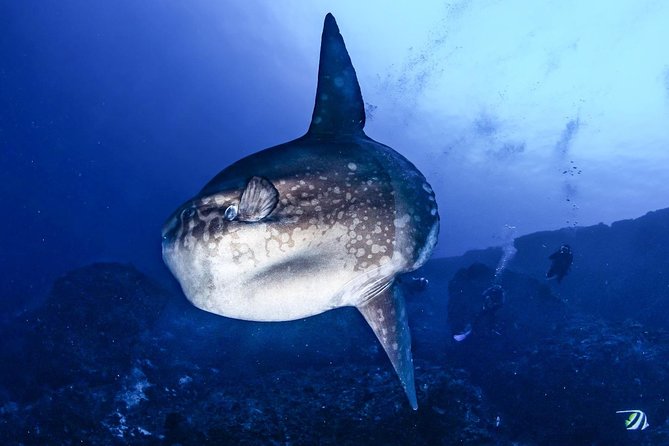
The maximum group size is 5 travelers. That is a big deal for skill courses. With smaller groups, you generally get more time where the instructor watches what you do, corrects your technique, and helps you adjust on the spot.
For Advanced Open Water, that matters because navigation and deeper planning are not things you can practice correctly by luck. If you get rushed, you feel it right away.
Who should book this course, and who should slow down
This is built for people who are already Open Water certified. It is also described as suitable with moderate physical fitness.
This course is a great match if:
- you want to become a more confident scuba participant beyond basic OW skills
- you care about navigation and planning for deeper scuba conditions
- you want an interest-area path, like photography or buoyancy control
- you prefer less lecture and more practical practice, thanks to the SSI Mellower approach
You might want to reconsider if:
- two packed days feels stressful for you
- you know you need a slower pace and lots of repeat practice to feel comfortable
- you cannot work with weather-dependent scheduling, since poor conditions can cause a date change or refund
FAQ
FAQ
Do I need Open Water certification before this course?
Yes. To obtain this certification, you have to be Open Water certified first.
What depth will I be certified for?
The course certifies you to dive up to 100 feet (30 meters) with SSI Mellower.
How many training sessions are included?
You get five training sessions as part of the Advanced Open Water course.
Is there underwater navigation training?
Yes. One of the sessions is focused on underwater navigation using a compass, kick-cycles, visual landmarks, and time.
What kinds of specializations can I choose?
You choose three other skill areas based on your preferences. Examples given include photography, buoyancy control, fish identification, and exploring wrecks.
Is the course heavy on theory?
It’s described as less theory-centered than the Open Water course, using an SSI Mellower approach.
What gear is included?
Masks, snorkel, fins, buoyancy control jacket, regulator, other instruments, wetsuit, and weight belt are provided.
What facilities are available at the dive center?
Wi-Fi, toilet, shower, locker, and a change room are included.
Can I purchase photos or videos?
Yes. Digital souvenir photos/videos are available to purchase.
What happens if weather is bad?
If the experience is canceled due to poor weather, you will be offered a different date or a full refund.
Should you book Advanced Open Water in Lembongan?
Book it if you want a real step beyond Open Water, with structured coaching that targets deep planning and compass navigation, plus three interest options that you can tailor to your goals. The small group size, the included gear, and the focus on less theory-heavy training make it feel efficient.
Skip it or plan carefully if you hate tight schedules. Two days is a lot, and the course depends on good weather. If your vacation has no flexibility at all, build in buffer time so you can handle a date adjustment.
If you want to maximize your odds of a smooth experience, pick what you want most before you arrive, and communicate that early to your instructor. That’s how this course turns into a confidence upgrade instead of just a checklist.
Dive Days and Course Options
The Quieter Two: Lembongan and Ceningan
Fresh Nusa Lembongan write-ups from the review desk
Nusa Lembongan and Ceningan Escapes, compared.
 ★ 5.0Open Water Course in Nusa Lembongan – Get Certified on remote island (next Bali)From $461864 reviews
 ★ 5.02 Days Discover Scuba Diving in Nusa Lembongan – Scuba InitiationFrom $151506 reviews
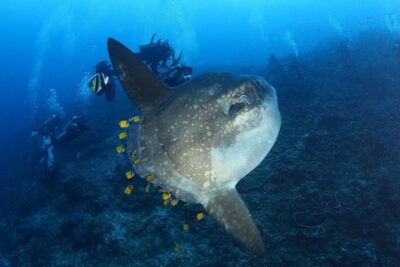
 ★ 5.05 Fun Dives in Nusa Lembongan (for certified divers) – Swim with a Mola MolaFrom $256205 reviews
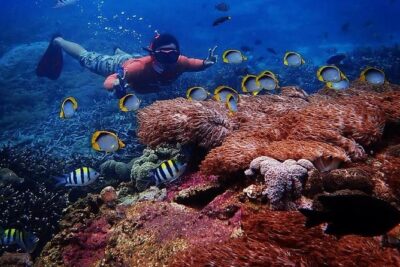 ★ 4.5Snorkeling Day Trip To Lembongan and PenidaFrom $35168 reviews
 ★ 5.07 Fun Dives in Nusa Lembongan (for certified divers) – Premium Value PackageFrom $311118 reviews
 ★ 5.0Nusa Lembongan Island: Snorkeling & Mangrove Forest Day TourFrom $14397 reviews
 ★ 4.0Bali Reef Cruise and Lembongan Island Day TripFrom $16468 reviews
 ★ 5.0Lembongan Electric Bike tourFrom $5456 reviews
Browse the lists this tour appears in