
REVIEW · NUSA LEMBONGAN AND CENINGAN ESCAPES
Open Water Course in Nusa Lembongan – Get Certified on remote island (next Bali)
Scuba basics, then real ocean practice in 3 days. This SSI Open Water course turns Nusa Lembongan, the remote island hop from Bali, into your classroom and training ground, with a big reward at the end: certification. You’ll study the fundamentals, do hands-on skills, and get coached through real water time with the chance to see famous wildlife like manta rays.
I love two things most. First, the structure is clear and specific, with shallow-water practice (at least 5 sessions) and at least four deeper ocean sessions built into the plan. Second, the learning setup is comfortable, with Wi-Fi, lockers, bathrooms, and a restaurant on site, plus all core scuba gear included.
One drawback to plan around: it depends on conditions. The course requires good weather, and even the manta-ray experience is not guaranteed, since visibility and site access can shift when the ocean has other ideas.
In This Review
- Key takeaways before you go
- Why Nusa Lembongan Works So Well for Open Water
- How the SSI Course Runs: Theory to Shallow Skill Drills to 60ft
- Step 1: Build your knowledge
- Step 2: Practice in shallow water
- Step 3: Deeper ocean sessions
- Your First Underwater Stops: Crystal Bay and Mangrove Point
- Stop 1: Crystal Bay
- Stop 2: Mangrove Point at Nusa Lembongan
- What to watch for at both stops
- Toyapakeh and Jungut Batu Beach: Finishing Strong and Seeing More Life
- Stop 3: Toyapakeh
- Stop 4: Jungut Batu Beach
- Gear, Facilities, and Why the Small Stuff Makes Training Easier
- Instructor Coaching: Loïc, Silvère, Kaka, and Pablo
- What You Might See: Manta Rays, Turtles, Octopus, and More
- Price and Value: Is $461.48 Worth It?
- Who This Course Suits Best (and Who Should Think Twice)
- Simple Tips to Get the Most Out of Your 3 Days
- Should You Book This Open Water Course on Nusa Lembongan?
- FAQ
- What certification will I get?
- How many practice sessions are included?
- Where does the course take place?
- What scuba equipment is included?
- Are photos or videos included?
- What’s included at the dive center?
- Is accommodation included?
- Is this course private?
- What if the weather is bad?
Key takeaways before you go
- SSI Open Water certification to 60 feet (18 meters), with a real training path that matches the goal
- At least 5 shallow sessions where you learn skills without rushing
- At least four deeper ocean sessions, so you actually practice the techniques you studied
- All essential equipment included, from mask and fins to tank and the rest
- Team-led confidence, with instructors called out by name in the reviews for calm, clear teaching
- Wildlife chances like manta rays, plus turtles and more, depending on the day
A slower pair of islands, more trips here
Why Nusa Lembongan Works So Well for Open Water
Nusa Lembongan is the kind of place where your training feels like a real island experience, not a classroom glued to a hotel. You’re still close to Bali, but the pace is slower. That helps, because open water skills need calm repetition. Lembongan gives you that.
There’s also a practical upside. The course is set up with a full on-site base, so you’re not constantly chasing logistics. The dive center has Wi-Fi, lockers, bathrooms, and a restaurant, which sounds small until you’ve spent hours in a wetsuit and want an easy place to reset. When your schedule has theory time, gear prep, and multiple water sessions, comfort and basics matter.
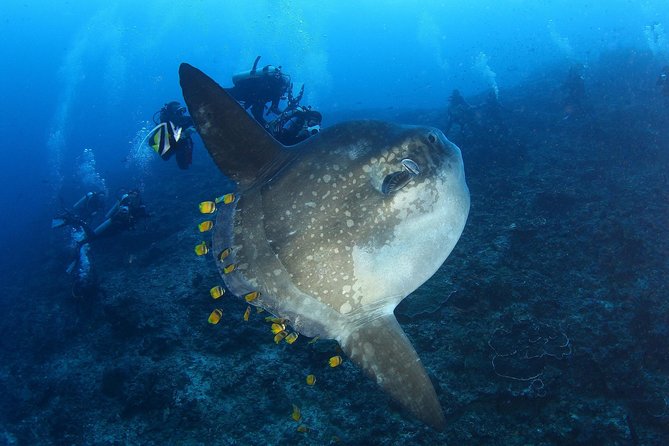
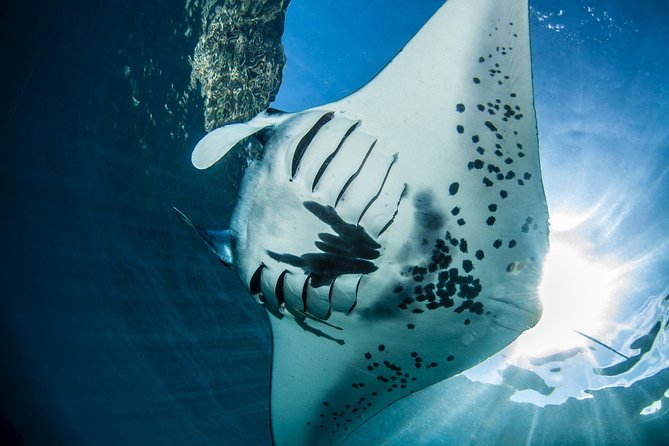
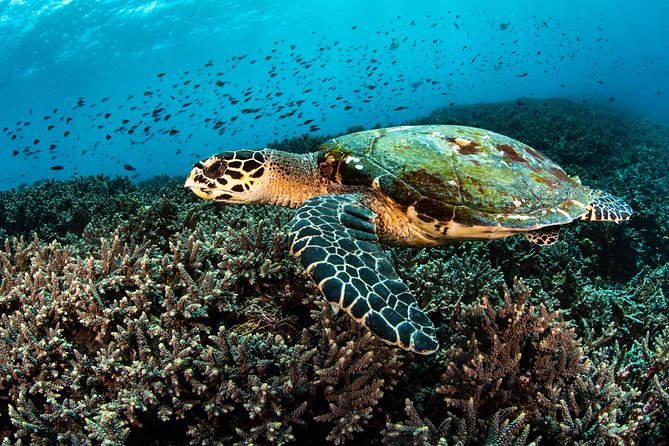
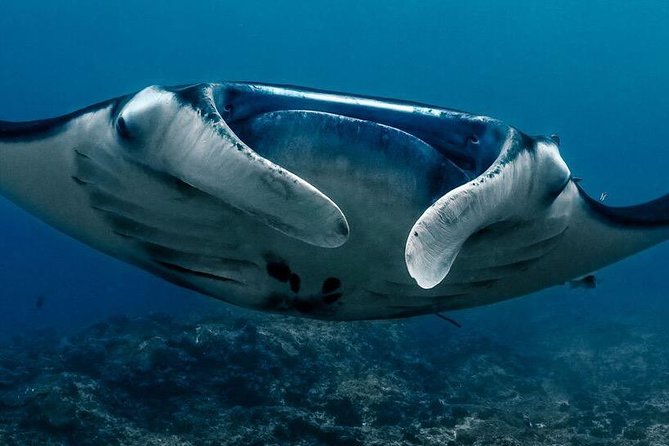
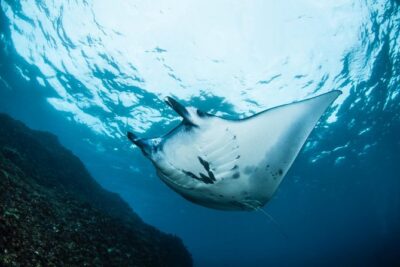
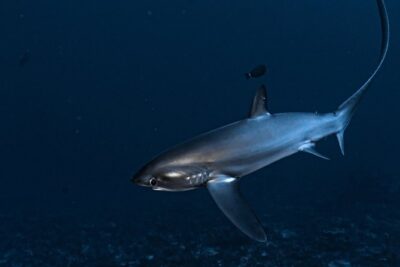
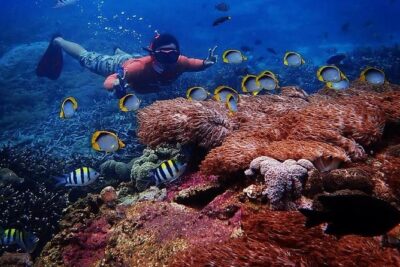
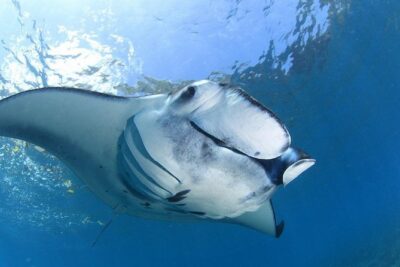
And yes, the underwater side has a strong pull. One of the headline expectations here is manta rays, plus reviews mention turtles, octopus, sharks at times, and plenty of reef fish and coral. You’re not booking this just to learn skills, you’re booking to see why people keep going back.
How the SSI Course Runs: Theory to Shallow Skill Drills to 60ft
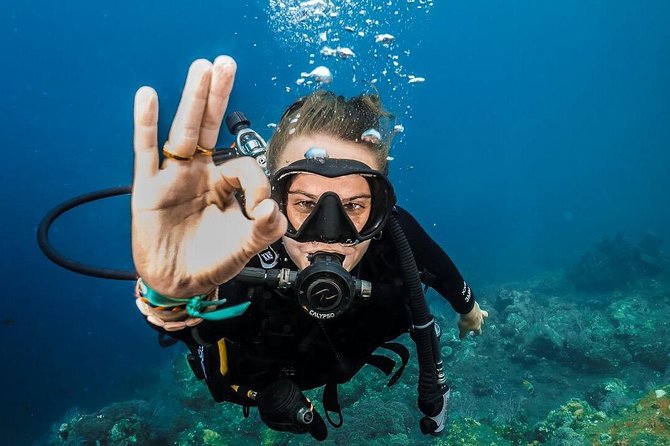
This is an SSI Open Water course, aimed at certification to 60 feet (18 meters). The progression is in three main steps, and you’ll feel the logic from day one.
Step 1: Build your knowledge
You’ll develop your knowledge of diving basics so you understand what you’re doing, not just how to do it. For many first-timers, the scary part is the mental load. This step helps you get your head organized before you ever add the pressure of being underwater.
Step 2: Practice in shallow water
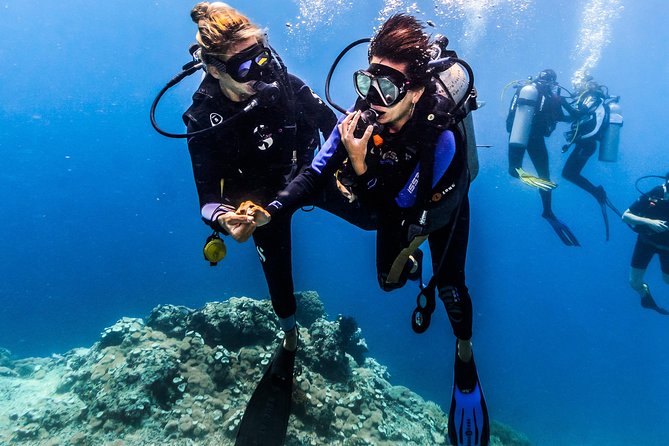
Then comes the part that makes open water click. You’ll do basic exercises in shallow water, with at least 5 sessions in beach or pool settings. This is where you learn to control buoyancy, breathing, and basic procedures at a pace that stays manageable.
What you want here is repetition. Shallow water lets you practice skills without feeling like the stakes are immediately sky-high. If you’re anxious, this section usually does the heavy lifting for confidence.
More dive days and course options, reviewed
Step 3: Deeper ocean sessions
Finally, you move into deeper ocean practice, with at least four ocean sessions where you can practise your technique and explore the underwater environment. Your goal depth is 60 feet (18 meters), and you’ll be guided by a certified instructor throughout.
This three-part flow is valuable because it reduces guesswork. You learn, practise close to the surface, then transfer those same skills into the real ocean. That’s what makes the certification feel earned instead of rushed.
Your First Underwater Stops: Crystal Bay and Mangrove Point
Your course uses multiple stops, not just one generic site. That variety keeps the training interesting and helps you handle slightly different underwater conditions.
Stop 1: Crystal Bay
Crystal Bay is your first stop on the ocean-side plan. On a first ocean day, the point is not to “perform,” it’s to settle in. Expect more emphasis on calm procedures, controlled breathing, and staying focused on your instructor’s cues. If you’re coming in with any nerves, this early site is where good coaching really shows.
Stop 2: Mangrove Point at Nusa Lembongan
Next is Mangrove Point. With mangroves involved, you might expect a different underwater feel than an open area, which is exactly what you want when you’re still building technique. This is another place where you can practise the skills you drilled in shallow water, but now you’re transferring them to the environment.
A useful mindset: treat each stop like a skill check with a friendly guide. You learn faster when you stop thinking in terms of fear and start thinking in terms of one small objective at a time.
What to watch for at both stops
Even when everything goes well, first-timers tend to focus on breathing and hand movements. Keep your attention simple:
- follow the plan
- keep your body relaxed
- practise buoyancy control so you aren’t fighting the water
Toyapakeh and Jungut Batu Beach: Finishing Strong and Seeing More Life
By the time you reach the later stops, you’re not starting from zero. You’ve already done shallow-water skills and earlier ocean sessions, so your focus shifts to smoother movement and better technique.
Stop 3: Toyapakeh
Toyapakeh is one of the key planned locations. For many people, later sessions are where the course starts to feel like an actual underwater adventure. You’re still training, but the time starts to click because your body knows what to do.
If you felt clumsy on the first ocean day, that’s normal. Most people look better by session three or four once their breathing and posture settle.
Stop 4: Jungut Batu Beach
The final stop on your plan is Jungut Batu Beach. By then, you’re usually thinking less about the basics and more about comfort and control. This can also be a great place to observe underwater life while staying within your instructor’s boundaries for the course.
Remember, your certification is the goal. Wildlife is the bonus. The best days are the ones where you balance both.
Gear, Facilities, and Why the Small Stuff Makes Training Easier
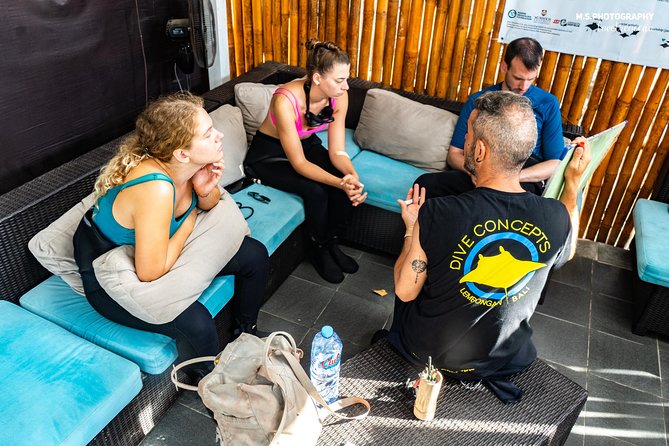
Open water courses can either feel smooth or stressful. This one includes a lot of the stress reducers.
You get the use of scuba equipment, and the package includes the essentials from mask to tank to fins. That matters because equipment fit affects comfort fast, especially for day-to-day practice. You won’t be hunting gear or trying to make borrowed equipment feel right.
The dive center also offers Wi-Fi, lockers, bathrooms, and a restaurant. That’s genuinely useful. Between theory, gear prep, and getting back from the water, you want a place to reset, rinse off, and eat without turning your day into a scavenger hunt.
One extra practical note: this is described as a private activity, so it’s only your group participating. That can mean less waiting around and a smoother schedule for instruction.
Instructor Coaching: Loïc, Silvère, Kaka, and Pablo
The biggest difference in an open water course is the instructor’s vibe. I like when coaching is clear, patient, and safety-first.
In the feedback for this program, specific instructors come up again and again:
- Loïc is described as clear and professional from the first moments
- Silvère is repeatedly praised for calm, patient explanations, including when someone felt panicked during an early moment
- Kaka and Pablo are noted for patience and making learning feel easier and fun, with in-depth explanations and demonstrations
If you have any hesitation about scuba basics, go in hoping for that kind of calm instruction. And if you have the option when you book, it’s smart to request an instructor who matches your needs. For example, if you’re the type who needs extra reassurance, the reviewers’ comments about Silvère and Kaka are exactly the style you want.
What You Might See: Manta Rays, Turtles, Octopus, and More
Here’s the honest expectation-setting: you can’t book wildlife like a train ticket. But you can book a training course in a region where the animals show up often.
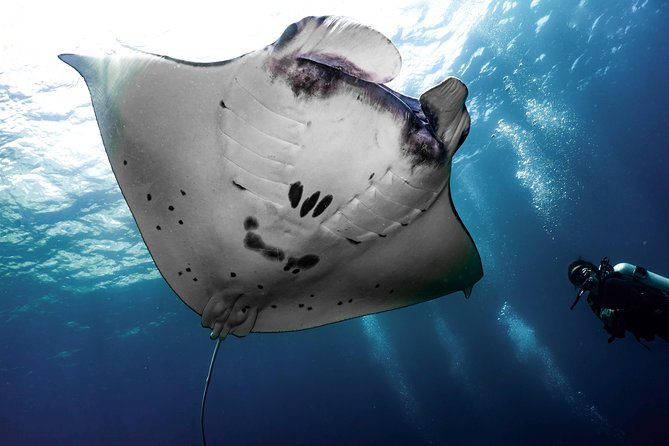
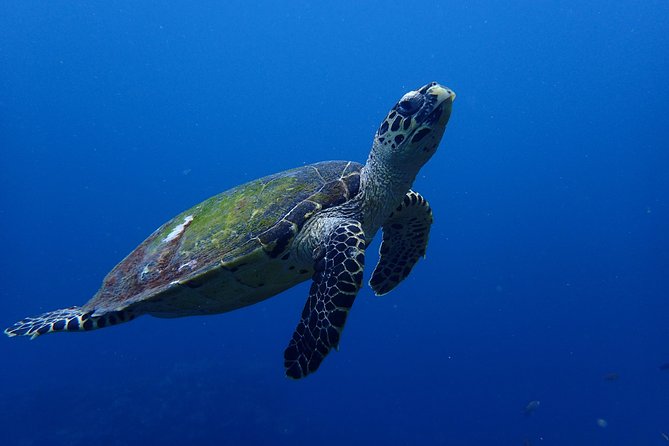
This experience specifically emphasizes manta rays. Reviews also mention turtles, sometimes sharks, octopus, lots of fish, and coral. That’s a strong mix for a course where you’re learning technique and staying focused.
My advice: don’t turn wildlife into pressure. Treat sightings as wins. Your real job is to stay stable, breathe smoothly, and follow instructor guidance. When you do that, you’ll actually have the mental room to notice the good stuff.
Also, one review notes that it was not possible to go to a manta point. That’s your reminder that access and conditions can change. The best plan is to be excited, but flexible.
Price and Value: Is $461.48 Worth It?
At $461.48 per person, this is not the cheapest way to learn scuba. But it is also not a bare-bones lesson.
Here’s the value math that matters:
- SSI Open Water certification is the product, not just a taste
- you get a certified instructor
- you get all necessary gear included (mask, tank, fins, and more)
- the course includes theory plus shallow practice sessions, plus at least four deeper ocean sessions
- the center has practical facilities on site, including lockers, bathrooms, and Wi-Fi
When you compare that to paying for separate equipment rentals, multiple lessons, and extra boat trips elsewhere, the bundled approach starts to make sense. You’re paying for coaching time plus real water experience, and those are the hardest parts of the process.
Booking timing also matters. This is commonly booked about 35 days in advance on average, so if you have a specific window you want, plan ahead.
Who This Course Suits Best (and Who Should Think Twice)
This open water course fits a lot of people, but it isn’t for everyone.
It’s best for:
- first-timers who want structured coaching and clear steps
- people who might have tried a discovery session and want to progress
- divers in training mode who want real ocean time, not just shallow practice
It may be less ideal if:
- you’re not comfortable with moderate physical fitness requirements
- you’re expecting a guaranteed manta-ray stop every day
- you hate being weather-dependent, since the course requires good conditions
Good news: the minimum age is 10 years, so families with older kids can be part of it if they meet the fitness comfort needs.
Simple Tips to Get the Most Out of Your 3 Days
You’ll get more out of the course if you show up ready for repetition.
- Sleep well before each water day. Learning gets easier when your brain isn’t tired.
- Ask questions early in the theory portion. If something feels confusing, get it clarified before you hit the water.
- If you get nervous, tell your instructor right away. The course is designed with supervision in mind, and the coaching style highlighted in the feedback suggests they’ll help you stay calm.
And if you’re choosing between mindset styles, pick this one: go for skill mastery first, wildlife second. You’ll enjoy both more.
Should You Book This Open Water Course on Nusa Lembongan?
If you want SSI Open Water certification with a clear training path and a real chance at memorable underwater life, I think this is a strong booking choice. The included gear, the on-site facilities, and the instructor quality highlighted with names like Loïc, Silvère, Kaka, and Pablo all point to a course that takes learning seriously.
Book it if:
- you want structure, not guesswork
- you like the idea of training on a remote island with wildlife potential
- you value having a fully supported center with basics handled for you
Skip it or consider alternatives if:
- you need guaranteed conditions for wildlife moments
- you’re unable to meet moderate physical fitness needs
- you prefer a different style of scuba instruction, since this one is focused on SSI open water certification to 60 feet
FAQ
What certification will I get?
You’ll get SSI International certification for Open Water scuba diving, with training to dive to 60 feet (18 meters).
How many practice sessions are included?
The course includes at least 5 shallow-water training sessions and at least 4 ocean dives for practise and exploration.
Where does the course take place?
It takes place in Nusa Lembongan at locations including Crystal Bay, Mangrove Point, Toyapakeh, and Jungut Batu Beach.
What scuba equipment is included?
The package includes necessary scuba gear, including a mask, tank, and fins.
Are photos or videos included?
Digital souvenir photos and videos are not included, and you can purchase them separately.
What’s included at the dive center?
The dive center facilities include Wi-Fi, lockers, bathrooms, and a restaurant.
Is accommodation included?
Accommodation is not included, but dormitory and bungalows are available at the dive center.
Is this course private?
Yes, it is described as a private tour or activity, with only your group participating.
What if the weather is bad?
The experience requires good weather. If it’s canceled due to poor weather, you’ll be offered a different date or a full refund.
Dive Days and Course Options
The Quieter Two: Lembongan and Ceningan
Fresh Nusa Lembongan write-ups from the review desk
Nusa Lembongan and Ceningan Escapes, compared.
 ★ 5.02 Days Discover Scuba Diving in Nusa Lembongan – Scuba InitiationFrom $151506 reviews
 ★ 5.0Advanced Open Water Course – Advanced Certification in Lembongan (next to Bali)From $431222 reviews
 ★ 5.05 Fun Dives in Nusa Lembongan (for certified divers) – Swim with a Mola MolaFrom $256205 reviews
 ★ 4.5Snorkeling Day Trip To Lembongan and PenidaFrom $35168 reviews
 ★ 5.07 Fun Dives in Nusa Lembongan (for certified divers) – Premium Value PackageFrom $311118 reviews
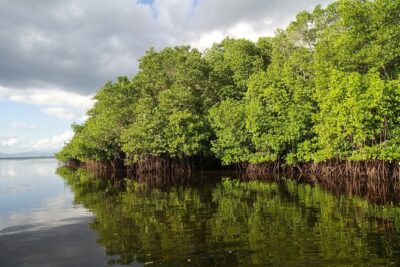 ★ 5.0Nusa Lembongan Island: Snorkeling & Mangrove Forest Day TourFrom $14397 reviews
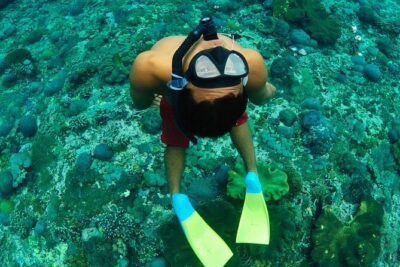 ★ 4.0Bali Reef Cruise and Lembongan Island Day TripFrom $16468 reviews
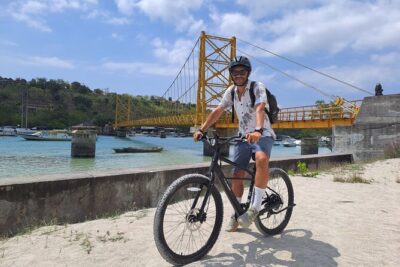 ★ 5.0Lembongan Electric Bike tourFrom $5456 reviews
Browse the lists this tour appears in