
REVIEW · BALINESE PURIFICATION AND HEALING CEREMONIES
Bali Spiritual: Blessing Ceremony, Pristine Nature and Transfer
Purification in Bali can feel like a show. This one is built around a real blessing you take part in, plus mountain nature that you usually only see if you’re wandering with locals. You’ll spend the morning at a small mountain village near Mount Batukaru, then move through gardens, farms, and quiet river paths before ending with a waterfall stop.
I particularly like the purpose-built spiritual part, led by a local priest (a mangku), where you prepare offerings, wear temple attire you’re provided, and join the cleansing ritual beside a tranquil river. I also like the value mix of culture and food, with a jamu welcome drink, hands-on Rindik (bamboo instrument) time, and a homemade lunch at an authentic village warung.
One consideration: the purification/blessing ceremony has restrictions. It’s not permitted during menstruation and for pregnant travelers, so you’ll want to check your situation early and choose a different activity if needed.
In This Review
- Key things you should look for
- Morning Start in Bali’s Mountain Village (7:30 AM to Late Afternoon)
- Flower Market, Jamu, and Rindik: Setting the Tone Before the Ceremony
- The Blessing Ceremony at a Hidden Jungle Temple (What Makes It Different)
- Balikaru Gardens and Warung Lunch: Local Hospitality You Can Taste
- Rice Planting, Animals, and Trigona Bees at Balikaru Farm
- Belulang Hot Spring Optional Bath: A Good Reset for Your Body
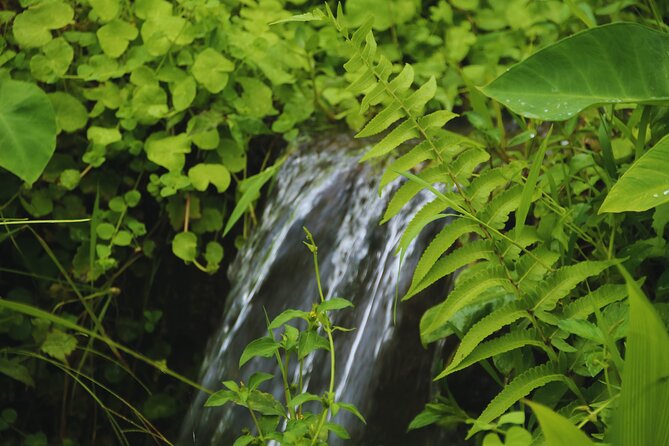
- Pengempu Waterfall and Mountain Village Walk: Quiet Ending
- Price and Value: Why $115 Feels Fair for What You Get
- Who This Tour Is Best For (And Who Should Skip It)
- Should You Book This Bali Spiritual Day?
- FAQ
- What time does the tour start?
- How long is the Bali spiritual experience?
- Is pickup included?
- Is the purification ceremony actually led by a priest?
- What happens during the purification/blessing ceremony?
- Are there restrictions for the purification ceremony?
- What food is included?
- Are dietary needs accommodated?
- Is the hot spring bath included?
- What other nature stop is included?
Key things you should look for
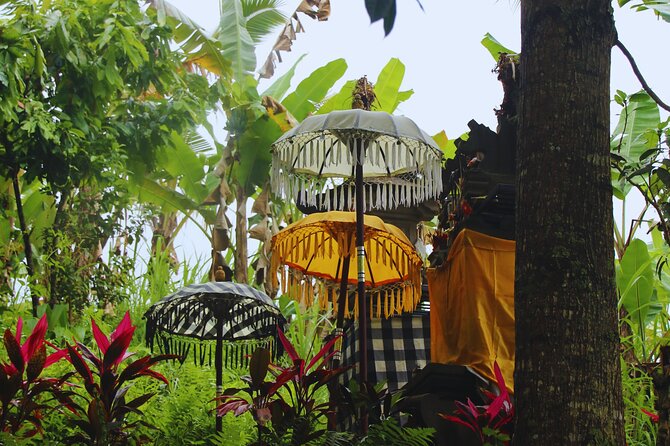
- Mangku-led jungle purification with offerings and rental temple clothes
- Rindik practice with the bamboo instrument, not just listening from a distance
- Balikaru farm time with animals and stingless Trigona bees
- Homemade village warung lunch that supports local families
- Belulang hot spring as an optional bath, then a calm waterfall walk
Not decided yet? These Bali trips held up when we went through them.

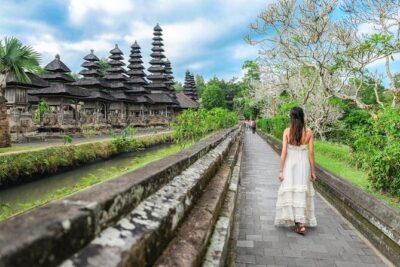
Morning Start in Bali’s Mountain Village (7:30 AM to Late Afternoon)
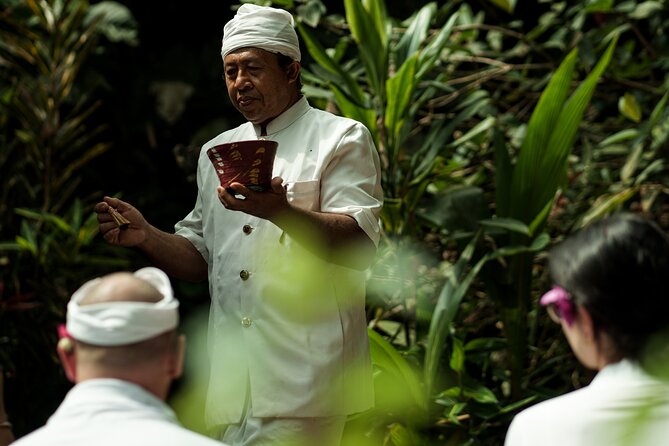
This is a full-day format, starting at 7:30 AM and running about 8 hours. The early start matters in Bali. You get cooler mountain air, fewer crowds, and the best chance to enjoy everything without rushing the ceremony part.
Your day begins with pickup and an air-conditioned vehicle, which is a real quality-of-life upgrade for a long outing. Inside, you’ll have an English-speaking guide, and if you want another language, that can be arranged with a surcharge. From there, the plan threads through several nature and culture moments rather than stacking one big attraction after another.
Before you even reach the main spiritual segment, you’ll typically stop for a flower market and a jamu welcome drink. That’s not just a snack stop. In Bali, flowers and herbal drinks are part of how people set the tone for the day. The jamu helps you settle in too, because you’re going to walk through gardens and villages with some warm-weather stamina required.
The tour stays small, with a maximum of 6 travelers. For Bali, that’s the difference between feeling like a ticket and feeling like you’re joining a real rhythm. Small group time also makes it easier for your guide to answer questions and for you to keep up if you’re not used to balancing farm paths and temple steps.
Flower Market, Jamu, and Rindik: Setting the Tone Before the Ceremony
The earlier stops do an important job: they get you into the local flow. The colorful flower market is one of those “simple but effective” experiences. You’ll see the everyday materials people use for offerings, and it helps you understand what you’ll later prepare at the temple.
Then comes the jamu welcome drink. Jamu is a herbal tradition, and having it before the main day activities is a smart move. It’s a small thing, but it gives you a Bali sensory anchor, and it’s also a gentle way to wake up your taste buds before you hit a homemade lunch.
Next, you’ll learn to play Rindik, a traditional Balinese bamboo instrument. This matters more than it sounds. A lot of tours say you’ll hear traditional music, but you don’t really connect with it. Rindik is hands-on. You’ll get a short lesson and you can feel the instrument’s rhythm instead of just watching a performance.
If you’re wondering about timing, don’t worry. This part works as a warm-up, both mentally and physically. You’ll go into the ceremony with less of that tourist-brain fog and more curiosity.
The Blessing Ceremony at a Hidden Jungle Temple (What Makes It Different)
The highlight is a purification/blessing ceremony at a hidden jungle temple beside a tranquil river. This is where the tour feels different from the typical Bali “let’s take pictures and move on” day.
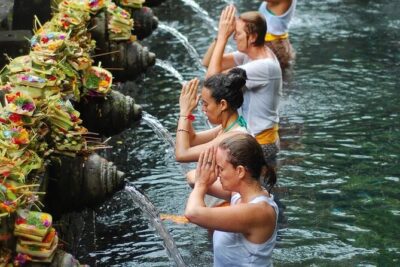
You’ll dress in temple clothes provided by the organizers, then prepare offerings of flowers and incense with the mangku, the local priest who leads the ritual. The offerings preparation is part of the experience, not a prop. When you place flowers, light incense, and follow guidance step by step, you’re not just observing. You’re participating in the meaning behind the act.
The calming setting is a key detail. The temple is by a river, and the whole moment has a quiet, grounded quality. You’re not doing this in a loud tourist courtyard. You’re in a natural pocket of Bali, where the ceremony sits alongside the sounds of the outdoors.
How should you approach it?
- Bring a respectful, patient attitude. This is not a quick script you can skim.
- Keep your camera use in check. If the mangku or guide asks you to pause, pause.
- Remember the restrictions. The ceremony is not permitted during menstruation and for pregnant travelers, so plan accordingly.
If you’re spiritually oriented, this is the type of experience that tends to feel personal because it’s organized around your presence. And because the mangku leads the ritual, you’re hearing it in the language of local practice, not in a tourist narration.
Balikaru Gardens and Warung Lunch: Local Hospitality You Can Taste
After the ceremony, you move into a stretch of slower, more sensory experiences: gardens, local paths, and food.
You’ll enjoy a guided walk through the Balikaru garden with colorful blossoms and tropical herbs and spices. This isn’t only about pretty plants. Seeing herbs in context helps you understand why jamu and cooking in Bali feel like more than “flavor.” They’re part of everyday wellness and tradition.
Then you’ll eat homemade Balinese lunch at an authentic village warung. This is a big part of why the day feels worth it, because you’re not just sampling food from a menu written for tourists. The tour is designed around families in the village working together, and you’re supporting that direct livelihood through what you eat and the way the day is organized.
A practical note: you can accommodate dietary needs, including vegetarian, but you need to indicate it at booking. If you have allergies or other dietary restrictions, make sure you specify them clearly, because the tour information only explicitly mentions vegetarian needs.
When you’re done eating, the pace shifts again. Expect more gentle walking, and expect to see how the village connects daily life with nature.
- Monkey Forest, Ubud, Waterfall and Rice Terrace★ 4.5 · 53 reviews
- Private Arrival Transfer: Bali Airport to Hotel★ 3.5 · 47 reviews
- Denpasar Departure Transfer: Hotel to Airport★ 4.5 · 37 reviews
- Mount Batur Jeep Sunrise by 4WD with Breakfast★ 5.0 · 18 reviews
- Pure Bali Village Experience, Cooking & Jamu Class+VIP Transfer★ 5.0 · 16 reviews
Rice Planting, Animals, and Trigona Bees at Balikaru Farm
Next up is the most hands-on stretch: visiting the Balikaru farm with animals and a segment focused on stingless Trigona bees.
You may join a farmer in planting rice, which is a wonderfully “grounded” activity. It also gives you a sense of how long-term agriculture shapes the rhythm of village life. Even if you only do a small part, you’ll walk away with more respect for how much work rice farming takes.
Then you’ll meet the animals. The tour doesn’t position this as a zoo stop. It’s framed as learning and being around farm life, which tends to feel more gentle and more authentic.
The bees portion is one of the most interesting value adds on the schedule. You’ll learn about stingless Trigona bees and taste their rare, healthy honey. That’s not a common inclusion on many Bali nature tours, so it gives your day a unique edge.
A small expectation check: you should treat honey tasting like a guided sampling, not a full lecture on apiculture. You’ll get enough context to appreciate the product, then you can enjoy the taste.
If you like animals and real rural routines, this is where you’ll feel you got more than you paid for.
Belulang Hot Spring Optional Bath: A Good Reset for Your Body
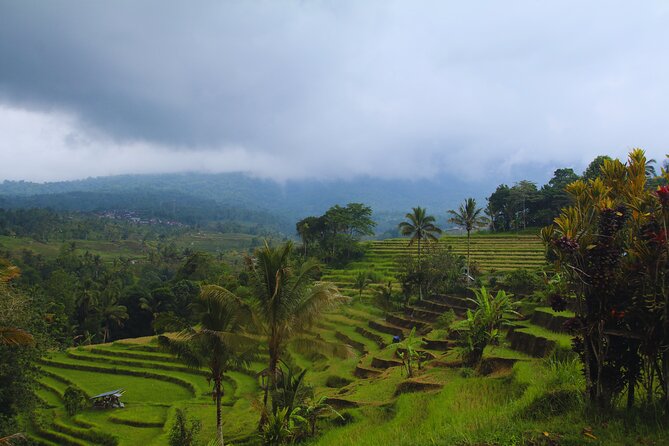
Later in the day, you’ll stop at Belulang Hot Spring. The bath is optional, which is ideal because hot springs aren’t everyone’s favorite after a morning of walking.
This stop works as a reset. You’ve done a ceremony, you’ve walked through gardens and a farm, you’ve likely been in humid air. A warm soak helps your body catch up, and it gives you a different feel from the rest of the day.
If you plan to bathe, bring basic swim comfort in your day kit. If you skip it, you can still enjoy the stop and keep your energy for the next nature moments.
Pengempu Waterfall and Mountain Village Walk: Quiet Ending
Your day closes with nature again, with a stop at Air Terjun Pengempu, a hidden waterfall, plus a peaceful walk through the picturesque mountain village.
Waterfall time is usually where tours either feel rushed or feel reflective. Because this route builds in time after the spiritual part and after food and farm moments, you’re more likely to experience Pengempu as a calm finish instead of a last-minute photo dash.
The “hidden waterfall” phrasing matters. It signals you’re not just stopping at the most famous view deck with 20 buses nearby. You’re doing a walk in a more village-connected setting.
If you’re the kind of person who likes to end travel days quietly, this ending is a strong fit.
You’ll return to your hotel in the late afternoon, carrying that mountain stillness that Bali does so well when you get off the busiest roads.
Price and Value: Why $115 Feels Fair for What You Get
At $115 per person for an about 8-hour day, you’re paying for more than “transport plus a couple of stops.”
You’re getting:
- An air-conditioned vehicle and pickup
- An English-speaking guide
- A mangku-led purification ceremony with offerings and rental temple clothes
- Jamu and a homemade village lunch
- Rindik learning time
- Garden and farm guidance, including animals and Trigona bee honey
- Stops at Belulang hot spring and Air Terjun Pengempu
- A farewell gift and a personal photo by email (your memories, not just blurry screenshots)
That’s a lot of included value for one price. The most “money worth it” part is the spiritual segment. Temple blessing experiences can often become vague or overly performative on tours. Here, the structure is built around participation with offerings and priest guidance, which is the costly and time-intensive part.
The small group size helps too. With a maximum of 6 travelers, you’re less likely to feel herded, and you’re more likely to get personal attention when it counts, especially around ceremony etiquette.
Is it expensive compared to random half-day nature trips? Yes. Is it good value for a full cultural day with an actual ritual and an actual village lunch? Also yes.
Who This Tour Is Best For (And Who Should Skip It)
This is a great match if you want Bali beyond beaches. You’ll enjoy it if you’re:
- Spiritually curious and respectful of ceremony
- Nature-friendly, especially farms, gardens, and smaller settings
- Interested in culture that happens in daily life, not only in staged performances
- Happy to do light to moderate walking in a warm climate
It may not be the best match if:
- You’re seeking only major tourist viewpoints and easy photo stops
- You want a ceremony you can watch silently from the sidelines
- You are pregnant or in the menstruation period, because the purification ceremony is not permitted
Because it’s a small-group day with a lot packed in, bring a calm mindset. This isn’t the day for rushing or constantly changing plans. It’s designed to follow a rhythm.
Should You Book This Bali Spiritual Day?
I’d book it if you want a full, meaningful day with real local practice, not just a checklist. The 100% recommendation rate and the 5/5 rating from 13 people hints that the ceremony plus Balikaru nature and food combination lands well for most travelers who care about spirituality and environment.
Here’s my simple decision rule:
- If you’re excited by a mangku-led purification ceremony, rice planting, and stingless Trigona bee honey, book this.
- If you mainly want a quick hit of sights, skip it and pick a lighter outing instead.
FAQ
What time does the tour start?
The start time is 7:30 AM.
How long is the Bali spiritual experience?
It runs for about 8 hours.
Is pickup included?
Yes. Pickup is offered and you’ll travel by an air-conditioned vehicle.
Is the purification ceremony actually led by a priest?
Yes. The ceremony includes a Balinese purification/blessing ceremony with a Balinese temple priest (Mangku).
What happens during the purification/blessing ceremony?
You prepare offerings of flowers and incense and participate in the cleansing and blessing ritual, wearing Balinese temple clothes provided for the experience.
Are there restrictions for the purification ceremony?
Yes. The purification/blessing ceremony is not permitted during female menstruation and is not permitted for pregnant travelers.
What food is included?
You’ll have a homemade Balinese lunch at an authentic village warung.
Are dietary needs accommodated?
Yes. Vegetarian dietary needs can be accommodated. If you have dietary requirements, you should indicate them at booking.
Is the hot spring bath included?
The hot spring stop at Belulang Hot Spring includes an optional bath.
What other nature stop is included?
You’ll visit Air Terjun Pengempu, described as a hidden waterfall.
Fresh Bali write-ups from the review desk

Balinese Purification and Healing Ceremonies, compared.
 ★ 5.0Ubud Tour – Balinese Healing By Shaman And Self PurificationFrom $74236 reviews
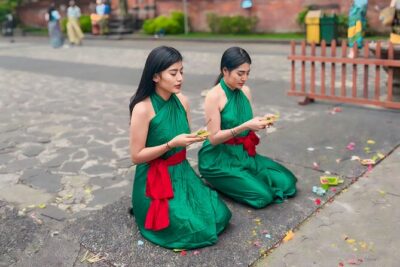 ★ 5.0Melukat Ceremony and Temple Tour at Tirta Empul TempleFrom $29218 reviews
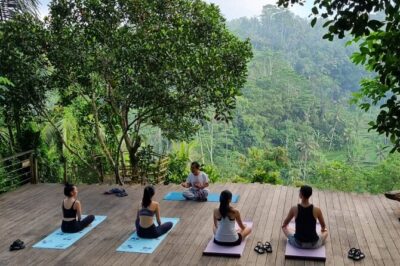 ★ 5.0Ubud yoga, rice terrace walk and floating Breakfast tourFrom $2585 reviews
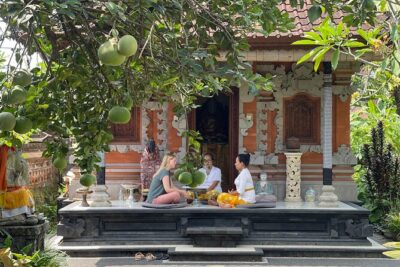 ★ 5.0Meditate with a ShamanFrom $9977 reviews
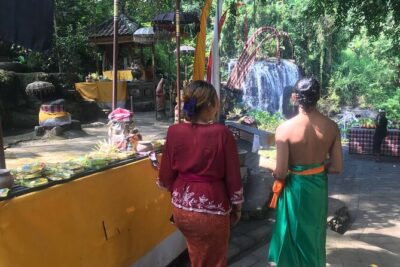 ★ 5.0Purification Holy Bath at Beji Gria WaterfallFrom $5944 reviews
 ★ 5.0Ubud Tirta Empul Temple Tour with Purification ExperienceFrom $2736 reviews
 ★ 5.0TULA Wellness Balinese Exotic Fruit RitualFrom $14235 reviews
 ★ 5.0TULA Wellness Half Day Experience with Sound HealingFrom $14834 reviews
Browse the lists this tour appears in