
REVIEW · GILI ISLANDS BOAT TRIPS
Indonesian Food Cooking Class of Gili Air
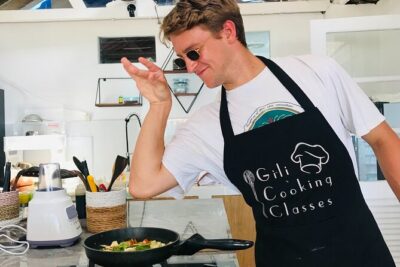
A stove, a plan, and lunch on Gili Air. This class turns Indonesian cooking into a hands-on meal, right by the harbor. I especially like the small-group setup (you get real attention) and the chance to learn classics like kelopon and fried tempe with peanut sauce. A possible drawback is timing, because you need to pick the start time and course length that fit your day.
What makes it feel worthwhile is that you do more than watch. You cook, you eat, and you leave with a menu of dishes you just made. That’s great value in a place where good food can be harder to find unless you know where to look.
One more thing to consider: the class runs daily at set times, so if your plans on Gili Air change last-minute, you may find it tricky to squeeze in.
In This Review
- Key things to know before you cook
- Where the Gili Air cooking class starts: the harbor area
- Price and time: getting value for $33 on the islands
- Picking your menu option: 3 dishes, 4 dishes, or 6 dishes
- Intro Course: 3 dishes (about 1h30)
- Four of a Kind: 4 dishes (about 2h00)
- The Super Six: 6 dishes (about 2h30)
- The dish lineup you will actually cook (and why it’s a good mix)
- Kelopon: the coconut-dusted sweet
- Fried tempe with peanut sauce: crunchy comfort
- Fried noodles: quick, crowd-pleasing skills
- Yellow chicken curry: the warm main
- Chicken taliwang: a bolder add-on
- Gado gado: the balanced plate
- What happens during class: the flow from prep to plate
- Small-group instruction, including the example of Oka
- Start times that fit your Gili Air day
- Vegetarian and vegan: swaps are not an afterthought
- Water included, alcohol available (so pace yourself)
- What to do before you go: practical tips
- Who this cooking class suits best
- Should you book the Gili Air Indonesian Food Cooking Class?
- FAQ
- How long is the cooking class?
- What dishes can I choose from?
- What start times are available on Gili Air?
- Is water included, and can I buy drinks?
- Where is the meeting point?
- What is the maximum group size?
- Can the class accommodate vegetarian or vegan diets?
- Is there free cancellation?
Key things to know before you cook
- By-the-harbor location on Gili Air makes it easy to plan around your day
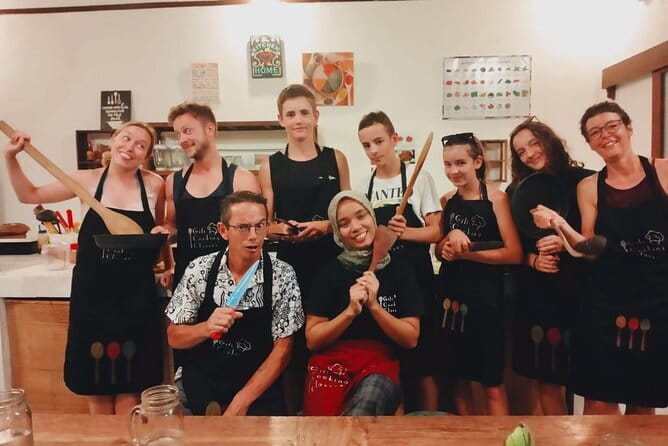
- Small groups (max 12) means you are not stuck watching from the sidelines
- Choose your course size: 3, 4, or 6 dishes, from about 1.5 to 2.5 hours
- A real eating moment: you cook and then eat your Indonesian menu for lunch or dinner
- Dietary swaps are built in with tofu/tempe replacements and vegan oyster sauce
- Water is included and alcohol is available to purchase, if you want it
Not decided yet? These Gili Islands trips held up when we went through them.


Where the Gili Air cooking class starts: the harbor area
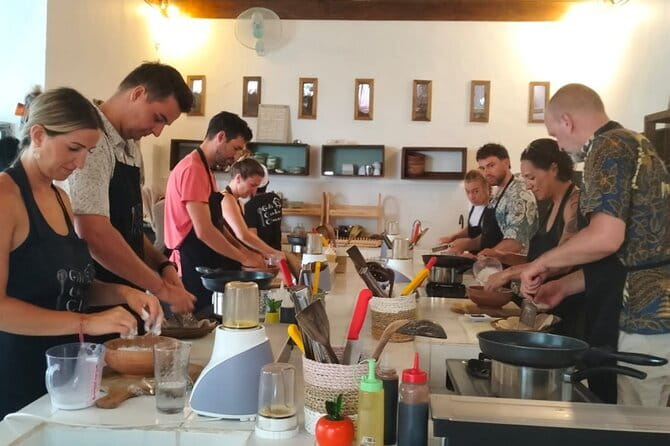
The class meets at Gili Cooking Classes, right at the harbor on Gili Air. That matters more than it sounds, because you can build your day around a simple route: arrive, get going, eat, and then head back out without a long ride.
You’ll see a practical setup meant for small groups. Expect a relaxed vibe rather than a strict studio atmosphere. The instructors guide you through cooking steps and also explain what you are making, so you are not just copying motions.
Also, plan for this to be a true meal plan. Since you are eating what you cook, you’ll want to treat it like lunch or dinner, not like a snack stop. Wear something you can move in and that you do not mind getting a little food-splashed.
Price and time: getting value for $33 on the islands
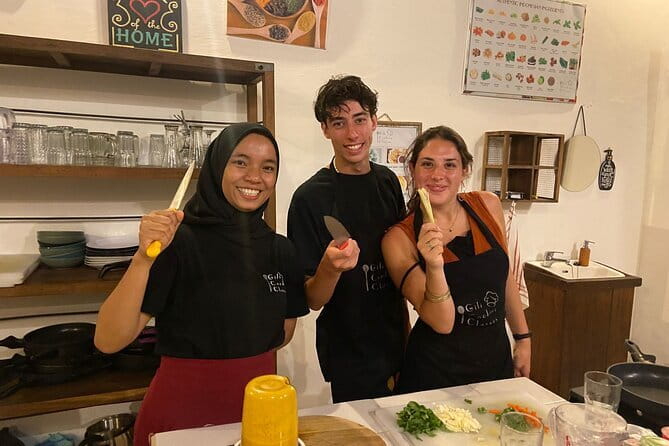
At $33 per person, the big question is whether you’re paying for instruction, ingredients, and an actual meal. In this case, you do get all of that.
You’ll spend about 2 hours on average. The class also offers different course lengths depending on how many dishes you choose. You can go shorter if you want a taste and move on, or go longer if you want a full Indonesian menu.
A helpful way to think about value on Gili Air is this: your time is limited on the islands, and restaurant meals can add up fast. Here, you pay for one block of time and leave with a meal you cooked yourself, plus a list of dishes to recreate or share later.
Picking your menu option: 3 dishes, 4 dishes, or 6 dishes
You get to choose how big your cooking session is. That choice lets you match the class to your appetite and your schedule.
Here are the three options:
Intro Course: 3 dishes (about 1h30)
- Kelopon
- Fried tempe with peanut sauce
- Fried noodles
This option is ideal if you want the essentials without committing to a longer session. It is also a smart choice if you are trying to fit your class between other Gili Air activities.
- Lombok Private Tour Waterfall And Traditional Village Including Beach★ 5.0 · 14 reviews
- Kuta Tour (South Of Lombok Beutiful Tour)★ 5.0 · 8 reviews
Four of a Kind: 4 dishes (about 2h00)
- Kelopon
- Fried tempe with peanut sauce
- Fried noodles
- Yellow chicken curry
This is the sweet spot for many people. You still get the classics, and you add a savory curry to round out the meal.
The Super Six: 6 dishes (about 2h30)
- Kelopon
- Fried tempe with peanut sauce
- Fried noodles
- Yellow chicken curry
- Chicken taliwang
- Gado gado
Go for this if you want a fuller Indonesian spread and more variety in flavors and textures. It also gives you more to take home, since you prepare a wider menu.
The dish lineup you will actually cook (and why it’s a good mix)

The menu is designed around Indonesian classics that represent different styles of cooking. You’ll make a sweet, a couple of savory staples, and then choose between additional savory mains depending on your course.
Kelopon: the coconut-dusted sweet
You will make kelopon, which is known here as coconut-dusted. Learning a dessert early can set you up for confidence, because you get a clear “sweet to savory” rhythm for the rest of the meal.
Fried tempe with peanut sauce: crunchy comfort
This pairing is listed as fried tempe plus peanut sauce. It is a very practical combination to learn because it teaches you how a simple protein becomes a satisfying meal when you match it with the right sauce.
Fried noodles: quick, crowd-pleasing skills
You’ll also cook fried noodles. If you want something you can recreate easily at home, noodles like this tend to translate well, since the method is repeatable even when ingredients vary.
Yellow chicken curry: the warm main
If you choose the 4-dish or 6-dish course, you add yellow chicken curry. Curry is one of the best ways to understand Indonesian flavor-building, and it turns your meal into something that feels complete, not just snacky.
Chicken taliwang: a bolder add-on
For the Super Six option, chicken taliwang rounds out the main dishes. Even if you already like Indonesian food, having this extra entry means you get more than the usual “starter set.”
Gado gado: the balanced plate
Gado gado is included in the Super Six menu. It brings variety to the meal and helps the menu feel like a full Indonesian table rather than repeats of the same cooking style.
What happens during class: the flow from prep to plate
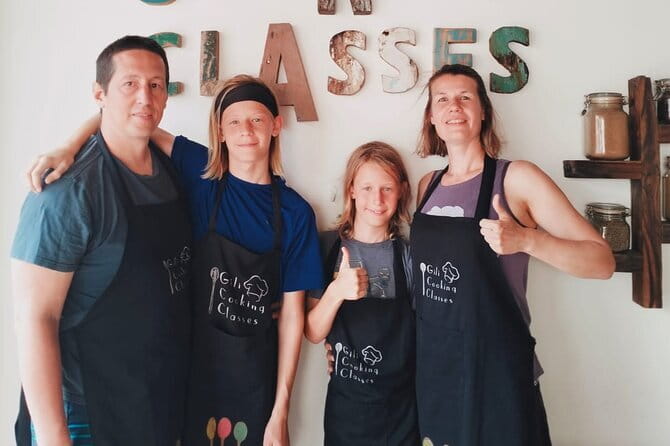
Most cooking classes on vacation stay stuck in instruction mode. This one is built around the loop: cook, then eat. That changes the whole experience. You are not just learning steps, you are testing them immediately.
Here’s how the experience tends to feel based on how the class is described:
- You start with guidance from the instructor-chef, who leads you through cooking and eating multiple dishes.
- You prepare and cook several menu items as a small group, rather than splitting into a huge crowd.
- You take a real break to eat your food as lunch or dinner, based on the start time you chose.
The class is also described as relaxed and fun, which matters. Cooking is easier when you are not stressed. You can ask questions, compare notes with your group, and focus on doing the steps correctly.
Small-group instruction, including the example of Oka

The class keeps it personal. The maximum group size is 12 travelers. That means your instructor is more likely to notice if something is off, and you can get answers without waiting in a line.
One instructor name that stands out from the experience notes is Oka. He is described as speaking great English, giving clear step-by-step instruction, and adding background information while you cook. That mix is valuable because it turns the class into more than a recipe session.
If you care about understanding why flavors work, this kind of explanation makes your takeaway stronger. If you just want to leave fed and happy, the clear steps help you finish confidently.
Start times that fit your Gili Air day
Classes run every day with multiple start times so you can plan. You’ll see:
- 11:30am
- 4pm
- 7pm or 8pm depending on season
This flexibility is great on the islands, where the rest of your day can swing based on beach plans, naps, and weather.
If you want lunch, choose the 11:30am start. If you want a late-afternoon meal, 4pm can work well. For a dinner vibe, the evening options are your move.
Vegetarian and vegan: swaps are not an afterthought

Dietary needs are handled directly. Vegetarian or vegan options are available, including replacing chicken with tofu/tempe. The class also mentions vegan oyster sauce for vegan dietary needs.
This is a big deal for a cooking class. The worst case is when you get a token substitute and the class does not match your diet. Here, the menu is adapted, and that helps you learn the cooking process without feeling left out.
If you are not vegetarian or vegan, it’s still useful to know the class can adapt. You’ll likely see the kitchen handle swaps smoothly, without making it a separate event.
Water included, alcohol available (so pace yourself)
Water is included with the class. Alcoholic drinks are available to purchase if you want them, but they are not part of the included basics.
Since you will be cooking and eating, I’d treat alcohol as optional. A class that runs around 1.5 to 2.5 hours works best when you stay focused on steps and taste-test your food as you go.
What to do before you go: practical tips
The best prep here is simple and practical:
- Arrive with time to settle in, especially if you are changing plans around the start time.
- Wear comfortable clothes you can move in.
- Plan to eat a full meal afterward, because you will.
If you like taking notes, do it. The class description says you’ll be able to bring home a menu of dishes. A menu is a strong starting point, but writing a few details for the steps you cared about most helps later.
Also, since the meeting point is by the harbor, I’d build in a little walking time. On islands, paths and signage can be straightforward but still take a minute to get used to.
Who this cooking class suits best
This class is a great fit if you want:
- An Indonesian food experience you can learn actively, not just consume
- A practical way to get multiple dishes in one sitting
- A small-group setting where the instructor can give personal attention
- A meal tied to cooking, useful for lunch or dinner planning
It may not be the best match if you want total freedom with timing. You’re choosing a start time, and class length changes depending on 3, 4, or 6 dishes.
Should you book the Gili Air Indonesian Food Cooking Class?
Book it if you want a hands-on Indonesian meal with real instruction and a small-group feel. The format makes it easy to justify the cost because you’re paying for cooking guidance, a full menu, and the chance to eat what you make, all in one location by the harbor.
You should especially book if kelopon, fried tempe with peanut sauce, or fried noodles are on your food wish list. If you are vegetarian or vegan, you’ll also appreciate the built-in swaps with tofu/tempe and vegan oyster sauce.
If you’re only looking for a quick bite, a very short class might be enough, or you might skip. But if you want a memorable food skill you can take home, this is one of the more efficient ways to spend time on Gili Air.
FAQ
How long is the cooking class?
The class runs about 2 hours on average. It also has set course options: about 1h30 for 3 dishes, about 2h00 for 4 dishes, and about 2h30 for 6 dishes.
What dishes can I choose from?
You can cook different sets of Indonesian classics depending on the course. All options include kelopon, fried tempe with peanut sauce, and fried noodles. The longer options add yellow chicken curry, chicken taliwang, and gado gado.
What start times are available on Gili Air?
Classes run daily with start times at 11:30am, 4pm, and 7pm or 8pm depending on season.
Is water included, and can I buy drinks?
Water is included. Alcoholic drinks are available to purchase.
Where is the meeting point?
The class meets at Gili Cooking Classes in the harbor area on Gili Air.
What is the maximum group size?
The activity has a maximum of 12 travelers.
Can the class accommodate vegetarian or vegan diets?
Yes. Vegetarian or vegan options are available, including replacing chicken with tofu/tempe and using vegan oyster sauce.
Is there free cancellation?
Yes. You can cancel for a full refund up to 24 hours before the experience’s start time, and free cancellation applies with that timing.
Boats Out to the Gilis
Fresh Gili Islands write-ups from the review desk



Gili Islands Boat Trips, compared.
 ★ 5.0Learn to cook Indonesian food at Gili Cooking Classes TrawanganFrom $33352 reviews
 ★ 5.0Gili Island Snorkeling Trip – Gili Trawangan, Gili Meno, & Gili Air, From LombokFrom $88330 reviews
 ★ 5.0Private Snorkeling Gili Island (Coral, Statue and Turtle)From $55229 reviews
 ★ 5.0Day Trip Gili Trawangan, Gili Meno, Gili Air (Depart Lombok)From $97167 reviews
 ★ 4.5Bali (Serangan) to Gili Trawangan – Gili Air – Lombok (Bangsal)From $5576 reviews
 ★ 5.0Private Speedboat transfer Between Lombok and Gili IslandsFrom $1573 reviews
 ★ 5.04-in-1 • Gili Islands Snorkel & Sunset Half-day Catamaran CruiseFrom $10368 reviews
 ★ 3.5Gili Trawangan to Bali (Serangan)From $2463 reviews
Browse the lists this tour appears in