
REVIEW · LOMBOK AND MOUNT RINJANI ADVENTURES
Rinjani Trekking Three Days Two Night Summit Lake
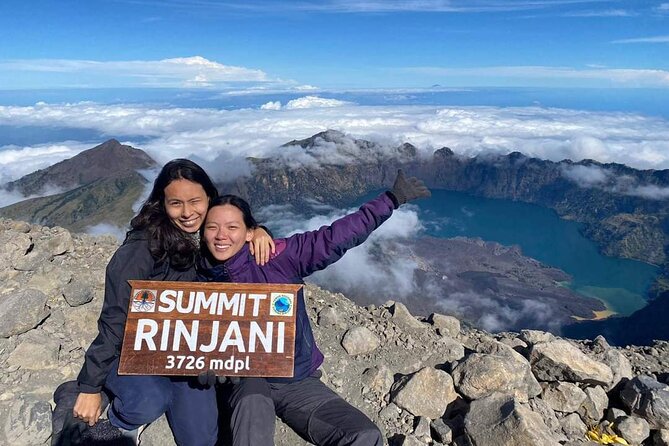
Climb into a volcano drama with sunrise at 3,726 m. This 3-day, 2-night Rinjani trek pairs mountain-and-lake views with early starts and a real summit push, all from the Lombok side. I like how the schedule builds in moments of payoff, from rainforest walking to a crater-lake descent, then one last climb for the top views.
Two things stand out for me. First, you get sunrise-focused timing on multiple mornings, including a summit sunrise at 3,726 meters. Second, the hike funnels you toward the Segara Anak crater lake, with a guided descent that feels like the trip’s emotional center. One drawback to plan for: this is a hard, high-altitude trekking route. The up and down can be brutal, so you should be ready for a serious physical challenge.
In This Review
- Key Highlights You’ll Feel Immediately
- Rinjani Sunrise Trek From Bangsal: What Makes It Worth Your Time
- Morning Logistics: The Bangsal 7:00 am Start and Pickup
- Day 1 to Base Camp III: Farmer Fields, Tropical Rainforest, and a Midday Landing
- Day 2 Sunrise Options and the Segara Anak Crater Lake Descent
- Day 3 Summit Push to 3,726 Meters for Sunrise
- Price and Value: Is $519.54 a Fair Deal?
- What the Reviews Teach You: Scenery Love, Hard-Training Reality
- Weather Rules: Why Your Trek Depends on the Sky
- Fitness, Footing, and Gear: The Stuff That Makes Day 3 Less Scary
- Who This Trek Suits Best (And Who Should Pick Something Easier)
- Should You Book This Rinjani Trek?
- FAQ
- What is the tour duration?
- Where does the tour start?
- What time does the tour start?
- How much does the tour cost?
- Is pickup included?
- How fit do I need to be?
- What is the maximum group size?
- Is good weather required?
- Are admission tickets included?
- What happens if I need to cancel?
- What if the trek is changed because of physical issues?
Key Highlights You’ll Feel Immediately
- Sunrise, twice: optional early sunrise on day 2, then summit sunrise on day 3 at 3,726 meters
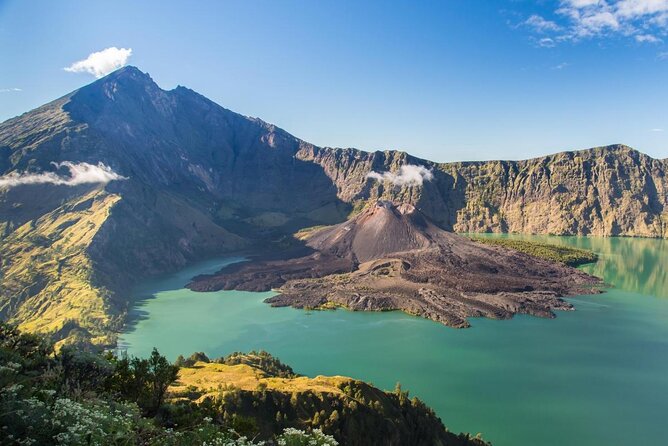
- Segara Anak crater lake descent: about a 2-hour descent into the crater, with lake time once there
- Base Camp III break: lunch around 12:00 PM after morning walking through fields and rainforest
- Small group size (max 10): easier pacing, tighter logistics, and more attention from your guide
- Guide flexibility when your body needs a change: one review noted they could switch to a 2-day option due to discomfort
Not decided yet? These Gili Islands trips held up when we went through them.
Rinjani Sunrise Trek From Bangsal: What Makes It Worth Your Time
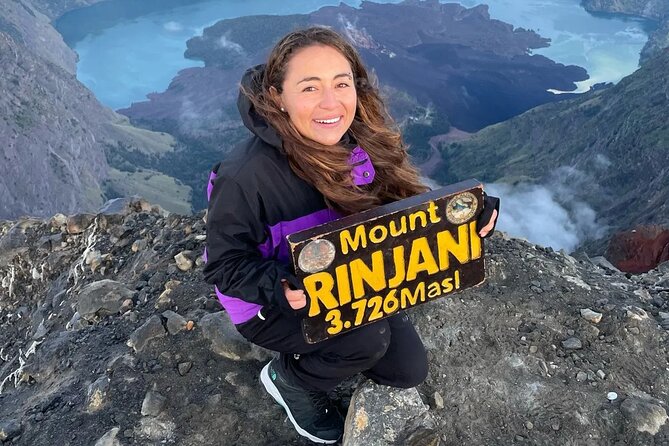
This trek is built like a storyline: morning cool air, a climb into camp life, a crater reveal, then a final top-of-the-mountain sunrise run. The payoff is obvious, but what makes it special is the way the route forces you to slow down and notice what you’re seeing. You’re not just hiking through scenery. You’re moving through altitude, ecosystems, and views that change fast.
The starting point matters too. You begin in Bangsal, and you’re on the move early, with a 7:00 am start time. That early rhythm is part of the value here because sunrise is the star of the show. If you hate early mornings, you’ll want to take that seriously before you sign up.
Morning Logistics: The Bangsal 7:00 am Start and Pickup
Your meeting point is in Bangsal, Pemenang, Lombok Utara, with a start time of 7:00 am. From a practical standpoint, that means you should plan your Lombok base with enough buffer time to get there without stress. Early starts are non-negotiable on volcano trips like this.
Pickup is listed as offered, which can be a big deal if you’re not already near Bangsal. Still, details can vary, so I’d treat pickup as helpful, not automatic. If you rely on it, confirm what pickup covers so you can show up on time, not half-racing the clock.
Also notice the trip size: the group is capped at 10 travelers. That’s not huge, and it helps with pace control on steep sections and acclimation days. Smaller groups also tend to make it easier for guides to adapt if someone needs a slower rhythm.
Day 1 to Base Camp III: Farmer Fields, Tropical Rainforest, and a Midday Landing
Day 1 starts with your climb right after you leave the RTC area. The route takes you through local farmer fields and then into tropical rainforest during the cooler morning hours. That shift is useful because it breaks up the mental load. You’re not climbing in one monotone phase the whole time.
The day’s goal is a real “get your bearings” checkpoint: you arrive at Base Camp III for lunch around 12:00 PM. That midday stop is more than just food. It gives you a chance to adjust to the effort level, check how your body is handling the climb, and reset before the next day’s lower-and-crater terrain.
One of the quieter joys of the first day is wildlife spotting. The trek includes observing wild monkeys during your journey. It’s not the kind of thing you should bet on every second, but it adds a little life to what could otherwise feel like a straight uphill slog.
If you’re the type who gets anxious about fog or changing weather, day 1 is where you learn to stay flexible. Tropical rainforest and mountain conditions can shift quickly, and your best move is to focus on your footing, your pace, and staying warm enough for morning temps.
Day 2 Sunrise Options and the Segara Anak Crater Lake Descent
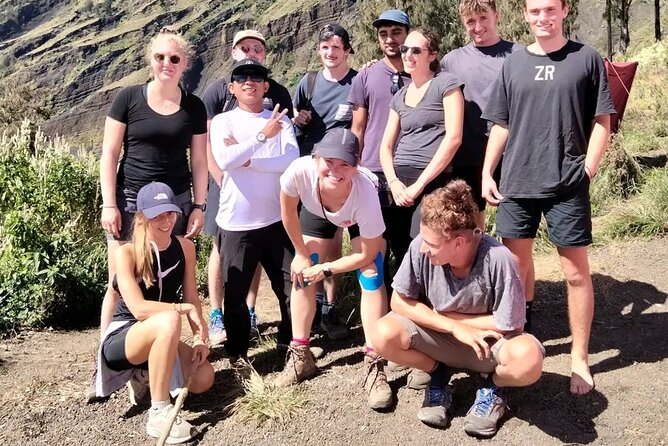
Day 2 is where the trek turns dramatic. You can get early enough to watch sunrise, then after breakfast you enjoy views from the rim. The rim time is important because it sets context for what comes next. You’re looking down at the crater before you commit to going inside.
Then comes the key action: a roughly 2-hour descent into the crater to reach Segara Anak lake. This is the portion that most directly connects your effort with a clear reward. The crater descent also means your legs are doing a different job than on the uphill days. Downhills can burn you out if you go too fast.
Once you reach Segara Anak, you get lake time. The tour is listed as about 8 hours for this day, and there’s an admission ticket included. That detail matters mostly because it reduces friction. You’re not scrambling for entrance logistics mid-trek, which is exactly what you want when you’re already tired.
What to watch for on day 2:
- You’ll likely feel the altitude more strongly once you’re lower in the crater and it gets colder or misty.
- Your knees get attention on steep descents. Short steps and controlled speed beat hero moves.
- Hydration matters even when you’re not sweating like you are at lower elevation.
If you want one “anchor moment” for the whole trip, it’s this day’s crater-and-lake segment. The structure of the schedule points you straight toward it.
Other Lombok days, coast and volcano
- Lombok Private Tour Waterfall And Traditional Village Including Beach★ 5.0 · 14 reviews
- Kuta Tour (South Of Lombok Beutiful Tour)★ 5.0 · 8 reviews
Day 3 Summit Push to 3,726 Meters for Sunrise
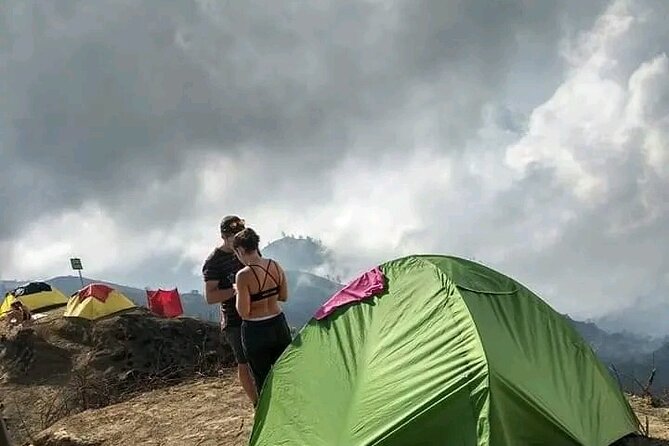
Day 3 is the hardest headline, and the trekking time reflects it. You start the 3-hour climb to reach the summit of Mount Rinjani to catch sunrise at 3,726 meters. The climb is the whole point, and it’s not meant to be comfortable.
Once you’re up there, you take in the view from the top, then you start heading back down. You return to the camp for a late 10:00 AM descent (the plan is described that way), meaning you’re not stopping at the summit and floating off into the sunset. This is still a full-day trekking effort.
This is also the day where review feedback becomes a warning sign. Some trekkers call the overall hike brutal and say it’s best for experienced trekkers. Translation: if you’ve only done easy hikes at sea level, this is not the time to learn on the job.
Still, sunrise at 3,726 meters is a real motivator. You’re paying for the privilege of being high enough to watch weather and light shift around the volcano. That kind of visual contrast is why this trek gets booked.
A smart mindset: treat the summit like a steady climb, not a race. If you can keep your breathing controlled and avoid unnecessary stops, the last push feels more doable. Your reward comes when you reach the top, not when you win a time trial.
Price and Value: Is $519.54 a Fair Deal?
At $519.54 per person, this trek is not a budget experiment. But volcano treks are expensive for a reason, and this one stacks several value signals.
First, you’re getting a full 3 days, 2 nights structure with multiple high-impact segments: rainforest climbing, crater descent, then summit sunrise. That’s a lot of guided mountain time.
Second, admissions are partly handled for you. Day 2 includes an admission ticket. Day 3 lists the admission ticket as free. That doesn’t mean you’re spared every other cost, but it does reduce the administrative friction during the most stressful part of the trip.
Third, group size stays limited to a maximum of 10 travelers. When a trek is hard, the small-group factor can be worth real money because you’re less likely to get lost in a big crowd and less likely to get stuck behind slower walkers.
Fourth, the experience provider notes pickup is offered. Pickup is one of those unglamorous items that can quietly save your trip. Fewer transfer headaches means more energy for the trail.
Where value can feel less perfect is in organization details. One review notes organization in advance was not the best. That doesn’t automatically mean the trek itself is messy, but it does suggest you should confirm key items early, so you show up prepared and not guessing.
What the Reviews Teach You: Scenery Love, Hard-Training Reality
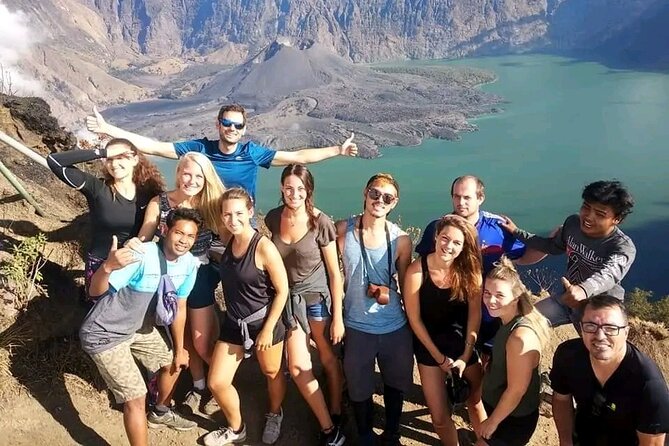
The overall rating sits at 4.6 across 73 reviews, which signals consistent satisfaction. The top praise is straightforward: the scenery from the top and ridge is spectacular, and the guide support is often described as very accommodating.
One review specifically points out that the guide made it possible to switch to a 2-day tour due to physical complaints, without a big hassle. That’s valuable because it shows real-world flexibility. When you’re dealing with fatigue, pain, or altitude discomfort, the ability to adjust is the difference between pushing through and smart course-correcting.
On the flip side, multiple comments highlight that the hike is tough, and it’s best for experienced trekkers. Another key detail: the “brutal” feeling is not just about the distance. It’s about the repeated climbs and descents, and the fact that sunrise schedules mean you’re often starting in the dark or very early.
So here’s the practical takeaway: if you’re fit but not experienced with steep trail downhills, you should train for that. If you’re already an experienced hiker with steady uphill and downhill legs, you’ll probably enjoy the trek more and feel safer on the steep moments.
Weather Rules: Why Your Trek Depends on the Sky
This tour requires good weather. If conditions are poor, it may be canceled and you’ll be offered a different date or a full refund. That’s not just fine print. It’s a core part of planning a volcano summit trek.
Rinjani’s higher elevations can change quickly, and sunrise can be ruined by cloud cover or mist. Even if the trek proceeds, conditions can affect safety and visibility. The best strategy is to build in flexibility around your dates and avoid scheduling Rinjani as your last single-day option in Lombok.
If you hate uncertainty, this is still the right place for you to use travel logic: book it when you have time to reschedule. Choose dates where you can accept a weather-driven shift.
Fitness, Footing, and Gear: The Stuff That Makes Day 3 Less Scary
The tour calls for moderate physical fitness. That’s fair, but you should read it as a baseline, not as an invitation to be unprepared. The summit day includes a 3-hour climb at high altitude for sunrise timing, plus a full day of descent afterward. Your stamina matters, and your legs need to handle both uphill and downhill.
What I’d prioritize for a safe, enjoyable experience:
- Good hiking shoes with grip for uneven volcanic paths
- Trekking poles if your knees hate steep descents
- Layers that handle cool morning air and warmer afternoon walking
- A small day pack to keep essentials dry and reachable
Also, treat pacing as strategy. Sunrise treks often push people to hurry. On Rinjani, hurried steps can increase fatigue and make the downhills feel worse than they need to.
Who This Trek Suits Best (And Who Should Pick Something Easier)
This is best for hikers who want altitude sunrise and crater-lake views, and who can handle a demanding schedule. If you’re the kind of traveler who loves getting up early, staying focused on trail conditions, and working through physical effort for big rewards, you’ll likely enjoy Rinjani.
It may not be the best match if you’re recovering from injury, have limited hiking experience, or get into trouble on steep descents. Even with guide support, the route is still hard by design, and the summit day is not gentle.
If you’re unsure, the review about switching from a 3-day to a 2-day plan is a reminder that adaptation can exist. That’s useful to know, but don’t use it as a plan A. Your best move is to train and arrive ready so you’re not relying on last-minute changes.
Should You Book This Rinjani Trek?
Book it if you want a serious mountain experience with a clear structure: morning rainforest climbing, Segara Anak crater time, then summit sunrise at 3,726 meters. The small group size and accommodation from guides, as described in reviews, make it a better bet than huge, impersonal hikes.
Skip it or consider an easier option if steep hiking is a struggle for you, or if you can’t handle long early starts and repeated climbs and descents. This trek pays off most when you respect the difficulty.
If you do book, plan wisely around weather and start time. Show up early, move with control, and keep your expectations tied to the schedule: sunrise, crater views, summit timing. Do that, and you’ll be in the right mindset for what this trek actually delivers.
FAQ
What is the tour duration?
The trek is listed as 3 days (approx.), with a 2-night adventure style schedule.
Where does the tour start?
The meeting point is Bangsal, 83352, Pemenang Bar., Kec. Pemenang, Kabupaten Lombok Utara, Nusa Tenggara Bar., Indonesia.
What time does the tour start?
The start time is 7:00 am.
How much does the tour cost?
The price is $519.54 per person.
Is pickup included?
Pickup is offered.
How fit do I need to be?
The tour notes that travelers should have moderate physical fitness.
What is the maximum group size?
The maximum number of travelers is 10.
Is good weather required?
Yes. The experience requires good weather, and if it’s canceled due to poor weather, you’ll be offered a different date or a full refund.
Are admission tickets included?
Admission ticket details are listed by day: day 2 includes an admission ticket, and day 3 lists admission ticket as free.
What happens if I need to cancel?
You can cancel for a full refund up to 24 hours before the experience’s start time, based on local time.
What if the trek is changed because of physical issues?
One review describes being able to change to a 2-day tour due to physical complaints, without issues.
Lombok, Coast and Volcano
Fresh Gili Islands write-ups from the review desk
Lombok and Mount Rinjani Adventures, compared.
 ★ 5.0Gili Island Snorkeling Trip – Gili Trawangan, Gili Meno, & Gili Air, From LombokFrom $88330 reviews
 ★ 5.0Anggrek Putih Lombok Cooking ClassFrom $30253 reviews
 ★ 5.0Day Trip Gili Trawangan, Gili Meno, Gili Air (Depart Lombok)From $97167 reviews
 ★ 4.5Lombok Private Customize TourFrom $45144 reviews
 ★ 5.03D-2N Explore Mount Rinjani – Summit -Lake and HotspringFrom $235112 reviews
 ★ 5.0Lombok Pink Beach Boat Trip (Full Day + Snorkeling)From $88104 reviews
 ★ 5.0Rinjani trekking 2D 1N RIMFrom $20594 reviews
 ★ 4.5Rinjani Trekking 3D2N SummitFrom $24385 reviews
Browse the lists this tour appears in