
REVIEW · LOMBOK AND MOUNT RINJANI ADVENTURES
Mount Rinjani Hiking to summit( 2 Days 1 Night )
If you like big views and early alarms, this hike hits. Mount Rinjani is one of Lombok’s real altitude adventures: you sleep on the crater rim and then chase sunrise from the summit. What makes this trip feel special is the rhythm, Sembalun meadows to high camps, then the dawn push that puts you on top while the island is still waking up.
I really like two things about this experience. First, the English-speaking guide and professional porters take care of the heavy stuff, including camp kitchen gear and setup. Second, you get a proper mountain schedule built around the views, with sunset and sunrise possible from the crater rim area.
One consideration: you start very early on day two, with a wake-up in the dark and a long summit climb. Also, the national park entrance fee is extra, so the all-in cost is a bit more than the listed price.
In This Review
- Key highlights worth caring about
- Two Days, One Crater Rim: The Rinjani Experience in Plain Terms
- Getting to the Trail: Pickup, the 7:00 am Start, and Sembalun Access
- Day 1: From 1,156 m to the Crater Rim at 2,639 m
- The Crater Rim Night: Camp at 2,639 m and Sunrise Timing
- Day 2: 2:00 am Wake-Up, 3:00 am Summit Climb, and Reaching 3,726 m
- Guides, Porters, and the Camp Setup That Makes This One Work
- Food, Water, and What Your Day Pack Should Really Be
- Price and Park Fees: What You Pay, What You Still Need to Budget
- Fitness, Weather, and the Big Considerations You Should Plan For
- Who Should Book This Rinjani 2 Days 1 Night?
- Should You Book It?
- FAQ
- What time does the hike start?
- How long is the Mount Rinjani hike?
- What altitude will I reach?
- Is a guide included?
- What camping and comfort items are included?
- How much water do I get during the trek?
- What additional cost might I need besides the listed price?
Key highlights worth caring about
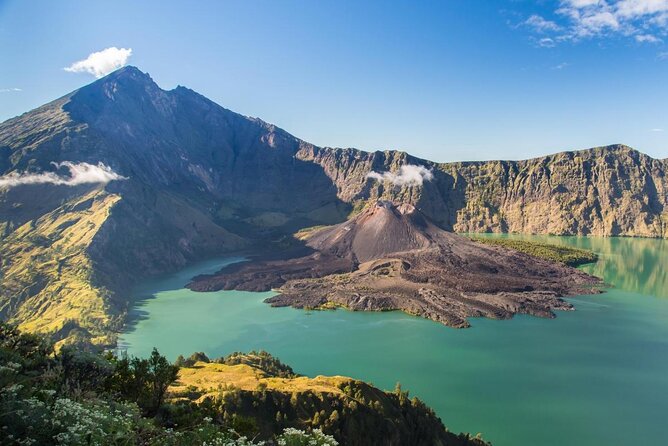
- Crater-rim camp at 2,639 m, built for sunset and sunrise vibes
- Summit timing around sunrise, reaching 3,726 m in the early morning
- Porters and camping kit included, including sleeping bags, mattresses, and pillows
- 3 liters of mineral water per person per day, which makes the trek feel more manageable
- A structured route with several stopping points, so you can pace the climb
- Private group format, so it is only your group on the trek
More walking routes, short and long
Two Days, One Crater Rim: The Rinjani Experience in Plain Terms
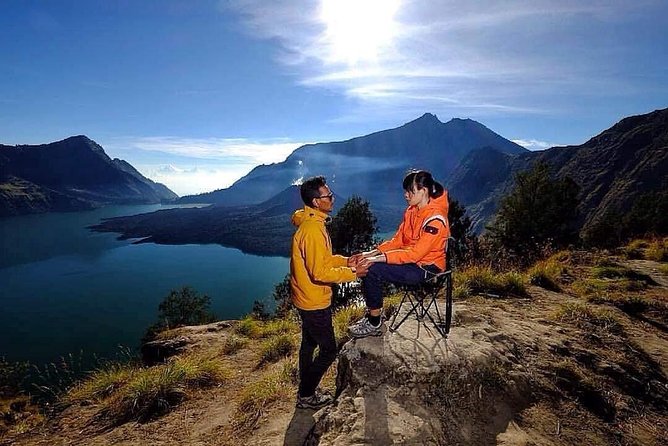
This is a focused, two-day summit hike, not a slow “hang out in nature” trek. You start low enough to warm up through open ground, then steadily climb to the crater rim where you camp overnight. The second day is the dramatic part, starting in darkness and ending with sunrise at the top.
What you’re really buying with this format is efficiency. You spend one night high, so you are not wasting the first day just getting to altitude. Then the summit bid is early and direct, which matters because cold temperatures and limited daylight can turn a long day into a hard one fast.
I also appreciate that the trip is very explicit about what happens when. You know when you will be walking, when you will eat, and when you will be moving again. That makes a big mountain feel more human.
Getting to the Trail: Pickup, the 7:00 am Start, and Sembalun Access
You begin with a pickup at your hotel, and the route starts from Sembalun village. The start time is listed as 7:00 am, and the vehicle transfer typically gets you to the trailhead area around 8:00 am. If you are staying in Senaru or Sembalun, this setup is designed to save you the stress of figuring out local transport on your own.
The practical win here is timing. On Mount Rinjani, you want to maximize daylight on your first climb and keep your body settling into rhythm. Starting on schedule also reduces the chance you feel rushed before you even hit the first steep sections.
One more thing to note: the hike is described as private, meaning it is only your group. That can feel calmer than joining a large mixed group, especially on the narrow trail sections during early movement.
Day 1: From 1,156 m to the Crater Rim at 2,639 m
Day 1 is the build-up day. You begin around 1,156 m, then work your way through a gentler climb first, including open meadow walking. It’s not easy walking, but it is the kind of terrain that lets you find a steady pace and settle your breathing.
After about two hours, you reach Pos 1 at around 1,300 m. Then it’s another 40 minutes to Pos 2 at 1,500 m. This part of the day matters because it sets your pace for the rest of the climb. If you sprint early, the altitude catches up later.
At Pos 2, you stop for lunch. Then you continue to Pos 3 at about 1,800 m, where you rest before pushing onward. This stretch gradually turns more serious as the day progresses.
The final push to camp is the big moment on day one. You climb from Pos 3 up to the crater rim at 2,639 m, and it’s described as taking about three hours, including a prolonged steep climb. This is where good gear and a steady mindset help most. If you go slow and controlled, you arrive at camp with enough energy to enjoy what comes next.
The Crater Rim Night: Camp at 2,639 m and Sunrise Timing
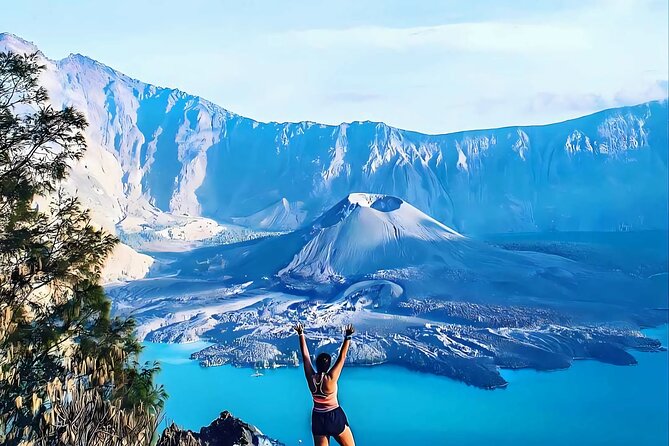
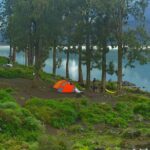
Once you reach the crater rim, you camp for the night. The big value here is the location and altitude. From the rim, you have a real chance to see the day turn, with sunset and sunrise possible.
You’ll also sleep high, so plan for cold temperatures. Even if the sun warmed the trail, nights on a volcano crater rim can feel chilly. This is where having the right layer matters, even though the trek provides sleeping gear.
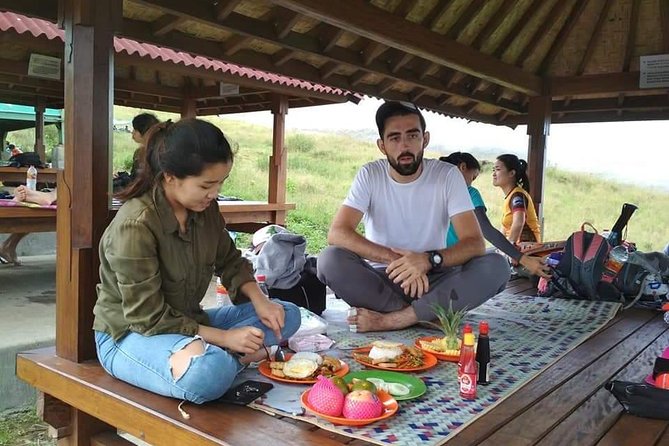
Camping setup is included, including a tent, toilet tent and paper, sleeping bags, mattresses, and pillows. Porters handle camping equipment and cooking gear, which reduces the burden on your body. The less you have to manage yourself, the more you can focus on staying warm and resting.
The experience is also structured around comfort for a mountain hike. You get food and drinking water during the trek, listed as 3 liters of mineral water a day per person. Hydration helps at altitude, and it also helps your legs feel less cranky the next morning.
Other Lombok days, coast and volcano
- Anggrek Putih Lombok Cooking Class★ 5.0 · 253 reviews
- Day Trip Gili Trawangan, Gili Meno, Gili Air (Depart Lombok)★ 5.0 · 167 reviews
- Lombok Private Customize Tour★ 4.5 · 144 reviews
- 3D-2N Explore Mount Rinjani – Summit -Lake and Hotspring★ 5.0 · 112 reviews
- Lombok Pink Beach Boat Trip (Full Day + Snorkeling)★ 5.0 · 104 reviews
Day 2: 2:00 am Wake-Up, 3:00 am Summit Climb, and Reaching 3,726 m
Day 2 starts in darkness. You wake around 2:00 am with a hot drink and a light breakfast, then begin the summit climb around 3:00 am. This is one of the most important parts to understand before you book.
The early start is not just for drama. It helps you hit the top in time for sunrise and it gives you daylight for the descent. It also reduces the amount of time you spend hiking in the harshest cold.
You reach the summit at 3,726 m around 6:00 am, with sunrise and panoramic views described across Lombok island, Mount Bali, Mount Tambora on Sumbawa, and Segara Anak Lake. That kind of view is exactly what summit hikes are for. The altitude turns everything into a bigger, clearer picture.
After the summit, you descend back to the camp site. That downhill trek is estimated at about two hours, then you eat breakfast. Finally, the long pull down to Sembalun village takes about five hours. This last segment is where your knees will get a workout, even if the air is calmer than on the summit climb.
In short: day two is a full day. Summit morning is the headline, but the real job is doing the descent safely and with enough energy to reach Sembalun.
Guides, Porters, and the Camp Setup That Makes This One Work
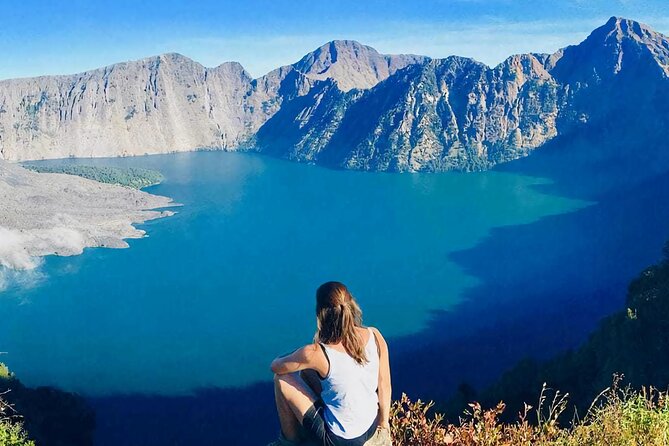
This trip leans on teamwork. It includes an experienced English-speaking guide and professional porters. Porters carry cooking gear and camping equipment, so you are not also hauling camp infrastructure up and down the mountain.
That matters a lot for value. On hikes like this, the physical cost is already high. If you have to carry your own shared supplies on top, the hike stops feeling like an adventure and starts feeling like survival.
A review you might enjoy as a reality check is that some groups are guided by someone named Jon, praised for helping people feel at ease. The same feedback also notes that in at least one booking, people could borrow free walking sticks and rent a warm coat. Those options are not guaranteed for every trip, but they point to the kind of support you can ask about locally.
Even if you do not borrow anything extra, the baseline included kit is solid: sleeping bags, mattresses, pillows, and the tent setup. The toilet tent with paper is also included, which is a practical comfort point on a two-day hike.
Food, Water, and What Your Day Pack Should Really Be
The hike includes food and drinking water during the trek, listed as 3 liters mineral water per day per person. That’s a meaningful amount on a two-day summit route. It reduces the need for you to ration and guess.
What is not included is the gear you need to stay comfortable on the move. You should plan to bring trekking shoes, a rain jacket, long pants, and gloves. Even when rain is unlikely, wind and cold at altitude can still make your hands and legs feel miserable.
I also recommend bringing layers you can put on fast. Your day moves from warm walking into cold early-morning climbing, then cold at the rim overnight. If you can layer in seconds, you stay comfortable instead of constantly adjusting.
If you have extra luggage beyond a normal day pack, note that an extra porter for personal luggage is not included. For most hikers, it’s smartest to pack light and keep only what you truly need in your own bag.
Price and Park Fees: What You Pay, What You Still Need to Budget
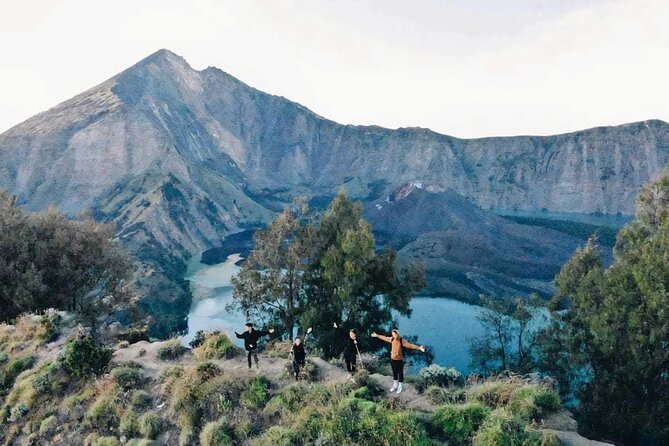
The base price is $170 per person for the 2 days and 1 night hike. For a supported summit attempt, that can be good value, especially because camp gear and porters are included.
But don’t forget the national park entrance fee. It is listed as IDR 250,000 per day per person, so IDR 500,000 total per person. That means your all-in cost is the base price plus the park fee plus any rental or extra items you choose to add.
I like that the trip clearly separates what’s included versus not. It is far easier to plan. If you want the cleanest budget, plan for:
- Base trekking price
- Park entrance fee (IDR 500,000 per person)
- Your personal gear like shoes, rain jacket, long pants, gloves
- Any personal luggage help if you really need it
Also, the experience is private, but it still may depend on weather and minimum travelers to operate. If you are traveling around peak dates, confirm quickly so you can adjust plans if needed.
Fitness, Weather, and the Big Considerations You Should Plan For
Most travelers can participate, but this is still a summit hike. Your biggest challenges will be altitude, early mornings, and the long downhill at the end.
Weather matters. The experience requires good weather, and poor conditions can lead to a date change or a full refund. That’s normal for mountains, but it does affect your flexibility. If you are only in Lombok for a short window, it’s worth building in a buffer day so you are not stuck waiting for a rescheduled hike.
You should also be prepared for cold. The climb starts in the dark, you camp at high altitude, and sunrise is early. Even with sleeping gear provided, you will feel the environment. Warm layers help you sleep better and move better.
Finally, think about how you handle a steep section. Day one includes prolonged steep climbing to the crater rim. Day two includes the summit push. If you pace consistently and keep your breathing under control, the hike becomes a challenge you can manage instead of a panic sprint.
Who Should Book This Rinjani 2 Days 1 Night?
Book this if you want a true summit experience with a focused time window. It’s ideal for people who:
- Want sunrise at the summit around 6:00 am
- Like structured pacing with multiple rest stops
- Prefer guided support and porter help for camp setup
- Are comfortable with early starts and a full second day descent
This may not be the best match if you:
- Hate night hiking or very early wake-ups
- Want a cushy, no-stairs walking tour
- Are sensitive to cold and early-morning temperature changes
- Need very flexible scheduling with no weather risk
If you fit the first group, you will likely love the payoff: crater rim camping, then the summit view that stretches across Lombok, Bali, Tambora, and Segara Anak Lake.
Should You Book It?
Yes, I would book it if your goal is a compact, high-reward climb. The value is strong because camp gear, guide support, porters, and water are handled for you. You are not just buying steps up a mountain, you are buying the schedule that makes sunrise possible.
Do book it with two realistic expectations. First, it is demanding, especially day two and the final descent. Second, weather can change plans, so give yourself some breathing room in your Lombok schedule.
If you show up with the right footwear and cold-weather layers, you’ll be set up for the best part of the experience: that moment when the sunrise view hits and the effort finally feels worth it.
FAQ
What time does the hike start?
Pickup happens in the morning, and the trek start time is listed as 7:00 am. You then begin trekking from Sembalun village around 8:00 am.
How long is the Mount Rinjani hike?
It is a 2-day, 1-night hike. Day one is spent climbing to the crater rim and camping there, and day two includes the summit climb, return to the rim area for breakfast, and descent back to Sembalun.
What altitude will I reach?
You start around 1,156 m above sea level and camp on the crater rim at about 2,639 m. The summit is listed at about 3,726 m.
Is a guide included?
Yes. The experience includes an experienced English-speaking guide and professional porters.
What camping and comfort items are included?
Included items are tent, toilet tent and paper, sleeping bags, mattress, and pillow. Porters carry cooking gear and camping equipment.
How much water do I get during the trek?
The trek includes food and drinking water, listed as 3 liters of mineral water per person per day.
What additional cost might I need besides the listed price?
The national park entrance fee is not included. It is listed as IDR 250,000 per day per person, or IDR 500,000 per person total for this two-day trip.
Lombok, Coast and Volcano
Walking Routes Worth the Early Start
Fresh Lombok write-ups from the review desk

Lombok and Mount Rinjani Adventures, compared.
 ★ 5.0Gili Island Snorkeling Trip – Gili Trawangan, Gili Meno, & Gili Air, From LombokFrom $88330 reviews
 ★ 5.0Anggrek Putih Lombok Cooking ClassFrom $30253 reviews
 ★ 5.0Day Trip Gili Trawangan, Gili Meno, Gili Air (Depart Lombok)From $97167 reviews
 ★ 4.5Lombok Private Customize TourFrom $45144 reviews
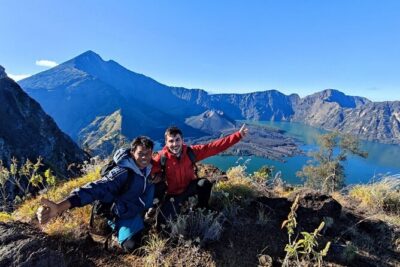 ★ 5.03D-2N Explore Mount Rinjani – Summit -Lake and HotspringFrom $235112 reviews
 ★ 5.0Lombok Pink Beach Boat Trip (Full Day + Snorkeling)From $88104 reviews
 ★ 5.0Rinjani trekking 2D 1N RIMFrom $20594 reviews
 ★ 5.03D/2N Rinjani trekking summit,lake and hot springs.From $25085 reviews
Browse the lists this tour appears in