
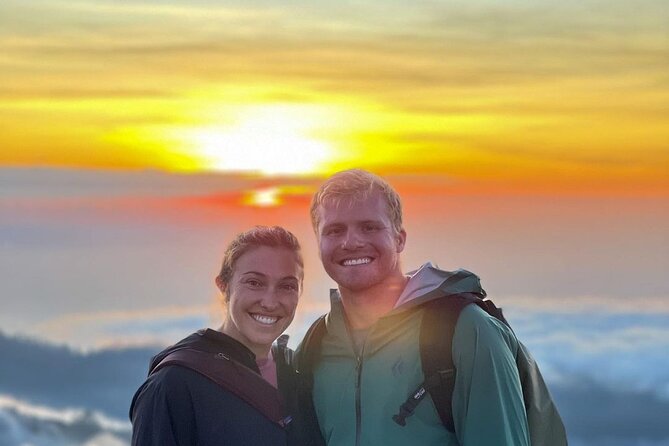
REVIEW · LOMBOK AND MOUNT RINJANI ADVENTURES
One Day Trek Mount Rinjani
Senaru to the Rinjani crater rim in one day is no joke. What makes this trek interesting is the tight schedule, the crater rim payoff, and the fact that you get an organized push up and back with an English-speaking guide and built-in meals.
I like the way the day is structured around real hiking time, not vague promises, and I also like that the company includes headlamps plus breakfast while you’re still on the mountain.
One possible drawback: it is designed for fit, experienced trekkers, and the pace is intense. If you are not used to steep climbs, you will feel it fast.
Key things to know before you go
- Fast timing: You leave Senaru area early and aim to reach the Senaru crater rim around 1:00 pm, then descend and wrap up by the evening.
- English-speaking guide plus support: You’ll hike with an experienced guide who manages the pace and meals on the go.
- Headlamps are included: Even with a morning start, the trail can involve dark early hours, so you’re not scrambling for gear.
- Meals are part of the plan: Breakfast on the mountain and lunch prepared as you’re moving through the day.
- Extra cost for the park ticket: The Mount Rinjani ticket is not included and is listed as IDR 500,000 per person.
In This Review
- One Day Trek Mount Rinjani Senaru Crater Rim, a Hard Day With Clear Payoff
- Your Day at a Glance: 7:00 am Pickup to 7:00 pm Finish
- The Climb From Senaru: Expect Real Elevation Work
- Headlamps, Breakfast, and Why Early Energy Matters
- Reaching the Senaru Crater Rim: The Moment You Trained For
- Lunch at 1:20 pm: Fast Recovery Before Descent
- Descending Back to Senaru: Where Fitness Shows
- Guide Quality at Jou Trekking: The Names That Keep Coming Up
- Price and Value: The Package Cost vs the Park Ticket
- What to Bring (So You Don’t Turn the Day Into a Slog)
- Weather, Cloud Cover, and the One-Day Timing Reality
- Who This Trek Fits Best, and Who Should Skip It
- Quick Practical Advice Before You Book
- Should You Book the One Day Trek Mount Rinjani From Senaru?
- FAQ
- What time does the one-day trek start?
- How long is the trek?
- Where do I meet Jou Trekking for this trek?
- Is the Mount Rinjani entrance ticket included in the price?
- What is included in the trek?
- What should my fitness level be?
- What happens if weather is poor?
One Day Trek Mount Rinjani Senaru Crater Rim, a Hard Day With Clear Payoff
This is a classic case of a short trip with big effort. One Day Trek Mount Rinjani Senaru Crater Rim is built for people who have limited time in Lombok but still want the dramatic volcano experience, not just a casual viewpoint stop.
The big idea is simple: you start in Senaru, climb hard to the crater rim, then come back down the same day. You get a long chunk of hiking in the morning and early afternoon, and you finish while it’s still light enough to feel like you actually have an end to the day, not just a long ordeal.
I also like the practical mindset behind the setup. It’s not trying to be gentle or slow. It’s trying to be efficient, guided, and safe enough for people who already know how to hike.
More walking routes, short and long
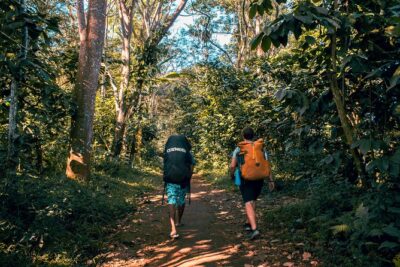
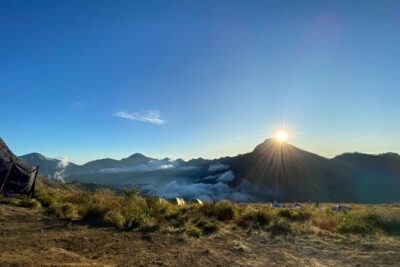
Your Day at a Glance: 7:00 am Pickup to 7:00 pm Finish
The schedule is the backbone of the whole experience. It tells you what you are really signing up for: a full-day trek that runs from the early Senaru morning into dinner time.
Here’s what the day typically looks like:
- 07:00 AM: Hotel pickup in the Senaru area
- 07:20 AM: Arrival at the Rinjani starting point
- 01:00 PM: Arrival at Senaru Crater Rim (viewpoint timing)
- 01:20 PM: Lunch preparation by the guide
- 01:40 PM: Descend back toward Senaru Village
- 07:00 PM: Dinner, and the trek program ends
That “reach the rim by 1:00 pm” piece matters. It means the climb has to be steady, not leisurely. The upside is you do get time at the viewpoint without the whole day being only uphill, uphill, uphill.
Also, this is listed as a private tour/activity for your group, which is useful if you want a more controlled pace than what you get with open joining groups.
The Climb From Senaru: Expect Real Elevation Work
This trek earns its reputation for difficulty. It’s not framed as a beginner-friendly hike, and you should treat it like that from day one.
The program is specifically designed for experienced trekkers. You’re expected to be in strong physical shape and have some past mountain climb experience. If your routine is more couch than cycle, you might still do it, but you’ll likely pay for it in leg burn and willpower.
A few things that can make or break your day:
- Pacing: One-day treks punish ego. You need a sustainable rhythm from early on.
- Steep sections: The push to the crater rim is the hard part, and the later you start slowing, the harder it becomes to recover by descent time.
- Cold and darkness risk: Headlamps are included, and guides have used them for very early start timing in practice. Even if your pickup is in the morning, you can still hit dark sections, depending on your exact route and your group tempo.
From the way guides describe their work, the best outcome happens when you hike with a plan, not just enthusiasm.
Headlamps, Breakfast, and Why Early Energy Matters
One thing I like about the inclusions is that they address the fuel and the timing problem. This is not “bring your own snack and good luck.”
You get:
- Drinking water on the trek
- Headlamps
- Breakfast on the mountain
Food timing matters because this trek compresses the day. You are out early, climbing steadily, and then you still need enough energy to keep moving after you reach the rim. Breakfast on the mountain helps you avoid the all-too-common trap of under-eating early, then paying for it later with shaky legs.
Headlamps are also more than a nice-to-have. If you hit pre-dawn or dark portions, they help you keep footing and reduce the risk of tripping over uneven ground. That’s not a glamorous detail, but it’s the difference between a tense climb and a confident one.
Reaching the Senaru Crater Rim: The Moment You Trained For
The main reward is the view from the Senaru crater rim. The schedule places you there around 01:00 PM, with enough time to settle, look around, and take in the volcano scenery that Rinjani is famous for.
What you should hope for is clear weather. When clouds thin out, the view can be the kind that makes the steep climb feel worth it. When visibility is poor, it can still be an unforgettable volcano experience, just with a more muted view. Either way, arriving at a planned time gives you a fighting chance to enjoy the viewpoint without racing immediately back down.
This is also where the group dynamic matters. You’ll likely want a short pause for photos and breath, but you don’t want to freeze in place. The rim is not the time to act like the hike is over. It’s the time to refuel mentally and physically before descent.
Other Lombok days, coast and volcano
- Day Trip Gili Trawangan, Gili Meno, Gili Air (Depart Lombok)★ 5.0 · 167 reviews
- Lombok Private Customize Tour★ 4.5 · 144 reviews
- 3D-2N Explore Mount Rinjani – Summit -Lake and Hotspring★ 5.0 · 112 reviews
- Lombok Pink Beach Boat Trip (Full Day + Snorkeling)★ 5.0 · 104 reviews
- Rinjani trekking 2D 1N RIM★ 5.0 · 94 reviews
Lunch at 1:20 pm: Fast Recovery Before Descent
At the crater rim, lunch is part of the plan. Around 01:20 PM, the guide prepares lunch, which then ties into your descent timing (you start heading down at 01:40 PM).
That timing is smart. You are not scrambling to find food mid-descent, and you’re not forced to skip meals just to stay ahead of the schedule. A guided, planned lunch also keeps the group moving in sync, which is important because descent can be hard on knees even when the route feels less steep than the climb.
If you tend to get cold on hikes, lunch time is when you should pay attention to your clothing. The day is long, and conditions can shift between morning and afternoon.
Descending Back to Senaru: Where Fitness Shows
The ascent is intense. The descent is still work.
Descending is where:
- Your knees and calves notice everything
- Your balance matters on uneven ground
- Your remaining energy gets tested
This trek has you walking down soon after lunch, and you’re back in the Senaru area by early evening, with dinner at the end of the day.
From the guide approach I’ve seen emphasized in similar Rinjani trips, the best results come from listening to instructions and adjusting your pace when you start to fatigue. If your group includes someone slower, it helps to know the guide can adapt the rhythm. In past trips, guides like Rudy and Nas have been praised for taking care of the group and adjusting when needed.
Guide Quality at Jou Trekking: The Names That Keep Coming Up
Guide quality is the difference between a stressful hike and a smooth one. In the accounts tied to Jou Trekking, a few names show up again and again.
- Rudi or Rudy: Praised for safety, cheerful attention, and carrying food and snacks.
- Nas: Highlighted for making the trekking feel smooth and organized.
- Lim: Praised for supporting and keeping people well-fed during crater rim treks.
- Meng: Known for excellent English and being knowledgeable about the area.
- Jou: The company owner, mentioned in connection with providing headlamps and trekking poles in at least one one-day climb context.
Even with the same overall plan, guides influence how you experience the day. The best guides don’t just point forward. They manage pacing, keep you fed, and keep the group together so you don’t waste energy on confusion.
Price and Value: The Package Cost vs the Park Ticket
You’ll see a price listed around $70 per person, and elsewhere the trek cost is mentioned as $100 per person. That inconsistency can happen with online listings and may depend on the exact booking setup. So treat the number you see at checkout as the one to trust.
Here’s what matters for value:
- The trek price includes a lot of the hard-to-arrange parts: English-speaking guide, headlamps, water, and meals (breakfast on the mountain, lunch at the office, plus dinner at the end of the program).
- The big extra expense is the Mount Rinjani entrance ticket, listed as IDR 500,000 per person, and it is not included.
If you’re budgeting, plan for both the tour package and the park ticket. When you compare the all-in day support, the real value is that you’re not left to manage gear, timing, or meal logistics while you’re hiking one of Indonesia’s most demanding volcano treks in a single day.
What to Bring (So You Don’t Turn the Day Into a Slog)
The listing includes specific gear like headlamps and drinking water, but you still need your own hiking basics. I’d treat this as a serious mountain day, not a casual outing.
You’ll likely want:
- Layers for changing conditions (morning to afternoon can feel different)
- Sturdy hiking shoes with grip for uneven ground
- A daypack for your personal items
- Rain protection (Rinjani conditions can change fast)
- Any personal snacks you know help you when your legs start complaining
Also, use the luggage storage available at the Jou Trekking office. That’s a helpful perk because it reduces what you’re carrying during the climb.
Weather, Cloud Cover, and the One-Day Timing Reality
This experience requires good weather. If poor weather cancels the trek, you’re offered a different date or a full refund. That’s important, because weather affects visibility at the rim.
But even on a “working day,” clouds can roll through. The practical takeaway is to manage expectations. You’re doing a one-day hike, which means you don’t have the cushion of multiple days to wait out conditions. You also don’t want to overplan your Lombok schedule around one single trek date unless you have buffer time.
If you’re going at peak season, weather can still be unpredictable. I recommend you treat this as a primary activity with at least one backup plan in mind for the day after.
Who This Trek Fits Best, and Who Should Skip It
This one-day Senaru crater rim trek fits best if you:
- Have strong fitness and are used to steep climbs
- Can handle long hiking hours without needing frequent pauses
- Want a volcano experience without committing to a multi-day format
- Like the idea of a private group experience with a guide-led pace
It’s not the best fit if you:
- Want a gentle hike or short walk with views
- Don’t have mountain climb experience
- Get discouraged by intense physical effort
- Need lots of time to stop, rest, and recover
If you’re unsure, the key question is whether you could repeat this day twice in a row and still feel okay. If the answer is no, consider a gentler itinerary or a longer trek option where your body gets more time to adapt.
Quick Practical Advice Before You Book
Here’s the decision checklist I’d use:
- You are comfortable with a steep, hard day.
- You can show up early and commit to the full schedule.
- You’re ready for the crater rim timing, with meals built into the plan.
- You understand the entrance ticket is separate at IDR 500,000 per person.
- You’re traveling with enough flexibility for weather changes.
Should You Book the One Day Trek Mount Rinjani From Senaru?
I think you should book this if your main goal is a real Rinjani experience in a limited time window, and you’re physically ready for a hard one-day climb. The included support, especially headlamps, guide-led meals, and luggage storage, makes the day feel organized rather than improvised.
Skip it if you’re not confident in your hiking fitness. The schedule is tight, and this program is designed for people with real mountain experience. In other words, this trek rewards preparation.
If you want, tell me your fitness level and how many days you have in Lombok. I can suggest whether this one-day plan makes sense, or whether a longer trek would feel safer and more enjoyable.
FAQ
What time does the one-day trek start?
Start time is 7:00 am, with hotel pickup in the Senaru area at 7:00 am.
How long is the trek?
It runs for about 1 day 12 hours (approx.), finishing around 7:00 pm with dinner and the end of the program.
Where do I meet Jou Trekking for this trek?
You meet at Jou Trekking Rinjani, Jl. Pariwisata, Senaru, Kec. Bayan, Kabupaten Lombok Utara, Nusa Tenggara Bar 83354, Indonesia.
Is the Mount Rinjani entrance ticket included in the price?
No. The entrance fee is IDR 500,000 per person and is not included.
What is included in the trek?
Included items are an experienced English speaking guide, drinking water on the trek, headlamps, breakfast on the mountain, lunch at our office, and luggage storage available at the Jou Trekking office.
What should my fitness level be?
The program is designed for experienced trekkers. You should have good physical fitness and have several mountain climbs experiences.
What happens if weather is poor?
The trek requires good weather. If it is canceled due to poor weather, you are offered a different date or a full refund.
Lombok, Coast and Volcano
Walking Routes Worth the Early Start
Fresh Lombok write-ups from the review desk

Lombok and Mount Rinjani Adventures, compared.
 ★ 5.0Gili Island Snorkeling Trip – Gili Trawangan, Gili Meno, & Gili Air, From LombokFrom $88330 reviews
 ★ 5.0Anggrek Putih Lombok Cooking ClassFrom $30253 reviews
 ★ 5.0Day Trip Gili Trawangan, Gili Meno, Gili Air (Depart Lombok)From $97167 reviews
 ★ 4.5Lombok Private Customize TourFrom $45144 reviews
 ★ 5.03D-2N Explore Mount Rinjani – Summit -Lake and HotspringFrom $235112 reviews
 ★ 5.0Lombok Pink Beach Boat Trip (Full Day + Snorkeling)From $88104 reviews
 ★ 5.0Rinjani trekking 2D 1N RIMFrom $20594 reviews
 ★ 4.5Rinjani Trekking 3D2N SummitFrom $24385 reviews
Browse the lists this tour appears in