
REVIEW · JAKARTA CITY TOURS
Queen of the East (Old Batavia) Walking Tour
Old Batavia walks fast, like a living museum. This Queen of the East tour strings together the key Dutch colonial and VOC-era pieces of Jakarta’s Kota Tua, with an English-speaking guide to connect the dots as you move. I especially like that entrance fees are included, so you spend less time figuring out tickets and more time looking closely at the buildings and ship-linked history.
Two big wins for me are the stop at Museum Bahari (the VOC spice warehouse) and the way the route links maritime trade to how Batavia was planned. One drawback to plan around: you cover about 4 to 4.5 km total, and there is at least one stretch that can feel a bit light on moments if you prefer nonstop sights.
In This Review
- Key highlights worth your time
- Why Old Batavia feels different on foot
- Price and what you really get for $67.66
- Museum Bahari, VOC spices, and Sunda Kelapa from above
- Finding the old city wall and the Batavia planning clues
- Crossing Kota Intan Drawbridge, nearly 400 years of function
- The Fatahillah Museum finale and its underground dungeon
- Walking comfort, weather, and photo timing in Jakarta
- Who should book, and who might want a tweak
- Should you book Queen of the East (Old Batavia) walking tour)?
- FAQ
- How long is the Queen of the East (Old Batavia) walking tour?
- Where does the tour start and end?
- What is included in the ticket price?
- Which days is the tour not available?
- What should I bring for the tour?
- How many people are in the group?
- Is the tour refundable if my plans change?
Key highlights worth your time
- Museum Bahari focus on VOC logistics, not just scenery
- Sunda Kelapa viewpoint that helps you picture the port-driven economy
- Kota Intan Drawbridge tied to centuries of Batavia life
- Old Batavia layout walk through colonial-era architecture and planning
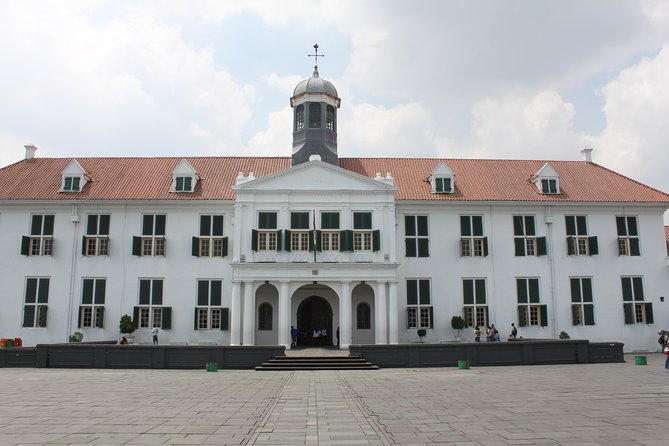
- Fatahillah Museum with underground dungeon for a stronger finale
- Private pacing for 1 to 15 people, with a guide speaking English
Other days out in the capital
Why Old Batavia feels different on foot
Old Batavia, now part of Jakarta’s Kota Tua area, is one of those places where the city plan matters as much as the individual buildings. When you walk, you feel the geometry of the colonial layout, the way roads and waterfront access shaped trade. You also get chances to spot details you would miss from a bus window.
This tour is built around that idea: you move from maritime trade territory into the colonial core. Along the way you pass elements tied to the VOC era, including warehouses and remnants of Batavia’s old fortifications. If you like history you can see, the walking format helps you connect story to brickwork.
The pace is also realistic. About 3 hours, plus a total walk around 4 to 4.5 km, is long enough to feel like a day’s worth of sightseeing without being a full marathon. You’ll still want comfortable shoes, because Jakarta stays warm and humid most of the year.
Price and what you really get for $67.66
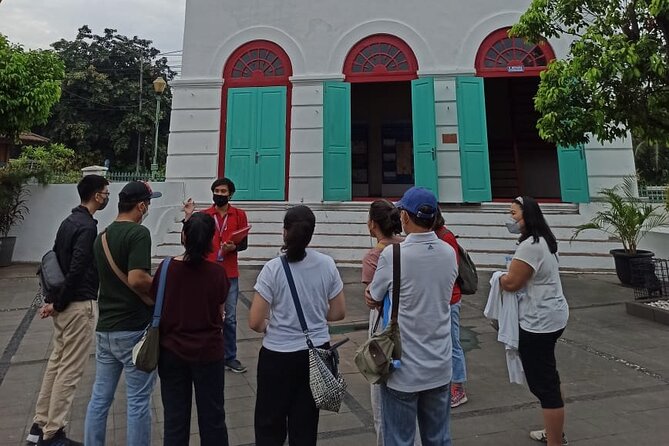
At $67.66 per person for a private tour, the value comes from how tightly the inclusions match what you would otherwise pay for separately. You get an English-speaking guide, mineral water, a pocket map, and a batik cloth fan. Most importantly, entrance fees are included for the museums and key stops you visit.
It’s also a flexible setup in the best way. The tour is private for just your group, with a minimum and maximum of 1 to 15 people. That usually means you can ask questions, pause for photos, and keep the route aligned with your pace.
What is not included is also clear. Meals, travel insurance, and guide tips are on you, and there is no hotel pickup and drop-off. If you’re the type who needs breakfast first and a shower after, this matters. You’ll likely want to plan your day so you can eat before and after the tour.
Museum Bahari, VOC spices, and Sunda Kelapa from above
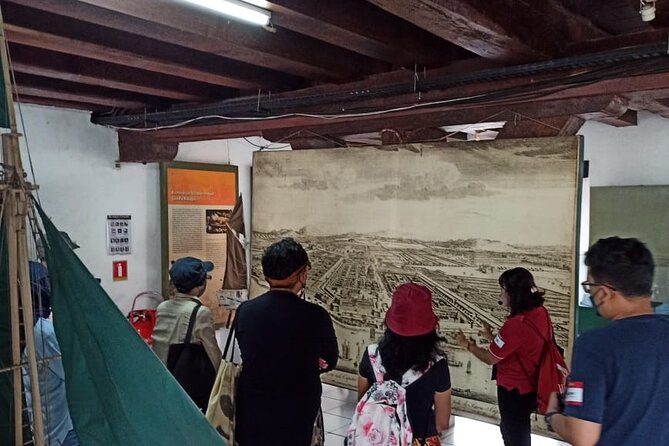
Your morning starts at Musium Oud Uitkijkpost Bahari, Nautical Museum on Jl. Pakin No. 2 in Penjaringan. From this base, you head into the Maritime Museum area and visit Museum Bahari, which is known as the VOC spices warehouse. This is not just a “look at old stuff” stop. It’s about how the VOC’s Asian operations depended on storing, moving, and controlling high-value goods.
Then comes a payoff for photo lovers and history nerds: you get an iconic panorama of Sunda Kelapa Harbour from an elevated viewpoint. When you can see the water and the port layout, the VOC story becomes more than a name. You start to understand why Batavia mattered so much during the Dutch Colonial era.
One practical note: this part is tied to the maritime side of the route, and it can set the tone for how you feel for the rest of the walk. If you want the day to be more architecture and bridge-focused, Museum Bahari might feel like an extra step. I’d treat it as essential only if VOC trade and port logistics genuinely interest you.
Finding the old city wall and the Batavia planning clues
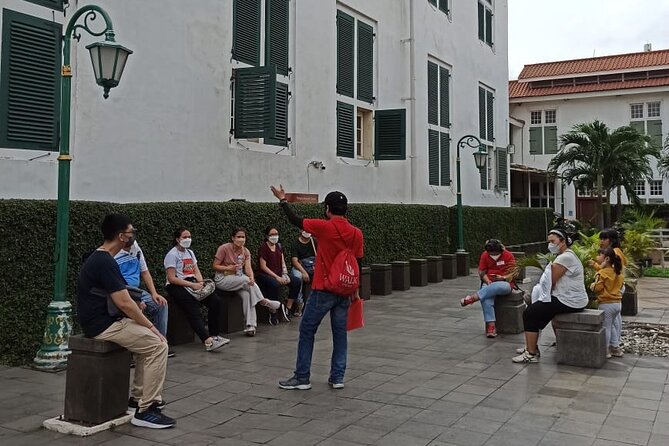
After the maritime start, you shift into the Old Town atmosphere. One of the stops is around the remaining of Batavia’s old city wall that still exists near the eastern warehouse area. This is a smaller moment, but it’s the kind that makes the bigger story real. You’re not just hearing that Batavia was fortified, you’re seeing remnants of where boundaries and movement mattered.
The route also passes through Dutch colonial urban planning and architectures from the 17th to 18th centuries. This is where the tour becomes more than a list of buildings. You begin to notice how spaces relate to each other, and how “where you are” changes what you can imagine about trade, governance, and everyday movement.
Along the way, you may see the Old Governor General’s mansion known as Toko Merah. If you’re the type who likes small visual cues, keep your eyes open for color and materials. These details help the colonial era feel less abstract as you walk from site to site.
This section is also where the route can feel a bit variable depending on what your guide emphasizes. If you crave constant big-ticket sights, you might want more explanation time here. If you enjoy absorbing atmosphere, this is where you’ll likely enjoy the slower beats.
- Jakarta Bogor Botanical Garden, Waterfall and Rice terrace, Lunch★ 5.0 · 157 reviews
- Jakarta Heritage of Old Batavia Private City Tour (Historical)★ 5.0 · 143 reviews
- Jakarta Half-Day Sightseeing Tour To Modern City and Old Town★ 5.0 · 137 reviews
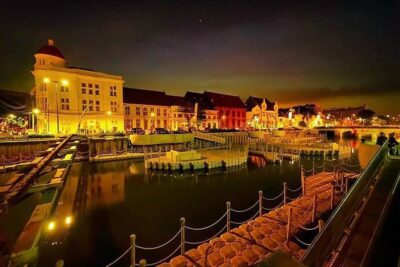
- Jakarta Night Tour : Enjoyable Night time in Jakarta (Hotel Pick-up)★ 5.0 · 117 reviews
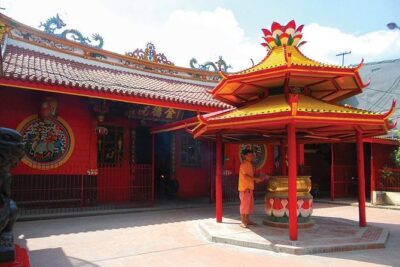
- Halfday Excursion Old city Batavia with Lunch and Souvenir★ 4.5 · 105 reviews
Crossing Kota Intan Drawbridge, nearly 400 years of function
Next is Kota Intan Bridge, a drawbridge that is nearly 400 years old. This is one of the most distinctive “you are here” moments in the tour because it’s a physical reminder that the port city had to manage movement. A drawbridge is built around function, not display, and that gives the site extra weight.
The tour frames it as a key crossing associated with Batavia logistics. Even if you don’t know the VOC details yet, the bridge helps you picture how ships and goods connected to the city. It’s also a great place to slow down for photos, because you can usually capture the bridge structure in a way that makes the age feel tangible.
Admission is included for this stop, so you’re not juggling paperwork in the middle of sightseeing. It’s short, about 15 minutes on the schedule, which is just right for a bridge stop. You get time to look and take pictures without losing the momentum of the day.
If you’re traveling with someone who loves bridges, waterways, and old engineering, this will likely be the moment they remember most. For you, it’s also a turning point that links the earlier port story to the colonial urban core you’ll see next.
The Fatahillah Museum finale and its underground dungeon
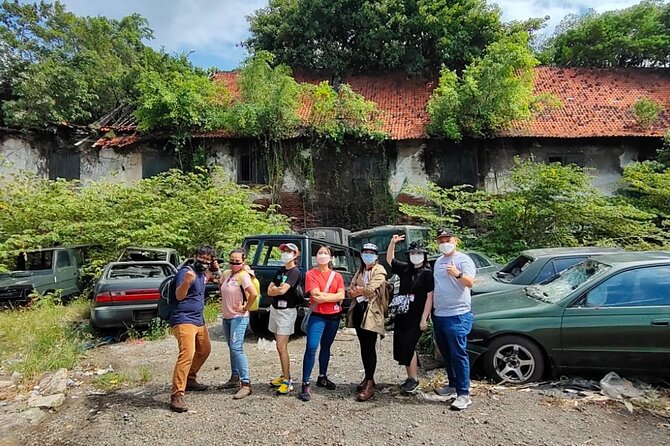
The last major stop is Jakarta History Museum, also known as Fatahillah Museum, at Taman Fatahillah No. 1 in Pinangsia. Expect a grand building and a collection of antiques from the 17th to 19th centuries. This is where the day’s scattered pieces start to feel organized, because you get artifacts and period context in one place.
You also visit an underground dungeon. That adds contrast to the softer parts of the route, because it brings home the darker side of colonial power systems. You’ll likely find this portion especially memorable if you enjoy how history is told through spaces, not just objects.
The scheduled time here is about 40 minutes. That’s enough to see the highlights without turning the tour into an all-day museum marathon. Since entrance fees are included, you also avoid the common headache of trying to budget entry costs mid-route.
When the tour ends, you’ll be right where you can keep exploring the Kota Tua area on your own. It’s a practical finish, not a random drop-off.
Walking comfort, weather, and photo timing in Jakarta
Jakarta’s weather is warm and humid most of the year, and this tour is outdoors for a good chunk of the day. The tour itself notes that it can run in sunny or rainy conditions, so plan like that. Bring comfortable clothes and shoes, and pack an umbrella if rain is possible, especially October through April.
Length matters here. With around 4 to 4.5 km of walking, your legs will notice it. I’d aim to wear shoes that handle uneven surfaces, because Kota Tua streets and crossings can be inconsistent.
For photos, start by using the first half of the tour to capture the “big picture” port and architecture scenes. The Sunda Kelapa viewpoint and the bridge area are natural photo magnets. Save some energy for the museum exterior and then inside, where lighting can be tricky.
One more practical tip: the schedule is about 3 hours total. If you want a more relaxed day, arrive on time at the meeting point so you don’t lose momentum. The route is built to flow, and Jakarta traffic and weather can eat time fast.
Who should book, and who might want a tweak
This tour is best if you like Dutch colonial architecture, VOC-era trade, and “history you can walk through.” You’ll probably enjoy it most if you’re curious about how Batavia, now Jakarta, grew because of maritime logistics and governance. The English-speaking guide makes that connection easier, especially if you don’t already have a mental timeline.
It’s also a strong choice for solo travelers who want a private format. Minimum and maximum of 1 to 15 means the tour can stay manageable, and a private setup usually keeps questions and pace more personal.
If you want the tightest hit of iconic sights only, think carefully about Museum Bahari. One downside signal is that the maritime museum stop could feel less urgent than other stops, depending on your interests. If you tend to prefer bridge and old wall moments, you might ask your guide how they plan to pace that section so you get value from it.
If you dislike walking, this one may test your tolerance. The distance is not extreme, but it is enough that you’ll want to plan breaks. One improvement idea that makes sense is using a short ride for the less story-heavy stretch, if you find yourself feeling rushed.
Should you book Queen of the East (Old Batavia) walking tour)?
Yes, book it if you want a well-structured Old Batavia walk with entrance fees included, a guide who can connect port life to Dutch colonial decisions, and a finale at Fatahillah Museum with that underground dungeon. The price feels more reasonable when you count museum admissions and the private guide format, and the batik fan plus pocket map are small touches that actually help during the day.
Skip it or at least adjust expectations if you’re mainly chasing only the most famous exterior sights and you dislike museums. Museum Bahari can be a deciding factor, so go in ready to learn about VOC logistics and spice warehousing. Also, plan for humidity and walking distance, because this is a real 4 to 4.5 km day.
If you’re visiting Kota Tua and want one organized way to see the arc from Sunda Kelapa to colonial Jakarta, this tour fits that job nicely.
FAQ
How long is the Queen of the East (Old Batavia) walking tour?
It runs for about 3 hours, and the total walking distance is around 4 to 4.5 km.
Where does the tour start and end?
The start is Musium Oud Uitkijkpost Bahari, Nautical Museum on Jl. Pakin No. 2 in Penjaringan. The tour ends at Jakarta History Museum, also called Fatahillah Museum, at Taman Fatahillah No. 1 in Pinangsia.
What is included in the ticket price?
An English-speaking guide, mineral water, pocket map, private tour, entrance fees, and a batik cloth fan are included.
Which days is the tour not available?
There is no tour on Monday because the museums are closed.
What should I bring for the tour?
Wear comfortable clothes and shoes, and bring an umbrella in case it rains, especially from October to April.
How many people are in the group?
The tour supports 1 to 15 people, and it is a private tour for your group.
Is the tour refundable if my plans change?
No. The experience is non-refundable and cannot be changed for any reason.
Days Out in Jakarta
Fresh Jakarta write-ups from the review desk



Jakarta City Tours, compared.
 ★ 4.9Volcano, Tea/Rice Fields, Hot Spring, Local FoodFrom $114515 reviews
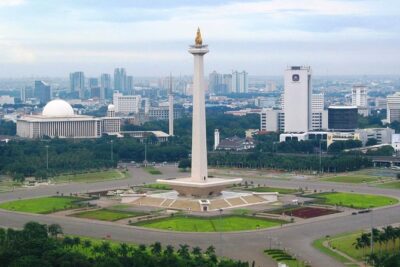 ★ 5.0Private Full-Day Guided Tour: Explore Jakarta’s Top HighlightsFrom $65338 reviews
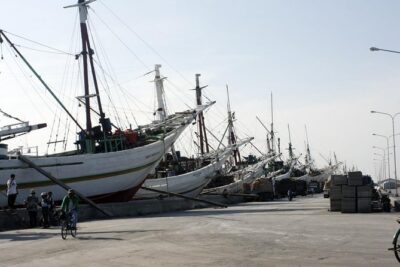 ★ 5.0Jakarta Half-Day Guided Tour with a Private Fun Local HostFrom $55292 reviews
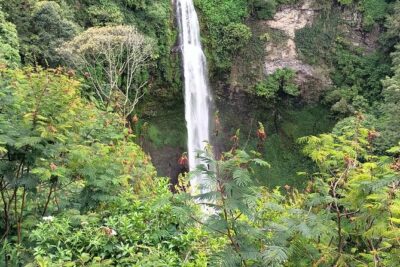 ★ 5.0Jakarta Bogor Botanical Garden, Waterfall and Rice terrace, LunchFrom $95157 reviews
 ★ 5.0Jakarta Heritage of Old Batavia Private City Tour (Historical)From $65143 reviews
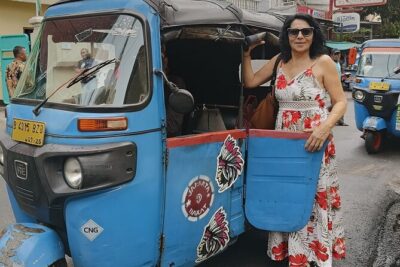 ★ 5.0Jakarta Half-Day Sightseeing Tour To Modern City and Old TownFrom $55137 reviews
 ★ 5.0Jakarta Night Tour : Enjoyable Night time in Jakarta (Hotel Pick-up)From $55117 reviews
 ★ 4.5Halfday Excursion Old city Batavia with Lunch and SouvenirFrom $70105 reviews
Browse the lists this tour appears in