
REVIEW · YOGYAKARTA CITY AND CULTURE TOURS
Ramayana Ballet Performance – Purawisata Jogjakarta
A giant myth told with bodies, not words. The Ramayana Ballet at Purawisata is a full-night story show in dance and Javanese gending, with the whole plot carried through movement. I love the way the performance shifts mood with the music, and I also love the costumes and stage energy as the action escalates. One thing to consider, the included dinner is not the main event, and you’ll want realistic expectations for buffet-style food.
This is a smart Yogyakarta evening choice if you want something more local than a standard dance demo. It runs about 3 hours, starts at 7:00 pm, and it’s approachable for most people since there’s no dialogue to follow. My best advice: double-check meal timing versus show timing, and arrive with breathing room so you do not feel rushed before the lights go down.
In This Review
- Key things to notice before you go
- The Ramayana plot, told through motion and music
- Your 7:00 pm evening flow, with dinner built in
- Purawisata’s stagecraft: acts, lighting, and growing action
- The music: Java gending and sinden clues
- Rahwana, Hanoman, and the build toward Anoman Obong
- Dinner at Gazebo Garden Restaurant, Etnik Cafe: what to expect
- Photo time and the chance to enjoy the cast up close
- Price and value in Yogyakarta, especially for a 3-hour show
- Who this show fits best (and who may want to skip it)
- Should you book Ramayana Ballet at Purawisata Jogja?
- FAQ
- What time does the Ramayana Ballet performance start?
- How long is the Ramayana Ballet performance?
- Is dinner included?
- Where is dinner served?
- Is the entrance ticket included?
- Do I get pickup or dropoff transport?
- When will I receive confirmation after booking?
- Can most travelers participate in this experience?
- Is full cancellation possible?
Key things to notice before you go
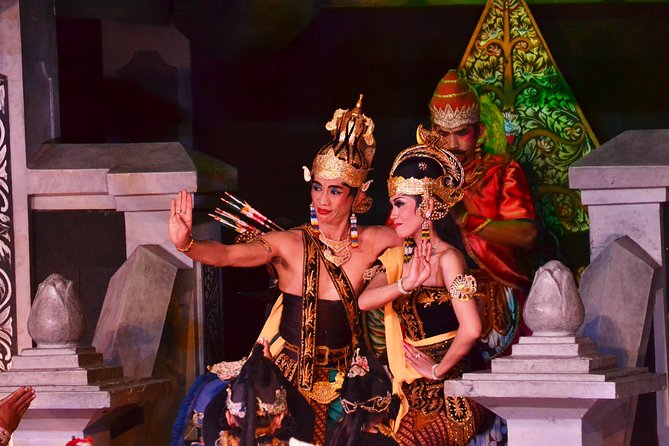
- No dialogue story telling: The plot moves through choreography, gestures, and blocking, not spoken lines.
- Music cues that steer the drama: Javanese gending gets more lively during key battle scenes.
- War makes the stage crowded: When the fighting starts, you can feel the scale jump.
- The Anoman Obong fire moment: Plan to focus here, it is the high-charge peak.
- Photo time with the cast: After the show, you can take pictures with the performers on stage.
- Dinner is included, but it is secondary: Expect dinner to support the evening, not steal the show.
Other performances and where they are staged

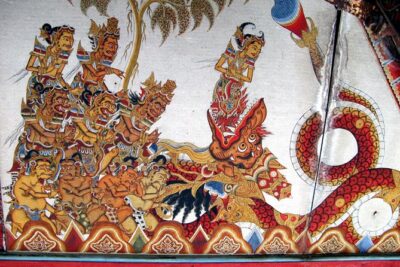
The Ramayana plot, told through motion and music
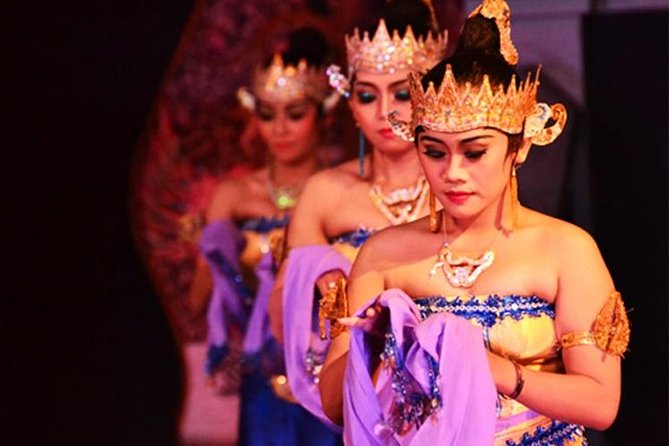
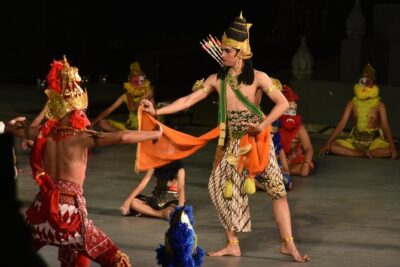
At Purawisata, the Ramayana story is presented in acts, and the main trick is simple: you watch the epic unfold without dialogue. That sounds intimidating for a myth you might only know in pieces, but the structure is built for you. Characters are easy to track because the choreography leans on clear silhouettes, expressive body language, and stage positioning.
The soundtrack does a lot of work. You’ll hear Java gending softly through gentler scenes, then it becomes more urgent and energetic when the story hits the bigger action beats. This is where you’ll notice that the production is not just “dancers moving to music.” The music is basically a control panel for your emotions, telling you when to lean in and when the mood changes.
Occasionally, a sinden (a female vocalist in the Javanese tradition) hums Javanese songs, adding a human thread to the orchestra. It’s a detail that makes the evening feel more alive and less like a staged music track. If you like performances where sound is a main character, you’ll get it right away.
One more thing I like about this style: even if you do not know every name in the Ramayana, you still understand what is happening. The show is designed so you can follow the story through intent. Love, conflict, loyalty, the swing from tension to battle, it all lands through movement.
Your 7:00 pm evening flow, with dinner built in
This runs in the evening, starting at 7:00 pm, and you’re looking at roughly 3 hours total. The included dinner is part of your plan, but it also means your pacing matters. You cannot treat the show like a casual drop-in, because dinner happens before the main stage sequence settles in.
Dinner is at Gazebo Garden Restaurant, Etnik Cafe, and it is included with your ticket. That sounds straightforward, but here is the practical part: you’ll want to know where dinner is, and you’ll want to know when you should show up for it. I’m saying this because some people get disappointed when timing is unclear and they feel rushed at the wrong moment.
So, treat this like a real reservation. Get there early enough to find your place, eat without stress, and still have time to get seated comfortably for the performance. If your confirmation email or your booking message includes a specific meeting point or instructions, read them twice. If anything looks vague, ask before you go.
Once you’re seated for the show, you can relax into the rhythm. The production does not need you to follow subtitles. It needs your attention, plain and simple. If you give it that, the no-dialogue format becomes a fun challenge rather than a barrier.
Purawisata’s stagecraft: acts, lighting, and growing action
The Ramayana Ballet at Purawisata is built in acts, and you can see the designers thinking about how people watch in real time. Early on, the stage feels more spaced out, with cleaner lines and more room for dancers to show character through gestures. Lighting and movement patterns help you register who is who.
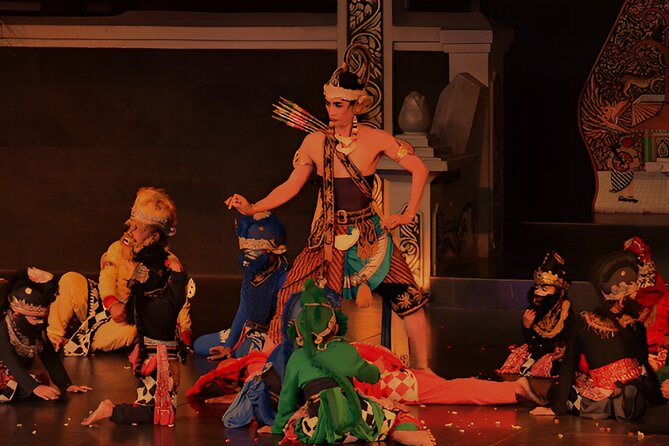
As the story shifts into Rahwana and Hanoman moments, the energy changes. You’ll notice the music becomes livelier, and the staging responds. When the monkey army appears, the number of bodies on stage increases your sense of scale. It stops being “a ballet” and starts being “a myth unfolding in front of you.”
Then the war begins, and the stage becomes more crowded. This is one of those production choices that pays off even if you are far from the front. A larger stage picture helps you understand the stakes. You can feel the battle’s momentum in the choreography, and you can also see it in the way the performers move as a group.
The lighting and stage transitions matter too. Scene changes are not random. They’re timed with the music and choreography so your eyes know when to reset. It is the kind of craft that rewards you for staying patient during transitions.
If you want the best experience, do two things: sit where you can see the whole stage, and keep your focus during the scene changes. The show is telling you something even when nothing dramatic seems to happen for ten seconds.
The music: Java gending and sinden clues
A big reason this show works is that Java gending and the sinden are doing narrative work. In gentler parts, the sound is softer and more flowing, which supports slower dance language. When the story gears toward conflict, the rhythm tightens and the music becomes more lively.
That means you can use the orchestra like an extra guide. When the gending shifts, pay attention to what changes on stage. Who steps forward? Who retreats? When the monkey army energy builds, the choreography usually grows bigger too.
And when the sinden hums Javanese songs, it gives the story a more lyrical texture. Even if you do not catch every word, you feel the tone. It helps the show feel rooted in Javanese performance traditions rather than generic background music.
If you’ve never been to a gamelan-style performance, consider this a friendly on-ramp. It’s structured, theatrical, and the music cues are clear enough that you can enjoy it without needing to study theory first.
Still in Yogyakarta? Keep going
- Yogyakarta: Borobudur Top Access & Prambanan Temple Private Tour★ 5.0 · 390 reviews
- Small-Group Walking and Food Tour by Night in Yogyakarta★ 5.0 · 313 reviews
- Yogyakarta: Borobudur Climb-up & Prambanan Day Trip All Inclusive★ 5.0 · 226 reviews
- Yogyakarta: Borobudur (climb), Prambanan & Other Visit By Request★ 5.0 · 211 reviews
- Yogyakarta Car Rental with Driver for Daily and Multi-Day Tours★ 5.0 · 169 reviews
Rahwana, Hanoman, and the build toward Anoman Obong
There’s a clear momentum arc in the production. The show moves from mythic character moments into action sequences, and the biggest emotional peak comes near the fire moment.
When the story shifts into Rahwana and Hanoman scenes, you’ll feel the performance push toward confrontation. The dances become more intense. The stage picture grows more populated. The music reflects this push, turning more energetic as the plot escalates.
Then comes the moment that tends to grab people’s attention: Anoman Obong. From everything described in the show’s flow, this is the segment where the performance becomes especially compelling. The stage action, the crowding, and the dramatic staging around fire all combine to make this the part you should stay fully locked onto.
My tip: plan for this as your “watch closely now” moment. Put your phone away when the action starts, or at least be ready to pause recording so you can actually see. Fire and movement can be hard to capture well on a screen, but your eyes will catch the emotion and choreography fast.
If you’re debating whether to book this evening show, this peak moment is one of the strongest reasons to do it. It’s the kind of sequence where you feel the production’s confidence in its own style.
Dinner at Gazebo Garden Restaurant, Etnik Cafe: what to expect
Dinner is included, and that helps the value a lot. But it helps only if you calibrate your expectations.
Dinner is served at Gazebo Garden Restaurant, Etnik Cafe, and it is described as more buffet-style in at least some parts of the experience. Some people found the food less appealing because it felt adapted for Western tastes rather than purely traditional. That does not mean it will be bad for everyone. It means you should go in thinking of dinner as fuel, not as a cultural highlight.
Also, buffet setups can feel a bit hectic, especially when a lot of people arrive at similar times. If you’re the type who hates lines, arrive early for dinner and eat at a calmer pace before the dining area fills up.
What I’d do: eat enough to stay comfortable through a three-hour performance, then leave the rest for post-show snacks if you want more variety. If you’re hungry after dinner, consider bringing a small water bottle or a simple snack you can finish before the show seating begins. (Check venue rules if you do this, since policies can vary.)
The big win here is that you don’t have to plan dinner logistics on top of the show. Even if the meal is average, you’re saving time and hassle.
Photo time and the chance to enjoy the cast up close
One of the perks you should plan for is that after the performance, you can take pictures with the players on stage. That changes the tone of your evening. Instead of leaving straight into the night, you get a closer, more personal finish.
If you want good photos, give yourself a buffer after the final scene so you can position yourself. Keep your camera ready, and try not to block people who are trying to see the stage too.
This is also where the show becomes more memorable. You get to translate what you saw into a final visual memory, and you can see the performers as real people rather than distant characters.
Price and value in Yogyakarta, especially for a 3-hour show
The price is $23 per person, and for an evening that includes dinner and the entrance ticket, that’s decent value for Yogyakarta. The key question is what you’re paying for: a straightforward dance show, or a full story performance with staging, costumes, music, and a three-hour run.
Here, you’re getting more than a short cultural presentation. The Ramayana story is presented through multiple acts, and the production uses music shifts, stage crowding, and dramatic peaks like Anoman Obong. That kind of theatrical build usually costs more elsewhere.
So, I think $23 makes sense if you enjoy performance art and want an experience that feels specifically Javanese. If you mainly want casual sightseeing or you’re only in town for a quick taste of something, you might decide to spend your money on a different kind of evening. But if you want a ticketed performance where the story is the point, this price feels fair.
Also consider timing value. You’re saving the hassle of planning dinner separately and finding a place near a show venue. That matters in real travel life.
Who this show fits best (and who may want to skip it)
This is ideal for you if:
- You enjoy theater and dance and do not need dialogue to enjoy a story.
- You like music-driven performances, especially when the soundtrack actually signals plot changes.
- You want an evening in Yogyakarta that feels structured and memorable, not random.
It may be less ideal if:
- You mainly care about food quality. Dinner is included, but it is not the centerpiece.
- You hate buffet-style meals or you get stressed by crowds.
The good news is that the show format is accessible. There are no spoken lines for you to miss, and most people can participate comfortably. So even if this is your first big dance performance in Java, you’re not starting from zero.
Should you book Ramayana Ballet at Purawisata Jogja?
I’d book it if you want a real story performance with costumes, staging, and Javanese music cues, and you’re happy to treat dinner as the supporting act.
Be smart about the only major risk: timing clarity. Since the evening includes dinner and a scheduled show, confirm where to go and when to arrive for dinner versus show seating. Give yourself extra buffer time so you can enjoy the show instead of worrying about the schedule.
If you’re deciding between this and another evening activity, think about what you’d remember in a month. This is the kind of show where your brain holds images, movement, and sound. The fire segment and the escalating battle staging are the moments that tend to stick.
FAQ
What time does the Ramayana Ballet performance start?
The start time is 7:00 pm.
How long is the Ramayana Ballet performance?
It lasts about 3 hours.
Is dinner included?
Yes. Dinner is included.
Where is dinner served?
Dinner is at Gazebo Garden Restaurant, Etnik Cafe.
Is the entrance ticket included?
Yes. The entrance ticket is included.
Do I get pickup or dropoff transport?
No. Pickup and dropoff transport are not included.
When will I receive confirmation after booking?
Confirmation is received within 48 hours of booking, subject to availability.
Can most travelers participate in this experience?
Yes, most travelers can participate.
Is full cancellation possible?
Free cancellation is available. You can cancel up to 24 hours in advance for a full refund. If you cancel less than 24 hours before the start time, the amount paid is not refunded.
Still in Yogyakarta
Kecak, Legong and Barong Performances

Fresh Yogyakarta write-ups from the review desk




Yogyakarta City and Culture Tours, compared.
 ★ 5.0Menoreh Village CyclingFrom $22611 reviews
 ★ 5.0Borobudur Top Access & Prambanan Temple Private TourFrom $73390 reviews
 ★ 5.0Small-Group Walking and Food Tour by Night in YogyakartaFrom $36313 reviews
 ★ 5.0Authentic Yogya Bicycle TourFrom $22232 reviews
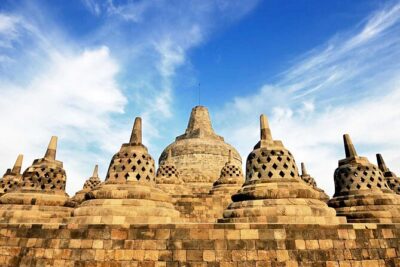 ★ 5.0Borobudur Climb-up & Prambanan Day Trip All InclusiveFrom $60226 reviews
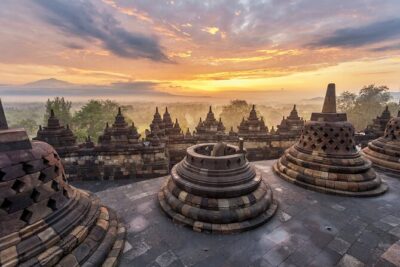 ★ 5.0Borobudur (climb), Prambanan & Other Visit By RequestFrom $120211 reviews
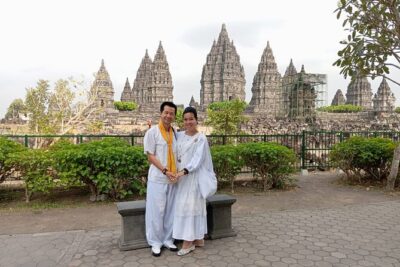 ★ 5.0Yogyakarta Car Rental with Driver for Daily and Multi-Day ToursFrom $46169 reviews
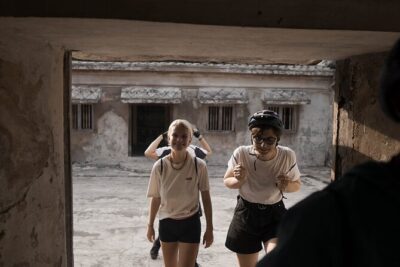 ★ 5.0Jogja Hidden Gems – Cycling TourFrom $45158 reviews
Browse the lists this tour appears in