
REVIEW · LOMBOK AND MOUNT RINJANI ADVENTURES
Rinjani trekking 2 days 1 night
Rinjani hits hard, then pays you back. This 2 days 1 night trek from Senaru focuses on one big goal: camp at the Senaru Crater Rim and watch the volcano show at sunset and sunrise. You get a structured hike with breaks, meals, and porters, plus nonstop scenery as the trail climbs from forest to grassland.
Two things I really like about this experience are the small group size (maximum six people) and how much is handled for you, especially with professional porters carrying your food and trekking equipment. One drawback to keep in mind: it is described as tough, and you still need to bring your own key extras like a head lamp and walking stick (not included), plus you must budget for the national park entrance fee.
In This Review
- Key Things You’ll Notice on This Rinjani Trek
- Senaru to the Crater Rim: Why This 2 Days, 1 Night Plan Works
- Small Group, Guides, Porters, and Included Food
- Day 1: Senaru Registration, Forest Steps, Pos 1 to Pos 3, Then Rim Camping
- Day 2 Sunrise, Return Trek, Lunch at Pos 2, Back by 1 pm
- Price and Value: What $190 Covers, Plus What You Should Budget
- What To Pack for a Crater Rim Camp Night
- The Big Views: Bali, the Gili Islands, Segara Anak, and Gunung Baru Jari
- Who This Trek Fits Best (and Who Might Want a Different Option)
- Should You Book This Rinjani 2D1N Trek?
Key Things You’ll Notice on This Rinjani Trek
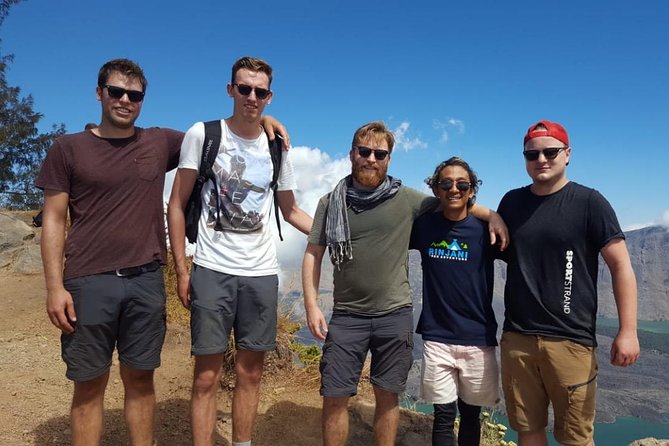
- Max 6 travelers, so the pace and attention feel more personal.
- Porters carry the heavy stuff, including food and trekking equipment, so you focus on the climb.
- Meals are included (breakfast, lunch, dinner) during the trek, which matters on a steep schedule.
- Crater rim camping at 2,641 m for both sunset views and a sunrise morning.
- Clear route checkpoints with stops at Pos 1, Pos 2, and Pos 3 to break up the effort.
- National park registration in Senaru before the hike starts, which keeps everything official.
More walking routes, short and long
Senaru to the Crater Rim: Why This 2 Days, 1 Night Plan Works
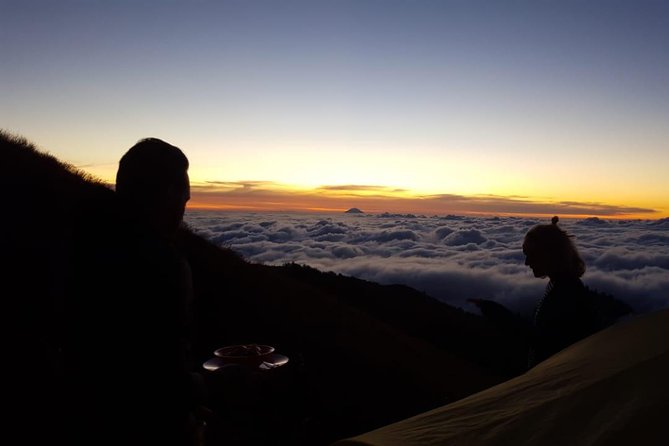
This trek is built around altitude and timing, not just distance. You start in Senaru (601 m), climb through tropical forest, then steadily move into grassland as the trail steepens. That change in scenery is more than pretty, it helps you understand what the volcano is doing to the air and the ground. Higher up, you feel it: less shade, more exposure, and a trail that asks for steady steps.
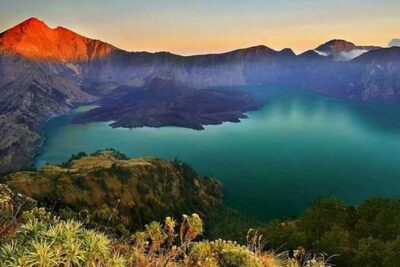
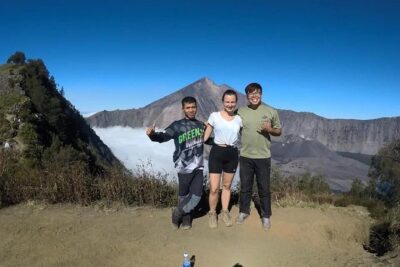
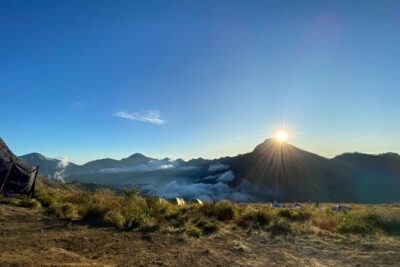
The overnight part is the real prize. You camp at the Senaru Crater Rim (2,641 m). That elevation sets you up for two photo moments that hikers chase on Rinjani: sunset over the crater area and sunrise the next morning. The tour specifically frames the rim as your vantage point for the crater views, including Segara Anak Lake and the small volcanic cone Gunung Baru Jari inside the crater.
Also, the structure is straightforward. You register at the Rinjani National Park office in Senaru before starting, then you move in stages with planned breaks at Pos 1, Pos 2, and Pos 3. This is one of those treks where a good pacing plan can make the difference between feeling like a grind and feeling like you’re in control.
Practical tip: this is listed for travelers with moderate physical fitness. That does not mean easy, it means you should be comfortable hiking for sustained periods and handling steep slopes with breaks.
Small Group, Guides, Porters, and Included Food
The vibe here is controlled and calm. Maximum six travelers is a big deal on Rinjani because space and attention matter when the trail gets narrow or steep. You get a guided hike with a local guide and a professional porter team. Porters carry your food and trekking equipment, which reduces the weight you’re hauling uphill.
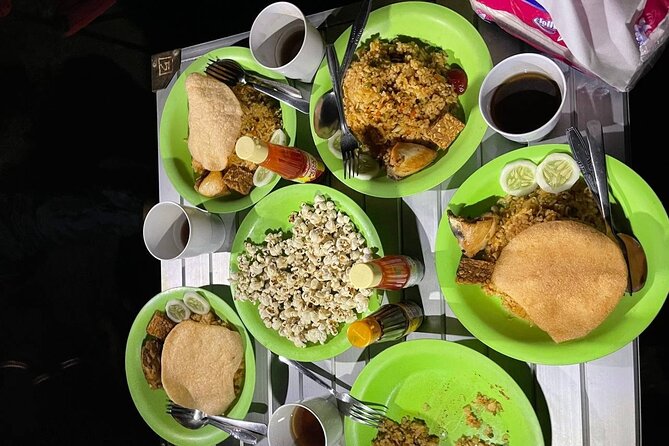
The food plan is also very relevant. You’re not just buying snacks at a trail stall. You have breakfast, lunch, and dinner included during the trek, plus water. On an overnight volcano hike, that consistency is a comfort. It also helps your energy management. When you hike on a schedule with meals built in, you can avoid the all-too-common mistake of under-eating early and then paying for it on the climb.
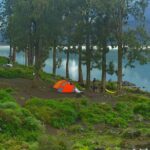
The included sleeping setup is another real value piece. Your package lists a tent, sleeping bag, and 4 cm mattress, plus a toilet tent at camp. Even if you’re used to camping, you should expect a basic setup. The 4 cm mattress tells you it’s not a plush mattress. Bring a warm layer for night because crater rim evenings can feel cold quickly.
One more detail worth knowing: there is an office option labeled as language support, so if you need help communicating, it’s at least a stated service point rather than a guess. And the meeting point and start time are clear: you start at 7:00 am from Rinjani Trek Adventure | Mt Rinjani Tour Company, Jl. Pariwisata, dusun magling, Senaru, Kec. Bayan, Kabupaten Lombok Utara, Nusa Tenggara Bar. 83354, Indonesia.
Day 1: Senaru Registration, Forest Steps, Pos 1 to Pos 3, Then Rim Camping
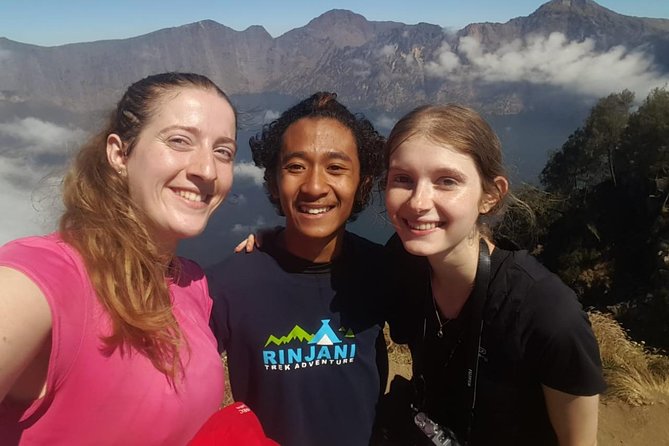
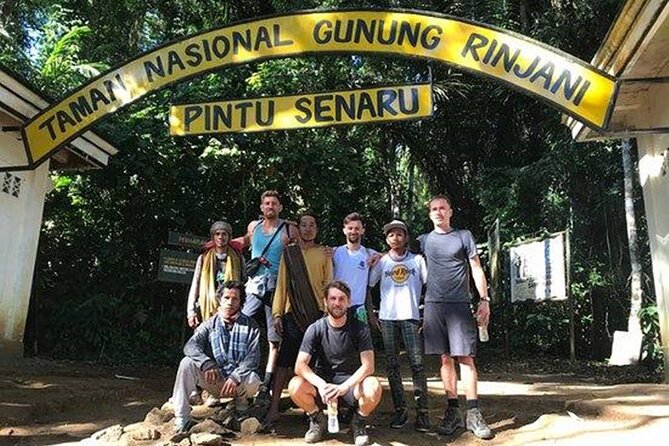
Day 1 starts with an easy rhythm, then turns into vertical work. You meet at your accommodation for a briefing about the trekking procedure, then you have early breakfast at the hotel before registering at the Rinjani National Park office in Senaru (601 m). That registration step matters. It means the hike is run as a managed activity, not a random self-guided outing.
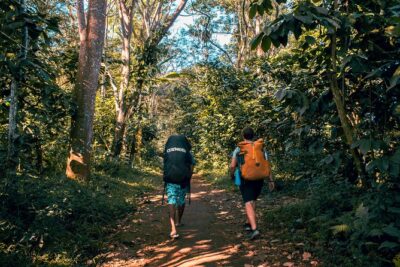
From there, you begin in dense tropical forest. This early stretch is important because it gives you shade and cover while your body warms up. You’ll stop at Pos 1 and Pos 2 for rest breaks and snacks. Those snack stops are not just for convenience, they’re a pressure release. On steep climbs, small breaks can keep your pace steady and reduce the chance you burn out too early.
At Pos 3 (2,000 m) you stop for a longer break for lunch. This is a smart design choice. You reach a meaningful elevation band, eat properly, then continue upward when you’re ready for the steeper final push.
After lunch, the trail changes. Forest gives way to grassland, and the slope increases. That is the day’s key transition, and it’s where hikers usually feel the effort most. Your reward comes at the top: you camp at Senaru Crater Rim (2,641 m) with a wide view of the crater area.
What you get at camp is not only clouds and stars, it’s a full crater panorama. The tour highlights views of the Gili Islands, Mount Agung in Bali, the summit of Rinjani, Segara Anak Lake, and Gunung Baru Jari. Even if you don’t obsess over volcanic names, this is the moment the volcano becomes real. You stop moving, look, and you understand why people plan their whole trip around sunrise and sunset.
Day 2 Sunrise, Return Trek, Lunch at Pos 2, Back by 1 pm
Day 2 is shorter on paper, but it can feel mentally longer because you’ve already woken your body up once on the first morning of the hike. You enjoy sunrise and then have a leisurely breakfast before starting the return trek to Senaru.
The descent is still work. You keep moving with rest and snack breaks on the way, and you stop at Pos 2 for a longer lunch break. That means you are not racing back like a timed sprint. The plan is built for comfort and energy, which is what you want when your legs have done their job already.
You arrive in Senaru at 1:00 pm, then transportation takes you to your next destination. This matters for planning the rest of your Lombok days. You know you should still have a big chunk of afternoon to enjoy or to transfer onward.
One small practical note: on descents, knees and calves do the heavy lifting. Even with guide pacing, you’ll feel it. If you’ve never done a steep down-slope before, pack your walking stick (listed as not included) or use whatever trekking pole solution you have. It’s one of the simplest ways to protect your knees.
Other Lombok days, coast and volcano
- Anggrek Putih Lombok Cooking Class★ 5.0 · 253 reviews
- Day Trip Gili Trawangan, Gili Meno, Gili Air (Depart Lombok)★ 5.0 · 167 reviews
- Lombok Private Customize Tour★ 4.5 · 144 reviews
- 3D-2N Explore Mount Rinjani – Summit -Lake and Hotspring★ 5.0 · 112 reviews
- Lombok Pink Beach Boat Trip (Full Day + Snorkeling)★ 5.0 · 104 reviews
Price and Value: What $190 Covers, Plus What You Should Budget
The listed price is $190.00 per person for a 2 day 1 night guided trek with meals and porters. That’s not just a “guide fee.” You’re paying for the whole operating machine: meals and water during the hike, camping gear like tents and sleeping bags, and porter labor to carry food and trekking equipment.
But there are two budget items you must plan for.
First, the entrance fee to Mount Rinjani is listed as IDR 400,000 per person. That is a separate cost from the $190.
Second, accommodation before trekking is listed as IDR 250,000 per person. The package assumes you handle your pre-trek lodging, which is normal for multi-day hikes.
Now, the slightly messy part is transportation. The overview mentions hassle-free pickup and drop-off at Lombok hotels/airport, yet the “not included” list says transportation is not included. To protect your trip budget, treat this as a clarification step: confirm what transportation means for your exact booking (pickup and drop-off times, location, and whether it’s included or quoted separately).
Tips for guide and porters are listed as not mandatory, so you decide what feels fair after you experience the service.
Overall value check: if you want a guided overnight crater rim camp with porter support and you’d rather not manage cooking, gear hauling, and meal planning yourself, this price is in the “reasonable” zone. If you’re traveling very light and already have your own gear and coordination skills, you might find cheaper options. But on Rinjani, logistics fatigue is real, and paying for organization often buys peace of mind.
What To Pack for a Crater Rim Camp Night
Your pack matters more here than most. You’re hiking steep terrain, then sleeping at altitude on a crater rim. The tour includes major gear, but not everything.
Included trekking equipment:
- tent
- sleeping bag
- 4 cm mattress
- toilet tent
- food and water during the trek
- guide and professional porter
Not included (so you should bring them):
- head lamp
- walking stick
That is where you should start. A head lamp is about safety and movement around camp in low light. A walking stick helps on both steep climbs and steep descents. Even if the guide handles the pace, your body still needs support.
Clothing wise, you can’t guess exact weather conditions, so think in layers. A crater rim overnight often cools fast after sunset. You’ll also hike from forest to grassland, so you can go from covered shade to more exposed conditions.
Footwear is also crucial, but the tour data does not specify shoe type. Use sturdy hiking shoes or boots with good grip, and plan for rocky or muddy sections.
If you like a simple checklist: head lamp plus walking stick are mandatory-feeling items, warm layers are your best friend, and pack light enough that you can climb without dread.
The Big Views: Bali, the Gili Islands, Segara Anak, and Gunung Baru Jari
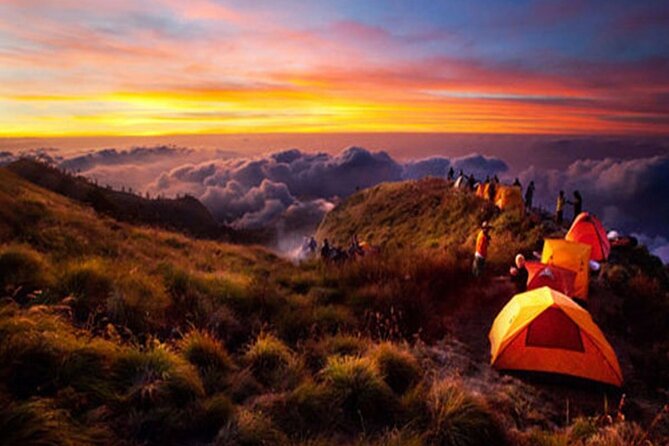
Rinjani’s appeal is the crater world. At 2,641 m on the rim, the tour’s viewpoint list is specific, and that specificity helps you set expectations.
Here’s what the sunset and sunrise viewpoints are geared toward:
- Segara Anak Lake, the crater lake
- Gunung Baru Jari, a small volcanic cone within the crater
- the summit of Rinjani
- Mount Agung in Bali
- the Gili Islands
You’re not just getting a generic “mountain view.” You’re looking into a volcanic bowl with multiple landmarks. It’s the kind of sight where names start sticking because you see them in context.
One more thing: the tour is clear that the entire experience requires good weather. If weather is poor, you are offered a different date or a full refund. That’s not a small detail. On Rinjani, visibility affects the whole point of crater rim sunrise.
So, if you’re trying to schedule this with other Lombok stops, give yourself some breathing room. If the trek shifts due to weather, you don’t want to have a fixed, tight departure that can’t move.
Who This Trek Fits Best (and Who Might Want a Different Option)
This is a tough 2 day overnight trek with a meaningful elevation gain and a steep section after Pos 3. The tour recommends moderate physical fitness, which I’d interpret as: you can hike uphill for sustained periods, you can handle steep steps, and you’re okay with a demanding schedule.
It’s ideal if you want:
- guided structure and breaks
- a small-group feel
- porters so you don’t haul gear
- a sunrise and sunset crater rim camping experience
It may be less ideal if:
- you struggle with steep climbs and steep descents
- you hate cold nights outdoors
- you need a lot of comfort and downtime between effort blocks
That’s not a bad thing. It’s just honest math. The payoff is big, but you trade comfort for the view.
Should You Book This Rinjani 2D1N Trek?
If you want an organized Mount Rinjani overnight trek that focuses on the Senaru Crater Rim experience, this one makes sense. The best parts are the practical ones: small-group size, meals and water during the hike, porter support, and camping gear that reduces what you have to carry. Add in the crater-focused viewpoints, and it’s built for people who care about sunrise and sunset, not just “checking a box.”
Before you book, do three quick checks:
- Confirm the transport arrangement for your pickup and drop-off, since the information given is slightly conflicting.
- Budget for the IDR 400,000 entrance fee and consider your pre-trek accommodation cost if you need it.
- Plan your gear around the listed not-included items, especially head lamp and a walking stick.
If those boxes are covered, you’re set up for a challenging but well-run volcano adventure in Lombok that feels serious, not chaotic.
Lombok, Coast and Volcano
Walking Routes Worth the Early Start
Fresh Lombok write-ups from the review desk
Lombok and Mount Rinjani Adventures, compared.
 ★ 5.0Gili Island Snorkeling Trip – Gili Trawangan, Gili Meno, & Gili Air, From LombokFrom $88330 reviews
 ★ 5.0Anggrek Putih Lombok Cooking ClassFrom $30253 reviews
 ★ 5.0Day Trip Gili Trawangan, Gili Meno, Gili Air (Depart Lombok)From $97167 reviews
 ★ 4.5Lombok Private Customize TourFrom $45144 reviews
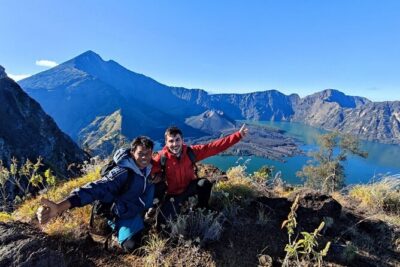 ★ 5.03D-2N Explore Mount Rinjani – Summit -Lake and HotspringFrom $235112 reviews
 ★ 5.0Lombok Pink Beach Boat Trip (Full Day + Snorkeling)From $88104 reviews
 ★ 5.0Rinjani trekking 2D 1N RIMFrom $20594 reviews
 ★ 5.03D/2N Rinjani trekking summit,lake and hot springs.From $25085 reviews
Browse the lists this tour appears in