
REVIEW · LOMBOK AND MOUNT RINJANI ADVENTURES
Trekking Rinjani Mountain Summit 2 Days 1 Night – Em Adventure
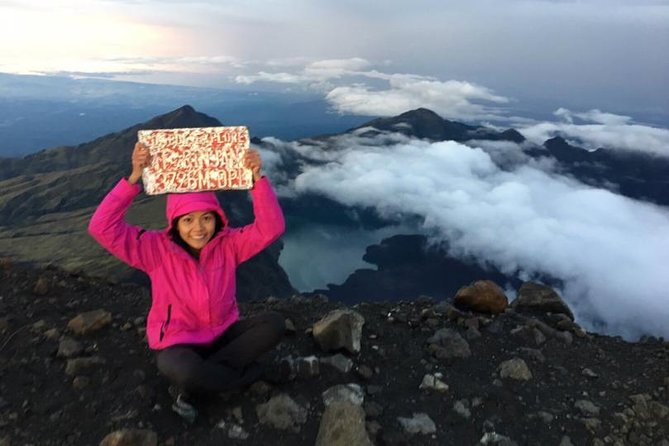
Rinjani sunrise feels like a movie. This trek stays compelling because it combines small-group logistics with crater-rim camping, so you spend more time watching Lombok from above and less time dealing with unclear plans. You also get a real local setup, starting with a pickup and a hotel night in Sembalun before the climb begins.
I also like how the schedule is built for the summit light, not just for walking. You’ll wake early, sip a hot drink, and head out around 3:00 am, then reach the summit at about 6:00 am for sunrise. The support staff matters too, and the experience is led by a licensed mountain guide, with guide Pam called out for helping the pace feel steady and the day feel doable.
One thing to consider up front, this is a tough hike and the final areas can feel messy at times, including reports of trash on the route. If litter bothers you, plan to move carefully, and bring a small bag so you can help keep things respectful.
In This Review
- Key Highlights You Should Care About
- Price and Value: What You Actually Get for $225
- Sembalun Setup: The Hotel Night That Makes the Summit Push Easier
- Day 1 From Sembalun to Crater Rim: The Climb, the Posts, and the Camp
- Day 2 Summit Plan: 2:00 am Wake-up, 6:00 am Sunrise, Then the Long Descent
- Fitness Reality: What Strong Fitness Actually Means on Rinjani
- Guides and Camp Support: Where Quality Shows Up
- Packing Smart: Don’t Overload Your Peak Day
- Food and Water: Included, Practical, and Built for the Climb
- Weather and Trail Conditions: The Parts You Cannot Control
- Is This Trek Right for You?
- FAQ
- Where does pickup happen for this Rinjani trek?
- What is included in the trek price?
- How long is the trekking experience?
- What time does the trek start?
- When will you reach the summit for sunrise?
- Do I need strong physical fitness?
Key Highlights You Should Care About
- Pickup plus a Sembalun hotel night the day before, so you start the trek rested
- Crater rim camp at about 2,639m with sunset views and the chance to reset for the summit push
- The night-climb rhythm: hot drink and light breakfast, then a pre-dawn start
- Licensed guide and porter support plus camping gear that takes weight off your back
- Meals and water included (including mineral water first day and spring water on day two)
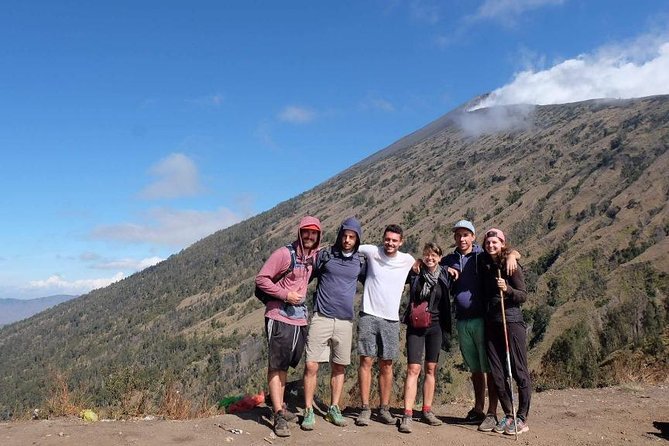
- Small group size with a maximum of 8 travelers, which helps keep the pace and logistics manageable
More walking routes, short and long
Price and Value: What You Actually Get for $225
At $225 per person, this trek is priced for a full service package, not a basic “show up and figure it out” outing. For that money, you get the big-ticket items most people end up paying separately on active volcano trips: guide and porter staffing, camping equipment, mountain meals, and national park entrance fees.
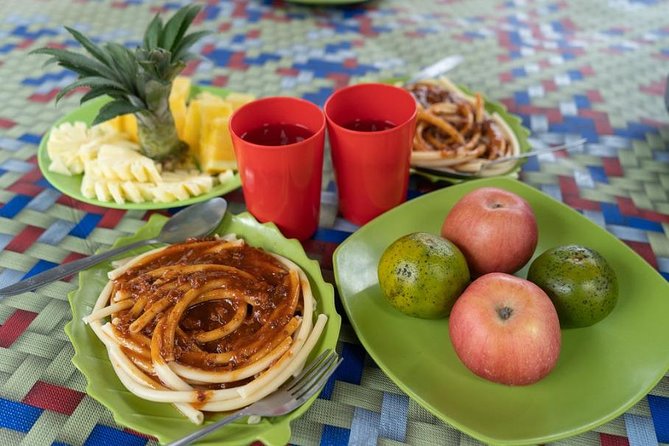
The list of inclusions is solid. You get all camping gear such as tents, sleeping bags, bed mats, a toilet tent, and even a pillow. That’s a big deal on a mountain where packing light saves your energy for the climb. You also get all meals on the mountain, plus bottled mineral water on day one and mountain spring water on day two.
Entrance fees are included too, listed as 150,000 IDR per day per person for Gunung Rinjani National Park. That matters because it’s one of those line items that can change your total cost fast if you book piecemeal.
What’s not included is also clear, personal expenses and tipping for your guide and porters. In practice, tipping is not optional in the moral sense, it’s part of how local teams are supported for intense work like carrying loads and keeping you safe through rough footing.
Sembalun Setup: The Hotel Night That Makes the Summit Push Easier
This trek is built around Sembalun, and you get help getting there. You’ll be picked up from several Lombok locations, including the airport areas around Kuta, Mataram, Senggigi, Bangsal, Labuhan Lombok, Tetebatu, and Senaru. If you’re trying to connect from the coast or another town, that pickup detail is one less moving part.
The schedule starts with a hotel night in Sembalun one day before the trek begins. That isn’t just comfort. It’s strategy. A summit attempt needs sleep quality, not just time spent lying down. The next morning starts with breakfast, then you register at the Rinjani information center.
The meeting point start time is listed as 7:00 am, and trekking itself starts around 8:00 am. That gap gives you room to get organized before the first long walk.
Day 1 From Sembalun to Crater Rim: The Climb, the Posts, and the Camp
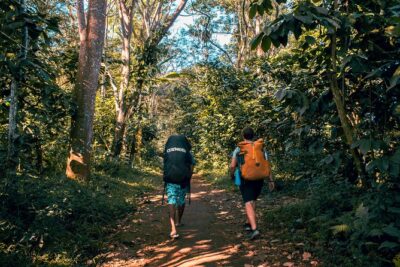
Day one is the ramp-up. You start with a gentle climb through open meadow, which is a smart way to warm up your legs instead of hitting steep terrain immediately. It also sets expectations for the day: you’re not rushing straight into pain, you’re building momentum.
After about two hours, you reach post 1 at 1,300m. Then you continue another 40 minutes to post 2 at 1,500m. These posted stops are useful because they give you time markers. Even if you don’t track elevation, you’ll have a rhythm that prevents you from burning out early.
You keep going to post 3 at 1,800m, where lunch is served. Lunch at altitude changes the game. Food is fuel, and on a mountain like Rinjani, you want something filling enough to keep you moving, not just snack energy. This tour includes three mountain meals total, so day one isn’t “eat whatever you packed and hope for the best.”
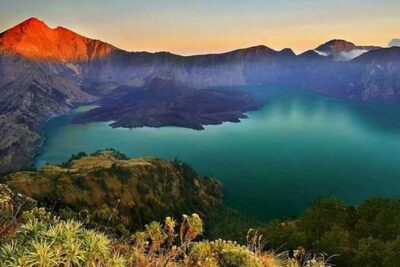
After lunch, you push toward the crater rim at 2,639m. This part takes about three hours, including a prolonged steep climb. That means you’ll feel it, even though day one starts gentle. The payoff is the camp location. Sleeping on the crater rim gives you a front-row view of sunrise and sunset, and it also positions you for the next day’s early summit attempt.
This is where you’ll appreciate the camping inclusions. Tents, sleeping bags, bed mats, a toilet tent, and pillow are all provided. If you’re not the type who enjoys borrowing gear or improvising camp comfort, this is a big value add.
Day 2 Summit Plan: 2:00 am Wake-up, 6:00 am Sunrise, Then the Long Descent
Day two begins well before your alarm clock would normally be useful. You’ll wake around 2:00 am under the cover of darkness with a hot drink and a light breakfast. The plan is to start heading to the summit at 3:00 am.
From there, you climb with a moderate trek, then shift to a fairly easy but longer stretch. The final approach is the hard part, it involves climbing up steep volcanic scree, where footing can be loose. That section is where experience and careful pace matter most. The guide and porters are not just decoration here. They help you keep your footing and your pace so you don’t surge early and pay for it later.
At around 6:00 am, you reach the summit at 3,726m. Sunrise is included in the experience window, and the view is the whole point of the grueling start time. If you’re only thinking about the view at the top, this is the reminder that the early hours are what make the payoff possible.
After the summit, you descend into the crater rim Sembalun within about two hours, then continue down to Sembalun village for about five hours. That descent is long, and it matters because knee strain can sneak up on you. A slow, steady descent is usually better than trying to “run out the pain.” You’ll also need to keep hydrating, even when you feel like you’re moving too slowly to sweat.
The tour finishes back at the meeting point. So it’s not a multi-day, open-ended adventure where you have to solve transport after hiking. The ending is handled.
Other Lombok days, coast and volcano
- Anggrek Putih Lombok Cooking Class★ 5.0 · 253 reviews
- Day Trip Gili Trawangan, Gili Meno, Gili Air (Depart Lombok)★ 5.0 · 167 reviews
- Lombok Private Customize Tour★ 4.5 · 144 reviews
- 3D-2N Explore Mount Rinjani – Summit -Lake and Hotspring★ 5.0 · 112 reviews
- Lombok Pink Beach Boat Trip (Full Day + Snorkeling)★ 5.0 · 104 reviews
Fitness Reality: What Strong Fitness Actually Means on Rinjani
The requirement is straightforward: you should have a strong physical fitness level. That isn’t a marketing line. Your schedule includes a steep crater rim day one climb, and a pre-dawn summit attempt with loose volcanic scree at the end.
If you’re used to hiking on rolling trails, this will feel different. If you’re already comfortable with steep up-and-down and early starts, this is the kind of challenge that feels rewarding instead of punishing.
Also, the timing is demanding. You’re up around 2:00 am, and the hike runs through the morning with the summit reached at about 6:00 am. Even with good support, you’re not getting a leisurely breakfast and a casual stroll to the top.
The good news is you’re not doing it alone in a practical sense. Licensed guide and local porters are included, and camping gear is carried for you.
Guides and Camp Support: Where Quality Shows Up
The vibe here is small group and guided. The tour description emphasizes experienced guides and porters, and the quality signal in the feedback is pretty consistent, good organization and excellent food.
Guide Pam is mentioned as doing a great job during the hike, and that matters because on Rinjani, the guide’s role is more than pointing the way. A good guide helps with pacing, timing, and knowing when to push versus when to stabilize your effort. When people feel the hike is tough but still manageable, that’s usually what’s happening behind the scenes.
There’s also a practical note worth paying attention to. One piece of guidance from the experience is to pack light for the peak and be ready with some medicine and alternative food if you need it. That’s not overkill. Altitude and long days can make your body unpredictable, and not every food choice will agree with you at altitude.
If your guide’s English is still growing, communication may be simple and direct. The best approach is to bring a calm, cooperative attitude, ask for clarification when needed, and focus on your own pacing and safety.
Packing Smart: Don’t Overload Your Peak Day
A common mistake on summit treks is bringing too much. The advice from the experience is clear: don’t bring too many clothes to the peak. The summit push is early, cold enough to matter, but you also warm up as you climb. Layering beats hauling a whole closet.
This tour already supplies major camp items, which helps you reduce bulk. You’ll have a tent, sleeping bag, bed mat, toilet tent, and pillow. That means your pack can focus more on personal comfort and safety items.
Based on the guidance from the experience, also consider carrying:
- some basic medicine you trust
- an alternative snack or food option that agrees with you
You do not want to rely on only what’s served when your stomach or energy level decides to be weird.
Food and Water: Included, Practical, and Built for the Climb
Food is included three times daily on the mountain. That’s exactly what you want on a two-day climb where your energy demand is high and the timing is tight.
Water details are specific and helpful. On day one you get mineral water. On day two you get mountain spring water. Either way, you’re not left to guess where to refill or what’s safe to drink.
The feedback also points to excellent food that’s plenty, which usually translates to better energy management. The more consistent your meals, the less you rely on quick fixes.
One small reality check: you still want to bring your own comfort items, because included meals are designed for the group, not your personal preferences. If you have dietary needs or know certain foods upset you, plan ahead.
Weather and Trail Conditions: The Parts You Cannot Control
This is a mountain. Weather matters, and this experience requires good weather. If it’s canceled due to poor weather, you’ll be offered a different date or a full refund.
That matters because summit views depend on conditions. Clouds and rain can turn the scree approach into something much more slippery and exhausting.
Also, trail conditions are part of the experience. One report highlights too much trash. You can’t control what you find, but you can control what you do when you see it. Carry a small bag for your own waste, keep your camp area clean, and follow the guide’s instructions for where to place trash.
Is This Trek Right for You?
You should book this trek if you want:
- a structured climb with licensed guidance and porter support
- crater rim camping, not just a “hike and go” plan
- a real shot at a sunrise summit, with the climb timed to reach around 6:00 am
- value that includes camping gear, meals, and the entrance fee
You might want to look elsewhere if:
- you’re not ready for early wake-ups and steep climbing on volcanic scree
- you hate long descents that can stress knees
- you are very sensitive to trail cleanliness and want a strictly tidy route
FAQ
Where does pickup happen for this Rinjani trek?
Pickup is included from the airport in Kuta, Mataram, Senggigi, Bangsal, Labuhan Lombok, Tetebatu, and Senaru.
What is included in the trek price?
The price includes a licensed mountain guide and local porter, all camping equipment (tents, sleeping bags, bed mats, toilet tent, and pillow), all meals on the mountain, mineral or spring water as specified, the national park entrance fee, an air-conditioned vehicle, a hotel night before the trek in Sembalun, and a mobile ticket.
How long is the trekking experience?
It’s listed as 2 days and 1 night.
What time does the trek start?
The meeting point start time is 7:00 am, and the trek begins around 8:00 am after breakfast and registration.
When will you reach the summit for sunrise?
The schedule aims to reach the summit at about 6:00 am.
Do I need strong physical fitness?
Yes. The experience notes that travelers should have a strong physical fitness level.
Lombok, Coast and Volcano
Walking Routes Worth the Early Start
Fresh Lombok write-ups from the review desk
Lombok and Mount Rinjani Adventures, compared.
 ★ 5.0Gili Island Snorkeling Trip – Gili Trawangan, Gili Meno, & Gili Air, From LombokFrom $88330 reviews
 ★ 5.0Anggrek Putih Lombok Cooking ClassFrom $30253 reviews
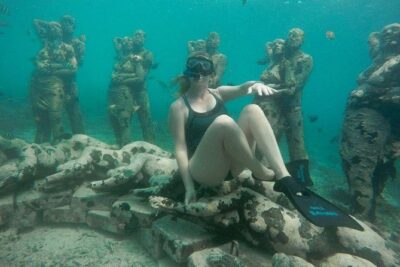 ★ 5.0Day Trip Gili Trawangan, Gili Meno, Gili Air (Depart Lombok)From $97167 reviews
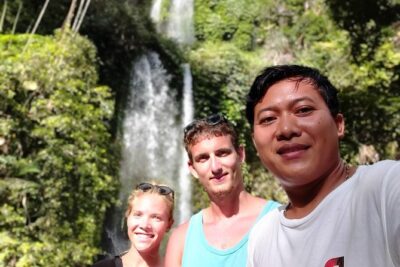 ★ 4.5Lombok Private Customize TourFrom $45144 reviews
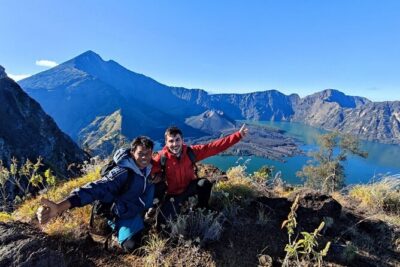 ★ 5.03D-2N Explore Mount Rinjani – Summit -Lake and HotspringFrom $235112 reviews
 ★ 5.0Lombok Pink Beach Boat Trip (Full Day + Snorkeling)From $88104 reviews
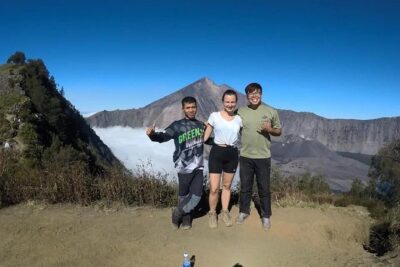 ★ 5.0Rinjani trekking 2D 1N RIMFrom $20594 reviews
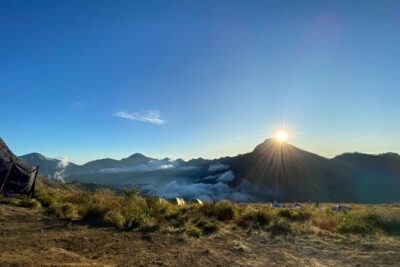 ★ 5.03D/2N Rinjani trekking summit,lake and hot springs.From $25085 reviews
Browse the lists this tour appears in