
REVIEW · INDONESIA SCUBA DIVING AND PADI COURSES
PADI Open Water Course
Three days to earn lifelong underwater skills. This PADI Open Water Course in Bali is built to turn a first-time scuba student into a confident, independent scuba participant able to reach 18 m underwater, with training split across knowledge, pool work, and four open-water sessions near Padang Bai and Tulamben.
I especially like the hotel pickup and drop-off plus air-conditioned minivan transport, because you spend less time coordinating and more time learning. I also value the small group size (maximum 3 travelers), which makes it easier for your instructor to slow down when you need it. One possible drawback: souvenir photos are not included, even though you can purchase them later.
In This Review
- Key things to know before you go
- PADI Open Water in Bali: why this 3-day course is worth your time
- Where you start: Neptune’s Sanur meeting point and what that means
- The course flow: knowledge, pool practice, then open-water sessions
- Knowledge Development: what you’ll be doing before the water
- Pool Training: building control without the pressure of open water
- Padang Bai and Tulamben: how the open-water sessions fit in
- Small group coaching at Neptune: why the team names matter
- Price and value: is $530 a good deal here?
- What’s included (the practical stuff)
- What’s not included
- Transportation, timing, and how to plan your Bali days
- Health questionnaire rules: how to avoid unpleasant surprises
- What to pack, and how to make your training day smoother
- The photography question: souvenir photos are extra
- Who this course suits best, and who should think twice
- Should you book this PADI Open Water Course with Neptune?
- FAQ
- How long is the PADI Open Water Course?
- How much does the course cost?
- Does the package include hotel pickup and transport?
- Where do I meet the operator?
- What is the group size?
- What age and depth limits apply?
- What is not included in the price?
Key things to know before you go
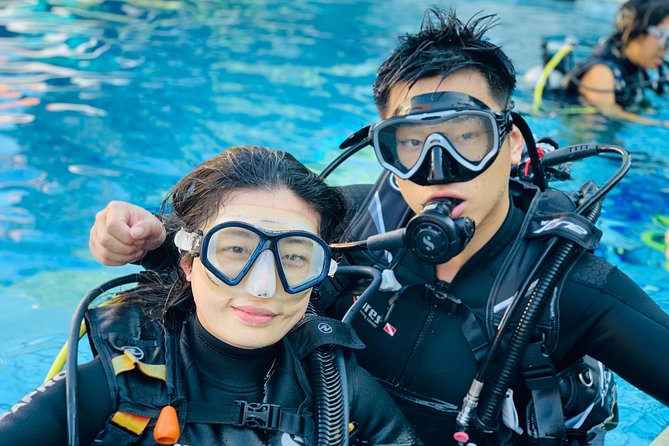
- Three phases, three days: knowledge development, pool training, then four open-water sessions across Padang Bai and Tulamben
- Small group pacing: maximum of 3 travelers, which usually means more personal coaching time
- Logistics taken care of: hotel pickup and drop-off with transport by air-conditioned minivan
- Certification depth limit: the course is structured around training up to 18 m
- Real photos cost extra: souvenir photos are available to buy, but they are not part of the package
More dive days and course options, reviewed
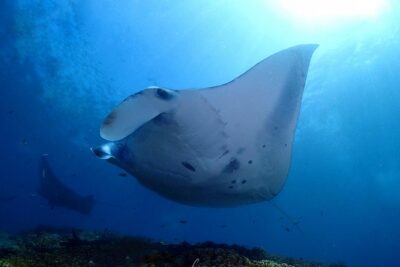
PADI Open Water in Bali: why this 3-day course is worth your time
If you want scuba certification in Bali, this is one of the most straightforward ways to do it. The PADI Open Water Course is designed as the foundation for everything you’ll do later, from better control in the water to safer decision-making when conditions change. In 3 days, you work through the basics of equipment and procedures, then you practice the key skills in a pool setting before you apply them during four open-water sessions.
This is also a good match for travelers who are trying to fit scuba training into a tighter schedule. You do not just watch instructions and then hope for the best. You learn the skills in a structured order, then you test them where it matters: open water. And because the course is capped at a maximum of 3 travelers, it avoids the feeling of being “one more name on a clipboard.”
One practical detail I really liked is the way the schedule is handled. There’s hotel pickup and drop-off, and the transport is in an air-conditioned minivan. If you’ve ever tried to move around Bali on your own while keeping track of timing, you know why this matters. Less logistical stress means you can actually focus on the training.
Where you start: Neptune’s Sanur meeting point and what that means
The course meets at Neptune’s location in Sanur, with the activity starting at Jl. Suka Merta, Sanur Kauh, Denpasar Selatan, Kota Denpasar, Bali 80228. The activity ends back at the meeting point.
Why that matters: it keeps things simple for your first day. You’re not searching for a remote dock in traffic right after an early wake-up. Also, the operator lists opening hours from 7:00 AM to 6:00 PM, so your training windows are likely built around those daytime hours.
The tour also notes that it is near public transportation. Even if you use pickup, it’s good to know there’s a backup option if you have an independent plan.
The course flow: knowledge, pool practice, then open-water sessions
This course runs through three main phases across three days:
1) Knowledge Development
2) Pool Training
3) Four open-water sessions
That sequence is more important than it sounds. First you build the mental map. Then you build muscle memory in a pool where conditions are controlled. After that, you take the same skills into open water, which is where you learn how things feel outside the pool.
If you’re brand new, the payoff is big. You’re not guessing what to do when something feels different. You already know the “why,” and you already practiced the “how.”
Knowledge Development: what you’ll be doing before the water
During knowledge development, you work through the background you’ll need for safe scuba use. The goal is that you understand basic theory and procedures, so you can make decisions underwater without freezing.
You should expect time dedicated to learning and checking that you understand the concepts before moving into water practice. This is also where people often realize they need to pay attention more than they expected. That’s normal. A good course makes it feel organized instead of overwhelming.
If you prefer to get ahead, one student experience shared that they did the theory online before traveling. If you want a head start, it’s worth asking your instructor or operator whether you can complete any theory components online ahead of your Bali dates.
- Nusa Penida day trip: boat, 4 snorkeling, Manta rays & Land tour★ 5.0 · 2,033 reviews
- Bali Nusa Penida West Private All-Inclusive Tour★ 5.0 · 1,277 reviews
- Mount Batur Sunrise Trekking Private Tour with Breakfast and Hotel Transfer★ 5.0 · 885 reviews
- Individual Bali Day Trip with Private Driver and Free WiFi★ 5.0 · 755 reviews
- Waterbom Bali Tickets – Single Day Pass★ 4.5 · 620 reviews
Pool Training: building control without the pressure of open water
Pool training is where you learn skills with fewer variables. You practice in a controlled environment so you can focus on body position, breathing, and equipment comfort. This is also where instructors can fix the common early issues that make people tired.
In the feedback I saw, instructors were praised specifically for patience and for helping with buoyancy control. That’s exactly what pool training should do. You’re not just learning to survive your first session. You’re building control so you can move more smoothly later.
If you’re worried you’re not fit enough or not good at swimming, don’t ignore that. The course has a structure for it, and instructors are there to guide you step by step. Your attitude helps too: treat this phase like training, not like a test.
Padang Bai and Tulamben: how the open-water sessions fit in
The course includes four open-water sessions, and they are split between Padang Bai and Tulamben.
What you can take from that, even if you’ve never been to these areas before, is that you’re not just doing one “long try.” You’re practicing the course skills in real conditions and repeating them enough times to gain confidence. That repetition matters, especially when you’re still learning how to coordinate breathing, equipment checks, buoyancy, and attention to your surroundings.
In reviews, people highlighted how supportive and professional the instruction felt across multiple sessions. When your instructor is patient and clear, open water stops being scary and becomes something you can handle.
Small group coaching at Neptune: why the team names matter
This course is capped at maximum 3 travelers, and that’s a big deal. With only a few students, you’re more likely to get direct feedback and adjustments instead of generic instructions. It also helps the instructor keep the pace comfortable, which is often the difference between feeling rushed and feeling ready.
The Neptune team is frequently praised in ways that match what you want in a first certification:
- patient, clear coaching
- professional guidance through the full training flow
- support that helps you handle buoyancy and comfort
Several instructor and support names come up in the shared experiences, including Julian, Muli, and Sia, plus Gede Ariawan as a training lead and Agus as a guide. Even if your exact pairing is different, those names show what the operator is striving for: instructors who teach with patience and follow-through.
If you’re a solo traveler, that small-group limit also helps. You may be paired with a practice partner during skills work. The key is that the setup supports training, not just “getting you in the water.”
Price and value: is $530 a good deal here?
The price is $530.00 per person, and the course is typically booked about 11 days in advance on average. That short lead time can actually be a good sign. It suggests the course is popular and likely runs often, so your schedule choices are not limited to one date far in the future.
Here’s what you should compare when you think about value:
What’s included (the practical stuff)
Your package includes:
- all taxes, fees and handling charges
- bottled water, lunch, coffee and/or tea, snacks
- driver/guide and a professional guide
- hotel pickup and drop-off
- transport by air-conditioned minivan
That combination matters because it reduces the hidden costs that pop up with more “DIY” scuba days. Meals and transport can easily add up.
What’s not included
- souvenir photos
Photos might seem minor, but if you care about documenting your certification, plan for that extra cost. It’s not included, but it is available for purchase.
When I look at this price, I see it as fairly priced for a structured certification course with transport and meals handled. The real value is not just the cost. It’s that you’re paying for guided instruction, a clear progression, and a training environment built for first-time success.
Transportation, timing, and how to plan your Bali days
This is a 3-day course, and you should plan around a full commitment each day. The schedule is not listed hour-by-hour, but the operator’s hours are 7:00 AM to 6:00 PM, so expect daytime activity.
Two timing tips matter a lot in real life:
- You’ll want to keep your travel plans simple on the start and end days since pickup and drop-off are part of the package.
- The tour notes that diving within 18 hours of flying is not recommended. If you’re arriving from abroad or traveling last-minute, build in a buffer day if you can.
Also note that you’ll be asked to complete a health questionnaire prior to the training. That is not just paperwork. It can affect whether you are cleared to participate.
Health questionnaire rules: how to avoid unpleasant surprises
Scuba training is safe when you’re honest about your health. This course requires a health questionnaire and warns that some pre-existing medical conditions may prevent you from participating, including examples like:
- asthma
- heart conditions
- coronary disease
- epilepsy
- current cold or congestion or severe medical problems
- and you should not participate if you are under the influence of alcohol or drugs
It also states that respiratory and circulatory systems must be in good health, and that all body air spaces must be normal and healthy.
One more practical detail: if you have any doubt, the course tells you to consult your doctor. That’s good advice for any scuba certification. If you think you might be borderline, it’s better to get medical clarity before you spend money and time traveling.
Also remember the course minimum age is 10 years, so it’s a family-friendly option in the sense that older kids can participate, assuming they meet the health requirements.
What to pack, and how to make your training day smoother
The listing doesn’t spell out equipment specifics, so don’t guess. Before your first day, ask the operator what’s provided and what you should bring.
What you can count on from the included items:
- you will have bottled water, snacks, and lunch
- you’ll have coffee and/or tea
- transport and pickup will handle getting you between the meeting point and training areas
For your comfort, you might still want to bring basics like:
- sun protection (you’ll be in the Bali sun during daytime training)
- a swimsuit and quick-dry towel (if required by the center)
- a dry bag for keeping items safe between sessions
But treat that as “comfort suggestions,” not confirmed requirements. The only sure things confirmed here are the inclusions.
The photography question: souvenir photos are extra
Souvenir photos are listed as not included, but they are available to purchase. If you want to remember your certification day, plan for that extra expense in advance so it doesn’t feel like a last-minute surprise.
If photos matter to you, ask the team how the photo process works, what packages exist, and when you can view or order them.
Who this course suits best, and who should think twice
This PADI Open Water Course is aimed at most travelers, with a minimum age of 10 and health requirements clearly stated. It’s a solid choice if:
- you want a structured path to certification over 3 days
- you value patient instruction and a small group setting
- you want your training to include both pool skills and open-water practice in Bali locations like Padang Bai and Tulamben
- you appreciate being taken care of on logistics, with hotel pickup and air-conditioned transport
You should think twice if:
- you’re dealing with respiratory issues, congestion, or recent illness and you might not be cleared on the health questionnaire
- you’re flying and might be too close to your training start, since the course says 18 hours after flying is not recommended
- you dislike the idea that souvenir photos cost extra, since that is not included in your package
Should you book this PADI Open Water Course with Neptune?
If you want a first scuba certification in Bali with a clear structure and low stress logistics, I’d strongly consider booking it. The training format is sensible: knowledge, then pool practice, then four open-water sessions. The coaching setup is also a plus, because the course runs with a maximum of 3 travelers, which tends to mean more attention when you need corrections.
The main reason to hold off is if you might not meet the health rules, or if you need a big buffer after flying. If that’s your situation, the smartest move is to check your clearance early, not on the morning you arrive.
If you do book, give yourself time to rest between days, keep your travel plan flexible, and bring a clear mindset. This course is built for confidence, not for bravado.
FAQ
How long is the PADI Open Water Course?
The course runs for about 3 days.
How much does the course cost?
It costs $530.00 per person.
Does the package include hotel pickup and transport?
Yes. Hotel pickup and drop-off are included, and transport is provided by air-conditioned minivan.
Where do I meet the operator?
The start meeting point is Neptune Scuba Diving Bali, Jl. Suka Merta, Sanur Kauh, Denpasar Selatan, Kota Denpasar, Bali 80228, Indonesia. The activity ends back at the same meeting point.
What is the group size?
The tour lists a maximum of 3 travelers.
What age and depth limits apply?
The minimum age is 10 years, and the course is structured around certification that allows training up to a maximum depth of 18 m.
What is not included in the price?
Souvenir photos are not included, but they are available to purchase.
Dive Days and Course Options
Fresh Kuta write-ups from the review desk




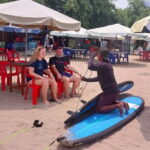
Indonesia Scuba Diving and PADI Courses, compared.
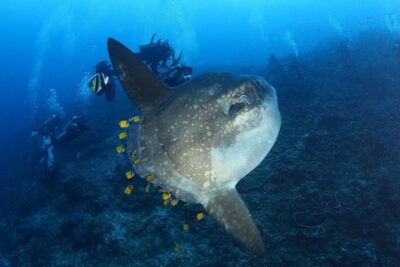 ★ 5.0Open Water Course in Nusa Lembongan – Get Certified on remote island (next Bali)From $461864 reviews
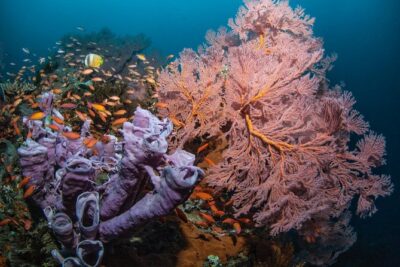 ★ 5.02 Days Discover Scuba Diving in Nusa Lembongan – Scuba InitiationFrom $151506 reviews
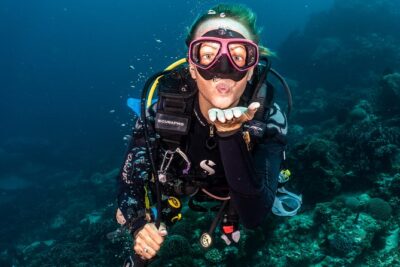 ★ 5.0Open Water Course in Tulamben – Get Certified in BaliFrom $376495 reviews
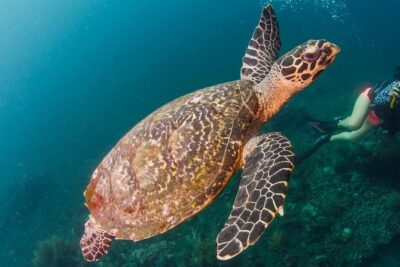 ★ 5.0Bali Diving for Beginners: Tulamben Liberty WreckFrom $89367 reviews
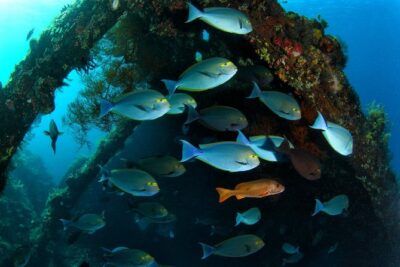 ★ 5.0Discover Scuba Diving in Tulamben – Diving Initiation in Bali best diving sitesFrom $89353 reviews
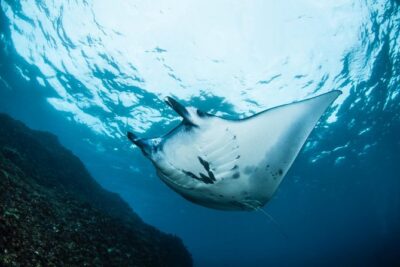 ★ 5.0Advanced Open Water Course – Advanced Certification in Lembongan (next to Bali)From $431222 reviews
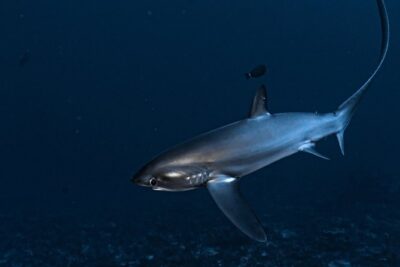 ★ 5.05 Fun Dives in Nusa Lembongan (for certified divers) – Swim with a Mola MolaFrom $256205 reviews
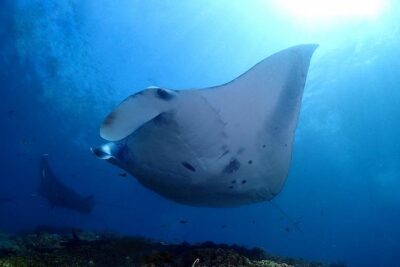 ★ 5.0Scuba Diving in Nusa Penida – Manta PointFrom $175198 reviews
Browse the lists this tour appears in