
REVIEW · YOGYAKARTA CITY AND CULTURE TOURS
Yogyakarta Cooking Class and Market Tour
That first market walk sets the tone fast. You go ingredient shopping with a real sense of how Javanese meals begin, then cook a full set of dishes with an English-speaking chef. The class also weaves in culture, like the meaning behind Tumpeng yellow rice and why food rituals matter in Java.
I especially like the way the morning plan connects market choices to what ends up on your plate. You are not just following steps, you’re picking herbs, vegetables, and spices first, then cooking them with a clear rhythm and guidance.
One thing to consider: the experience is hands-on, but one review noted there was sometimes not enough explanation and limited space to get creative. If you prefer lots of free-form experimentation, you may want to ask questions early and often.
In This Review
- Key highlights you will feel right away
- Why this cooking class in Yogyakarta feels practical, not staged
- Entering the market: where your cooking starts before the stove
- The rice plantation and the Java staple connection
- Bantul village welcome: the “home cooking” feeling
- The cooking class flow: what you’ll actually make in 3 hours
- Tumpeng yellow rice and the ceremony meaning
- Javanese techniques you can reuse later
- Drinks and dining right after cooking
- Who leads you, and how to get the most from their teaching
- Price and value in Yogyakarta: why $35 can make sense
- Timing: morning vs afternoon, and how to plan the rest of your day
- What to watch for: the one drawback worth respecting
- Who should book this Java cooking class, and who might not
- Should you book this Yogyakarta Cooking Class?
- FAQ
- What is included in the Yogyakarta Cooking Class and Market Tour?
- How long does the tour last?
- Do they offer hotel pickup?
- What food will I cook and eat?
- How big is the group?
- What is the cancellation policy?
Key highlights you will feel right away
- Market tour with ingredient selection, so you understand what you’re cooking before you start cooking
- English-speaking chef guidance, with recipe handout and practical techniques while you cook
- One starter, four mains, one dessert, plus lunch and traditional drinks
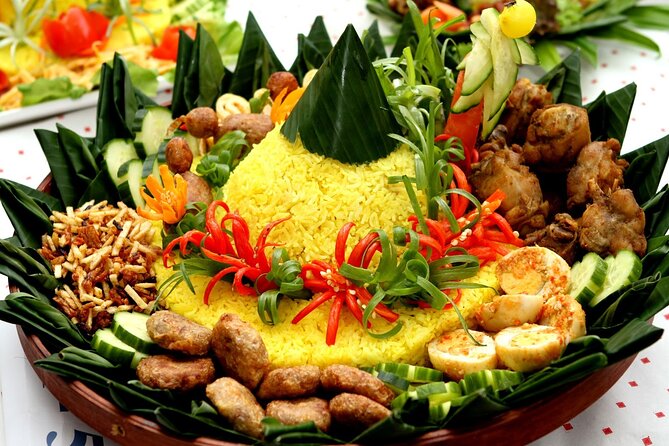
- Tumpeng yellow rice with cultural context, including why it’s served in ceremonies
- Small group cap of 15, which helps you get more personal attention in the kitchen
- Pickup and drop-off in Yogyakarta, so the day stays easy to manage
Other kitchens taking bookings, compared
Why this cooking class in Yogyakarta feels practical, not staged
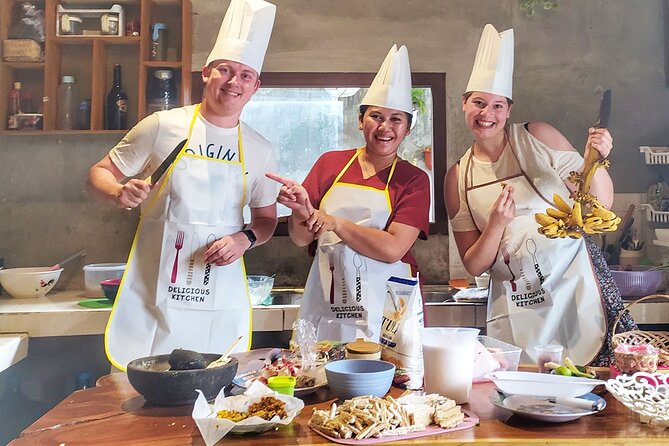
Cooking classes can turn into a performance. This one moves differently. You start with a traditional market, choosing your own ingredients, and that instantly makes the cooking feel grounded in real daily life. Then you cook as a group with expert help, eating what you make soon after.
Another reason I like it: the food isn’t treated like random recipes. You’ll cook a set of Javanese dishes, including Tumpeng yellow rice, and you’ll get context about how those meals connect to older ceremony traditions. That cultural layer is useful because it helps you remember what you made and why those flavors matter.
The rhythm is also approachable. The whole experience runs about 3 hours, with either a morning or afternoon option. For most people, that’s long enough to learn meaningful techniques, but short enough that you are not losing your entire day.
Entering the market: where your cooking starts before the stove
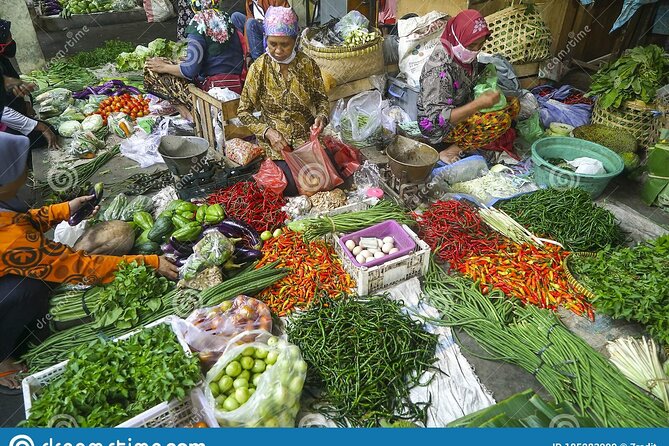
The first big step is the local fresh food market. You’ll meet your guide, then go shopping for ingredients laid out in a way that feels like how people actually buy food. Expect vegetables, herbs, meat, and spices you can point to and discuss while you shop.
This is a key value moment. When you choose ingredients yourself, you cook with better understanding. You also notice the differences between what you might find at home and what you’re using here, especially with herbs and spice blends. That means your end dish tastes less like a shortcut and more like a real Javanese meal.
If you can, go with an open attitude and a little appetite. A few reviews emphasize to come hungry because the portions and meal length add up. You’ll also get a small briefing and a handbook, so you can follow along without feeling lost.
The rice plantation and the Java staple connection
After the market, the tour includes a rice plantation stop. You’ll learn how rice, the staple crop, is cultivated and prepared, then take in the views around the plantation area.
Now, you might be thinking, rice is rice. But this stop helps you understand why rice-based meals are so central in Java. It also gives you a break from shopping and keeps the day from feeling like only kitchen time.
One practical note: plantation stops can involve walking and outdoor time, so wear comfortable shoes. The tour is only about half a day overall, but the comfort factor matters.
Bantul village welcome: the “home cooking” feeling

Next comes a visit to Bantul, a traditional village area, where you arrive to a warm welcome. The experience is designed so the cooking happens in a local setting rather than a generic classroom kitchen. That matters because you cook with how people actually live and host.
Several reviews highlight the sense of being welcomed into a home. That shows up in small ways, like how the class setup feels friendly and how the chef or household guides you through steps calmly. One participant specifically liked that the kitchen felt comfortable and relaxed, rather than rushed.
Because the group is capped at a maximum of 15, it should stay manageable. In a small group, it’s easier to get help when you have questions, especially if you’re new to working with fresh herbs and spice mixes.
Still in Yogyakarta? Keep going
- Yogyakarta: Borobudur Top Access & Prambanan Temple Private Tour★ 5.0 · 390 reviews
- Small-Group Walking and Food Tour by Night in Yogyakarta★ 5.0 · 313 reviews
- Yogyakarta: Borobudur Climb-up & Prambanan Day Trip All Inclusive★ 5.0 · 226 reviews
- Yogyakarta: Borobudur (climb), Prambanan & Other Visit By Request★ 5.0 · 211 reviews
- Yogyakarta Car Rental with Driver for Daily and Multi-Day Tours★ 5.0 · 169 reviews
The cooking class flow: what you’ll actually make in 3 hours
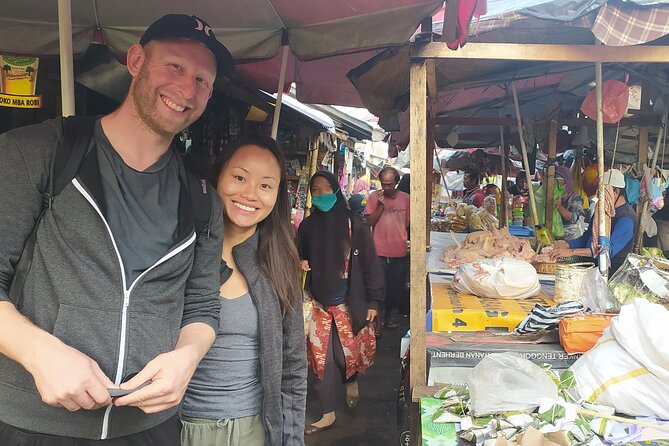
Here’s the core of the experience: you’ll take part in a morning or afternoon cooking class with expert chefs. You’ll cook enough for a real meal, not just a snack.
Your cooking workload is structured like this:
- 1 starter
- 4 main courses
- 1 authentic dessert
Then you sit down and eat what you cooked.
Tumpeng yellow rice and the ceremony meaning
A standout element is the focus on Tumpeng yellow rice. Your chef will assist you in learning how to make it, and you’ll get insights into why it’s linked to ceremonies from long ago. Even if you’re not planning to recreate a full ritual at home, the explanation helps you understand the dish as more than color and shape. It frames it as a centerpiece food with a job to do.
Javanese techniques you can reuse later
The chefs guide you step-by-step, and the class includes all ingredients plus a recipe handout. That combination is what makes the learning practical. You can taste as you go, then later repeat the cooking at home using the notes you were given.
From reviews, I also picked up that the instruction can include stories tied to Yogyakarta and Indonesian culture. For example, one chef named Arma shared historical and cultural stories while teaching. Those stories might not change the flavor directly, but they change your attention span in a good way. You tend to remember steps when you understand where they come from.
Drinks and dining right after cooking
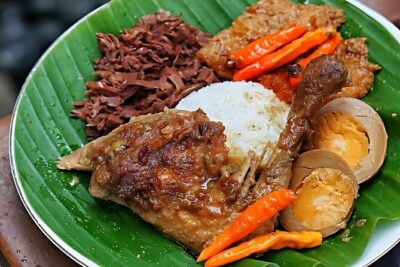
Lunch (or dinner, depending on your time slot) is included. You’ll also enjoy a traditional drink such as homemade hibiscus tea, or wedang uwuh (eucalyptus drink). That’s not just a nice add-on. Drinks help round out the meal and make the experience feel like an actual hosted meal day, not a quick demo.
Who leads you, and how to get the most from their teaching
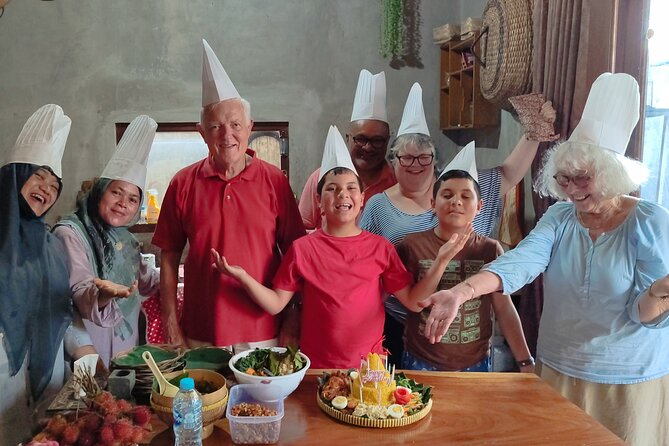
This experience includes an English-speaking teacher (chef). In practice, that makes a difference. You’re more likely to understand what you’re doing, why you’re doing it, and how to adjust if something feels off.
Reviews mention chefs by name, like Arma and Desy, and both sound like patient instructors who mix practical guidance with stories. Another common theme is that the class is supportive and people feel comfortable in the kitchen.
To get the most from the session, treat it like a conversation. Ask what you’re smelling and tasting. If you’re curious about a specific spice, ask how it’s used in everyday cooking. One review even suggested having WhatsApp loaded for communication, which is smart if your pickup instructions or coordination needs a quick message.
Price and value in Yogyakarta: why $35 can make sense

At $35 per person for an experience that runs about 3 hours, the value comes from the package deal:
- Pickup and drop-off in Yogyakarta
- Market tour where ingredients are included
- All ingredients, recipe, and a full meal
- Chef instruction in English
- Small group size, with a maximum of 15
You’re paying for more than cooking. You’re paying for local access, guided shopping, cultural context, and food on top. If you’ve ever gone to a market alone and then tried to build a cooking class experience afterward, you know how expensive that time can get.
Also, group discounts are mentioned, which can help if you’re coming with friends or family.
Timing: morning vs afternoon, and how to plan the rest of your day
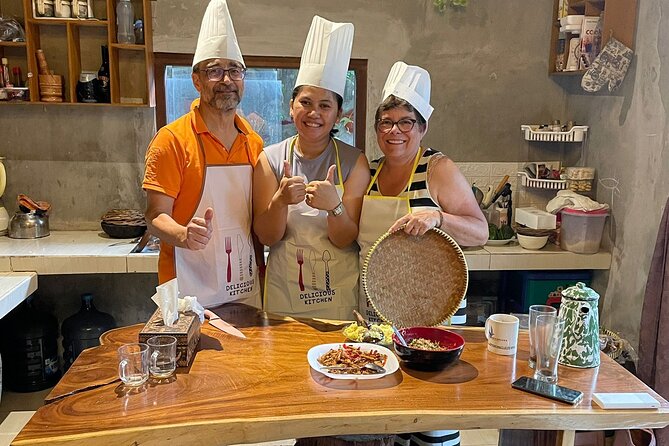
The tour is roughly 3 hours, and it can run as a half-day morning or afternoon experience. The market stop plus rice plantation plus cooking and eating means you will not want to stack another major activity right before or right after.
If you have a busy Yogyakarta itinerary, treat this class as a reset. You’ll return to the rest of your day feeling grounded, fed, and with real skills you can repeat.
For the best experience, plan on staying nearby your pickup area in the hours around the class. Comfortable shoes are a good idea for market walking and outdoor segments.
What to watch for: the one drawback worth respecting
Balance matters, so here’s the fair caution. One review noted there was perhaps not enough explanation and limited room to be creative. That doesn’t sound like a deal-breaker, but it is useful to know if your learning style is different.
What you can do:
- Ask questions early, right after the chef starts briefing.
- Watch for opportunities to personalize within the dish instructions, if that’s allowed.
- If you want to experiment with flavors, focus on learning technique first, then apply your tweaks later at home.
Even with that caution, the overall rating is extremely high, with 99% recommended and a 5 rating in the summary. That usually means most people leave feeling satisfied and full.
Who should book this Java cooking class, and who might not
This class is a strong fit if you:
- Want a real food day in Yogyakarta, not just a cookbook lesson
- Like markets and want to see how ingredients are chosen
- Learn best through cooking with guidance, then eating your results
- Enjoy cultural context tied to food, like the role of Tumpeng yellow rice
It may not be the best fit if you:
- Want lots of open-ended creativity and free-form experimentation during the class
- Prefer a very fast, minimalist experience with minimal talking and minimal explanation
Should you book this Yogyakarta Cooking Class?
If you want one activity in Yogyakarta that feels both practical and genuinely local, I’d say book it. The mix of market tour plus chef-led cooking plus a real meal is exactly how you get value for time and money.
I’d especially recommend it if you’re traveling with someone and you want an experience you can talk about later, based on what you cooked, not just what you saw. And because the group is capped at 15 and pickup is included, it’s also easier than trying to arrange everything yourself.
If you are the type who needs lots of explanation to feel confident, just be proactive with questions at the start. Then you’ll likely leave with dishes you understand and can repeat at home, not just a memory of eating well.
FAQ
What is included in the Yogyakarta Cooking Class and Market Tour?
The tour includes an English-speaking teacher (chef), all ingredients, a recipe handout, lunch, the market tour, and hotel pickup and drop-off in Yogyakarta.
How long does the tour last?
The duration is about 3 hours.
Do they offer hotel pickup?
Yes. Pickup and drop-off at hotels in Yogyakarta are included.
What food will I cook and eat?
You will cook 1 starter, 4 main courses, and 1 authentic dessert. Lunch is included, along with traditional drinks like hibiscus tea or wedang uwuh.
How big is the group?
The maximum group size is 15 travelers.
What is the cancellation policy?
You can cancel for a full refund if you cancel at least 24 hours before the experience’s start time. If you cancel less than 24 hours before, the amount paid is not refunded.
Still in Yogyakarta
More Kitchens Taking Bookings
Fresh Yogyakarta write-ups from the review desk




Yogyakarta City and Culture Tours, compared.
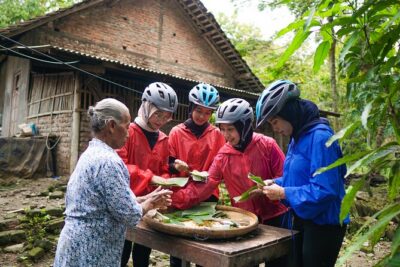 ★ 5.0Menoreh Village CyclingFrom $22611 reviews
 ★ 5.0Borobudur Top Access & Prambanan Temple Private TourFrom $73390 reviews
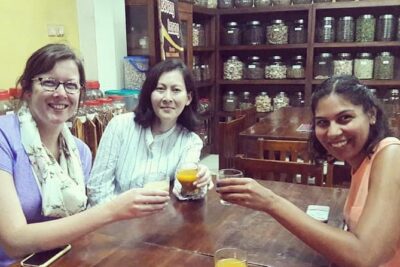 ★ 5.0Small-Group Walking and Food Tour by Night in YogyakartaFrom $36313 reviews
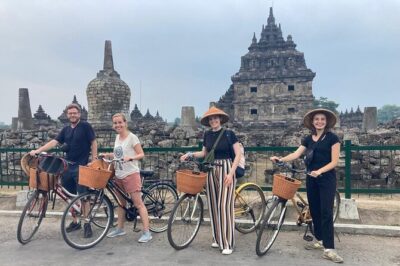 ★ 5.0Authentic Yogya Bicycle TourFrom $22232 reviews
 ★ 5.0Borobudur Climb-up & Prambanan Day Trip All InclusiveFrom $60226 reviews
 ★ 5.0Borobudur (climb), Prambanan & Other Visit By RequestFrom $120211 reviews
 ★ 5.0Yogyakarta Car Rental with Driver for Daily and Multi-Day ToursFrom $46169 reviews
 ★ 5.0Jogja Hidden Gems – Cycling TourFrom $45158 reviews
Browse the lists this tour appears in