
REVIEW · BALINESE COOKING CLASSES
Authentic Balinese Cooking Class in Ubud
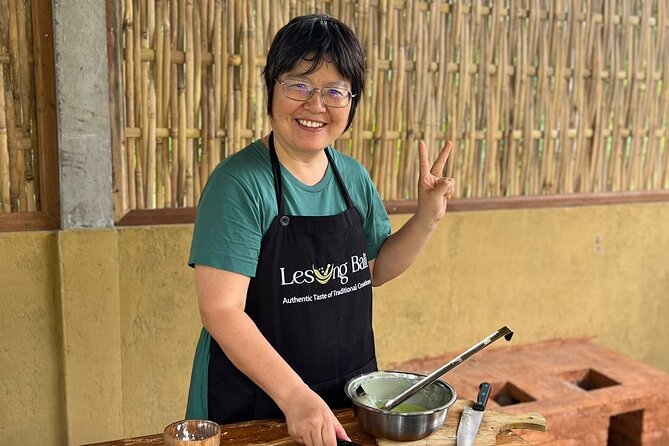
Cooking here feels like real Bali. This small-group class runs about five hours in the west-side greenery, and you learn hands-on technique like grinding spice pastes with a lesung mortar and pestle. I also like how the plan flexes with the day, especially if you choose the morning market option. One consideration: pickup is best inside Ubud, and going farther out adds extra transfer fees.
The pace stays human, and the teaching is practical. In one class, the teacher Putri was described as a delight, and that kind of personality matters when you are working with your hands. You also get a look at a typical Balinese home, so you learn daily life and how families think about where the house sits on the property.
Then you head to the farm, help pick the menu, and harvest some spices before you cook. You might even see a family ceremony during the home stop, which turns the cultural story from theory into something you can actually see. The farm setting makes the whole thing feel grounded, not staged.
In This Review
- Key things I’d pay attention to
- Why this Ubud class feels local, even when you’re on vacation
- The 5-hour flow: market, home, then farm cooking
- The morning market stop: spices you can actually recognize
- Inside a typical Balinese home: daily life and house placement
- The farm prep: harvest time and choosing your menu
- Technique you will repeat later: pounding, chopping, and lesung
- Banana leaves and the menu moment: turning ingredients into a meal
- What you actually get for $49: lunch, drinks, tools, and a recipe PDF
- Price and transfer reality checks for Ubud and beyond
- Small group size, real instruction, and why that makes a difference
- Who this Balinese cooking class is best for
- Should you book? My decision checklist
- FAQ
- How long is the Balinese cooking class in Ubud?
- Is pickup and drop-off included?
- Does the class include lunch?
- What beverages are included?
- Do you visit a market during the class?
- Can you choose a vegetarian menu?
- What cooking materials are provided?
- Do you get a recipe after the class?
- What is the group size?
- What happens if the weather is bad?
- What is the cancellation policy?
Key things I’d pay attention to
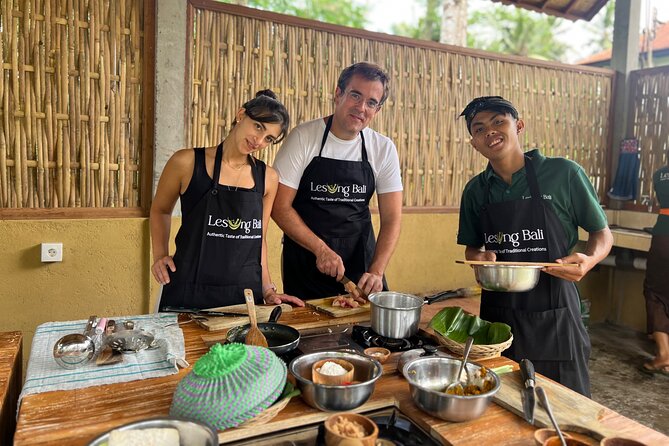
- Small-group cooking (max 15), so you get real attention at the workbench
- Morning option market visit where you can buy spices on the ground
- Home visit focused on lifestyle and house placement, not a scripted talk
- Farm spice harvesting before cooking, so ingredients have a story
- Hands-on Balinese technique like chopping and pounding with a lesung
- Leaves you with a recipe PDF plus lunch, coffee or tea, water, and an apron
Other kitchens taking bookings, compared
Why this Ubud class feels local, even when you’re on vacation
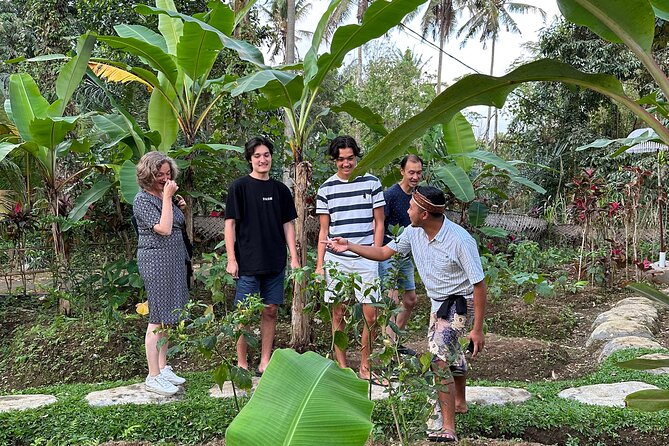
Ubud has its share of cooking classes, but this one is built around the real rhythm of the island. You start with a countryside setting on the west side of Ubud, with green surroundings instead of a parking-lot workshop vibe. That matters because Balinese food is tied to place, and you feel that shift once you are out of the center.
I like that it stays small. With a maximum of 15 people, the chef can correct your technique and answer questions without everyone waiting in a line. And because you are choosing a menu (including vegetarian), it does not feel like you are just following a conveyor-belt recipe.
The other thing I appreciate is the balance between food and culture. You do not only learn what to cook. You also learn where the ingredients come from, how houses are arranged, and why certain steps matter in Balinese cooking.
The 5-hour flow: market, home, then farm cooking
The day runs about 5 hours, and you get a choice of departure times. That is more useful than it sounds. If you pick the morning, you get extra context with a traditional market stop. If you pick later, you still get the farm and the full cooking instruction without rushing your morning plans.
Here is the rhythm you should expect, in plain terms:
1) You start with pickup from your Ubud area in an air-conditioned vehicle.
2) On morning departures, you visit a traditional market first, then buy some spices locally.
3) You move to a local house to learn about Balinese culture, lifestyle, and how the building is placed.
4) You go to the farm, explore and harvest the spices used for your menu, then cook.
Each step has a purpose. The market is about ingredients and everyday buying. The home visit is about lived culture. The farm is about freshness and technique, since you are working with ingredients you helped collect.
The morning market stop: spices you can actually recognize
If you book the morning class, you get a traditional market tour first. This is not just a walk for photos. You have time to buy some spices locally, which helps you understand what you are tasting later in the cooking.
A market stop also changes your shopping brain. Instead of thinking in vague categories like curry spice, you start noticing how vendors present spices by smell and form. You also get practice translating what you see into what you cook with, which makes the class feel more like learning and less like watching.
Practical tip: arrive a little hungry for the market part, but not so hungry that you get impatient later. Markets can stimulate your appetite and senses fast.
Inside a typical Balinese home: daily life and house placement
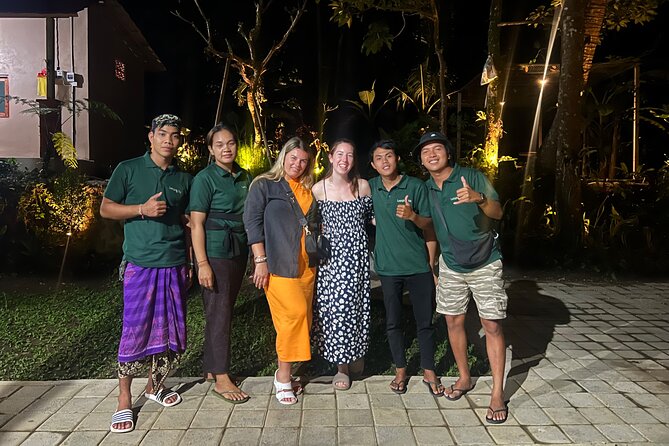
Next comes the local home visit. This is where the class widens from cooking technique into how Balinese families live.
The focus is on how the home works in everyday terms, plus the idea of where the building sits on the property. That house placement detail matters because Balinese life is organized around relationships between spaces, rituals, and daily routines. Even if you only catch the key ideas, it makes the rest of the day click.
One guest story shared a powerful moment: the home visit happened to coincide with a ceremony for a one-month baby celebration on the Balinese calendar. Even when that exact moment is not on your schedule, it signals why the stop feels genuine. You are visiting a real home, not a themed photo set.
- Uluwatu Sunset, Kecak Dance, and Dinner Jimbaran Beach★ 5.0 · 3,681 reviews
- Tanah Lot and North Bali Tour: Scenic Journey★ 5.0 · 3,620 reviews
- Body Massage Experience in Ubud Traditional Spa★ 5.0 · 3,506 reviews
- Best of Bali Waterfalls: Tibumana, Tukad Cepung and Tegenungan★ 5.0 · 3,047 reviews
- Bali: Ubud Kecak and Fire Dance Show Tickets★ 4.4 · 2,631 reviews
The farm prep: harvest time and choosing your menu
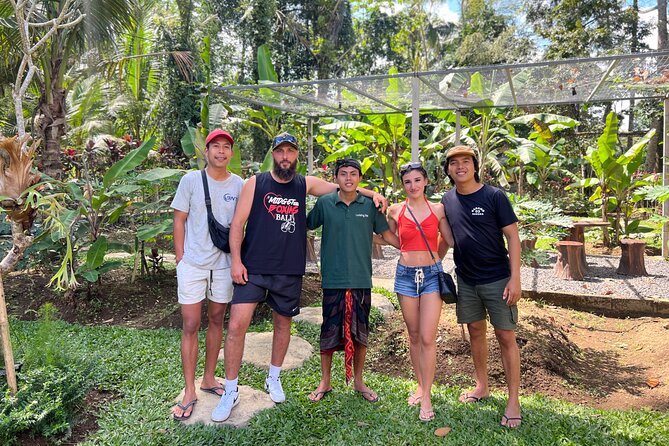
After the home stop, you head to the farm to begin the class work in earnest. Before you cook, you decide on a menu option. Then you explore the farm and harvest the spices you will use.
This is one of the best value parts of the experience, because it explains ingredient logic in a way that a cookbook never can. When you pick the spices from the source, you understand why freshness matters and how Balinese flavor often starts with spice preparation.
You also get to see how the farm experience fits into the cooking workflow. It is not just sightseeing. The harvested spices become the ingredients for the next steps: grinding, chopping, seasoning, and wrapping or cooking depending on the menu.
If you are vegetarian, you are covered. The class mentions both vegetarian and regular menu options that you can choose during the class. That is important because vegetarian meals often become an afterthought in some cooking experiences. Here, you are actually selecting what you cook.
Technique you will repeat later: pounding, chopping, and lesung
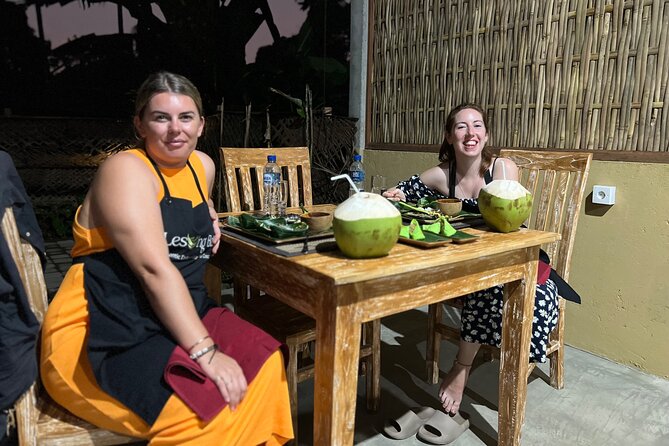
This is not a hands-off food tour where you watch someone else cook. You learn the techniques used in Balinese ways of cooking, including chopping and pounding spices with a lesung (mortar and pestle).
That specific technique is worth paying attention to. Pounding spices changes their texture and aroma. It also changes your control. Instead of sprinkling powdered spice and hoping for the best, you are actively building paste and seasoning layers.
The chef also explains how to cook and what to include for your chosen menu. Even if you do not catch every ingredient name, you will usually grasp the logic: what comes first, what needs time, and how to balance the flavors your dish is aiming for.
Practical tip: wear or bring clothing that can take a little mess. Even with aprons included, you will likely get some spice dust on your hands.
Banana leaves and the menu moment: turning ingredients into a meal
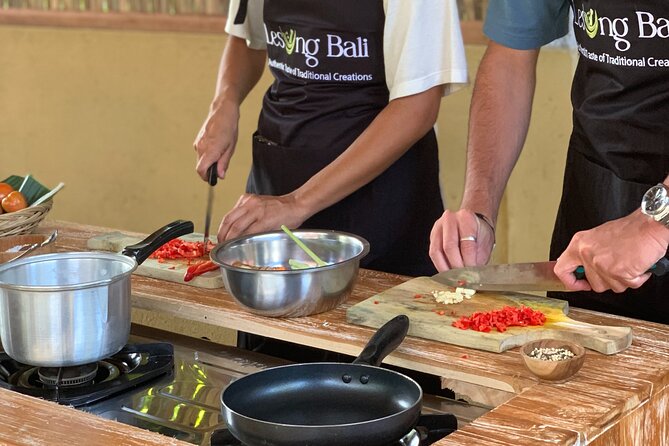
Balinese cooking often includes cooking and serving food with banana leaves, and this class is built around that style. You do not just learn the flavors. You learn the presentation logic that makes the food part of Balinese daily life.
Because you choose your menu option during the farm stage, the class stays focused. You are not cooking ten random bites. You are building a coherent meal.
One benefit of doing a structured menu is that you can recreate parts of it later. You will not need to guess which spice paste goes with which dish. The chef instruction ties your work to the final plate.
This is also where the classroom size helps. When you are doing steps like mixing pastes or handling leaf wrapping, you want someone nearby to correct your rhythm and technique.
What you actually get for $49: lunch, drinks, tools, and a recipe PDF
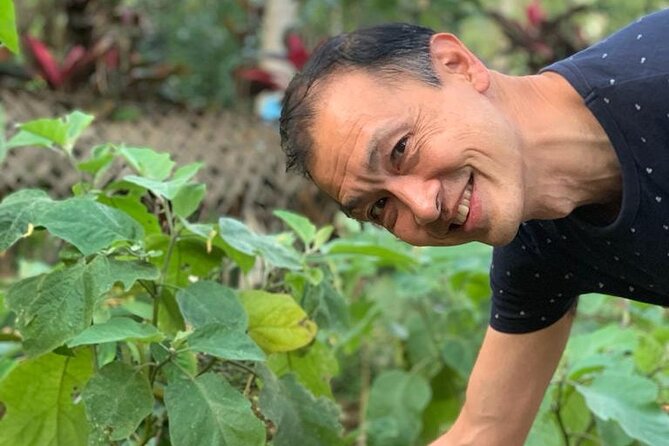
At $49 per person for an experience that runs about five hours, the value comes from what is included, not just the cooking part. You get:
- Pickup and drop-off in the Ubud area
- Lunch
- Bottled water
- Coffee and/or tea
- Air-conditioned vehicle
- Recipe (PDF)
- Cooking utensil and an apron
The included recipe PDF is a big deal for value. A lot of classes give you vague memories. A PDF helps you recreate something after you get home, especially if your notes get lost in post-trip chaos.
Also, the lunch and drinks inclusion means you are not doing the math in the middle of the day. You can cook without worrying about finding food afterward. That keeps the whole experience from turning into a hassle.
Price and transfer reality checks for Ubud and beyond
The headline price is $49, but the real cost depends on where you start. The tour lists extra fees for pickups outside Ubud area:
- Sanur area extra 400k/car
- Kuta, Seminyak, Canggu extra 450k/car
- Nusa Dua and Jimbaran extra 550k/car
- Uluwatu area extra 700k/car
Because the fee is per car, it can become reasonable if you share a vehicle with others, but it can sting if you are traveling solo or only two people. If you are staying outside Ubud, check the math before you lock it in.
Also note the tour is designed for a west-side Ubud farm setup. If your accommodation is on the edges, you may spend a bit more time in the vehicle. Still, the air-conditioned transport helps a lot in Bali’s heat.
Small group size, real instruction, and why that makes a difference
The cap is 15 travelers. This is the difference between learning and just getting fed.
With a group that size, you should get chances to do the active steps: grinding, chopping, mixing, and preparing. You also get explanations that stick, since the chef is not lecturing into a crowd of strangers.
The reviews also signal strong human details. The teacher Putri was praised, and the experience is described as a highlight for celebrations, including a boyfriend’s 30th birthday. Another guest story described a driver who was pleasant, handled questions about local culture, and even made a requested stop. Those are not tiny perks. They shape whether your day feels relaxed or stressful.
Who this Balinese cooking class is best for
This is a great fit if you want real skill, not just a meal. If you care about learning why a dish tastes the way it does, the lesung pounding technique and farm spice harvesting give you a foundation you can repeat later.
It is also a good choice for people who want culture without heavy planning. You get a traditional market, a typical home, and a countryside farm stop, all rolled into one half-day experience.
If you are traveling with a partner or family, the small group size helps it feel personal rather than chaotic. One family story included a spouse and son, and the overall tone sounded welcoming and friendly.
If you want a totally laid-back food tasting with zero hands-on cooking, this may be more work than you expect. The class is hands-on by design.
Should you book? My decision checklist
Book this class if you want a hands-on Balinese cooking experience in Ubud with culture built in, not bolted on. The combination of market (morning), home visit, farm spice harvest, and technique coaching is what makes the day feel complete.
You should also book if you like recipes you can use later. The included recipe PDF, plus what you learn about spice pastes and cooking steps, gives you something practical to take home.
Skip or reconsider if you are staying far outside Ubud and do not have a group to share the extra transfer costs. In that case, the base price can swell once pickup fees are included.
If you are unsure which time to choose, here’s the simple logic: go morning if you want the market spices and extra local texture. Go later if you want the farm and cooking without committing your entire morning.
FAQ
How long is the Balinese cooking class in Ubud?
It runs for about 5 hours (approx.).
Is pickup and drop-off included?
Yes, pickup and drop-off are included for the Ubud area, with extra fees listed for some other areas.
Does the class include lunch?
Yes, lunch is included.
What beverages are included?
Bottled water is included, plus coffee and/or tea.
Do you visit a market during the class?
Yes, you can visit a traditional market, but it is specifically for the morning class option.
Can you choose a vegetarian menu?
Yes, there is variety of menu options, including vegetarian and regular, and you can choose during the class.
What cooking materials are provided?
You receive cooking utensil and an apron.
Do you get a recipe after the class?
Yes, you get a recipe in PDF format.
What is the group size?
The experience has a maximum of 15 travelers.
What happens if the weather is bad?
The experience requires good weather. If canceled due to poor weather, you will be offered a different date or a full refund.
What is the cancellation policy?
Free cancellation is available up to 24 hours in advance for a full refund. If you cancel within 24 hours of the start time, the amount paid is not refunded.
More Kitchens Taking Bookings
Fresh Ubud write-ups from the review desk





Balinese Cooking Classes, compared.
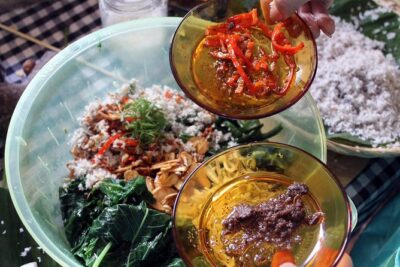 ★ 5.0PRIVATE Authentic Balinese Cooking Class in Ubud at Putu’s HomeFrom $75644 reviews
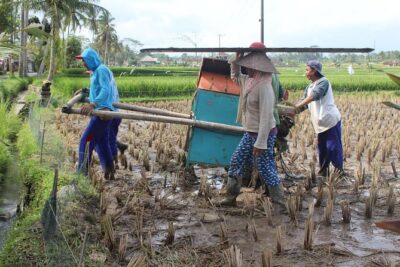 ★ 5.0Balinese Ubud cooking school (9 Dish Cooking and Market Tour)From $58540 reviews
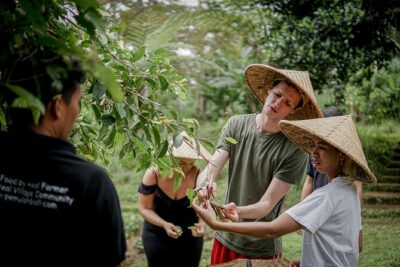 ★ 5.0Balinese Farm Cooking Class by Pemulan BaliFrom $39410 reviews
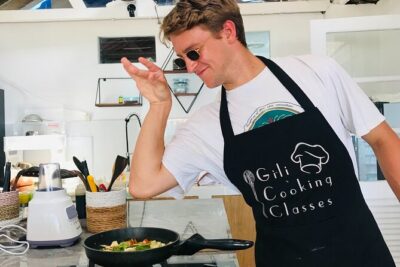 ★ 5.0Learn to cook Indonesian food at Gili Cooking Classes TrawanganFrom $33352 reviews
 ★ 5.0Balinese Cooking Class in SeminyakFrom $66281 reviews
 ★ 5.0Anggrek Putih Lombok Cooking ClassFrom $30253 reviews
 ★ 5.0Balinese Authentic Cooking Class in UbudFrom $39239 reviews
 ★ 5.0PRIVATE Balinese Cooking Class in Ubud with Dewa with TransfersFrom $69213 reviews
Browse the lists this tour appears in