
REVIEW · BALINESE COOKING CLASSES
PRIVATE Balinese Cooking Class in Ubud with Dewa with Transfers
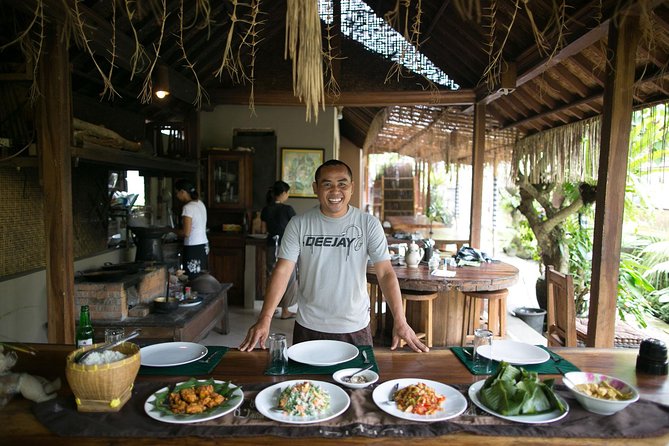
Dewa’s family kitchen turns a class into a visit. You start with a garden walk for herbs and spices, then cook on a wood-fired stove in a traditional compound outside Ubud.
I especially love how personal it feels, starting with the village and family life before you touch ingredients. I also like that the cooking is hands-on, so you leave with recipes you can actually repeat at home.
One possible drawback: this is not a studio-style cooking class, it is a home experience with walking and a rustic kitchen setup, so it may not feel like a quick, polished lesson if you want everything highly standardized.
In This Review
- Key Highlights You’ll Want to Know Up Front
- A Half-Day With Dewa in Keliki’s Family Compound
- How the Garden Tour Shapes the Cooking Lesson
- From Pestle and Mortar to a Wood-Fired Stove
- The Balinese Dishes You’ll Cook and Eat
- Eating With the Family, Not After the Fact
- Transfers From Ubud: Easy, Private, and Geographically Important
- Where You Start
- Pricing at $69: What Makes It Feel Like Value
- Who Should Book This (And Who Might Not)
- Practical Tips for a Smooth Day in Dewa’s Village Kitchen
- Should You Book This Balinese Cooking Class in Ubud?
- FAQ
- How long is the Balinese cooking experience?
- Is this experience private?
- What is included in the price?
- Do you pick up travelers outside Ubud?
- Is a vegetarian meal available?
- Is this a professional cooking class?
- What kind of food will I be cooking?
- Is alcohol included?
- Where do I meet and where does it end?
- What is the cancellation policy?
- Are service animals allowed?
Key Highlights You’ll Want to Know Up Front
- Garden tour first, with fruits, herbs, and spices tied to how they’re used in everyday cooking
- Traditional pestle and mortar work, so you understand the paste-making technique, not just the dish
- Wood-fired stove cooking, with real tools and real timing built into Balinese methods
- A family meal with local beer and water, not just a snack and a photo stop
- Private, 2-way transfers from Ubud, which makes this half-day feel easy
- Recipe notebook take-home, so you can recreate the dishes later
Other kitchens taking bookings, compared
A Half-Day With Dewa in Keliki’s Family Compound
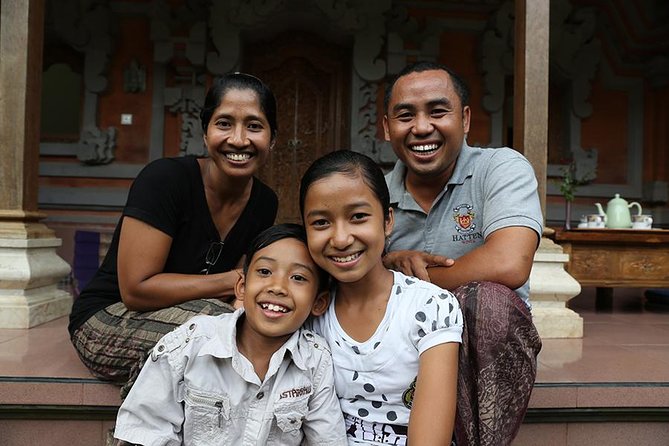
This experience is built around one host, Dewa, and the life of his family in a village area just north of Ubud. You’re not going to a commercial cooking school. You’re going into a traditional Balinese setting where the day flows from walking, to cooking, to eating.
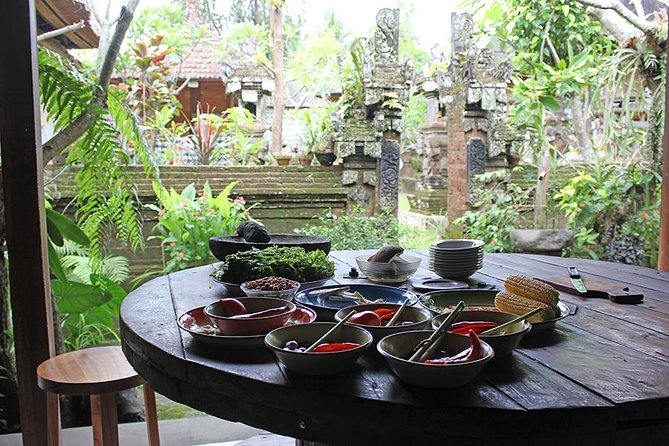
The compound setup matters. You spend time in a traditional Balinese family compound with open pavilions around a central courtyard. That layout keeps things airy and social, and it also means you’re moving through different spaces as the day shifts from learning to cooking to sitting down.
Dewa’s approach also shapes the day. People often describe him as calm and spiritual in the way he explains what you’re seeing and tasting. Even if you are not into spirituality, the practical side is strong: he connects ingredients to local uses, including medicinal properties and spiritual beliefs that influence how food is chosen and prepared.
How the Garden Tour Shapes the Cooking Lesson
Before you cook, you walk the grounds and learn what the family grows. You’ll discover exotic fruits, herbs, and spices, including galangal, cacao, and nutmeg. The point is not trivia. It’s to help you understand what goes into Balinese cooking and why it is worth treating as more than just flavor.
This is also where the day’s tone clicks into place. Instead of starting with a recipe and forcing yourself to memorize steps, you start by seeing how ingredients come from the garden. When you later grind or mix them, it feels connected, not random.
You also get a short lesson on medicinal properties. That can sound heavy on paper, but in the flow of the day it’s simple: why certain ingredients get used, what they’re believed to support, and how that fits into Balinese home cooking.
If you enjoy food that tastes grounded in place, this garden-first format is one of the biggest reasons this experience gets repeated praise.
From Pestle and Mortar to a Wood-Fired Stove
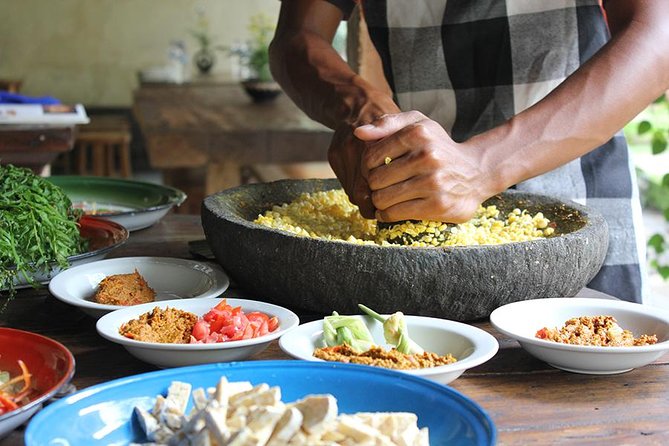
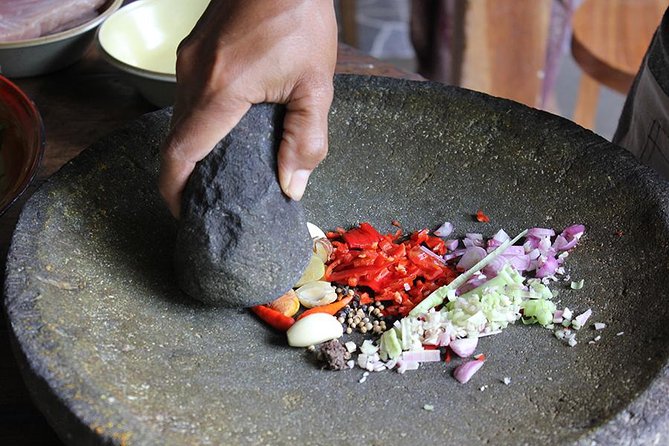
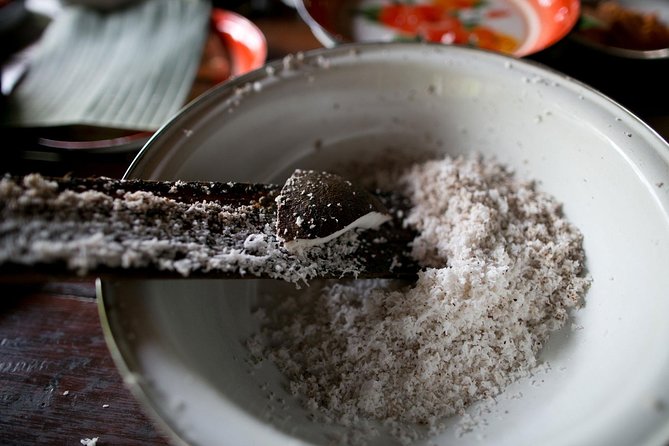
Here’s the cooking setup you should expect. You’ll use traditional equipment, including a pestle and mortar for grinding pastes. Then you’ll cook on a traditional wood-fired stove. That combination changes everything about texture and timing.
With pestle and mortar, you feel the work. You’re not just pressing buttons, you’re building paste by grinding. Even if you have cooked before, this method can be a new skill, because the goal is aroma and consistency, not speed.
The wood-fired stove adds another layer. Heat behaves differently than a modern burner. Cooking over wood means the stove is doing what it does, and your attention needs to match it. It also explains why certain dishes are prepared in a particular order.
This is one of those experiences where you’ll learn technique by participating. You might find yourself doing more prep than you expected, since the day is described as not a professional class but a real home cooking process shared step by step by Dewa and his family.
The Balinese Dishes You’ll Cook and Eat
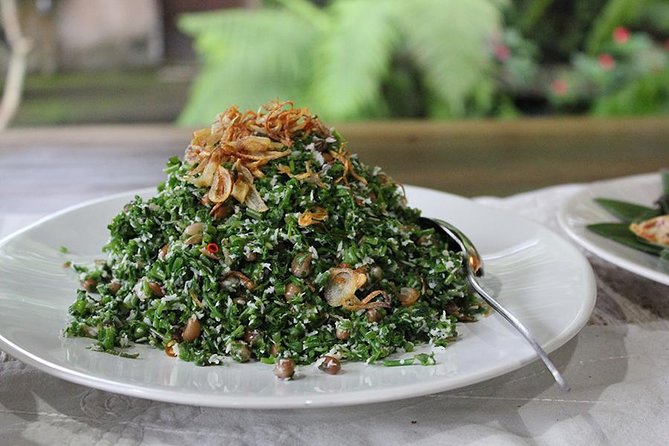
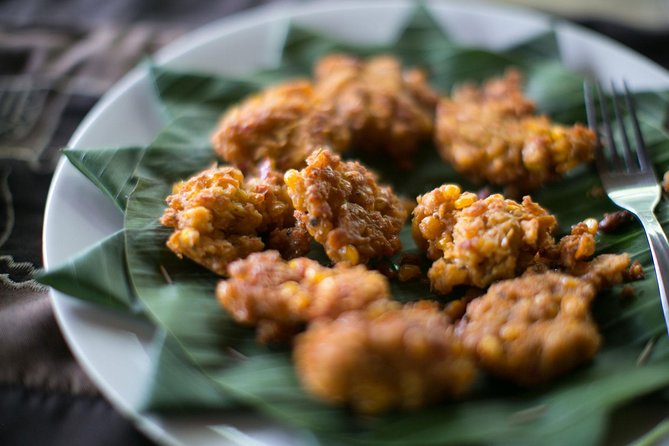
The day is centered on cooking multiple Balinese dishes and eating what you make, in the same home environment where you learned them. You get examples of dishes right up front, and you should be prepared for a mix of savory mains and other items.
Here are the dish examples that are specifically named:
- Pepes Ikan: grilled tuna in banana leaves
- Bumbu kuning: chicken in a fresh turmeric and coconut milk sauce
- Bregedel: handground corn fritters
Even when you’re not working on those exact dishes every time, the style of cooking is consistent: fresh pastes, banana leaf or coconut-based flavors, and spice blends that feel built from ingredients rather than bottled sauces.
What I’d pay attention to on your plate is how the flavors land. The cooking is local and home-based, so you might notice they are not trying to force Western-style saltiness. Instead, you’re tasting spice, coconut, and aromatics in a more natural balance.
- Uluwatu Sunset, Kecak Dance, and Dinner Jimbaran Beach★ 5.0 · 3,681 reviews
- Tanah Lot and North Bali Tour: Scenic Journey★ 5.0 · 3,620 reviews
- Body Massage Experience in Ubud Traditional Spa★ 5.0 · 3,506 reviews
- Best of Bali Waterfalls: Tibumana, Tukad Cepung and Tegenungan★ 5.0 · 3,047 reviews
- Bali: Ubud Kecak and Fire Dance Show Tickets★ 4.4 · 2,631 reviews
Eating With the Family, Not After the Fact
After cooking, you eat your meal in the family setting. You’ll have local beer and water with your food, which makes the meal feel like part of the celebration, not the end of a checklist.
The social side is real. Open kitchens and family compounds mean you’re not separated from everyone by a wall. You may chat, watch others cook, and see how the household moves around the meal.
Transfers From Ubud: Easy, Private, and Geographically Important
The biggest logistics win here is the private 2-way transfer from Ubud hotels and vacation rentals. That is not just comfort. In Bali, it also saves time and stress. You’re paying for someone to handle the transport so the half-day stays focused on the experience.
The one catch is geography. If your lodging is outside the Ubud region, Dewa cannot provide round-trip transportation from there. In that case, you’ll meet directly at his home in Keliki.
If you are staying in Ubud proper, this becomes a smooth plan:
- Pickup happens via private vehicle
- You go toward the terraced foothills and village area north of Ubud
- The experience runs in the family compound, then returns you back
Where You Start
The listed start meeting point is Rumah Makan Jero Nini, Keliki (Tegallalang area, Gianyar). The experience also ends back at the meeting point. If you are getting pickup, you can use the meeting point as your anchor reference in case you need to confirm timing the day of.
Pricing at $69: What Makes It Feel Like Value
At $69 per person, you are paying for more than cooking instruction. You are paying for access to a real home setting, a guided garden and village experience, ingredient prep with traditional tools, and private round-trip transport from Ubud.
For this price, the included pieces that matter most are:
- Round-trip transfers from Ubud
- Private garden tour and cooking class with Dewa
- Alcoholic beverage included (local beer)
- A meaningful cultural and culinary experience designed around how a Balinese family lives and cooks
This is not the kind of class where you show up, follow a printed recipe, and leave with a small folder. The day’s structure is built around learning in context: plants, pastes, wood-fired cooking, and then eating together.
If you are comparing only per-dish cooking time, it may not look like the cheapest option. But if you care about the cultural access and the skill transfer, the value feels stronger.
Also, the experience is widely recommended, with a 5-star rating and 99% recommendation rate based on the included rating summary. That’s a strong signal that the hosts and the meal quality consistently land well.
Who Should Book This (And Who Might Not)
This fits best if you want Balinese food with a human story attached. If you care about where ingredients come from and you like learning directly from someone who lives the culture daily, you’ll enjoy how the day flows.
It also works well for:
- Food lovers who want technique, not just recipes
- Couples who want a private experience without being locked into a big-group format
- Travelers who like hands-on activities and are comfortable walking some during the garden and village portion
You might want to think twice if:
- You need a fully staged, professional classroom setup
- You do not like walking on uneven paths or spending time in a rustic, home kitchen setting
- You expect a fast, trendy, Instagram-first food stop
This is a half-day experience, so it’s easier to fit into a Ubud plan than a full-day tour, but it still feels like you did something substantial.
Practical Tips for a Smooth Day in Dewa’s Village Kitchen
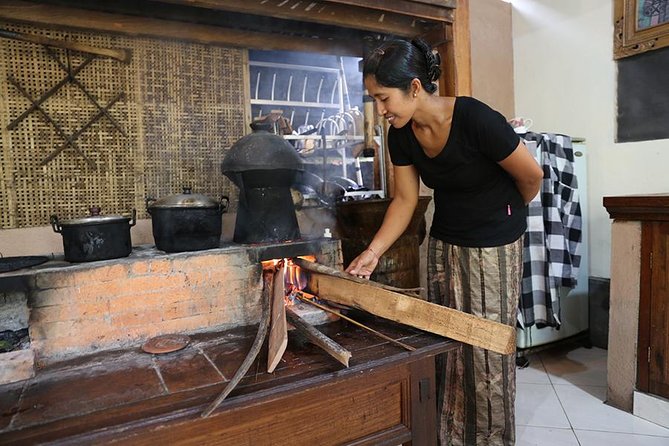
A few small choices can make this day feel much better:
- Wear comfortable shoes for the walking portion. There are paths and village streets involved.
- If you have dietary needs, ask early. A vegetarian option is available, as long as you advise at the time of booking.
- Plan to participate. The format is described as a home cooking visit, so you’re expected to do hands-on steps, not just watch.
- If you care about alcohol, note that local beer is included. Water is included too.
If you’re traveling with a group, the tour is private, meaning it is just your group. That helps keep questions easy and keeps the day from feeling rushed by other schedules.
Should You Book This Balinese Cooking Class in Ubud?
I’d book it if you want a real village-based meal, not a packaged demo. The combination of garden tour, traditional cooking tools, and a family setting where you eat what you make is the main reason this feels special.
Skip it if you only want a short, clean, teacher-led session with no walking and no home-kitchen atmosphere. This is cultural and hands-on by design.
If you are staying in Ubud, the private transfers are a big practical win. And if you are the type who wants to take home recipes you can recreate, the recipe notebook aspect (along with step-by-step cooking) is a strong reason to spend the half-day here instead of another food stop.
FAQ
How long is the Balinese cooking experience?
It lasts about 4 hours.
Is this experience private?
Yes. It is a private tour/activity, and only your group participates.
What is included in the price?
Included are round-trip transfers from Ubud, a private garden tour and cooking class with Dewa, an immersive Balinese cultural and culinary experience, and local beer (alcoholic beverages).
Do you pick up travelers outside Ubud?
Dewa can provide round-trip transportation only from Ubud hotels. If you are staying outside Ubud, there is no transportation and you meet directly at his home in Keliki.
Is a vegetarian meal available?
Yes, a vegetarian option is available. You need to advise at booking if required.
Is this a professional cooking class?
No. It is described as a visit to an authentic local home to meet a local family who are expert cooks and share Balinese culture and cuisine.
What kind of food will I be cooking?
You learn to cook several Balinese dishes, including examples like pepes Ikan (grilled tuna in banana leaves), bumbu kuning (chicken in fresh turmeric and coconut milk sauce), and bregedel (handground corn fritters).
Is alcohol included?
Yes. Local beer is included, and you also have water.
Where do I meet and where does it end?
The start meeting point is Rumah Makan Jero Nini, Keliki, Tegallalang area. The activity ends back at the meeting point.
What is the cancellation policy?
You can cancel for a full refund if you cancel at least 24 hours before the experience’s start time.
Are service animals allowed?
Yes. Service animals are allowed.
More Kitchens Taking Bookings
Fresh Ubud write-ups from the review desk




Balinese Cooking Classes, compared.
 ★ 5.0PRIVATE Authentic Balinese Cooking Class in Ubud at Putu’s HomeFrom $75644 reviews
 ★ 5.0Balinese Ubud cooking school (9 Dish Cooking and Market Tour)From $58540 reviews
 ★ 5.0Balinese Farm Cooking Class by Pemulan BaliFrom $39410 reviews
 ★ 5.0Learn to cook Indonesian food at Gili Cooking Classes TrawanganFrom $33352 reviews
 ★ 5.0Balinese Cooking Class in SeminyakFrom $66281 reviews
 ★ 5.0Anggrek Putih Lombok Cooking ClassFrom $30253 reviews
 ★ 5.0Balinese Authentic Cooking Class in UbudFrom $39239 reviews
 ★ 5.0Balinese Cooking class with traditional morning market visitFrom $35161 reviews
Browse the lists this tour appears in