
REVIEW · BALINESE COOKING CLASSES
Balinese Ubud cooking school (9 Dish Cooking and Market Tour)
Nine dishes, big flavor day. I love how nine Balinese dishes are taught step by step with you actively cooking at the stations, and I love the guided morning market walk where you taste fruit and learn what goes into the classics. Do note the pickup is limited to the Ubud area, so if you’re farther out you may pay extra and spend longer in the car.
This is run like a real local operation, and you may run into a chef such as Yogi or guides like Wayan, Tata, or Putu depending on the day. The best part is that you work with Balinese ingredients and get recipe copies you can actually use back home.
Plan on about 5 hours total, with a maximum of 14 people, so you are not stuck watching from the sidelines.
In This Review
- Key highlights you should know
- Why This Ubud Balinese Cooking Class Feels More Real Than a Standard Lesson
- Meeting at Ubud Palace, Then Getting Moved Like a Local Day Trip
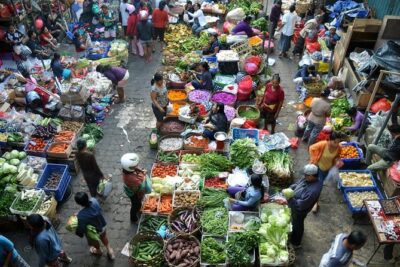
- Morning Market Walk: How Balinese Markets Actually Work
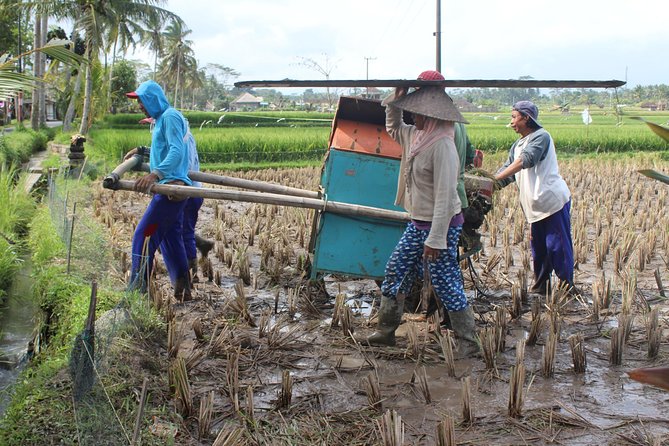
- Rice Paddies and the Subak Connection: Beyond a Photo Stop
- The Local House Visit: Where Food Culture Is Lived, Not Sold
- Inside the Kitchen: How Nine Dishes Get Taught Step by Step
- What You Cook: The Regular and Vegetarian Nine-Dish Menus
- Regular menu includes
- Vegetarian menu includes
- Lunch, Recipe Copies, and What You Take Home That Actually Helps
- Price and Logistics Reality Check: Is $58 Good Value?
- Who This Balinese Cooking and Market Tour Is Best For
- Should You Book This 9-Dish Cooking and Market Tour?
- FAQ
- How long is the Balinese Ubud 9-dish cooking and market tour?
- Where do I meet, and where does it end?
- Is pickup included?
- What if I stay outside Ubud?
- What is included in the tour price?
- What is not included?
- Do I get a vegetarian option?
- How many recipes do I learn to make?
- Is the market visit only for the morning class?
- What should I bring?
Key highlights you should know
- Nine dishes, not three: you work on a full menu, from soup and satay to spice pastes and sweets.
- Morning market time: guided shopping and tasting helps you understand what Balinese cooking starts with.
- Rice paddies visit: you learn about rice growing, types of rice, and harvest timing.
- Real kitchen setup: equipment and ingredients feel local, not staged for tourists.
- Choose regular or vegetarian: the menu is adapted so you still cook the core classics.
Other kitchens taking bookings, compared
Why This Ubud Balinese Cooking Class Feels More Real Than a Standard Lesson
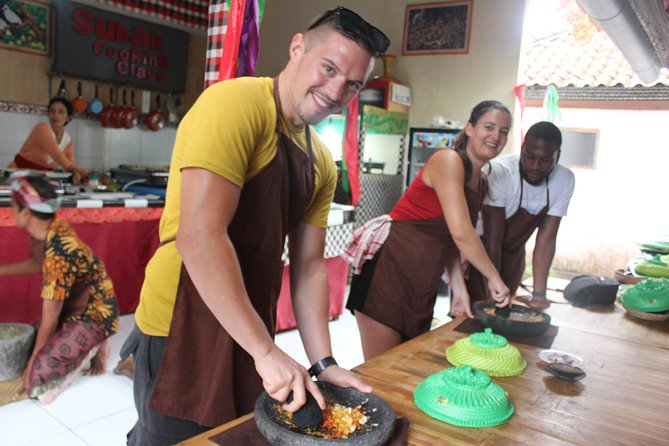
Ubud can be full of cooking schools that feel like a performance. This one leans the other way. You cook through a lineup of classic dishes, and the day is built around the ingredients and culture that shape Balinese food, not just the final plate.
The menu is broad enough that you learn multiple flavors and techniques, not one cooking trick. You also get the small practical wins that make cooking at home easier: equipment provided, recipes to take away, and an end meal that is basically a tasting festival of what you made.
Two things I appreciate right away are the pacing and the support. Even when there are many dishes, the teaching is step-by-step, and you are not left guessing. And because the group is capped at 14, it still feels like an actual class.
The one caution is logistics. Pickup and drop-off are offered for the Ubud area only, so your schedule and overall comfort can change if you are outside Ubud or need extra transport.
Meeting at Ubud Palace, Then Getting Moved Like a Local Day Trip
Your start point is at Ubud Palace, and the tour returns you there at the end. If you choose pickup within Ubud, a driver handles you from your area back to the meeting point.
The tour also runs with a mobile ticket, and you are asked to show your reservation. Bring a camera if you like photos because you will likely want one at the rice paddies and during market stops.
Dress is simple. Plan for normal everyday clothes. You may end up with splashes and kitchen smells on you, so go with comfortable travel clothes you do not mind getting a little Balinese.
Time-wise, you are looking at about 5 hours. That matters because it keeps the day from dragging, but still gives you time for the market, rice fields, and cooking.
Morning Market Walk: How Balinese Markets Actually Work
If you pick the morning option, the market visit becomes the heart of the day. You go with a guide who explains how people sell and buy, including what they look for in ingredients for daily cooking.
This is not just a stroll. You taste local fruit and sweets, which is a big help because Balinese flavors often start off sweet, sour, and aromatic before they ever hit the stove. One of the most useful things you learn here is how the ingredients connect, like how herbs and spices show up across multiple dishes.
Expect to see the market the way it is meant to be used, not like a shopping mall. You will also get a sense of the rhythm of a local morning, and that makes the later cooking step feel more grounded.
If you are short on time in Bali, this market stop is one of the best places to get value fast. You leave with both flavors in your mouth and ideas in your head.
Rice Paddies and the Subak Connection: Beyond a Photo Stop
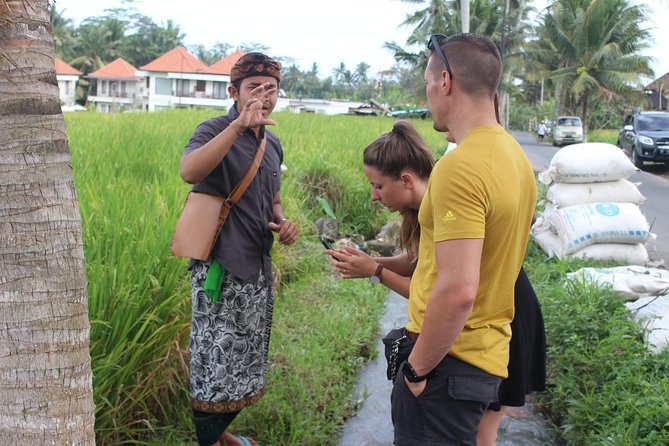
After the market, you head to the rice paddies area. This part is more than a view break. You learn how rice is grown in Bali, including the types of rice and the harvest timing.
That matters because rice is not a side character in Balinese meals. It is the base that anchors the sauces, sambals, and grilled dishes. When you understand the rice context, even the simplest instruction about serving white rice lands differently.
You might also get a chance to see the paddies with a volcano view, depending on the day and weather. Either way, this stop helps shift your mindset from cooking as entertainment to cooking as culture.
- Uluwatu Sunset, Kecak Dance, and Dinner Jimbaran Beach★ 5.0 · 3,681 reviews
- Tanah Lot and North Bali Tour: Scenic Journey★ 5.0 · 3,620 reviews
- Body Massage Experience in Ubud Traditional Spa★ 5.0 · 3,506 reviews
- Best of Bali Waterfalls: Tibumana, Tukad Cepung and Tegenungan★ 5.0 · 3,047 reviews
- Bali: Ubud Kecak and Fire Dance Show Tickets★ 4.4 · 2,631 reviews
The Local House Visit: Where Food Culture Is Lived, Not Sold
The day also includes a visit to a local Balinese house. This is one of those stops that can easily feel optional on paper, but it adds context.
Balinese food is shaped by daily life, local rhythms, and house routines. Seeing a home setup helps you understand why offerings and ingredients matter so much in everyday cooking.
If you like practical cultural details, this is a good moment to slow down. It also makes the cooking school feel less like a separate world and more like the next room in a familiar home process.
Inside the Kitchen: How Nine Dishes Get Taught Step by Step
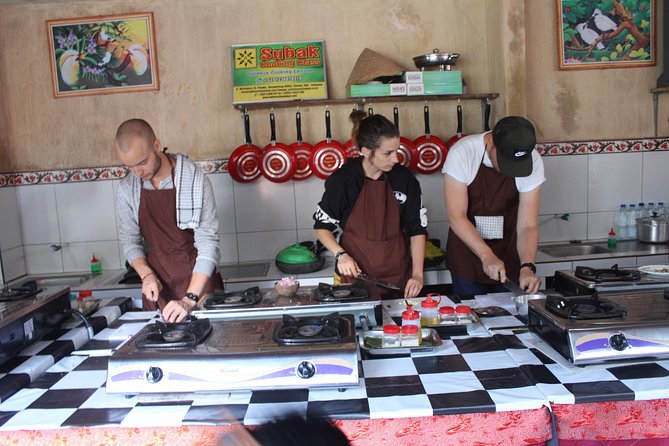
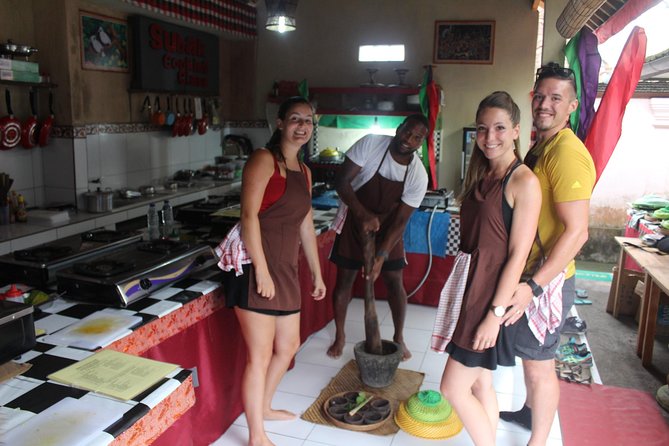
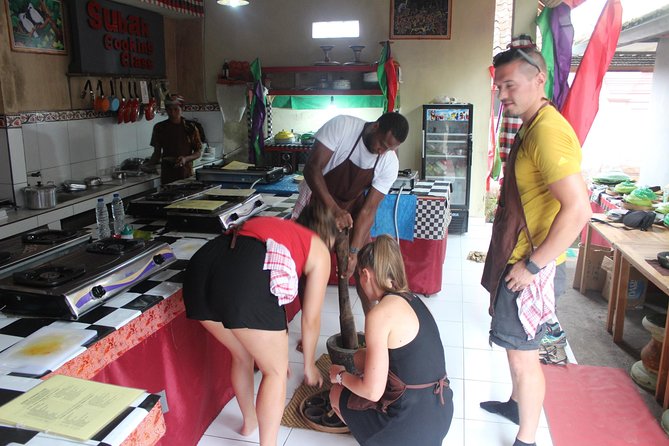
Once you reach the cooking school, it becomes a hands-on workflow. The instruction is step by step with a Balinese chef and local kitchen support. You typically cook with a partner and share the workload across stations.
A big plus here is the amount of cooking you actually do. Many classes promise several dishes but leave you doing mostly chopping. This one pushes into the full sequence, so you work through multiple techniques and flavor profiles in one sitting.
You also get equipment in the kitchen and ingredients prepared for you to work with. That reduces the usual beginner stress of cooking unfamiliar food. You focus on learning methods, not running around trying to find the right pan or ingredient.
There is also food tasting built in. That gives you feedback in the moment, so you can adjust your sambals, seasoning, and paste flavors before the final meal.
Finally, when the class ends, you are not stuck cleaning. The team does the heavy lifting, so your time stays on cooking and eating.
What You Cook: The Regular and Vegetarian Nine-Dish Menus
The class is designed around Balinese classics, and you choose regular or vegetarian in advance. Either way, you cook a full set of dishes and finish with a shared lunch buffet that includes white rice.
Regular menu includes
- Sayur Bali (Balinese vegetable soup)
- Ayam santan bumbu Bali (fried chicken with coconut milk)
- Tempe manis (sweet fried tempe)
- Sate lilit Bali (chicken satay)
- Pepes ayam (grilled and steamed chicken in banana leaf)
- Lawar Bali (mix vegetable with Balinese spices)
- Sambal matah (raw spices with coconut oil)
- Base gede (basic spices paste)
- Klepon cake (boiled sticky flour circles with palm sugar)
Vegetarian menu includes
- Sayur Bali (Balinese vegetable soup)
- Tofu bumbu Bali (fried tofu with basic sauce)
- Tempe manis (sweet fried tempe)
- Sate tempeh (Balinese soybean cake skewer with peanut sauce)
- Pepes tofu (soybean curd grilled or steamed in banana leaf)
- Lawar Bali (mix vegetable with Balinese spices)
- Sambal matah (raw spices with coconut oil)
- Base gede (basic spices paste)
- Klepon cake (boiled sticky flour circles with palm sugar)
What I like about this menu structure is that it teaches building blocks. Base gede and sambal matah show up as key flavor cores across meals. Lawar and sayur Bali teach how Balinese spice blends interact with vegetables and coconut notes. And klepon gives you dessert that feels authentic, not just a generic sweet.
Lunch, Recipe Copies, and What You Take Home That Actually Helps
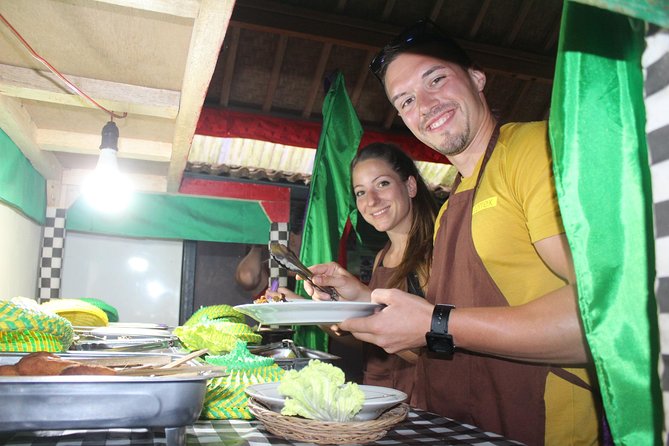
By the end, you eat what you cooked. The lunch or dinner buffet includes the dishes you prepared, and white rice is part of the main course serving.
You also get copies of the recipes to take away. This is a big value point because Bali cooking classes can blur into memory quickly. Recipe copies help you repeat the flavors later, especially for the dishes with spice paste steps.
You will likely want to take leftovers with you if you over-order food at the table, because nine dishes plus rice can be a lot. The staff can also help with packing up, which is a nice practical touch.
If your goal is to bring home more than photos, this is one of the better ways to do it. You get techniques, flavor logic, and a paper trail to recreate the meal.
Price and Logistics Reality Check: Is $58 Good Value?
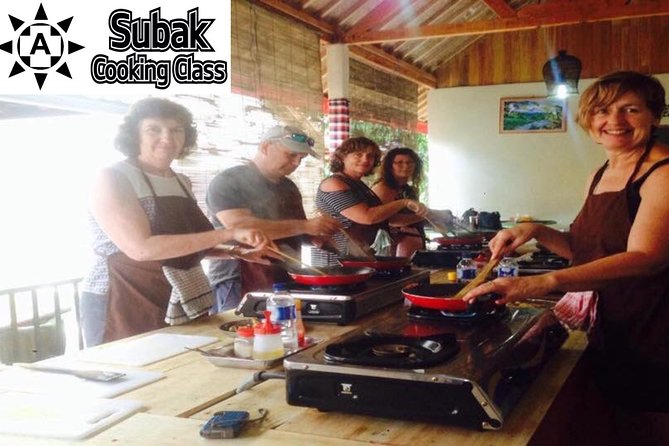
At $58 for about 5 hours, this tour hits a strong sweet spot if you care about food and culture. You are not just paying for the cooking portion. Your price includes the market visit, rice paddies visit, a local house visit, kitchen instruction, bottled water, tasting, and the meal that you cook.
For food lovers, the value comes down to what you can repeat at home. Nine dishes is a high dish count for one session, and you get recipe copies for all of it. If you love learning how Balinese flavors work, you get plenty of material to practice.
The logistics can swing the experience, though. Pickup only covers Ubud area. If you stay outside Ubud, you may pay extra for transport. And because one unhappy moment in Bali is usually about travel time, you should plan for a longer total day if your hotel is far from Ubud Palace.
Group size helps. With a maximum of 14 people, the class usually stays active, not crowded.
Who This Balinese Cooking and Market Tour Is Best For
Book this if you want a real Ubud food day that includes the market and rice paddies, not just a kitchen session. It is a great fit for couples and small groups because you cook with a partner and still get the guide attention you need.
It also fits beginners. The class is designed so you can follow step-by-step instructions and learn unfamiliar ingredients without feeling overwhelmed.
You might reconsider if you hate cars or long transfers. Even though pickup is offered in Ubud, the class can still involve driving to the market and rice paddies, and time can stretch if you are farther out.
Should You Book This 9-Dish Cooking and Market Tour?
Yes, if your priority is learning Balinese cooking in a structured way and you want the full ingredient story from market to stove. The mix of cooking, tasting, rice paddies context, and recipe copies makes it more than a one-time meal.
I would book it with confidence if you are staying in or near central Ubud. For hotels farther away, confirm pickup details early and budget extra transport time so the day stays fun instead of stressful.
If you are hungry, you are in the right place. This is a full food day, not a snack class.
FAQ
How long is the Balinese Ubud 9-dish cooking and market tour?
It runs for about 5 hours.
Where do I meet, and where does it end?
The tour starts at Ubud Palace and ends back at the meeting point.
Is pickup included?
Pickup and drop-off are included for the Ubud area only.
What if I stay outside Ubud?
Additional charges may apply for pickup and transport if you stay outside Ubud.
What is included in the tour price?
Included are bottled water, kitchen equipment use, recipe copies to take away, food tasting, lunch or dinner buffet with what you cooked, local guide or host, driver or guide, and visits to the market and rice paddies. A local Balinese house visit is also included.
What is not included?
Pickup for areas outside Ubud is not included unless requested with additional charges. Alcoholic drinks are also not included.
Do I get a vegetarian option?
Yes. You can choose regular or vegetarian, and the vegetarian menu replaces the meat-based dishes while keeping the overall set of items.
How many recipes do I learn to make?
You are taught to prepare at least 9 recipes.
Is the market visit only for the morning class?
Yes, the traditional market visit is for the morning class option.
What should I bring?
Bring your camera and bring cash for any additional transport charges if you stay outside Ubud. You should also show your booking reservation.
More Kitchens Taking Bookings
Fresh Ubud write-ups from the review desk





Balinese Cooking Classes, compared.
 ★ 5.0PRIVATE Authentic Balinese Cooking Class in Ubud at Putu’s HomeFrom $75644 reviews
 ★ 5.0Balinese Farm Cooking Class by Pemulan BaliFrom $39410 reviews
 ★ 5.0Learn to cook Indonesian food at Gili Cooking Classes TrawanganFrom $33352 reviews
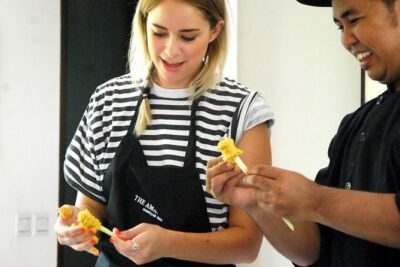 ★ 5.0Balinese Cooking Class in SeminyakFrom $66281 reviews
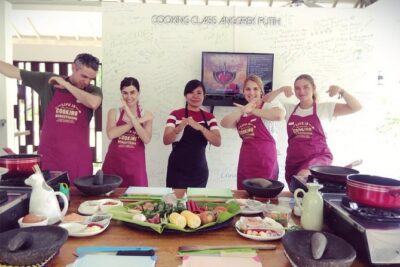 ★ 5.0Anggrek Putih Lombok Cooking ClassFrom $30253 reviews
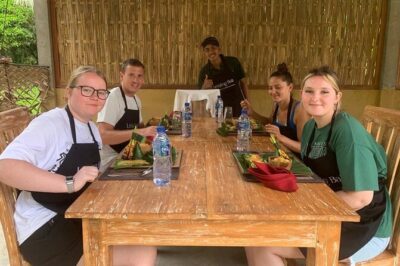 ★ 5.0Balinese Authentic Cooking Class in UbudFrom $39239 reviews
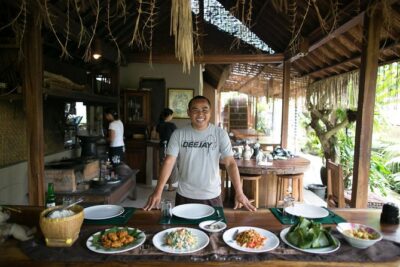 ★ 5.0PRIVATE Balinese Cooking Class in Ubud with Dewa with TransfersFrom $69213 reviews
 ★ 5.0Balinese Cooking class with traditional morning market visitFrom $35161 reviews
Browse the lists this tour appears in