
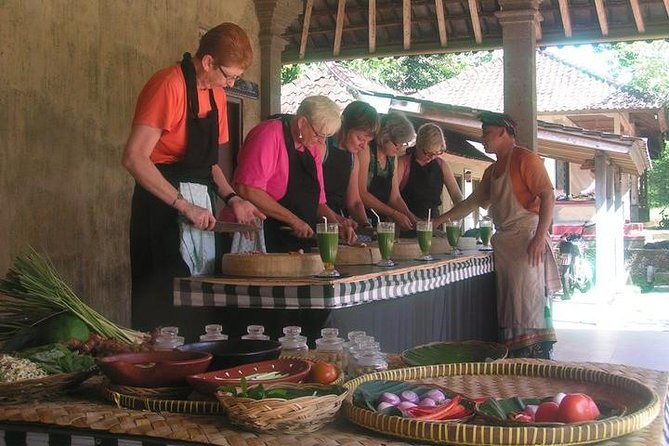
REVIEW · BALINESE COOKING CLASSES
Bali Cooking Class with Culture Experience
Cooking with locals starts with breakfast. In this Ubud cooking class, you begin at a morning market, then cook a full Balinese meal in a family home setting. I especially liked the way your Family Host walks you through herbs, spices, and produce before the kitchen work starts.
I also love the warm setup at home, with Dewa serving coffee or tea (plus his Pisang Goreng, banana fritters) before you start. The session is hands-on, structured, and leaves you with an illustrated booklet to repeat what you made. One possible drawback: it starts around 7:30 am, so you’ll want to be ready for an early, active morning.
In This Review
- Key highlights to look for
- Where this Bali class fits in your Ubud morning
- Morning market: the real lesson starts before the kitchen
- Dewa’s coffee and Pisang Goreng, then culture at home
- Inside the Lobong cooking pavilion: hands-on, guided, practical
- What you learn as you cook (and what to watch for)
- Lunch you prepare, plus a gratitude ritual
- The take-home booklet: your bridge back to your kitchen
- Price and value: why $62 can make sense
- Logistics that actually matter in the real world
- Who this Bali cooking class is best for
- Should you book Lobong’s Bali cooking class?
- FAQ
- Where does the Bali cooking class take place?
- What time does the class start?
- How long is the experience?
- Is pickup from hotels included?
- What’s included in the cooking and meal?
- How big is the group?
- Can I get a full refund if I cancel?
Key highlights to look for
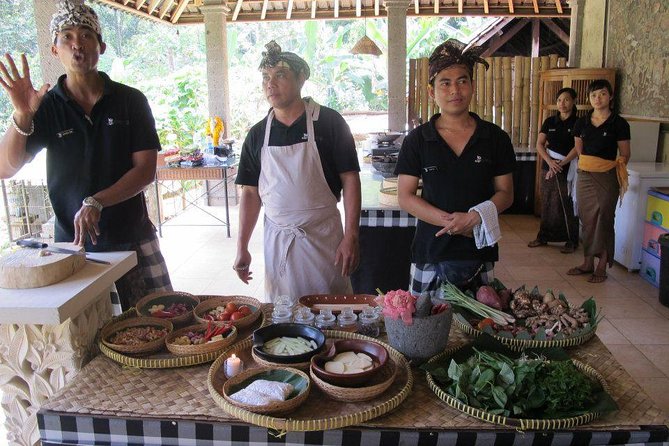
- Market shopping with a Family Host: You’ll pick ingredients and learn what each one does in Balinese cooking.
- Pisang Goreng and hot drinks to begin: A snack that sets the tone, before you jump into the class.
- A full menu, not just one dish: You’ll work through an appetizer, multiple entrees, side dishes, and dessert.
- Small group size (max 12): Easier questions, better pacing, and a more personal home-kitchen feel.
- Illustrated take-home instructions: A booklet with menu, recipes, directions, photos, tips, and room for notes.
- Culture woven into the meal: You’ll hear about Balinese life, including families, home shrines, and a gratitude ritual after eating.
Other kitchens taking bookings, compared
Where this Bali class fits in your Ubud morning
This experience runs from central Ubud and is built around a morning rhythm. You start at about 7:30 am, then the day moves from a local market to a family compound cooking pavilion. The total time is about 6 hours, so it’s long enough to feel like real immersion, but not so long that you lose the rest of your day.
Because it’s a small group (up to 12 travelers), the pace stays human. You’re not stuck waiting your turn while the group moves on without you. That matters, especially when you’re learning how spices and aromatics build flavor step by step.
Morning market: the real lesson starts before the kitchen
Your class begins at a local market, where your Family Host purchases and explains the ingredients you’ll use later. This part is more than sightseeing. It’s the foundation for cooking Balinese food, because herbs, spices, fruits, and vegetables are the flavor engine.
Here’s what you can expect this early step to do for you:
- You’ll learn what fresh ingredients look, smell, and taste like at the source.
- You’ll connect each item to what it contributes later in the meal.
- You’ll get a feel for which ingredients feel essential, and which ones are more flexible.
If you’re the type who likes to understand food beyond taste, you’ll enjoy this section a lot. It gives you “why” along with “how,” so you’re not just copying steps.
Dewa’s coffee and Pisang Goreng, then culture at home
Once you’re back at the family home, you’re greeted by Dewa with a hot cup of coffee or tea, or mineral water. Then the snack arrives: his Pisang Goreng, fresh made crispy banana fritters.
This is a smart start. Sweet and warm, it helps settle your taste buds before the class asks you to notice aromatics, spice levels, and texture. And it breaks the morning tension you can sometimes feel right after a market walk.
While you eat and drink, you’ll also hear about Balinese life, including families and the idea of home shrines. The key here is how naturally the information fits into the day. It’s not a lecture that pulls you away from the senses of cooking. It’s culture you can point to on the way to the cooking space.
Inside the Lobong cooking pavilion: hands-on, guided, practical
After the drinks and snack, you move into the cooking pavilion where the session is set up for you. The host team double checks that everything is ready, which is a big deal when you’re learning. Less scrambling means more learning time, and you’ll feel it in the flow.
The structure is clear: you’re guided through building a complete menu, including:
- an appetizer
- multiple traditional entrees
- accompanying side dishes
- dessert
This is one of the best values in this class. Many cooking tours make you do one dish, maybe two. Here you get enough variety to understand how Balinese cooking changes across courses, not just how to make one thing.
- Uluwatu Sunset, Kecak Dance, and Dinner Jimbaran Beach★ 5.0 · 3,681 reviews
- Tanah Lot and North Bali Tour: Scenic Journey★ 5.0 · 3,620 reviews
- Body Massage Experience in Ubud Traditional Spa★ 5.0 · 3,506 reviews
- Best of Bali Waterfalls: Tibumana, Tukad Cepung and Tegenungan★ 5.0 · 3,047 reviews
- Bali: Ubud Kecak and Fire Dance Show Tickets★ 4.4 · 2,631 reviews
What you learn as you cook (and what to watch for)
You’ll learn about herbs and spices and how they work together in Balinese flavors. Since the exact ingredient list isn’t spelled out here, focus on the learning method instead of memorizing every item. When you cook, pay attention to:
- Aroma first: what you smell tells you you’re on track.
- Texture changes: spice mixes and pastes can shift as ingredients warm and combine.
- Timing: flavors develop as you cook, not just as you mix.
Also, you’re cooking in a family setting. That means you’re likely to get practical checks from the chef and the team, not only “finish it when it looks right.” It’s the difference between a class and a performance.
Lunch you prepare, plus a gratitude ritual
After you cook, you eat what you made. Lunch is part of the program, and it’s served after the cooking work is done, so you can focus on the result rather than rushing.
One detail worth noting: there’s often a ritual of gratitude after the meal. That kind of moment can feel small on paper, but it changes the vibe of the day. You’re not just eating food, you’re participating in a cultural habit tied to how food is valued.
You’ll also notice how the meal is designed to feel like a real Balinese lunch spread, not a Western-style “one plate, done” setup. That variety is one of the reasons people talk about how memorable this experience is.
The take-home booklet: your bridge back to your kitchen
You leave with an illustrated instructional booklet. It includes the menu plus recipes, directions, photos, tips, and space for personal notes.
This matters more than it sounds. When you’re learning at home, the hardest part is remembering the steps later. A booklet that includes photos and directions helps you recreate what you did, not just guess.
Practical tip: when you finish the class, jot a few notes about what you tasted and what felt tricky. Even a quick comment like too spicy, needed more time, or smelled stronger than expected will help when you cook again weeks later.
Price and value: why $62 can make sense
At $62 for about 6 hours, this isn’t a cheap “drop-in cooking demo.” You’re paying for several value drivers that add up:
- round-trip transfers from central Ubud hotels
- a morning market visit that informs your cooking
- drinks and a snack to start (coffee or tea plus Pisang Goreng)
- hands-on cooking across a full menu, then eating what you made
- an illustrated booklet you keep
If you’ve ever taken a cooking class that costs similar money but only covers one dish, you’ll appreciate how this one covers multiple courses. That bigger output is where the value lives.
Logistics that actually matter in the real world
You get pickup offered, plus round-trip transfers from central Ubud hotels. That’s key because getting across town in the morning can be annoying, especially when your schedule is tight.
The class also uses a mobile ticket, which is convenient if you like to keep everything in one place. And it’s near public transportation, so even if you’re not staying in the pickup zone, you might find it easier to reach than some remote tours.
One more practical note: because it starts at 7:30 am, plan your day around it. If you’re up late the night before, you’ll feel it. But if you’re the type who likes mornings, this is a great way to see Ubud at its most lively and fresh.
Who this Bali cooking class is best for
This experience is a strong match if you want more than a recipe. You’ll likely enjoy it if you:
- like cooking and want a clear structure for multiple dishes
- enjoy markets and want to learn ingredients firsthand
- want cultural context tied to everyday life, not just temples and photos
- prefer small groups (max 12) over large crowds
It’s also a good choice for people traveling with a “food learning” mindset. You’re not only eating well, you’re understanding why the food works.
Should you book Lobong’s Bali cooking class?
I’d book this if your goal is a practical, learnable cooking session with cultural context, all without spending the entire day on transport or waiting around. The combo of a guided market, a real home-kitchen feel with Dewa and Pisang Goreng, and the take-home illustrated booklet is exactly what helps this kind of class stick with you after Ubud.
But if you hate early mornings, or you’re looking for a fully self-paced experience where you can wander and take your time, this one may feel too structured. It’s designed to be guided from start to finish.
If you like food that’s tied to daily life, and you want instructions you can actually use at home, this is a very solid call.
FAQ
Where does the Bali cooking class take place?
The experience is in Ubud, Indonesia, and it starts at Lobong Bali Cooking Class.
What time does the class start?
The start time is 7:30 am.
How long is the experience?
It lasts about 6 hours.
Is pickup from hotels included?
Yes, the tour offers round-trip transfers from central Ubud hotels, and pickup is offered.
What’s included in the cooking and meal?
You’ll tour a local morning market, shop for ingredients, enjoy a hot drink and banana fritters (Pisang Goreng), cook a menu that includes an appetizer, multiple entrees, side dishes, and dessert, and then enjoy the lunch you prepare.
How big is the group?
The class has a maximum group size of 12 travelers.
Can I get a full refund if I cancel?
Yes. Free cancellation is available up to 24 hours before the experience starts for a full refund, based on the local time.
If you want, tell me your travel dates and dietary limits, and I’ll help you think through whether this timing and menu format fits your day in Ubud.
More Kitchens Taking Bookings
Fresh Ubud write-ups from the review desk





Balinese Cooking Classes, compared.
 ★ 5.0PRIVATE Authentic Balinese Cooking Class in Ubud at Putu’s HomeFrom $75644 reviews
 ★ 5.0Balinese Ubud cooking school (9 Dish Cooking and Market Tour)From $58540 reviews
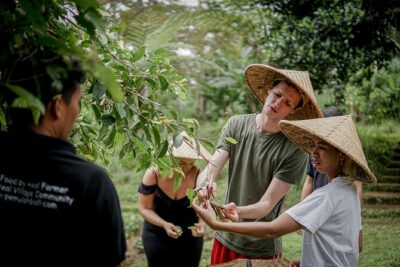 ★ 5.0Balinese Farm Cooking Class by Pemulan BaliFrom $39410 reviews
 ★ 5.0Learn to cook Indonesian food at Gili Cooking Classes TrawanganFrom $33352 reviews
 ★ 5.0Balinese Cooking Class in SeminyakFrom $66281 reviews
 ★ 5.0Anggrek Putih Lombok Cooking ClassFrom $30253 reviews
 ★ 5.0Balinese Authentic Cooking Class in UbudFrom $39239 reviews
 ★ 5.0PRIVATE Balinese Cooking Class in Ubud with Dewa with TransfersFrom $69213 reviews
Browse the lists this tour appears in