
REVIEW · BALINESE COOKING CLASSES
Bali Ubud Paon Cooking Class
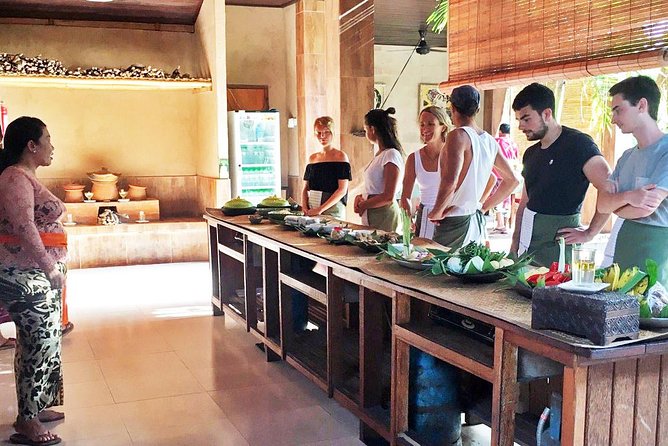
If you want Bali flavors you can actually repeat, start here. This small-group Balinese cooking class is built around learning from a professional cook and then eating what you make, with a morning option that adds an Ubud Traditional Art Market stop for fresh ingredients and spice shopping.
I especially like the practical flow: shop in the market, cook in a real home-style setup, then sit down for lunch. I also like that it is capped at a small maximum of 15 people, which keeps the class interactive instead of watch-and-hope. One thing to consider, if you have strict timing, is that pickup and drop-off are only included within the Ubud area, so you may need extra planning if your hotel is outside that zone.
In This Review
- Key things you should know before you go
- Paon Bali cooking class in Ubud, what you do and why it works
- Ubud Traditional Art Market stop, finding ingredients the right way
- The Paon Bali cooking class, banana-leaf fish and satay you help make
- Lunch, timing, and what you get for $44
- Transfers within Ubud, and how the day actually runs
- Getting recipes you can use at home
- Who should book the Paon Bali class, and who might want to skip it
- Quick decision guide: book it or pass?
- FAQ
- How long is the Bali Ubud Paon Cooking Class?
- How much does it cost per person?
- Where does the experience take place?
- Is hotel pickup included?
- Does the tour include a market visit?
- What food is included?
- What dishes might you cook?
- How big is the group?
- Do I get any materials or confirmation?
- Is there a cancellation refund?
Key things you should know before you go
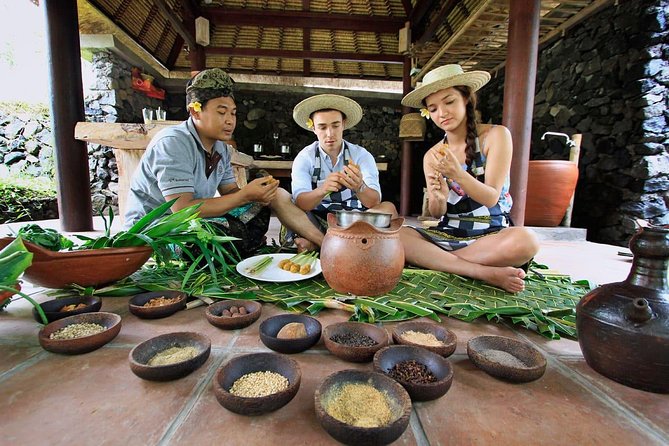
- Morning market is the best add-on: the market visit is only included on the morning session, so book accordingly if that part matters to you.
- Hands-on cooking, not just a demo: you help prepare the dishes, then you get to eat the results as part of the included meal.
- A real Balinese home setting: the cooking happens in a home where you learn techniques and why ingredients are used, not just how to follow steps.
- Forest views during class: the cooking space has been described as stunning with outlooks of the surrounding area.
- Simple and efficient support: multiple instructors/support staff help keep the pace moving and the steps clear.
- You get a certificate: a cooking class certificate is included, plus you may get recipe help after, depending on your group.
Other kitchens taking bookings, compared
Paon Bali cooking class in Ubud, what you do and why it works
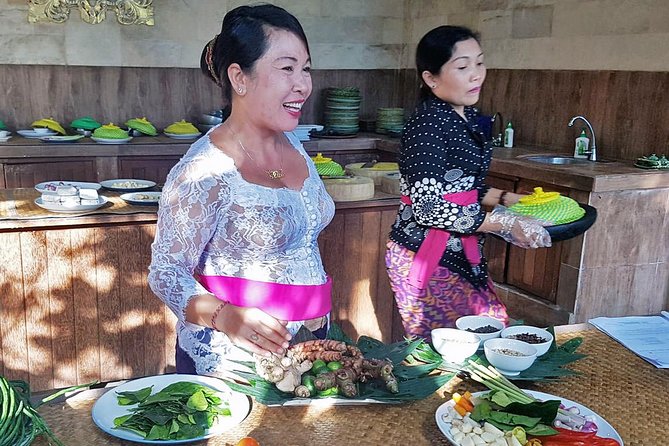
Paon Bali is a full half-day food plan in Ubud, about 5 hours from start to finish. You go with a provider called Wandernesia, and the experience is designed to be small, up to 15 travelers. That size matters. In a class this short, a big group turns into waiting your turn. Here, the small cap keeps the energy up and the teaching more personal.
The core idea is straightforward. You learn Balinese cooking the way locals cook, with emphasis on spices and techniques, then you eat lunch made from your own work. If you are the kind of person who likes cooking at home, this format is a win because you are not just tasting, you are learning the method behind the flavor.
You also get a cooking class certificate. It is not life-changing paperwork, but it is a nice souvenir and a reminder that you did something active, not just watched it happen.
Ubud Traditional Art Market stop, finding ingredients the right way
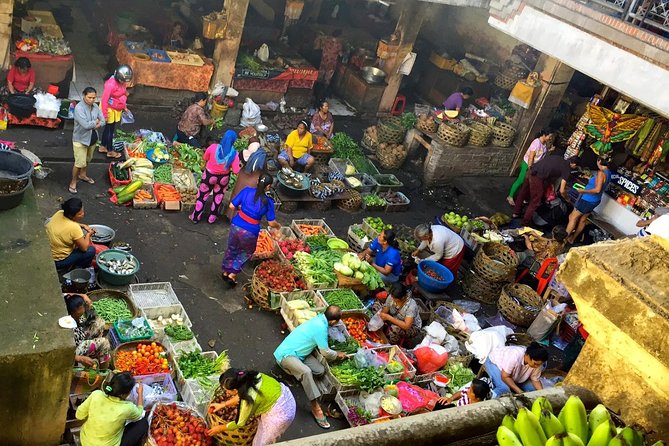
The market stop is Stop 1: Ubud Traditional Art Market, and it is included only on the morning session. That early timing is ideal if you want to see ingredients while they are fresh, not picked over and picked through. You also get a chance to connect names, shapes, and smells to what ends up on your plate.
In practice, the market visit is where the day turns from entertainment into learning. You are shopping for ingredients you will cook with later, and you are learning about spices as you go. One useful tip from past participants: you may find spices that are hard to locate in the US, so if you enjoy cooking and want to recreate dishes later, it is worth budgeting a little extra for spice purchases if that is allowed for your group.
One drawback to flag: if you book an afternoon session, you will not get the market visit. That is fine if you mainly want the cooking part, but if you are curious about Balinese ingredients and want the culture piece, go morning.
The Paon Bali cooking class, banana-leaf fish and satay you help make
Stop 2: Paon Bali Cooking Class is where the food magic happens. Expect a professional-led class in an inviting home-style setting, and based on descriptions from previous guests, the space has views of the forest. That matters more than it sounds. When the setting is pleasant, you stay present for the cooking steps, instead of rushing through for photos.
The menu centers on classic Balinese flavors. You might make dishes such as banana-leaf fish and minced chicken satay, and the class is designed so you can participate in the prep work rather than just stand around. In other words, you get your hands involved, which is how you actually learn what to do differently when you cook at home.
The teaching style is also worth noting. Multiple instructors and support staff help keep things efficient. The explanations are step-by-step, with attention to what each ingredient is doing in the dish, not just what it is called. That is the difference between following a recipe and understanding a technique.
One special detail from the experience descriptions: you might cook at the home of Wayan (the host name comes up in participant feedback), which adds a “you are learning from a person, not a studio” feel. That home setting is part of why this class lands so well with people who care about authenticity.
Lunch, timing, and what you get for $44
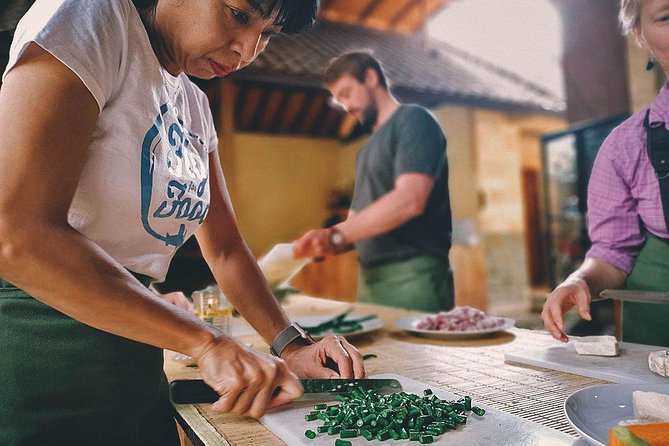
Let’s talk value, because $44 can feel like either a steal or a stretch depending on what is included. Here, you get a lot for a single price:
- Lunch
- The cooking class
- A cooking class certificate
- A morning market visit (only for the morning session)
- Ubud hotel transfers within the included area
- A group size that stays small, max 15
For a 5-hour activity, that is strong value, especially if you would otherwise spend money and time getting to a cooking venue yourself. Included transfers within Ubud reduce the hassle, and lunch means you do not have to plan a meal afterward.
Now the practical note that can change the value for you: pickup and drop-off are only included within the Ubud area. If your hotel is outside that zone, there may be an additional charge to handle pickup and drop-off beyond Ubud. So before you fall in love with the idea, double-check your location is in the included transfer zone.
You also get a mobile ticket. That is a small thing, but it helps in Bali, where you want things to be easy and paper-light.
- Uluwatu Sunset, Kecak Dance, and Dinner Jimbaran Beach★ 5.0 · 3,681 reviews
- Tanah Lot and North Bali Tour: Scenic Journey★ 5.0 · 3,620 reviews
- Body Massage Experience in Ubud Traditional Spa★ 5.0 · 3,506 reviews
- Best of Bali Waterfalls: Tibumana, Tukad Cepung and Tegenungan★ 5.0 · 3,047 reviews
- Bali: Ubud Kecak and Fire Dance Show Tickets★ 4.4 · 2,631 reviews
Transfers within Ubud, and how the day actually runs
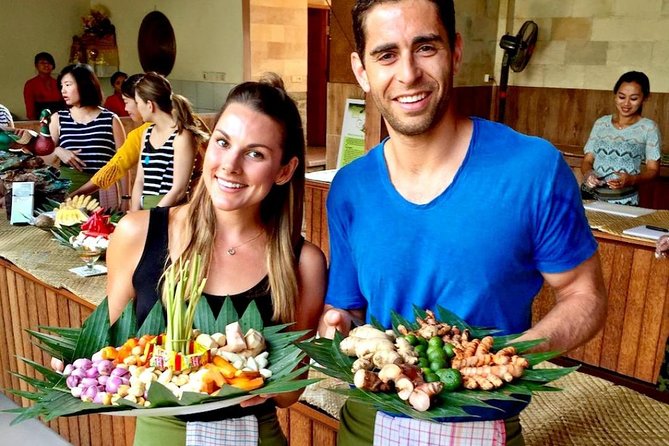
This experience includes hotel transfer services within the Ubud area only, plus pickup is offered. If you are staying somewhere in Ubud, that is a big convenience. If you are in a rental and near the pickup route, the wording indicates you can choose your nearest hotel. That suggests they try to make pickup straightforward for the typical Ubud stay.
If you are not in Ubud, expect extra coordination. The activity does say pickup and drop-off outside of Ubud can come with an additional charge. So if you are basing yourself elsewhere in Bali and doing day trips into Ubud, plan that part early.
The day is usually paced so you are not sitting around forever. Based on how the class is described, the support staff help keep steps efficient, and the pace is often noted as smooth. In plain terms, you should feel like you are doing something the whole time.
Getting recipes you can use at home
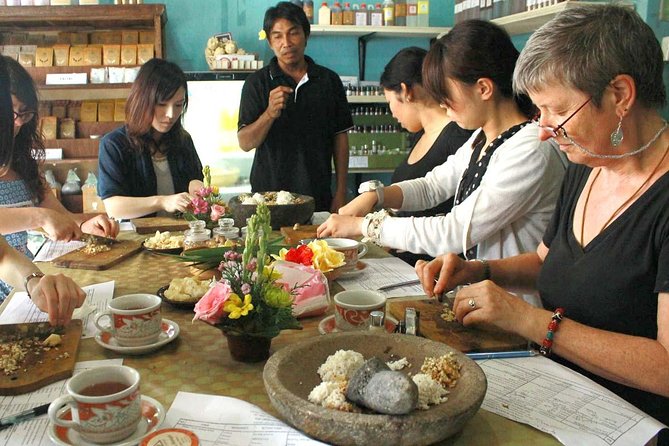
The best souvenir from a cooking class is what you can recreate once you are home. This class leans that way. You learn spices and techniques, and you cook the dishes, so it is easier to remember what changes a sauce, what makes a satay taste right, and how spice blends behave.
One extra perk that shows up in participant feedback: you may have recipes sent to you via WhatsApp if you want. If you like cooking from a written plan, that helps. Even if you do not, pay attention during the class to the steps and ingredient logic, because that is what lets you cook without copying every gram.
Also, this class provides a certificate. It is not a cooking credential, but it is a nice way to remember that you went beyond tasting and actually learned the process.
Who should book the Paon Bali class, and who might want to skip it
This is a great match if you want hands-on learning and you enjoy food. It is especially suitable for:
- Amateur home cooks who want to understand Balinese techniques, not just sample dishes
- Couples and small groups who want a fun, social activity that still teaches skills
- Families, since the format is interactive and paced with support staff
- People who care about doing one authentic activity in Ubud instead of stacking five generic stops
It may be less ideal if:
- You do not want to go to a market. The market stop is part of the morning session only.
- You want a private, one-on-one cooking setup. This is designed as a small group, not a private workshop.
- Your hotel is outside the included Ubud transfer area, because transportation may add friction or extra cost.
Quick decision guide: book it or pass?
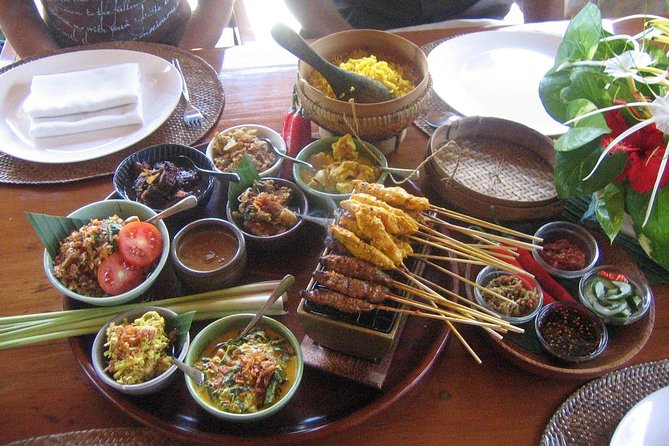
Book this class if you want a small-group cooking day that includes lunch and, ideally, the morning market ingredient hunt. At $44 for about 5 hours, with transfers within Ubud included and a certificate added, it is solid value, particularly if you like bringing flavors home.
Pass or consider another option if you mainly want a food show without shopping, or if getting to and from your exact hotel location is likely to fall outside the included transfer zone. In that case, the class may still be good, but the total hassle can drag down the value.
FAQ
How long is the Bali Ubud Paon Cooking Class?
The class runs about 5 hours.
How much does it cost per person?
The price is $44.00 per person.
Where does the experience take place?
It is in Ubud, Indonesia.
Is hotel pickup included?
Hotel transfer services are included within the Ubud area only. Pickup and drop-off outside of Ubud may have an additional charge.
Does the tour include a market visit?
Yes, the traditional market visit is included only on the morning session.
What food is included?
Lunch is included.
What dishes might you cook?
The experience includes Balinese dishes such as banana-leaf fish and minced chicken satay.
How big is the group?
The class has a maximum of 15 travelers.
Do I get any materials or confirmation?
You receive a cooking class certificate, and confirmation is received within 48 hours of booking (subject to availability). It also uses a mobile ticket.
Is there a cancellation refund?
This experience is non-refundable and cannot be changed for any reason. If you cancel or ask for an amendment, the amount paid will not be refunded.
More Kitchens Taking Bookings
Fresh Ubud write-ups from the review desk





Balinese Cooking Classes, compared.
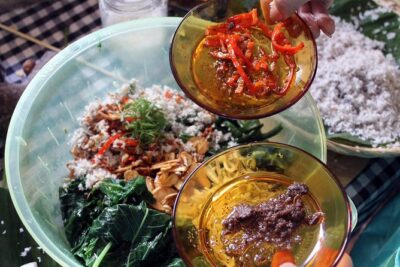 ★ 5.0PRIVATE Authentic Balinese Cooking Class in Ubud at Putu’s HomeFrom $75644 reviews
 ★ 5.0Balinese Ubud cooking school (9 Dish Cooking and Market Tour)From $58540 reviews
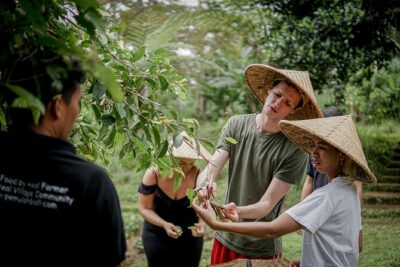 ★ 5.0Balinese Farm Cooking Class by Pemulan BaliFrom $39410 reviews
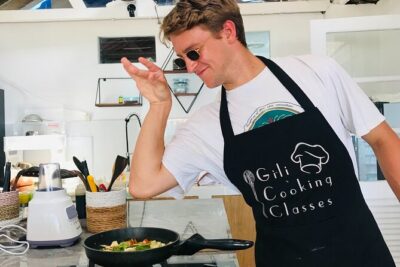 ★ 5.0Learn to cook Indonesian food at Gili Cooking Classes TrawanganFrom $33352 reviews
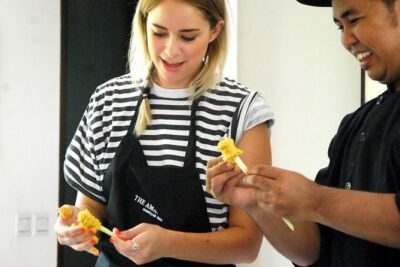 ★ 5.0Balinese Cooking Class in SeminyakFrom $66281 reviews
 ★ 5.0Anggrek Putih Lombok Cooking ClassFrom $30253 reviews
 ★ 5.0Balinese Authentic Cooking Class in UbudFrom $39239 reviews
 ★ 5.0PRIVATE Balinese Cooking Class in Ubud with Dewa with TransfersFrom $69213 reviews
Browse the lists this tour appears in