
REVIEW · BALINESE COOKING CLASSES
Balinese Cooking Class at Organic Farm
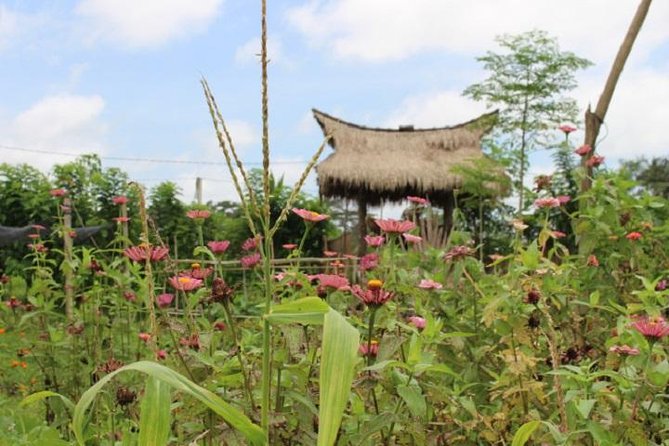
Six dishes, one small group, big flavor learning. This Balinese cooking class at Mai Organic Farm turns a half-day into a hands-on food day, starting with a farm walk and ending with lunch cooked in traditional style. You also get real context, including how organic farming works on the island and what Bali’s UNESCO-protected Subak system means beyond the headlines.
What I like most is the way it stays practical. You’re not just watching, you’re picking herbs and produce, then cooking with that same food, often using a wood-fired stove and outdoor grill. I also love the pacing and scale, with classes kept small so you can actually ask questions and get hands-on help.
One consideration: you need decent weather. The day depends on being outdoors for the farm portion, so if rain hits hard, your timing could shift.
In This Review
- Key things to know before you go
- Mai Organic Farm Outside Ubud: Why This Setting Matters
- From Ubud Pickup to the Welcome Drink and Farm Walk
- Ingredient Picking at the Community Farm: Real Farm-to-Table, Not a Prop
- Six Balinese Dishes on Wood-Fired Heat: What You’ll Cook
- Drinks and Tea: Sip Juice, Herbal Options, and Balinese Coffee
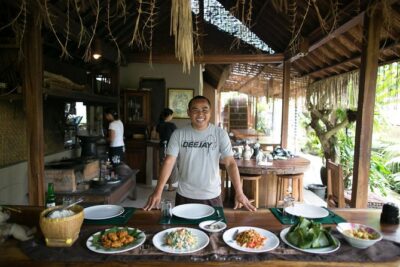
- Lunch in a Gubuk Hut: Communal Eating With Calm Energy
- Value and Timing: Is $40 for 5 Hours Worth It?
- Who This Cooking Class Is Best For
- Should You Book the Balinese Cooking Class at Mai Organic Farm?
- FAQ
- What dishes will I learn to cook?
- How long is the cooking class?
- Where does the experience take place?
- Is pickup offered from Ubud hotels?
- How many people are in the class?
- Do I choose ingredients from the farm?
- What will I drink during the experience?
- What happens if the weather is bad?
Key things to know before you go
- Mai Organic Farm in Pejeng: you start with a real farm introduction before you cook a thing
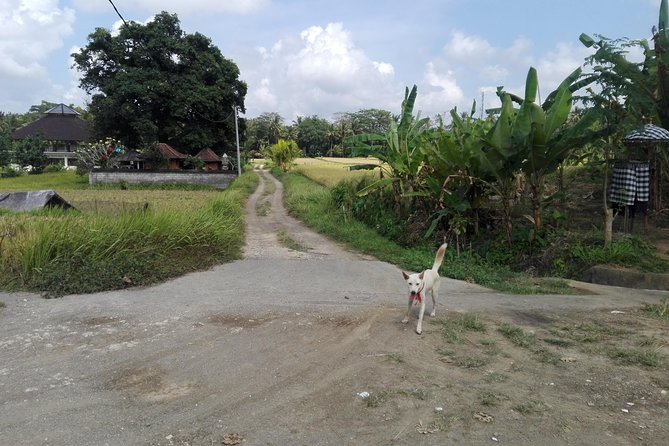
- UNESCO-linked Subak context: you get the story behind Bali’s irrigation system while you walk the grounds
- Ingredient picking is part of the class: herbs, fruit, and vegetables come directly from the garden beds
- Six Balinese dishes: including sate lilit and items like tuna sate and corn fritters
- Traditional cooking setup: food gets prepared using a wood-fired stove style method
- Small group experience: capped at a very limited size (often described as around eight, with a max of 10)
Other kitchens taking bookings, compared
Mai Organic Farm Outside Ubud: Why This Setting Matters
Ubud is packed with yoga studios, art shops, and scooter traffic. This class gives you a calmer reset by pulling you out toward Pejeng, where the day revolves around the farm instead of a showroom kitchen. The location is not just scenery, it’s the learning tool. When you understand where your ingredients come from, the cooking makes more sense.
Mai Organic Farm focuses on organic growing and community involvement. You’ll hear how they cultivate produce and why the farm practices matter. You also get the Bali connection through Subak, the traditional irrigation system that’s recognized as part of UNESCO’s World Heritage.
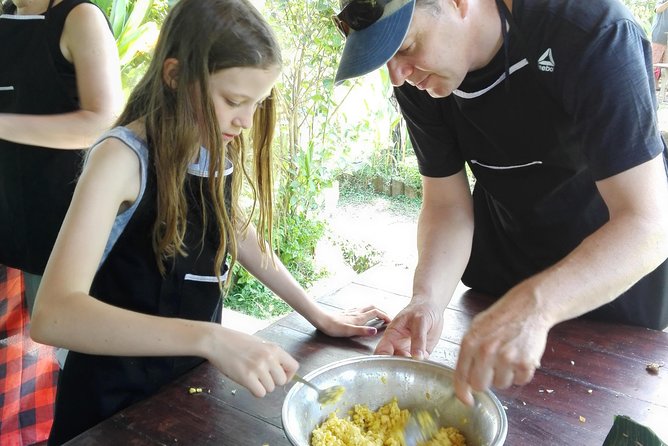
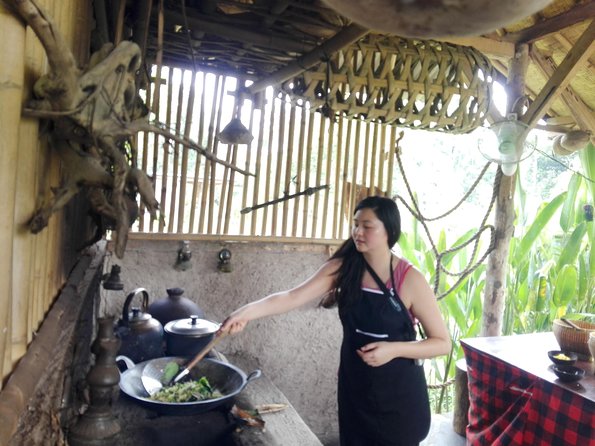
And yes, you’ll cook in traditional style. Using a wood-fired stove and outdoor cooking methods means you’ll notice the difference in how flavors develop. Smoke, heat, and timing behave differently than what you may be used to at home.
From Ubud Pickup to the Welcome Drink and Farm Walk
Most classes waste time with big introductions and slow transfers. This one tries to be efficient. If you’re in central Ubud, you can expect round-trip transfer, which matters because the farm sits outside town. You spend less energy figuring out transport and more time learning.
The day usually starts on the farm with a welcome drink. Fresh coconut shows up in the experience details, and that simple start sets the right mood, cool and refreshing before you start walking and smelling spices. Then you move into the farm introduction in a shaded area, where the team explains the community movement and how their organic produce is grown and maintained.
After that, you walk through the community farm to learn and identify ingredients. This is where the lesson becomes hands-on. You’re not just told what lemongrass or herbs are, you can point them out and see how they grow. One small plus: it’s the kind of walk that can feel fun for kids too, since they can spot familiar foods and get involved early.
If you want a practical tip, bring good walking shoes. The ground can be uneven, and you’ll be outdoors for the farm portion before you ever see the cooking station.
Ingredient Picking at the Community Farm: Real Farm-to-Table, Not a Prop
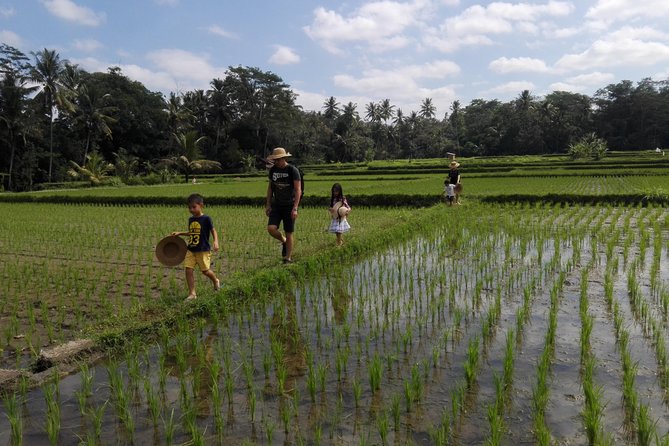
The ingredient-picking part is a big reason this class earns strong ratings. You walk the farm, then you pick what you’ll cook later. That means you’re learning the difference between ingredients that look similar but behave differently in a dish.
Here’s why this matters for you. When you buy herbs at a market, you often skip understanding how mature they are, what they smell like fresh, or how they’re used. Picking them yourself gives you a sensory memory you can actually cook with later. It’s also a nice way to make the class feel personal, especially if you’re the type who likes to understand the process, not just the recipe.
You’ll likely choose items like herbs and produce from the gardens surrounding the cooking area. Expect a guided approach, so you’re not guessing what to pick. The guides also tend to keep it inclusive, which helps if you’re cooking alongside family members who want to participate at different levels.
One more detail worth noting: the class is capped small. That small group size is what makes picking practical instead of chaotic. You’re not elbowing for space, and the staff can actually help.
Six Balinese Dishes on Wood-Fired Heat: What You’ll Cook
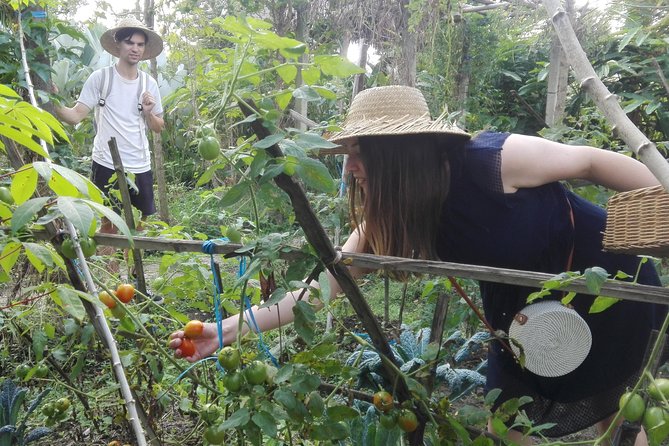
The cooking portion centers on making six Balinese dishes. This is the sweet spot for a half-day class. You get variety without feeling like you’re scrambling to finish too many recipes.
The dishes highlighted include sate lilit (a Balinese-style kebab) plus a couple of specific items named in the experience details, such as tuna sate and corn fritters. Your meal also includes elements that reflect Balinese flavors and textures, not just generic stir-fry logic.
What I like about the dish list is that it’s not only about meat. You’ll see how herbs, aromatics, and spice blends show up in multiple ways across the menu. The class also uses traditional heat sources, including a wood-fired stove and outdoor cooking setup, so you’ll learn how cooking time and flame intensity affect results.
A good practical expectation: you don’t need to be a confident cook. The class is structured so you can participate as much or as little as you want, depending on how hands-on you feel. That flexibility helps if you’re traveling with someone who wants to watch more and cook less, or kids who are curious but not ready to handle every step.
You’ll also get to sit down at the end and eat what you made, which is a simple rule of good cooking classes. If you don’t taste the work, you miss half the learning.
- Uluwatu Sunset, Kecak Dance, and Dinner Jimbaran Beach★ 5.0 · 3,681 reviews
- Tanah Lot and North Bali Tour: Scenic Journey★ 5.0 · 3,620 reviews
- Body Massage Experience in Ubud Traditional Spa★ 5.0 · 3,506 reviews
- Best of Bali Waterfalls: Tibumana, Tukad Cepung and Tegenungan★ 5.0 · 3,047 reviews
- Bali: Ubud Kecak and Fire Dance Show Tickets★ 4.4 · 2,631 reviews
Drinks and Tea: Sip Juice, Herbal Options, and Balinese Coffee
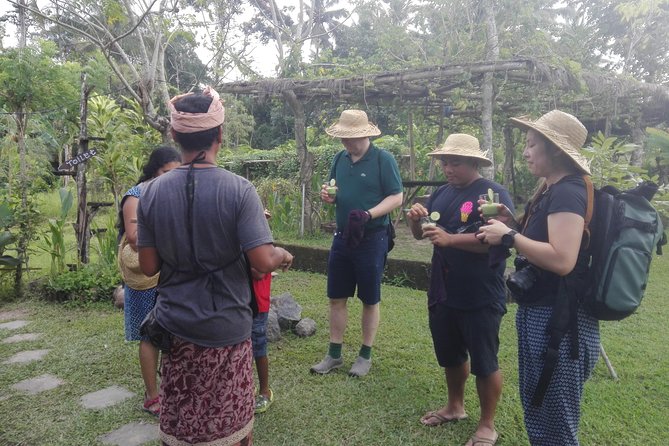
This class also handles the Balinese drink side well, because food on Bali is not only about the plate. You’ll learn about infused water and herbal drinks, plus enjoy options like lemongrass tea and Balinese coffee.
There’s usually a refreshing juice served early, made from vegetables and fruit from local farms. That matters because it gives you a taste of the ingredient mindset before you start cooking. When you later use herbs or spices in dishes, your brain connects flavors faster.
The tea and coffee choices are especially useful if you’re the kind of traveler who likes to bring home more than recipes. These are drink flavors that tend to be harder to replicate from memory unless you’ve smelled and sipped them in context.
If you like sweetness or you avoid strong coffee notes, you might want to pay attention during the tasting. The class format includes drink explanations, so you can make your preferences known and follow along at your comfort level.
Lunch in a Gubuk Hut: Communal Eating With Calm Energy
After cooking, you’ll enjoy the meal in a tranquil gubuk, a hut-style eating area. This is not a rushed line. It’s the payoff stage, where the group sits together and eats what they helped make.
I like this setup because it slows the day down just enough for conversation. Cooking classes often end abruptly, like you finish, wipe down, and leave. Here, you get a moment to taste, compare flavors between dishes, and relax with your small group.
It also feels more grounded because the farm setting is still part of the experience. You’re not transported to a separate dining room that looks like every other cooking school. You stay connected to the place you worked in.
Value and Timing: Is $40 for 5 Hours Worth It?
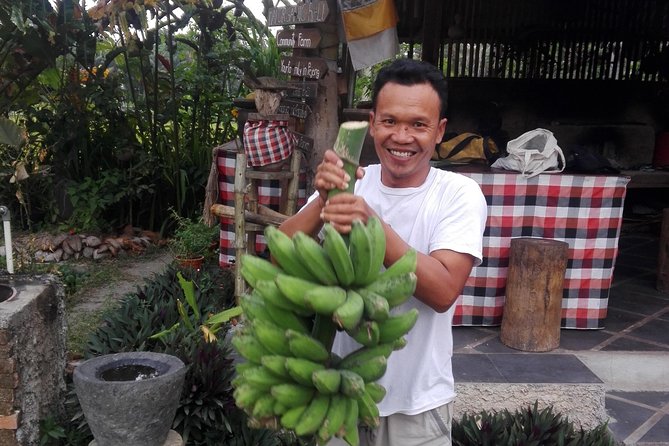
At $40 per person for about 5 hours, this class lands in the mid-range for Bali cooking experiences. Where it earns its value is the input you get for that price: ingredient picking, multiple dishes, traditional cooking style, and real farm context around organic growing and Subak.
You should compare this to cheaper classes that focus on fewer dishes or skip ingredient harvesting. When you factor in the transfer from central Ubud and the small group cap (up to 10, with the experience often described as about eight), $40 starts to look fair, especially if you care about authenticity over speed.
A second value point is the learning style. This class is built around participation. If you enjoy cooking and want to learn Balinese flavors beyond a single dish, five hours can be the right length. You’re not stuck for a full day, but you also get enough time to do more than chop vegetables.
Who This Cooking Class Is Best For
This experience is a strong fit if you want more than a recipe. If you care about how food connects to place, you’ll likely enjoy the organic farming explanation and the Subak system context.
It also suits couples, friends, and families. The small group format keeps it friendly, and the structure is inclusive enough for people who want to engage differently. In fact, the experience works well even with kids, because the farm walk and ingredient picking give them something to do while adults focus on cooking technique.
If you’re a solo traveler, the group cap helps you feel less like you’re stuck among strangers. You’ll likely end up chatting during the farm walk and sharing lunch, which is a big part of why cooking classes work socially.
The one group that may want to think twice: travelers who hate being outdoors for a few hours, or who have very little patience for farm walking. The good news is, you’ll have shaded breaks and guided pacing, but the farm portion is still part of the deal.
Should You Book the Balinese Cooking Class at Mai Organic Farm?
I’d book it if your goal is hands-on Balinese cooking tied to real ingredients. The combination of organic farm learning, ingredient picking, and cooking multiple dishes on traditional heat is a practical, memorable way to spend a half-day in the Ubud area.
Book with extra confidence if you want small-group attention and a guided explanation of what you’re tasting and cooking. If weather can be an issue during your trip window, keep a flexible mindset, because the outdoor parts matter.
If you want a food day that feels less like a performance and more like shared work that ends with a good meal, this is exactly that kind of class.
FAQ
What dishes will I learn to cook?
The class includes cooking six different Balinese dishes. The experience details highlight sate lilit, tuna sate, and corn fritters, plus you’ll also make items like juices and drinks such as lemongrass tea and Balinese coffee.
How long is the cooking class?
The duration is about 5 hours.
Where does the experience take place?
It’s held at Mai Organic Farm Bali, in Pejeng (Tampaksiring area), near Ubud.
Is pickup offered from Ubud hotels?
Yes, hassle-free round-trip transfers are offered from central Ubud hotels and rentals.
How many people are in the class?
The class has a small maximum group size. It is capped at just eight travelers in the overview, and the additional details list a maximum of 10 travelers.
Do I choose ingredients from the farm?
Yes. You’ll walk through the community farm and pick the ingredients you’ll use for the cooking class.
What will I drink during the experience?
You’ll enjoy a welcome drink, plus juice, infused water, herbal drinks, Balinese coffee, and lemongrass tea.
What happens if the weather is bad?
The experience requires good weather. If it’s canceled due to poor weather, you’ll be offered a different date or a full refund.
More Kitchens Taking Bookings
Fresh Ubud write-ups from the review desk




Balinese Cooking Classes, compared.
 ★ 5.0PRIVATE Authentic Balinese Cooking Class in Ubud at Putu’s HomeFrom $75644 reviews
 ★ 5.0Balinese Ubud cooking school (9 Dish Cooking and Market Tour)From $58540 reviews
 ★ 5.0Balinese Farm Cooking Class by Pemulan BaliFrom $39410 reviews
 ★ 5.0Learn to cook Indonesian food at Gili Cooking Classes TrawanganFrom $33352 reviews
 ★ 5.0Balinese Cooking Class in SeminyakFrom $66281 reviews
 ★ 5.0Anggrek Putih Lombok Cooking ClassFrom $30253 reviews
 ★ 5.0Balinese Authentic Cooking Class in UbudFrom $39239 reviews
 ★ 5.0PRIVATE Balinese Cooking Class in Ubud with Dewa with TransfersFrom $69213 reviews
Browse the lists this tour appears in