
REVIEW · BALINESE COOKING CLASSES
Balinese Cooking class with traditional morning market visit
Your day in Ubud starts with spices and choices. A chef-led cooking class follows a morning market hunt for fresh ingredients, then you learn Balinese offering-making with canang offerings before you start cooking. It is all set around Ubud, with a traditional welcome in Laplapan and a final sit-down meal of what you make.
Two things I like a lot are the small group size and how practical the teaching feels. You get air-conditioned transport from your hotel, which is a big deal when you are heading out early.
One possible drawback is that the morning is active. You will be walking, tasting, and working at a real cooking pace, so if you hate being hands-on, this may feel more like a workshop than a show.
In This Review
- Key Highlights I’d Prioritize
- Why This Ubud Market-First Start Changes Everything
- From Hotel Pickup to Laplapan Welcome
- Canang Offerings: The Part Many Cooking Classes Skip
- The Chef-Led Cooking Class: Hands-On, Not Rushed
- What You Actually Cook, and How It Feels on Your Plate
- Market Choices You Can Use Again at Home
- Small Group Size and Why It Makes the Class Better
- Price and Value: Is $35 Worth a Full Morning?
- Who This Cooking Class Suits Best
- Quick Tips So You Enjoy It More
- Should You Book This Balinese Cooking Class in Ubud?
- FAQ
- How long is the Balinese cooking class experience?
- Is hotel pickup included?
- What is the group size limit?
- What happens at the morning market and in Laplapan?
- Do you make an offering and a dessert?
- Can I cancel for a full refund?
Key Highlights I’d Prioritize
- Morning market ingredient tasting so you know what you are buying and why it matters
- Canang offering practice before the stove time, so Balinese food makes more sense culturally
- Max 8 travelers for more attention and less waiting around
- Pickup plus air-conditioned vehicle, which smooths out the logistics
- Chef guidance for multiple courses, then you eat everything you cook
Other kitchens taking bookings, compared
Why This Ubud Market-First Start Changes Everything
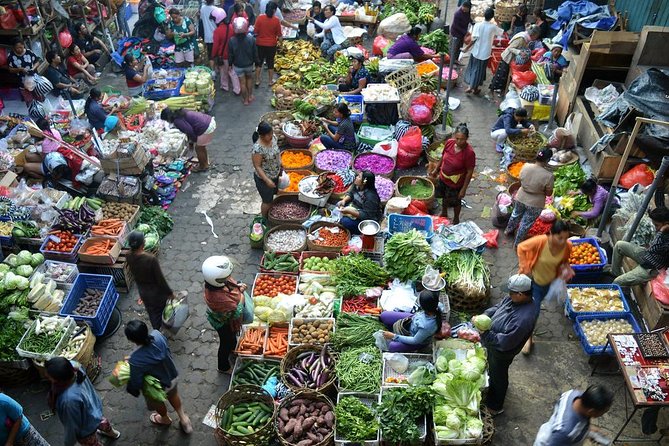
Balinese cooking is not just about spices. It is about the whole food system, the way ingredients show up at the market, and how meals connect to everyday offerings and rituals. That is why I really like that this experience starts with a traditional morning market visit, not a classroom.
At the market, you are encouraged to choose ingredients yourself. You will see produce, herbs, vegetables, and meats laid out in a way that feels local and immediate. Then you connect those items to what you will actually cook later, which makes the class stick.
The market stop also gives you a built-in reality check. Instead of hearing a list of ingredients and moving on, you get to smell things, look closer, and ask questions about what you are seeing. If you have ever left a cooking class unable to recreate it, this market-first approach is one of the reasons why people do better at cooking at home.
One more small win: the schedule is structured. You go early, you finish the work and the meal, and you still have the rest of Ubud to explore later if you want.
From Hotel Pickup to Laplapan Welcome
Logistics matter more than most people admit, especially in Bali traffic. You are picked up from your hotel and then transported in an air-conditioned vehicle to the market and onward to the cooking location. That is one of the reasons this feels doable even if you are not a super early riser.
After the market, the plan includes a stop at the traditional village of Laplapan. You arrive and get a warm welcome from locals, which helps turn the day into more than a cooking demo. It also sets a respectful tone for the food and offering portion that comes next.
What I like about adding Laplapan is that it frames cooking as part of daily life. You are not only learning recipes, you are learning context. When you later make an offering like canang, you understand it as something people do, not just something tourists watch.
Canang Offerings: The Part Many Cooking Classes Skip
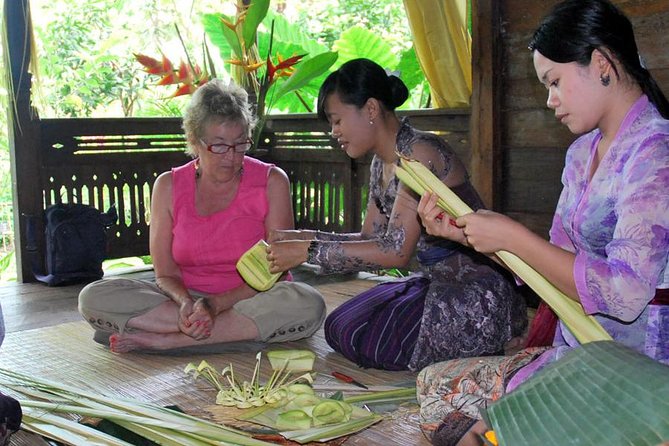
Before the cooking begins, you learn the process of making Balinese offerings. This includes making canang and other offering equipment. That may sound like a side activity, but it changes the way you think about the meal you are about to cook.
Offering-making teaches two useful things at once. First, it trains your hands to slow down and focus, which helps you do better work in the kitchen later. Second, it gives food a cultural job beyond taste, since offerings are tied to daily gratitude and care.
In the hands-on experience, you are not just shown what to do. You are guided through the process, which means you leave with a practical memory you can explain at home. If you love food culture, this is one of the most meaningful parts of the day.
If you are new to Balinese traditions, do not worry. The class format is friendly and guided, and the goal is participation. Go in with curiosity, and you will likely come out understanding why offerings show up around meals.
The Chef-Led Cooking Class: Hands-On, Not Rushed
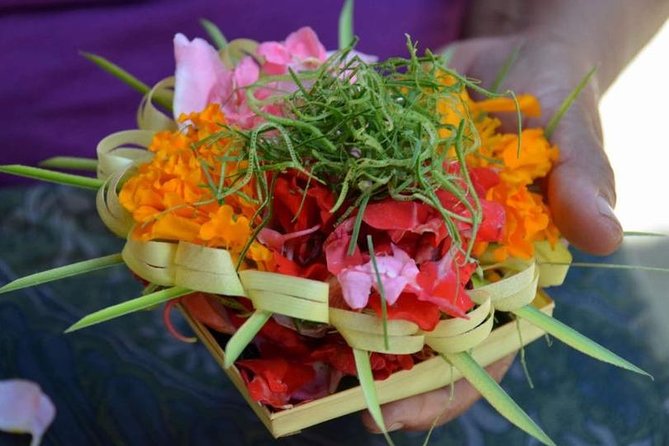
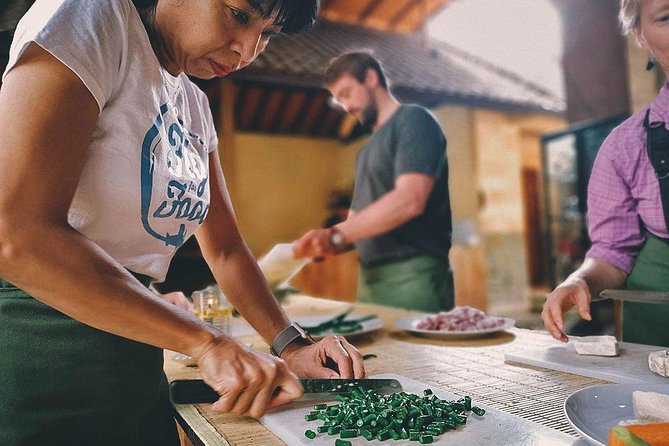
This is a chef-led workshop, and the guidance is a big part of the value. The day includes instruction and assistance as you prepare starters, main courses, and an authentic dessert. You also eat what you cook, sit-down style, so you are not left with a plate of scraps and a recipe list.
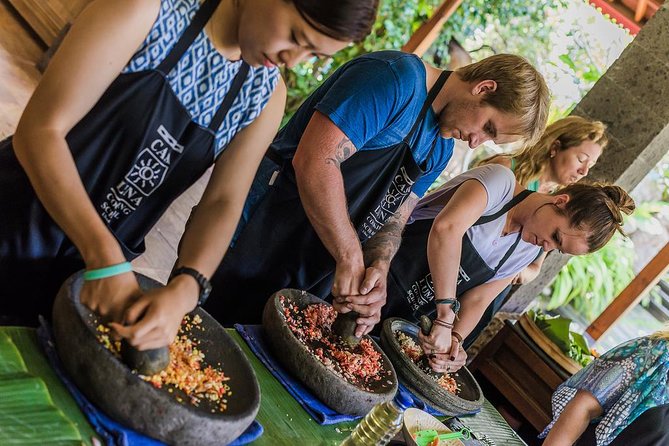
Small groups matter here. With a maximum of 8 travelers, you tend to get more direct help, fewer long waits, and a better chance to ask why the chef does something a certain way. If you have questions about spice balance, technique, or ingredient swaps, this size makes it more likely your questions actually get answered.
You might also get a teacher like Wayan, who shows up repeatedly in accounts of the class, sometimes alongside Dewa. Other sessions may be led by guides such as Putu or Puthu. Whoever your instructor is, the pattern is consistent: warm teaching, lots of hands-on work, and clear explanations.
A detail I appreciate: some prep is handled so you are not stuck doing everything from zero at the last second. That keeps the pace fun instead of frantic. At the same time, you still do the real cooking steps, which is what makes it worth your time.
- Uluwatu Sunset, Kecak Dance, and Dinner Jimbaran Beach★ 5.0 · 3,681 reviews
- Tanah Lot and North Bali Tour: Scenic Journey★ 5.0 · 3,620 reviews
- Body Massage Experience in Ubud Traditional Spa★ 5.0 · 3,506 reviews
- Best of Bali Waterfalls: Tibumana, Tukad Cepung and Tegenungan★ 5.0 · 3,047 reviews
- Bali: Ubud Kecak and Fire Dance Show Tickets★ 4.4 · 2,631 reviews
What You Actually Cook, and How It Feels on Your Plate
The itinerary is built around making multiple courses and then eating them together. You prepare starters, main courses, and an authentic dessert, then sit down for the meal. That matters because it helps you taste the results while the techniques are still fresh in your mind.
One of the best parts is how fresh the ingredients are. You select items at the morning market, so there is a straight line from what you pick to what lands on your table. That connection makes the flavors feel earned.
Another plus: the setting makes the meal more than a checkbox. The cooking is described as happening in jungle surroundings around Ubud, and the overall vibe is calm and local. You are not cooking under harsh lights in a sterile room, so the food tastes better, and the experience feels more like living there for a morning.
Food is also presented in a way that looks as good as it tastes. Some accounts mention dishes that were stunningly beautiful, which suggests attention to presentation, not just flavor.
If you have dietary restrictions, ask. Some participants report the class adapts to dietary requirements and even offers vegetarian options. Since dietary info is personal, you should confirm your needs when booking or messaging the operator.
Market Choices You Can Use Again at Home
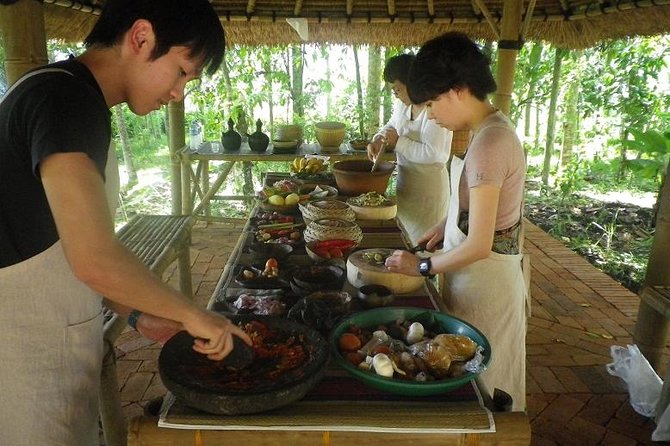
A cooking class is only as useful as what you can repeat. The market visit is a big step toward repeatability because you learn what ingredients are and how they behave in local cooking.
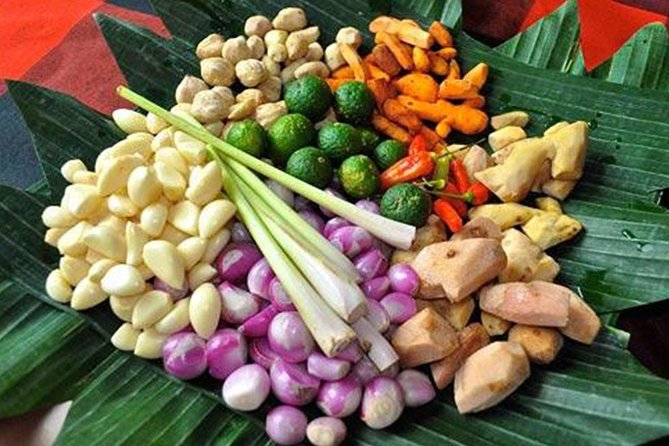
At the market, you get explanations about herbs, fruits, vegetables, and spices. You might also taste some items along the way, including sweets that help round out the sensory picture. Then you select ingredients for the class, which makes it easier to remember what to buy later.
When you shop for Balinese flavors at home, you usually face the same problem: finding the right spice mix and knowing what each ingredient does. This class approach helps with that. Even if you cannot source every local item exactly, you learn the role each ingredient plays, so you can make smarter substitutions.
A practical mindset helps, too. Focus on the flavor profiles you taste at the market and think about how they connect to the dish you are cooking. That way, you are not just memorizing steps. You are building a mental map.
Small Group Size and Why It Makes the Class Better
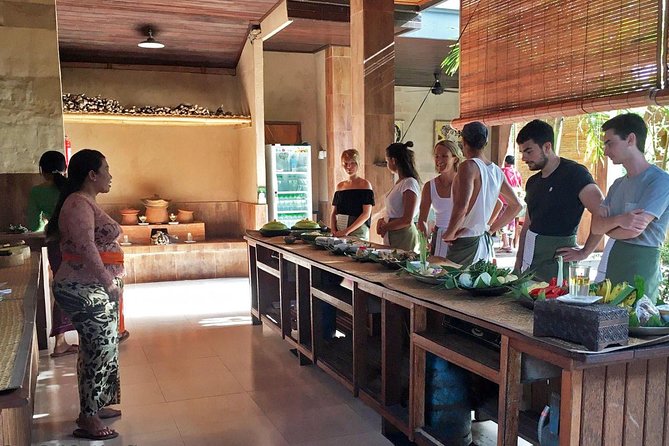
With a maximum group size of 8, the experience feels more like a workshop than a production. You are given time to participate, and you get help when you need it. This is not just about comfort, it is about learning speed.
In a larger class, you often end up waiting, watching, or repeating the same motion while others cook. Here, the pace is more balanced. You have a real chance to do the chopping, mixing, seasoning, and plating steps yourself.
This also helps if you are traveling solo. Some accounts mention meeting other people in the class, and the atmosphere still feels friendly and personal. For couples or families, it can also work well because you all get hands-on roles.
If you care about interaction, this is one of the best reasons to book. You will likely come away with more than dishes, you will come away with techniques and confidence.
Price and Value: Is $35 Worth a Full Morning?
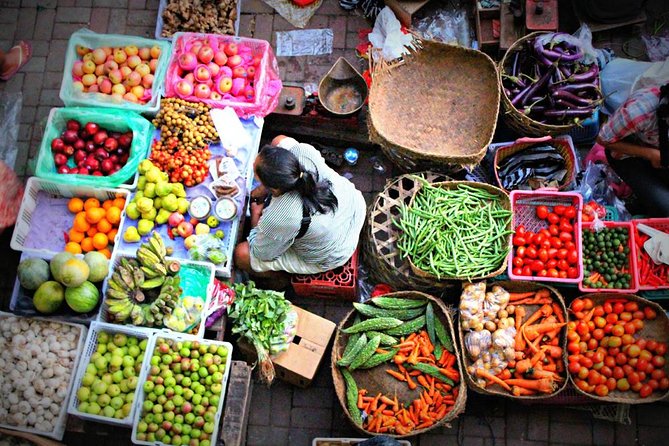
At $35 per person for around 6 hours, this is positioned as a value-first experience. The key is what is included. You get hotel pickup, air-conditioned transport, cooking equipment, cooking class fees, and taxes. You also get the market ingredient selection time and the sit-down meal that follows.
You are paying for three things at once:
- Access to a chef-led class with hands-on instruction
- A cultural stop that includes offering-making practice
- Transportation and a full food experience, not just a recipe workshop
If you have ever paid more for a short demonstration that barely lets you touch a spoon, this setup feels more fair. Here, the whole day is structured around participation, ingredient choice, and eating what you make.
You will still want to budget for personal expenses, since that is not included. But compared with many food tours where you only watch and then snack, this includes a full meal and the class structure that makes it more than entertainment.
Who This Cooking Class Suits Best
This is ideal for foodie travelers who want more than a checklist of Balinese dishes. If you love markets, tasting, and learning why ingredients matter, you will enjoy the way the day connects shopping to cooking to eating.
It is also a good choice if you want a cultural activity that stays practical. Offering-making is part of the day, and it is taught in a hands-on way. That gives the experience depth without turning it into a lecture.
If you are traveling with kids or as a family, it can be a solid option because the class is interactive. Some accounts mention kids having a fun time, and the instructor working well with younger participants. That said, younger travelers should be comfortable participating in a multi-hour activity with some walking and cooking steps.
Finally, if you like small group settings, book this without worrying it will feel crowded. Max 8 travelers helps keep the experience manageable.
Quick Tips So You Enjoy It More
You will get the best experience if you show up ready to work a bit. Wear comfortable clothes you can move in during market walking and kitchen prep. Bring a water habit, since you are out in the morning and tasting along the way.
Also, be ready to ask questions. The class is designed for participation, and that is when it becomes more than instructions. If you have dietary needs, mention them early.
And one more mindset shift that helps: treat it like a learning day, not a performance. If you stay curious and patient while you chop and mix, you will end up eating something you understand.
Should You Book This Balinese Cooking Class in Ubud?
I would book it if you want a food experience that actually teaches you, not just feeds you. The combination of a traditional morning market visit, hands-on canang offering-making, and a chef-led class with a sit-down meal is a strong mix for the price.
Skip it only if you truly dislike active mornings or you want a purely relaxing vacation day. This is a workshop. Even when it feels easy and fun, you are still participating.
If you are choosing between a generic cooking class and this market-and-offering format, I lean toward this one. It connects culture to the plate in a way that is easy to remember, and it gives you more chances to ask questions, taste, and learn technique you can use again.
FAQ
How long is the Balinese cooking class experience?
The experience runs for about 6 hours.
Is hotel pickup included?
Yes, pickup from your hotel is offered, and air-conditioned transport is included.
What is the group size limit?
The class has a maximum of 8 travelers.
What happens at the morning market and in Laplapan?
You visit a local fresh food market to select ingredients, then you go to the traditional village of Laplapan where locals welcome you.
Do you make an offering and a dessert?
Yes, the package includes making Balinese offerings like canang. The cooking class also includes preparing starters, main courses, and an authentic dessert.
Can I cancel for a full refund?
Yes. You can cancel up to 24 hours in advance for a full refund. If you cancel less than 24 hours before the start time, the amount paid will not be refunded.
More Kitchens Taking Bookings
Fresh Ubud write-ups from the review desk





Balinese Cooking Classes, compared.
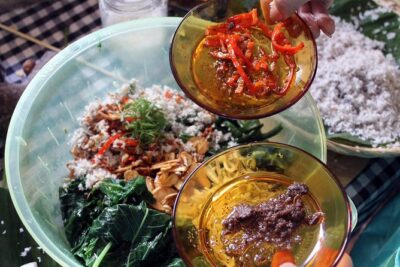 ★ 5.0PRIVATE Authentic Balinese Cooking Class in Ubud at Putu’s HomeFrom $75644 reviews
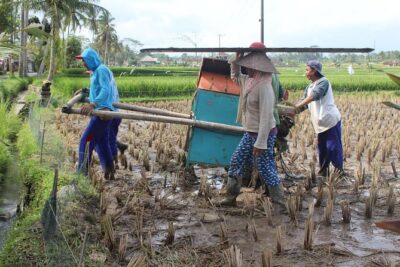 ★ 5.0Balinese Ubud cooking school (9 Dish Cooking and Market Tour)From $58540 reviews
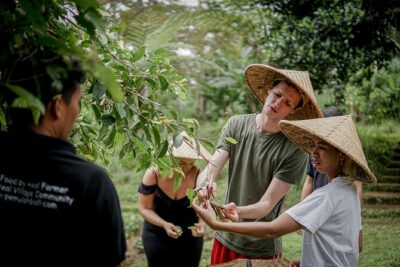 ★ 5.0Balinese Farm Cooking Class by Pemulan BaliFrom $39410 reviews
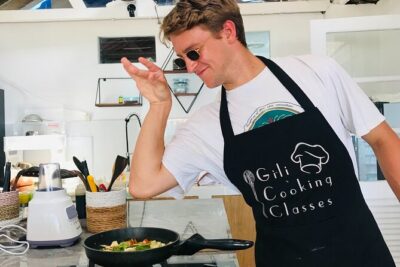 ★ 5.0Learn to cook Indonesian food at Gili Cooking Classes TrawanganFrom $33352 reviews
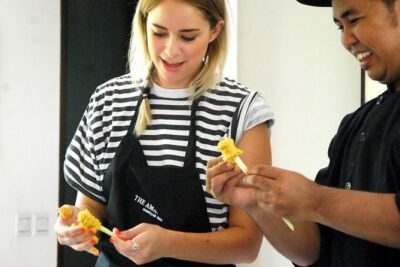 ★ 5.0Balinese Cooking Class in SeminyakFrom $66281 reviews
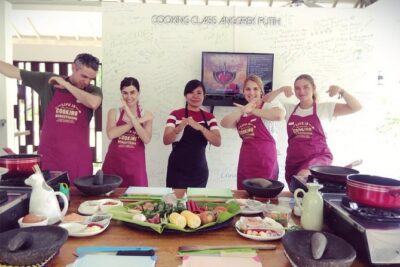 ★ 5.0Anggrek Putih Lombok Cooking ClassFrom $30253 reviews
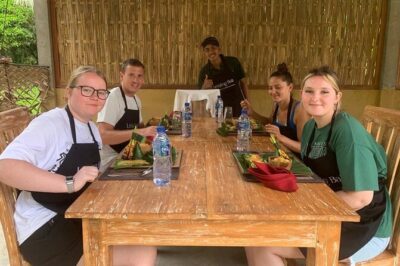 ★ 5.0Balinese Authentic Cooking Class in UbudFrom $39239 reviews
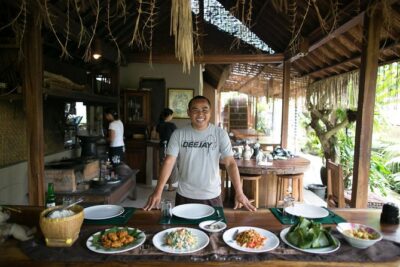 ★ 5.0PRIVATE Balinese Cooking Class in Ubud with Dewa with TransfersFrom $69213 reviews
Browse the lists this tour appears in