
REVIEW · BALINESE COOKING CLASSES
Small-Group Farm Tour & Balinese Cooking Class in Ubud with Kadek
From farm mud to your plate, it works fast. This Ubud small-group class is hands-on, starting with picking ingredients and ending with you eating what you make. I also like the take-home recipe book, which helps you recreate the flavors later. The only real drawback is that it is outdoor and active, so expect heat, walking, and some messy farm time.
I like that the day stays organized, with a straw-hat farm walk, then a traditional outdoor kitchen lesson where you learn while you cook. You get round-trip hotel pickup from key Ubud areas, plus a meal that’s more than a snack. Just plan to wear shoes you can get wet, and bring bug spray and sunscreen because the farm is working, not staged.
In This Review
- Key things I’d zero in on
- A farm-to-table Balinese class with a real rhythm
- The 30-45 minute farm walk: straw hats, muddy feet, real ingredients
- From Ubud pickup to the meeting point: know your starting gate
- Traditional outdoor community kitchen: where the 2-hour class happens
- Eating after the cooking lesson: kolak, coffee or tea, and a small ritual moment
- What you can actually repeat at home (and what the recipe book does)
- Price and value: why $49 feels fair here
- Who should book this class with Kadek
- Practical tips so the day feels easy, not stressful
- Should you book this Ubud farm tour and cooking class?
- FAQ
- What’s included in the price?
- How long does the experience take?
- Is pickup available from all Ubud hotels?
- Is the class private?
- What dishes will we cook?
- Is there a vegetarian option?
- What if weather is bad since it’s outdoors?
Key things I’d zero in on
- Farm walk for ingredients, not just photos, including beans and lemongrass you’ll use later
- Small group up to 10, with personalized instructor time during the cooking steps
- 2-hour outdoor cooking class, typically making 2-3 dishes plus a sweet ending
- You eat the meal you cook, with Balinese coffee or lemongrass tea to finish
- Recipe book take-home, so the class becomes repeatable at home
Other kitchens taking bookings, compared
A farm-to-table Balinese class with a real rhythm
Ubud has no shortage of cooking classes. What makes this one feel more grounded is the order of events, farm first, kitchen second. You are not only tasting spice, you are tracing it back to the plant.
This is also a community-style experience. You spend time gathering produce and spices, then cook in a traditional outdoor setup where the focus is learning by doing. And you eat the results right after, so it stays tied to the lesson.
Price-wise, at $49 per person, it can feel low for what you get. You are also not paying extra for basic extras like round-trip transport from many Ubud hotels and a take-home cookbook.
The 30-45 minute farm walk: straw hats, muddy feet, real ingredients
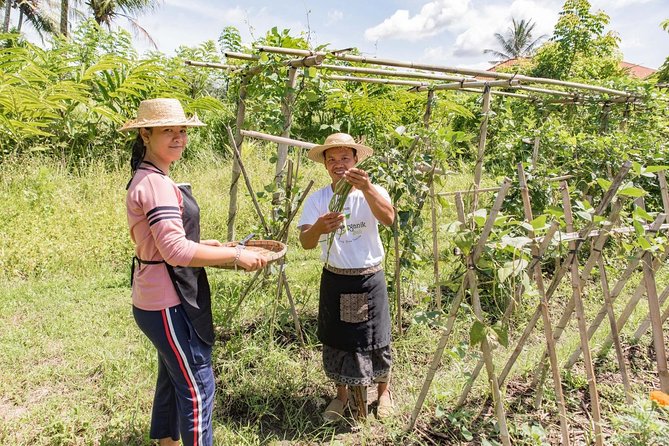
The day starts with a farm tour with Kadek. You walk through tall bushes and working farm areas, gathering what you’ll later cook. Straw hats are provided, which matters because you’re outside and the sun can be strong.
Plan on a hands-on, slightly muddy feel. The route can include muddy land, so shoes that handle damp ground are a smart move. You will likely pick items tied to Balinese cooking, including things like beans and lemongrass.
When you finish the ingredient hunt, you get a refreshing drink and wet towels. It’s a nice reset before cooking, especially if your hands and face are a bit grimey from spice collecting.
The practical takeaway: this part is short, about 30-45 minutes, but it sets the tone. It’s active enough that you’ll be glad you packed water, bug spray, and something you can sweat in.
From Ubud pickup to the meeting point: know your starting gate
If you’re staying in Ubud, you typically get round-trip hotel pickup and drop-off. The pickup is included for Ubud hotel areas like Hanoman Street, Monkey Forest Street, and Jl. Raya Ubud. That coverage makes the $49 price feel more realistic, because transport often costs extra on other tours.
If your hotel is outside those areas, your pickup shifts. You’ll meet at the Maybank KCP Gianyar address on Jl. Raya Ubud No. 115 in Petulu. You also start and end back at the activity meeting point, so you are not tossed across multiple neighborhoods.
Two more logistics notes that matter on a day like this. You’ll have a mobile ticket, and the tour duration is about 5 hours total. That means it fits well as a half-day plan, without stealing your whole afternoon.
Traditional outdoor community kitchen: where the 2-hour class happens
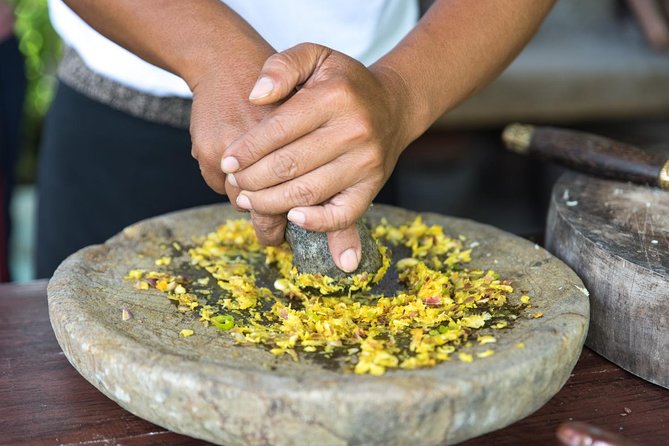
After the farm portion, you move to an outdoor community kitchen setup in a traditional Balinese style. This is where the day turns into a cooking lesson, not just a show-and-tell. Expect about two hours of cooking instruction.
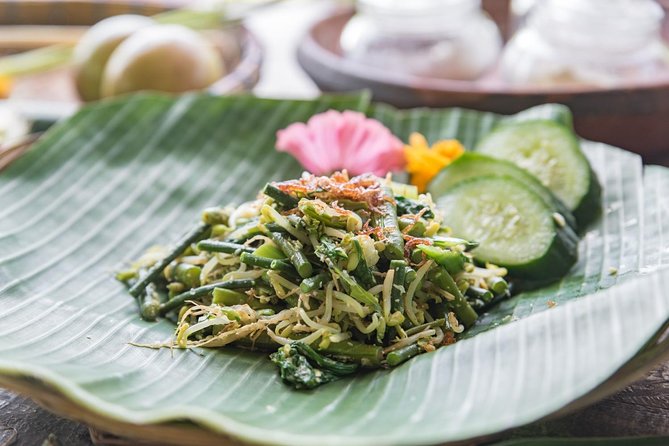
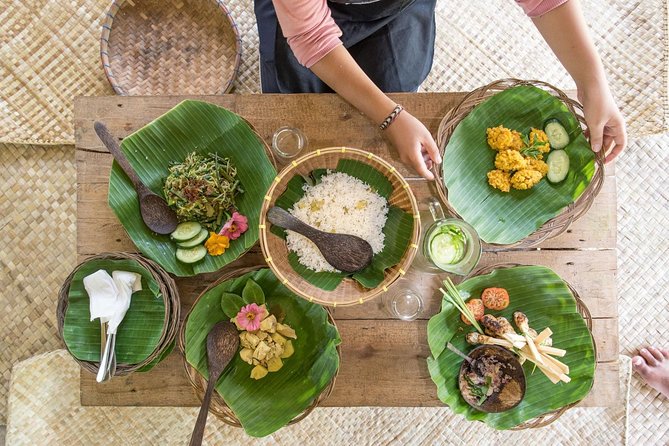
You learn to make 2-3 authentic dishes. The exact menu can vary, but common choices include nasi sela (rice with sweet potato), garang asem (chicken with Balinese spices), tuna satay (fish kebabs), and sayur urab (green vegetables with coconut and spices). Even if you’ve cooked at home, this kind of class teaches you the Balinese approach to spice mixing and balancing.
What I like about the format is that you’re not only watching. You do the work, taste, adjust, and get guidance while you’re in motion. And since the group is capped at 10 travelers, it stays small enough for the instructor to give real attention.
The outdoor kitchen setting also means you’re cooking in the climate you’ll taste. You feel the heat, you manage your hands with local rhythms, and you see how practical the technique is when you’re working in open air.
- Uluwatu Sunset, Kecak Dance, and Dinner Jimbaran Beach★ 5.0 · 3,681 reviews
- Tanah Lot and North Bali Tour: Scenic Journey★ 5.0 · 3,620 reviews
- Body Massage Experience in Ubud Traditional Spa★ 5.0 · 3,506 reviews
- Best of Bali Waterfalls: Tibumana, Tukad Cepung and Tegenungan★ 5.0 · 3,047 reviews
- Bali: Ubud Kecak and Fire Dance Show Tickets★ 4.4 · 2,631 reviews
Eating after the cooking lesson: kolak, coffee or tea, and a small ritual moment
When cooking finishes, you eat the meal you prepared. It’s served as a full end to the class, not a quick bite between steps.
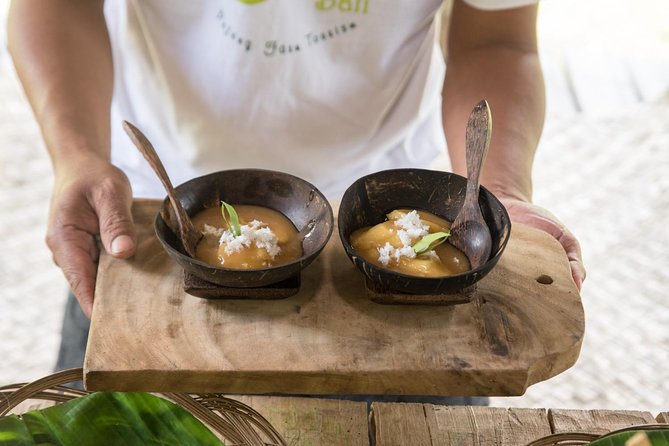
A typical sweet and drink finish includes kolak (banana dessert) plus Balinese coffee or lemongrass tea. That pairing is a good closing combo because the savory dishes settle your palate, and the dessert brings something comforting and lightly spiced.
One detail worth knowing upfront: Kadek will not join you for the meal right away. He first offers the meal to mother nature and prefers that you do not wait for him to finish the ritual before starting. It’s part of the local rhythm of the day, and it keeps the group moving so you still get to eat at the right time.
If you’re the type who likes cultural context, this is a meaningful moment. If you’re sensitive to timing changes, just remember that the cooking finishes first, eating happens as planned, and Kadek’s role in that moment is separate.
What you can actually repeat at home (and what the recipe book does)
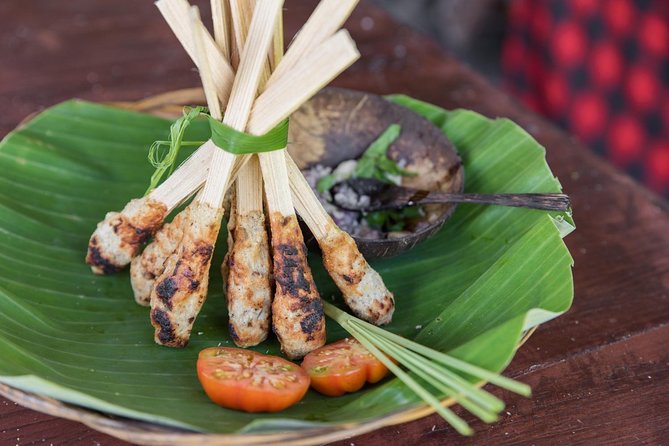
This is one of those tours where the learning sticks because you take it home. You get a small recipe book, which is aimed at helping you recreate the dishes later.
The dishes listed are not random. They cover key Balinese flavors and textures:
- Nasi sela gives you an approach to rice paired with sweet potato, which changes the sweetness and body of the meal.
- Garang asem shows how Balinese spices can work with tangy notes in a chicken dish.
- Tuna satay teaches grilling or kebab style technique while still using local seasoning profiles.
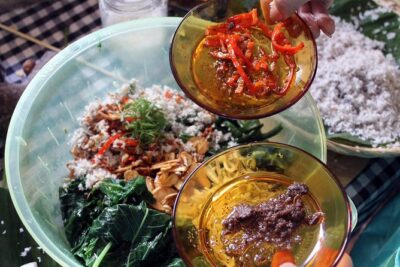
- Sayur urab is a coconut-and-spice vegetable style that you can adapt even when your pantry differs from Bali.
The biggest benefit of a recipe book is that it turns your memory into instructions. You do get to taste and compare during class, which helps you understand what to aim for. But at home, you need something written down, and that’s where the book earns its keep.
If you have diet preferences, there is a vegetarian option available. You need to request it when you book. If you have allergies or dietary restrictions, you should also tell them during booking so the kitchen can plan accordingly.
You’ll also have a bit of a social element. The included package mentions local alcohol, usually 1-2 glasses, so it’s part of the meal experience rather than a separate add-on.
Price and value: why $49 feels fair here
Let’s talk value without hand-waving. At $49, you’re buying a package that includes:
- a small-group farm tour
- a cooking lesson with hands-on guidance
- your home-cooked meal
- round-trip hotel pickup and drop-off if you are in the listed Ubud hotel zones
- a recipe book
- taxes and handling charges
- gratuities included
- and local alcohol (1-2 glasses)
In many cooking classes, you pay extra for transport, and the cookbook can be basic or not included at all. Here, the recipe book is part of the core value, and the meal is included as a direct payoff for your time.
The one thing not included is pickup if you’re staying outside Ubud. That’s the main place where the “good deal” math changes. If you are outside the covered zones, you may need to factor in getting to the meeting point yourself.
Also remember that this is a working farm and outdoor kitchen. You’re not paying for plush interiors, you’re paying for a real sequence: ingredient gathering, cooking instruction, and eating what you made.
Who should book this class with Kadek
This tour fits best if you want a hands-on day and you like learning by doing. If you enjoy food that tastes like a place, you’ll probably feel satisfied. The farm portion adds context, and the cooking portion gives technique you can repeat.
It’s also a great fit for:
- couples looking for a memorable experience in Ubud
- people who want more than a restaurant meal
- anyone who likes spices and wants to understand where ingredients come from
- vegetarians who can request the vegetarian option in advance
One more thing I appreciate from the experience style: it’s not stiff or overly formal. The tone is fun and interactive, and the instruction is meant to keep you engaged while you cook.
If you’re traveling with limited time, the 5-hour length is a plus. It’s substantial enough to feel like an event, but short enough that you can still plan dinner afterward.
Practical tips so the day feels easy, not stressful
Because it’s outdoors, small choices make a big difference. Wear light clothing that you don’t mind getting dusty. Wear shoes you can walk in on muddy ground and still cook comfortably in.
Bring:
- bug spray
- sunscreen
- a hand towel or tissues
- water, if you feel like you’ll need it even with the included drink
You’ll get straw hats and wet towels, so you’re not totally on your own. Still, personal comfort helps you enjoy the ingredient-gathering part.
Also plan your schedule. Start with a relaxed morning, because you’ll be walking, picking, and then cooking. If you have a big plan right after, consider giving yourself some buffer time to cool down.
Should you book this Ubud farm tour and cooking class?
I think you should book it if you want a Balinese cooking day that starts with real ingredients and ends with a meal you made. The farm-to-kitchen flow, the take-home recipe book, and the small-group size are the big reasons it feels worth it.
I would only hesitate if you strongly dislike outdoor heat, muddy walking, or hands-on farm conditions. Also, if you’re outside the pickup zones, check how you’ll get to the meeting point, since transport is included only for many Ubud hotels.
If your goal is an authentic, practical food experience that gives you something to cook again later, this is the kind of class that matches that promise.
FAQ
What’s included in the price?
The price includes a small group farm tour, the cooking lesson, and your home-cooked meal with Kadek. It also includes local alcohol (1-2 glasses), round-trip hotel pickup and drop-off only if you stay in Ubud, and all taxes, fees, and handling charges. Gratuities are included as well.
How long does the experience take?
It lasts about 5 hours (approx.). The farm tour portion is about 30-45 minutes, and the cooking class portion is about 2 hours.
Is pickup available from all Ubud hotels?
Pickup is included for Ubud hotels in specific areas, including Hanoman Street, Monkey Forest Street, and Jl. Raya Ubud. If you stay outside those areas, pickup point is at the Maybank Gianyar location on Jl. Raya Ubud No.115 in Petulu.
Is the class private?
The experience is described as a small-group experience with a maximum of 10 travelers, while also emphasizing personalized instructor attention. So you get small-group guidance rather than a large crowd setting.
What dishes will we cook?
You’ll learn to make 2-3 Balinese dishes. Dishes that may be included are nasi sela, garang asem, tuna satay, and sayur urab. The meal typically ends with kolak and Balinese coffee or lemongrass tea.
Is there a vegetarian option?
Yes, a vegetarian option is available. You need to advise at booking that you want the vegetarian option.
What if weather is bad since it’s outdoors?
The experience requires good weather because it takes place outdoors. If it’s canceled due to poor weather, you’ll be offered a different date or a full refund.
More Kitchens Taking Bookings
Fresh Ubud write-ups from the review desk




Balinese Cooking Classes, compared.
 ★ 5.0PRIVATE Authentic Balinese Cooking Class in Ubud at Putu’s HomeFrom $75644 reviews
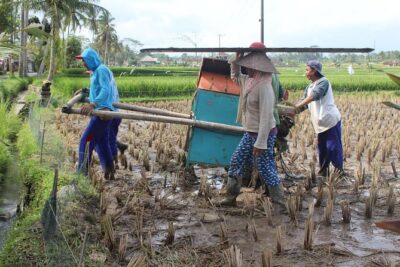 ★ 5.0Balinese Ubud cooking school (9 Dish Cooking and Market Tour)From $58540 reviews
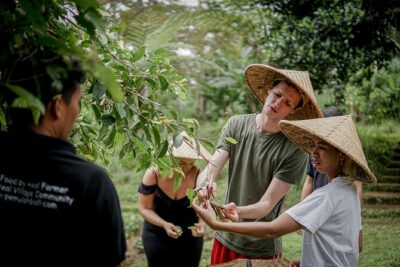 ★ 5.0Balinese Farm Cooking Class by Pemulan BaliFrom $39410 reviews
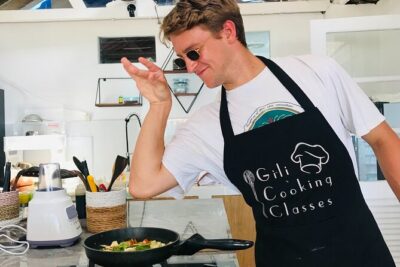 ★ 5.0Learn to cook Indonesian food at Gili Cooking Classes TrawanganFrom $33352 reviews
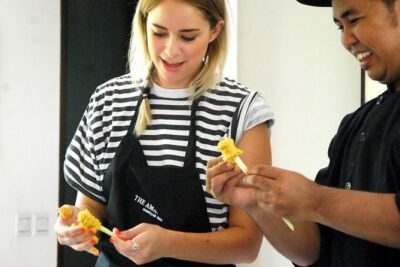 ★ 5.0Balinese Cooking Class in SeminyakFrom $66281 reviews
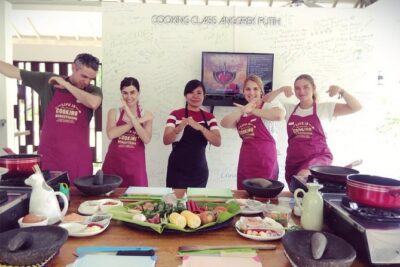 ★ 5.0Anggrek Putih Lombok Cooking ClassFrom $30253 reviews
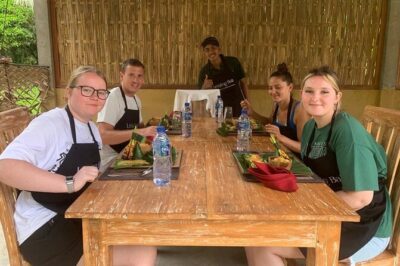 ★ 5.0Balinese Authentic Cooking Class in UbudFrom $39239 reviews
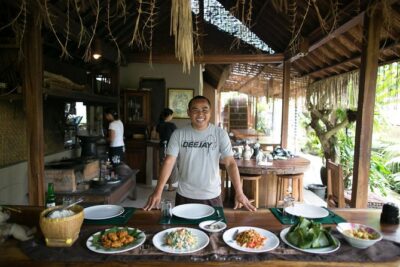 ★ 5.0PRIVATE Balinese Cooking Class in Ubud with Dewa with TransfersFrom $69213 reviews
Browse the lists this tour appears in