
REVIEW · BALINESE COOKING CLASSES
Authentic Balinese Cooking Classes
A great Bali meal starts with how you shop. I like the hands-on cooking format, plus the market tour where you practice bargaining and pick ingredients with guidance. One possible drawback: timing can be tight, and a late pickup can cut into market time, so you’ll want to double-check your start time before you’re on the road.
This is a small-group day in Bakas (Klungkung), with a flexible start time from morning through afternoon. You get your own station and utensils, and the class runs in English, so you’re not standing around watching.
In This Review
- Key Highlights at a Glance
- A Market Stop Changes Your Cooking Class in Jimbaran
- Price and Value: Why $65 Feels Fair Here
- Getting Picked Up: Transfers From Ubud to South Bali
- The Morning Market Game: Bargaining and Ingredient Judgment
- Bakas Kitchen Setup: Hands-On Cooking With Real Focus
- What You’ll Cook: Satay, Nasi Goreng, and Black Rice Pudding
- The Food Moment: Cooking, Eating, and Taking Notes That Stick
- Timing and Group Size: How to Choose the Best Start Time
- Who This Is Best For, and Who Should Think Twice
- Should You Book Bakas Cooking Class in Jimbaran?
- FAQ
- What dishes will I cook in this Balinese cooking class?
- Does the experience include a market tour?
- How long is the cooking class?
- Is pickup and drop-off included?
- What is the maximum group size?
- Is the class taught in English?
- Where does the cooking class take place?
- Can I choose the start time?
- How does cancellation work?
Key Highlights at a Glance
- Small group (max 10), so the chef can give you real attention while you cook
- Market tour with bargaining tips, a rare chance to learn how locals choose ingredients
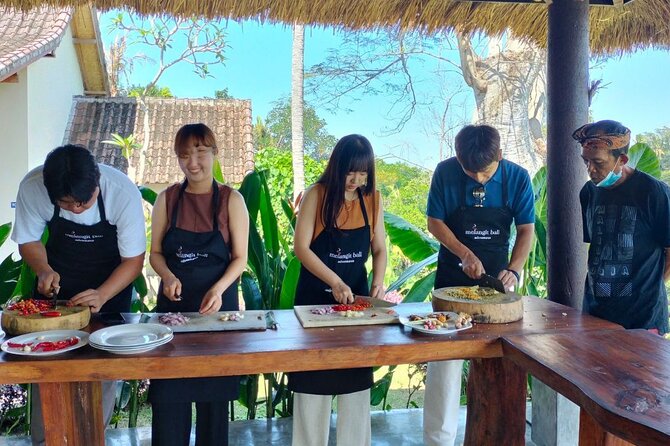
- Hands-on cooking stations, you chop, grind, cook, and eat your own food
- Round-trip transfers from many Bali areas, including Ubud and most of south Bali
- English instruction, designed for non-Indonesian speakers
Not decided yet? These Jimbaran trips held up when we went through them.



A Market Stop Changes Your Cooking Class in Jimbaran
Balinese food is not just spice and taste. It’s choices. When you see ingredients before they hit the kitchen, everything you cook later makes more sense. This class builds that logic into the day, starting with a trip to a local market early enough to catch produce at its best.
The experience also has a “do it yourself” rhythm. You’re not just tasting. You’re learning how the flavors come together, and you’re practicing the steps that make Balinese dishes feel balanced, not heavy. By the time you sit down to eat, you’ll understand why the chef steers you toward certain items and away from others.
One more thing I like for practical travelers: the format is straightforward. You pick a start time (morning to afternoon), you get transfers, and the class runs about six hours. No confusing schedule gymnastics. If you want a food-focused cultural day without turning it into a logistics project, this fits.
Price and Value: Why $65 Feels Fair Here
At around $65 for about a half-day, this class can be good value, mainly because of what’s included. You’re paying for more than a cooking session. You get:
- A market tour component (especially for morning bookings)
- A hands-on class with your own cooking station and utensils
- Cooking the dishes together as a group
- Round-trip transportation from a wide set of Bali locations
That transportation piece matters. Getting to a rural-feeling kitchen area in Klungkung can eat time and money if you’re booking taxis on your own. Here, the day is designed to remove that headache, so you can spend your energy on learning how to cook.
Also, the max group size of 10 means you’re less likely to get the “tourist spectator” role. If you show up ready to chop and taste, the attention you get from the chef can make the $65 feel worthwhile.
The value gets better if you’re the type who actually uses recipes after a trip. This class aims to leave you with knowledge you can recreate, not just a photo and a full stomach.
Getting Picked Up: Transfers From Ubud to South Bali
One of the biggest comforts is the transfer coverage. Pickup and drop-off are included from many common Bali bases, including Seminyak, Legian, Kuta, Nusa Dua, Jimbaran, Sanur, Ubud, Denpasar, and Benoa Harbor. The day is set up as a true “no stress” experience, not a scavenger hunt.
In real life, Bali drive time can swing based on traffic and your exact location. That’s why I’d treat the included transfers as a benefit, but also keep an eye on timing. If your pickup is later than planned, the market portion might feel rushed, and you could miss the calmer part of ingredient browsing.
Tip that helps a lot: if you can choose your start time, pick the earlier option when you really want the market lesson. Markets are easiest when you arrive when vendors are fully set up, and the class flow makes most sense then.
The Morning Market Game: Bargaining and Ingredient Judgment
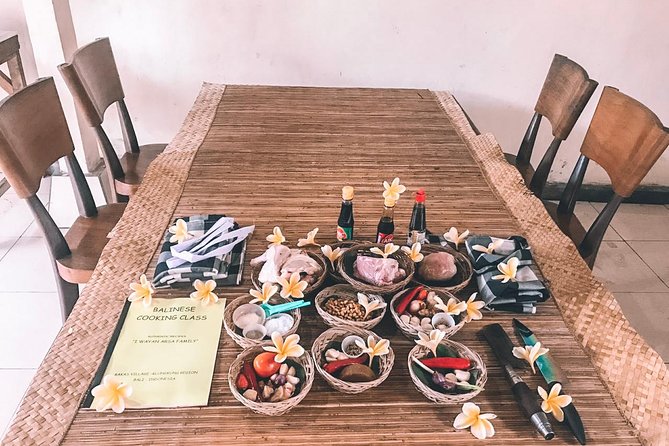
The market stop is where this class earns its name. You’re not only buying ingredients. You’re learning how to look, ask, and decide like someone buying for real cooking.
Expect the chef to explain Balinese tastes and customs as you move through the market. You’ll also get guidance on local meat, fish, and produce, including what kinds of ingredients are used and how locals judge freshness.
The bargaining part matters too. It’s easy to treat it like a performance. Here, it’s framed as a skill: you learn how to approach sellers, what questions to ask, and how to spot value. Even if bargaining is uncomfortable at first, the chef can guide you so you’re not left guessing.
What you’ll walk away with is more practical than it sounds. You’ll come to the kitchen with a better sense of ingredient categories. You’ll also learn that “buying the right thing” is often more important than “buying the most expensive thing.”
A quick caution, based on what can happen in timing-sensitive tours: if pickup runs late, you may end up at a market that is not as fully stocked or not the one you expected. Before you go, confirm your pickup time and plan a little buffer. If you’re picky about the market portion, choose the morning slot.
- Private Tour: Bali in a Day★ 5.0 · 95 reviews
- Best Of Ubud Tours★ 5.0 · 75 reviews
- All Inclusive Sekumpul Waterfall Trekking , Handara Gate & Temple★ 5.0 · 64 reviews
- Bali’s Best Sunset: Uluwatu Kecak Dance & Dinner Jimbaran Beach★ 5.0 · 49 reviews
- Bali Private inclusive tour: Best of Ubud in a Day★ 5.0 · 48 reviews
Bakas Kitchen Setup: Hands-On Cooking With Real Focus
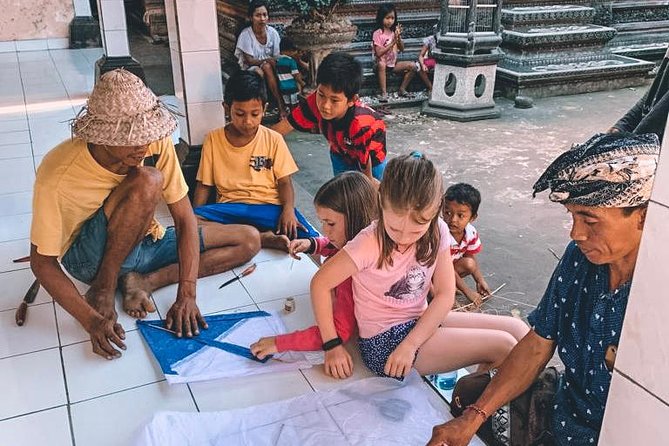
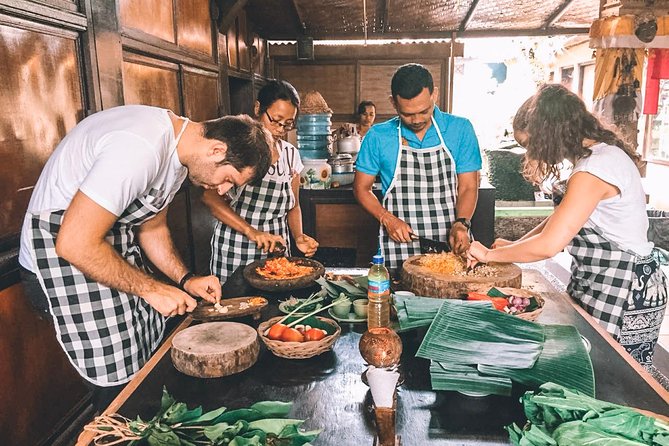
The cooking part takes place in Bakas, Klungkung Bali. The setting tends to feel countryside, and that matters because it changes the pace. You’re not trapped in a busy dining room. You’re in a place where you can smell ingredients, hear chopping, and see the cooking steps as they happen.
You’ll cook completely hands-on. The class is designed so students cook on their own stations, with utensils provided. This is a big difference from the typical “watch and taste” demo. If you want to learn how to recreate dishes at home, hands-on is the only way to do it.
The class is also limited to a maximum of 10 participants. In a group that size, you’re more likely to get correction on your technique. Things like chopping size, heat control, or grinding texture can be adjusted on the spot instead of being explained like a lecture.
Language is another practical win. The class is conducted in English, so you’re not stuck playing translation games to understand key steps. You can focus on what the chef is telling you, not on interpreting gestures.
If you’re the kind of traveler who learns best by doing, this setup is the point of the whole experience.
What You’ll Cook: Satay, Nasi Goreng, and Black Rice Pudding
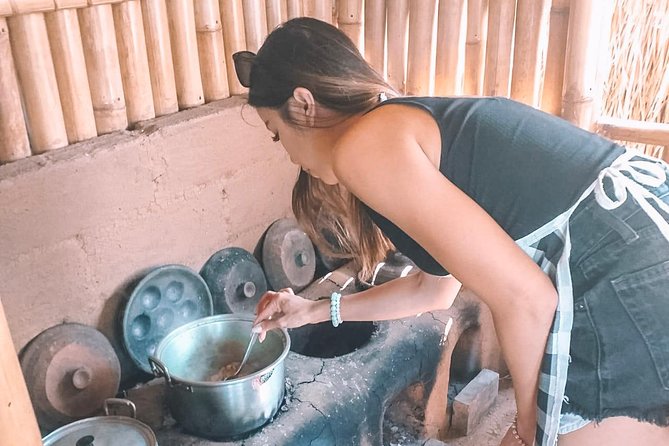
The menu is where many people decide if a cooking class is worth it. Here, you’re in for a mix of popular Balinese comfort foods and signature sweets.
From the dishes listed, you can expect:
- Satay, likely built around Balinese-style flavors and grilling technique
- Nasi goreng, fried rice with Balinese taste profile and mix-ins
- Black rice pudding, the sweet finish that uses black rice as the star
The practical value of these dishes is that they are recognizable enough to make sense later, but distinct enough that you’ll feel the Bali differences. You’ll learn how Balinese cooking uses aromatics, how savory and sweet balance, and how textures change as you cook.
Even if you already know how to make fried rice, this class helps with the “why.” You’re not only learning steps, you’re learning taste direction. That’s what helps when you’re back home and trying to adjust based on ingredients you can actually find locally.
Also, because you shop for some ingredients during the market portion, the flavors make more sense. When you see what the chef prefers and why, you’re less likely to shrug at recipe steps later.
The Food Moment: Cooking, Eating, and Taking Notes That Stick
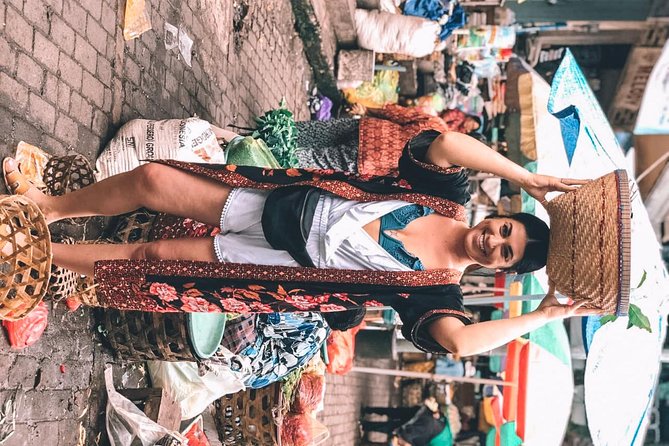
Cooking classes can fall apart when it’s all work and no time to enjoy what you made. This one is built around cooking, then feasting. You’ll eat the dishes you prepare, which gives you a chance to compare your output to what you’re aiming for.
I like the pacing because it’s not a rushed cafeteria model. You’ll have time to understand the process, not just follow it blindly. If you’re paying attention, this is where the “recipe memory” effect happens. You start to remember flavors by association, like the ingredient you chose in the market or the step the chef corrected during cooking.
If you’re serious about recreating at home, treat this part like a tasting lesson. Pay attention to aroma, sweetness level, and how the sauce coats the food. Those are the details that make a dish taste right even when you’re missing one exact spice brand.
And if you’re traveling with a friend or family member, the shared meal is a natural conversation starter. You’ll have a common topic: what you cooked, what you liked, and what you’d adjust next time.
Timing and Group Size: How to Choose the Best Start Time
You can pick your start time between morning and afternoon. The class duration is about six hours. That flexibility is handy, but it also changes how valuable the market portion feels.
Here’s how I’d choose:
- Pick morning if you want the full market lesson and ingredient shopping with a relaxed pace.
- Pick afternoon if your schedule is tight, but understand the market segment might feel more time-pressured depending on road and timing.
Also remember: small-group format means you’ll be part of a shared workflow. Everyone gets their station and participates, and that takes coordination. If you arrive late or rush through, you might miss key instructions the chef gives while you cook.
If you’re trying to plan this day around other activities, give yourself buffer time around pickup. Bali traffic can be unpredictable, and even when the plan is solid, delays can happen.
Who This Is Best For, and Who Should Think Twice
This cooking class is a strong match if you want:
- A food-centered cultural experience that teaches real techniques
- A market lesson, not just cooking
- Hands-on instruction with max 10 people
- English support so you can follow each step
- Round-trip transfers from your Bali base
It’s especially good for couples, friends, and solo travelers who don’t want to spend their day haggling over transport and then figuring out where to go.
Who might think twice:
- If you’re extremely schedule-sensitive and hate any possibility of delays, this could be frustrating. One documented experience involved a late pickup that affected the market portion.
- If your main goal is a long tour of Bali sights, this is not a sightseeing day. It’s a cooking and market learning day.
If you’re okay with a realistic half-day plan and you show up ready to cook, the payoff is high.
Should You Book Bakas Cooking Class in Jimbaran?
I think you should book if you want a practical, hands-on way to learn Balinese flavors, and you like the idea of shopping for ingredients with guidance. The value is strongest when you use the market lesson well, then carry home techniques you can actually repeat.
Skip or reconsider if you need a perfectly timed, clockwork morning with zero travel uncertainty. The experience depends on pickup timing, and the market portion is the part most likely to be affected if delays happen.
Before you go, do one small thing that makes a big difference: confirm your pickup time clearly and plan to be ready at the pickup location a bit early. Then you can focus on what matters, chopping, cooking, tasting, and learning how Balinese cooks build flavor from the ground up.
FAQ
What dishes will I cook in this Balinese cooking class?
The class includes Balinese dishes such as satay, nasi goreng, and black rice pudding.
Does the experience include a market tour?
For morning bookings, the day starts with a trip to a local market where you learn about ingredients and bargaining.
How long is the cooking class?
The duration is about 6 hours.
Is pickup and drop-off included?
Yes. The package includes round-trip transfers from many areas in Bali, including Ubud and much of south Bali.
What is the maximum group size?
Classes are limited to a maximum of 10 participants.
Is the class taught in English?
Yes, the cooking class is conducted in English.
Where does the cooking class take place?
The cooking class is in Bakas, Klungkung Bali.
Can I choose the start time?
Yes. You can pick a start time that works for you, morning through to afternoon.
How does cancellation work?
Free cancellation is available, and you can cancel up to 24 hours in advance for a full refund.
Fresh Jimbaran write-ups from the review desk




Balinese Cooking Classes, compared.
 ★ 5.0PRIVATE Authentic Balinese Cooking Class in Ubud at Putu’s HomeFrom $75644 reviews
 ★ 5.0Balinese Ubud cooking school (9 Dish Cooking and Market Tour)From $58540 reviews
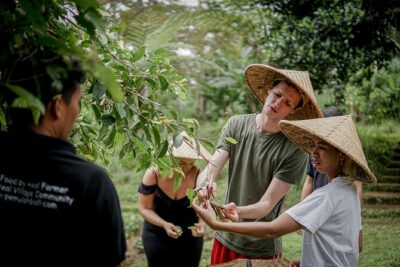 ★ 5.0Balinese Farm Cooking Class by Pemulan BaliFrom $39410 reviews
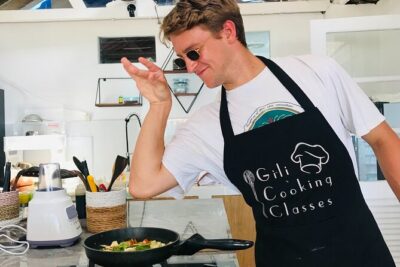 ★ 5.0Learn to cook Indonesian food at Gili Cooking Classes TrawanganFrom $33352 reviews
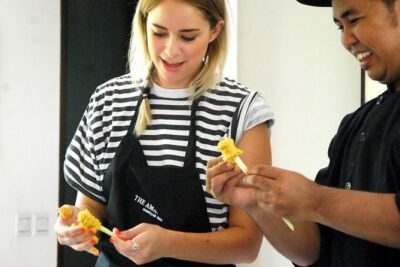 ★ 5.0Balinese Cooking Class in SeminyakFrom $66281 reviews
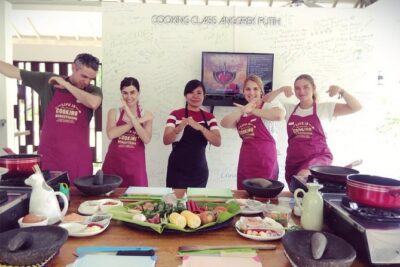 ★ 5.0Anggrek Putih Lombok Cooking ClassFrom $30253 reviews
 ★ 5.0Balinese Authentic Cooking Class in UbudFrom $39239 reviews
 ★ 5.0PRIVATE Balinese Cooking Class in Ubud with Dewa with TransfersFrom $69213 reviews
Browse the lists this tour appears in