
REVIEW · BALINESE COOKING CLASSES
Balinese Cooking Class with Traditional Market Tour
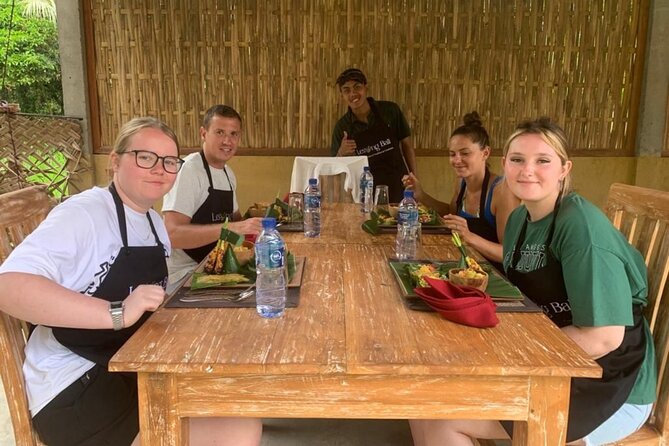
A morning market changes your whole attitude toward cooking. This Balinese class in Ubud pairs a real traditional market stop with hands-on lessons that end in the best kind of payoff, a 5-course lunch you make yourself.
I love the way it teaches ingredients in context, from what you pick up outside to how you turn it into paste and sauces. I also like the small-group size, typically four to 12 people, so you are not just watching while someone else works. The main thing to consider is that it is early, with a 7:30am start and a full round-trip day (about six hours from pickup to drop-off).
You’ll be using traditional tools in a real compound home, including a stone mortar and wooden chopping block for spice prep. You also get a structured lunch with five dishes plus one dessert, so you leave with more than recipes, you leave with technique and confidence. The one possible drawback is that the cooking part is described as full-on, so come ready to participate, not just snack and observe.
In This Review
- Key Things To Know Before You Go
- Morning Market Run: The Ingredient Hunt That Sets the Lesson Up
- Herbs, Spices, and Coffee Break in the Organic Garden
- Stone Mortar vs. Wooden Block: Hands-On Balinese Spice Prep
- The Traditional Open Kitchen Lunch: Your 5 Courses, Your Work
- Timing and Transfers: Getting the Most Out of a Ubud Morning
- Group Size and the Quality of Attention You Get
- Price Value: Why $58.16 Can Feel Fair (or Not)
- Should You Book This Balinese Cooking Class in Ubud?
- FAQ
- What time does the tour start in Ubud?
- How long is the experience?
- Is hotel pickup and drop-off included?
- How many people are in the group?
- What do I eat during the class?
- Are drinks and water included?
- Is free cancellation available?
Key Things To Know Before You Go
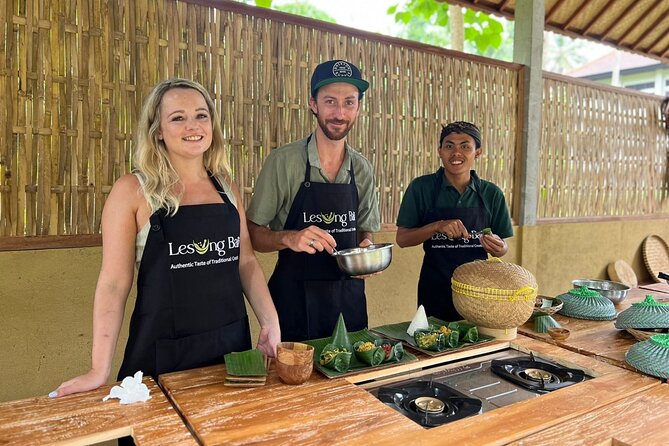
- Market first, cooking second: You buy the ingredients at a traditional market while it is cooler in the morning.
- Small-group attention: It runs with a group of four to 12, which keeps questions from getting lost.
- Stone mortar technique: You learn how Balinese spice paste differs from chopped prep and how sauces come together.
- Hands-on 5-course lunch: You make a full meal in an open kitchen, then eat what you cooked.
- Optional extras are on you: The class includes the meal and basics, but optional expenses are not included.
- Pickup and drop-off saves energy: Door-to-door round-trip transfers make this easy to fit into a Ubud morning.
Other kitchens taking bookings, compared
Morning Market Run: The Ingredient Hunt That Sets the Lesson Up
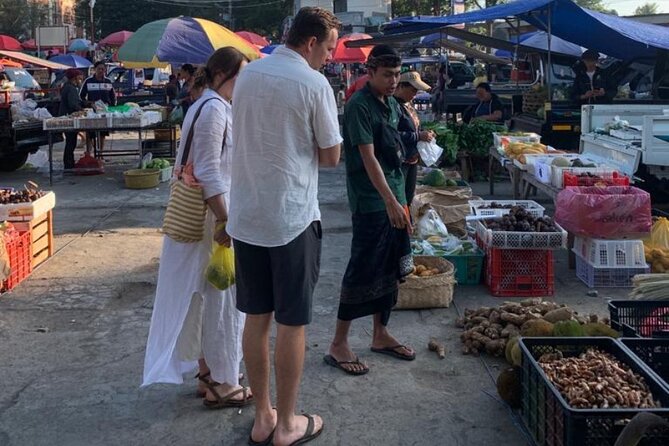
This experience starts with hotel pickup, then heads straight to a traditional market. The timing matters: you visit between 7:30am and 8:00am, when the outdoors are cooler and the market rhythm is easier to enjoy without sweating through your questions.
This is not a quick photo stop. The idea is that you see everyday Balinese food life before you start cooking. You get guided help on what you are looking for, including produce and ingredients that show up in Balinese dishes. In one clear example from a guest note, Ron walked through different vegetables and fruit and shared Balinese traditions alongside the shopping, which helps you understand why certain flavors show up again and again.
It is also a smart setup for anyone who wants to cook later. Once you know what an ingredient looks like at the source, you can recreate the dish more accurately back home. You are also starting from a place of familiarity, which makes the later spice work feel less intimidating.
One practical point: you will likely bring some curiosity and a bit of appetite into the market. You will be shopping for cooking needs, not just browsing, so go with a mindset of learning what you are buying.
Herbs, Spices, and Coffee Break in the Organic Garden
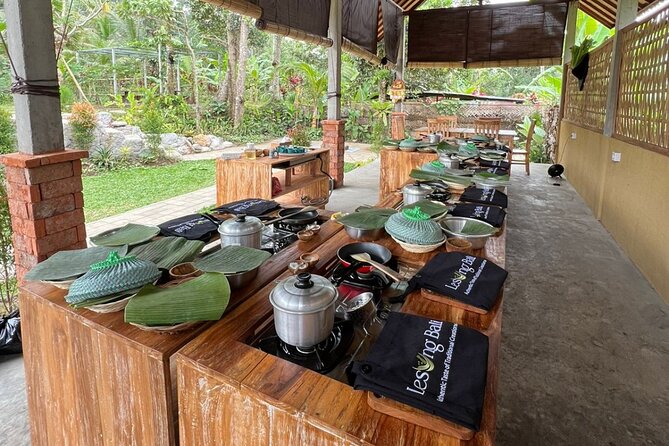
After the market, the lesson moves into a calmer phase. Your host introduces well-grown herbs and spices in an organic garden setting. This step is more than a nature walk. It is there to give you a sensory map: what the ingredients smell like, how they behave when processed, and why they matter in Balinese cooking.
The tour also includes a welcome drink and snack, which helps if you are used to starting the day slowly. Then you shift from observing to doing. From here, the class transitions into the Balinese kitchen portion where spice preparation becomes the main event.
If you care about cooking technique, this garden stop is a good use of time. You start learning what happens before heat. In many cooking classes, people jump straight to a recipe. Here, you get a chance to understand the ingredients first, which makes the later hands-on work make more sense.
Stone Mortar vs. Wooden Block: Hands-On Balinese Spice Prep
The center of the class is how you process food the Balinese way. You will prepare pastes and sauces using traditional tools and techniques, and you will do it yourself.
One key detail is that Balinese spice preparation can happen in different ways. You are taught two approaches, chopped on a wooden chopping block and ground in a stone mortar before being cooked. That difference is not just technical. It affects texture and flavor release. Grinding with the stone mortar tends to create a smoother paste, and chopping keeps more bite in the mix. Your instructor shows how those prep styles feed into different dishes.
You also learn that paste and sauce work is not a side step. It is the backbone. A lot of Balinese flavor comes from careful processing, then cooking in specific ways to build depth. This class makes you do the prep rather than watching someone else do it. That is where the confidence comes from.
The tools matter too. A stone mortar has weight and resistance. You feel the paste change as you grind. It slows you down just enough to pay attention to smell, consistency, and timing. It also makes the lesson memorable in a way that a purely written recipe never does.
If you like cooking but dislike being rushed, this part is a win. You have a defined process, and you are not guessing. And if you are new to spice paste, you will get guided steps so you do not feel lost.
The Traditional Open Kitchen Lunch: Your 5 Courses, Your Work
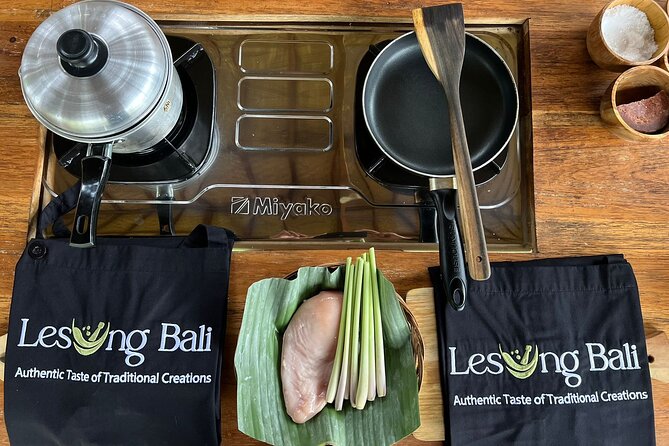
When you move into the cooking stage, you do it in a traditional open kitchen setting. That open-air format keeps the experience connected to the place around you, and it also makes it easier to watch what others are doing while you work on your own dishes.
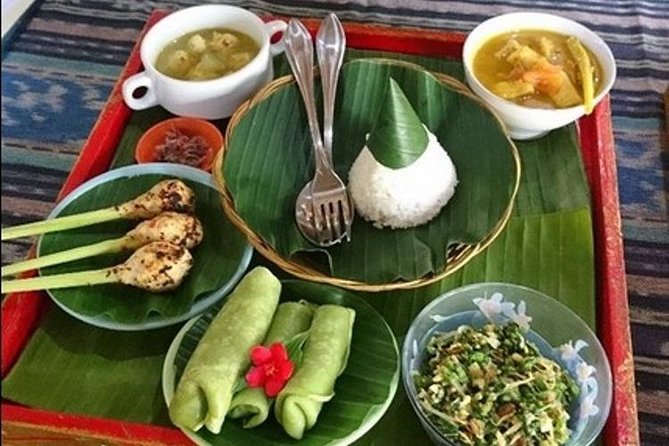
You will prepare a 5-course lunch plus 1 dessert, and the best part is that you eat what you make. This is not a buffet where you sample and leave. The class is structured so your effort turns into a full meal.
Based on the way guests describe the experience, the lunch is a genuine payoff. One guest note calls the cooking full-on and says the work rewards you with a lovely lunch, with the practical warning to come hungry because it can be hard to finish everything. That tells you the servings are not tiny, and you should plan your morning accordingly.
The certificate of cooking class is another small but satisfying touch. It is the kind of souvenir you can actually use as a reminder that you did something real, not just sampled a meal.
From a value standpoint, this is where the tour earns its cost. For $58.16 per person, you are not just paying for instruction. You are paying for ingredients, an instructor-led market visit, cooking guidance, and a full lunch that is built from the dishes you prepare. In other words, you leave with both skills and food, which makes the price feel more grounded.
- Uluwatu Sunset, Kecak Dance, and Dinner Jimbaran Beach★ 5.0 · 3,681 reviews
- Tanah Lot and North Bali Tour: Scenic Journey★ 5.0 · 3,620 reviews
- Body Massage Experience in Ubud Traditional Spa★ 5.0 · 3,506 reviews
- Best of Bali Waterfalls: Tibumana, Tukad Cepung and Tegenungan★ 5.0 · 3,047 reviews
- Bali: Ubud Kecak and Fire Dance Show Tickets★ 4.4 · 2,631 reviews
Timing and Transfers: Getting the Most Out of a Ubud Morning
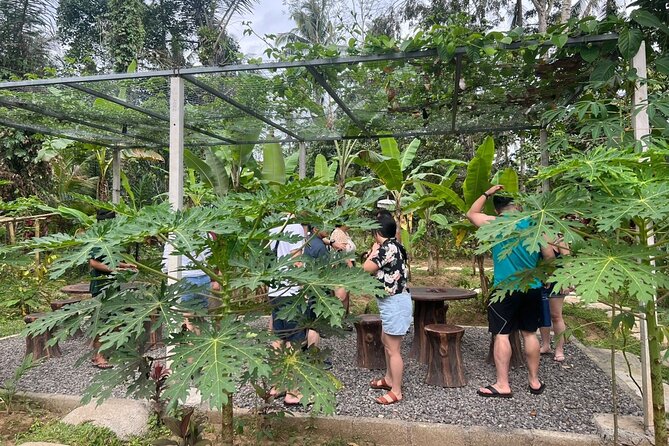
This class has two ways of thinking about time. The cooking class itself is about 2 hours 30 minutes, but the full experience from pickup to drop-off is about 6 hours. That is important for planning. In Ubud, mornings can disappear fast, and this schedule is early enough that you will probably want to keep your afternoon flexible.
Door-to-door pickup and drop-off helps a lot. It means you do not have to manage transport to and from a home kitchen setup. Reviews also mention punctual pickups, with one guest calling out that a driver named Yoga picked them up exactly on time. If you rely on tight schedules, this kind of organization matters.
Start time is 7:30am, and the market begins early. If you are the type who likes to wake up slowly, consider whether your vacation energy matches an early morning. If you are fine getting up and moving, you are rewarded with a market visit that is not blistering hot.
Group Size and the Quality of Attention You Get
The class is designed around small groups. You will be in a group of four to 12 people, and the booking limit is up to six people per booking, even though the class can accommodate up to 12 participants.
That sweet spot is exactly what you want for cooking. You need time for hands-on practice, but you also need guidance. Small groups also make it easier to ask questions when a paste is too thick, when flavors feel off, or when you want to understand the difference between chopped and mortar-ground spice prep.
The reviews back up that you get personalized attention. In one guest note, Nyoman escorted people through the market, with clear explanations and a guided flow that keeps you from feeling like you are wandering on your own. When the group is small, the instructor can fix details without leaving you stuck.
Price Value: Why $58.16 Can Feel Fair (or Not)
At $58.16 per person, this is not a bargain-basement activity. But it is also not overpriced for what you get, especially if you value cooking skills and a real meal.
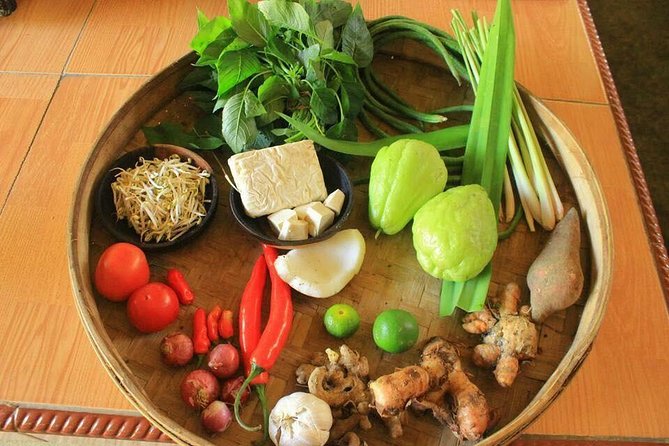
Here is what is included: hotel pickup and drop-off, a market visit, welcome drink and snack, cooking instructor, lunch of all the dishes you made, bottled water, and a certificate of cooking class. You also get five dishes and one dessert. In practice, that means you are paying for your shopping time, instruction time, ingredients that go into the meal, and the meal itself.
This tends to be good value for people who:
- like hands-on cooking more than watching
- want a structured experience that includes transport
- are hungry at the end of a morning, not just doing a tasting
It might feel less worth it if you mainly want a quick cultural taste without cooking. The class is built around you working with spices and tools, so you have to be willing to participate.
Should You Book This Balinese Cooking Class in Ubud?
I think you should book it if your ideal day includes learning real technique. The market first approach makes a big difference, and the hands-on spice prep using a stone mortar is the kind of skill you can actually take home. If you have cooked before and want to understand Balinese flavor construction, you will appreciate the focus on paste and sauce work. If you are newer to cooking, the small-group format helps you stay on track.
Skip it if you want a super relaxed morning with minimal effort. This class has a full day feel because of the early start and the round-trip time, and the cooking part can be demanding. Also, plan your schedule for an early end, since the day is structured around that morning flow.
FAQ
What time does the tour start in Ubud?
The tour starts at 7:30am, and the traditional market visit runs from about 7:30am to 8:00am.
How long is the experience?
The cooking class portion is approximately 2 hours 30 minutes, and the total time from pickup to drop-off is about 6 hours.
Is hotel pickup and drop-off included?
Yes. Hotel pickup and drop-off are included.
How many people are in the group?
It is typically a group of four to 12 people, and the class can accommodate up to 12 participants. The maximum is 6 people per booking.
What do I eat during the class?
You’ll enjoy a lunch made from your own cooking, including 5 dishes and 1 dessert.
Are drinks and water included?
Yes. There is a welcome drink and snack, and bottled water is included.
Is free cancellation available?
Yes. You can cancel for a full refund up to 24 hours before the experience start time.
More Kitchens Taking Bookings
Fresh Ubud write-ups from the review desk





Balinese Cooking Classes, compared.
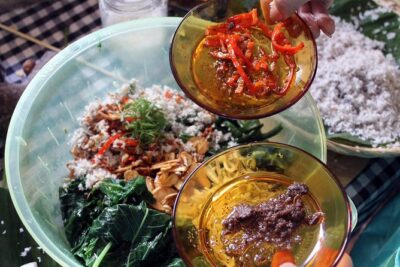 ★ 5.0PRIVATE Authentic Balinese Cooking Class in Ubud at Putu’s HomeFrom $75644 reviews
 ★ 5.0Balinese Ubud cooking school (9 Dish Cooking and Market Tour)From $58540 reviews
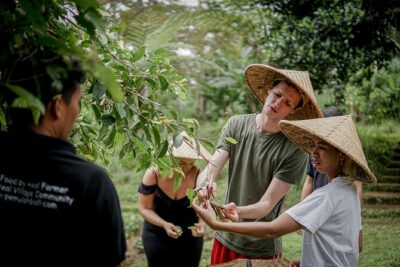 ★ 5.0Balinese Farm Cooking Class by Pemulan BaliFrom $39410 reviews
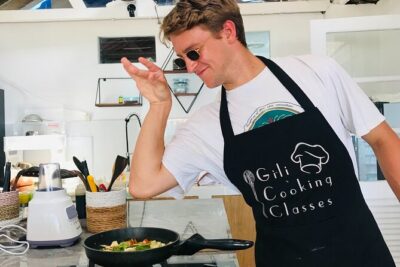 ★ 5.0Learn to cook Indonesian food at Gili Cooking Classes TrawanganFrom $33352 reviews
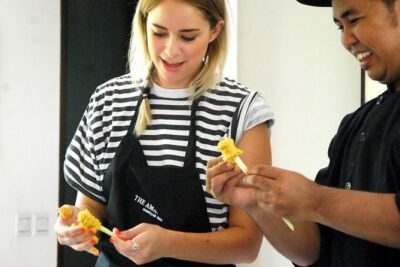 ★ 5.0Balinese Cooking Class in SeminyakFrom $66281 reviews
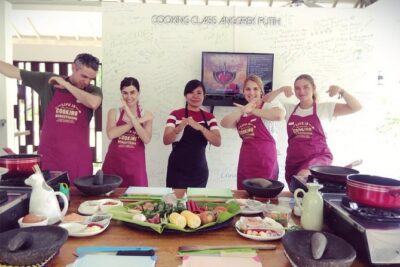 ★ 5.0Anggrek Putih Lombok Cooking ClassFrom $30253 reviews
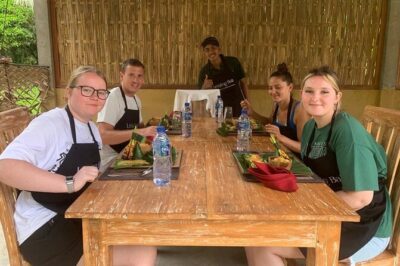 ★ 5.0Balinese Authentic Cooking Class in UbudFrom $39239 reviews
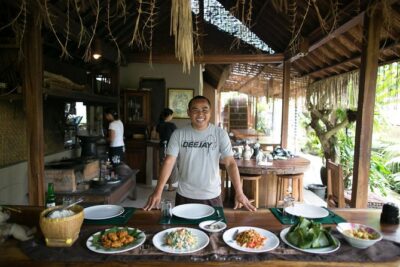 ★ 5.0PRIVATE Balinese Cooking Class in Ubud with Dewa with TransfersFrom $69213 reviews
Browse the lists this tour appears in