
REVIEW · BALINESE COOKING CLASSES
Cooking class in the comfort of your own personal villa. Yes, I’ll come to you!
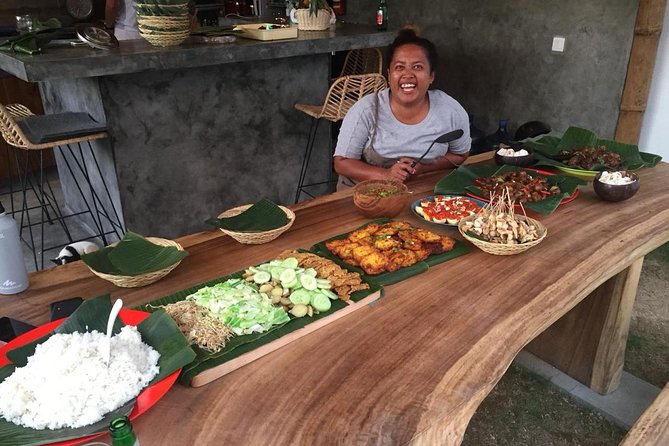
A cooking class that comes to your door. In Seminyak and especially around Canggu, this is an easy way to turn an evening in Bali into something hands-on, social, and delicious, with chef Yohana Parapat teaching you three Indonesian dishes right in your own villa. I love the no-stress setup, because the chef brings supplies and even handles the washing up. I also like that the menu is customizable for vegetarians and vegans, so you are not stuck with a one-size-fits-all plan. The main thing to consider is that the class runs about 3 hours, so if your group has picky needs or you want a slower pace, you’ll need to communicate clearly and set expectations.
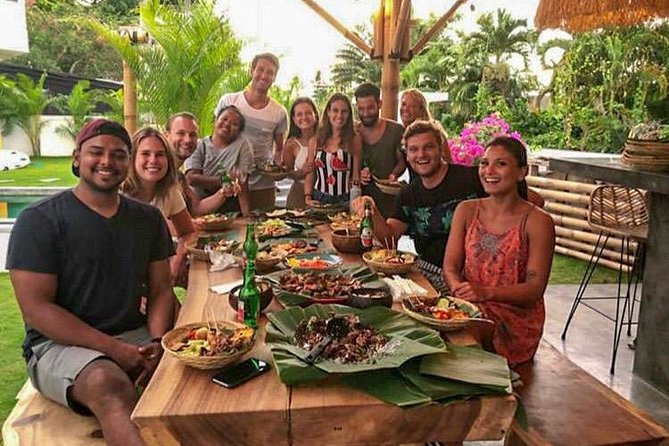
You’ll get step-by-step guidance, and the vibe is part lesson, part good company. Several people highlight how Yohana adapts to the group mood, tells fun stories, and keeps things moving. You also get to eat in a relaxed setting, right where you’re staying, instead of heading across town mid-holiday.
One more practical note. Some groups felt a bit rushed, and one review mentioned a dish mismatch when chicken preferences were not handled the way the participant expected. The good news is the experience is designed to be flexible, so you can usually fix this by sharing dietary restrictions up front and again the day before.
In This Review
- Key Highlights You’ll Care About
- Villa Cooking in Canggu: What Makes It Different
- How the Class Works When Your Chef Comes to You
- What You’ll Cook: Three Indonesian Dishes, Built for Your Group
- A 3-Hour Flow You Can Plan Around
- Dietary Flexibility: Vegetarian, Vegan, and Gluten-Free Options
- Eating at Your Own Table: The Best Part for Many People
- Price and Value: Is $50 Per Person Worth It?
- Who This Is Perfect For (and Who Should Think Twice)
- What to Bring, What to Expect, and What to Ask
- Should You Book This Cooking Class in Seminyak or Canggu?
- FAQ
- What dishes will I learn in this cooking class?
- Is this cooking class suitable for vegetarians and vegans?
- Is it a private class or a shared group?
- Where does the cooking class take place?
- How long is the cooking class?
- What is included in the price?
- Do I need to do any cooking prep or shopping?
- Does the chef clean up afterward?
- What’s the booking timing like?
- What are the opening hours?
- What is the cancellation policy?
Key Highlights You’ll Care About
- Chef-run, supplies-included cooking so you do no shopping and minimal prep
- Villa dining lets your group eat together on your own schedule
- Three Indonesian dishes with options like gado-gado, corn fritters, sweet soy chicken, and klepon
- Dietary customization for vegetarians and vegans, plus gluten-free options noted by past groups
- Cleanup included, since the chef handles dishes after you eat
Other kitchens taking bookings, compared

Villa Cooking in Canggu: What Makes It Different
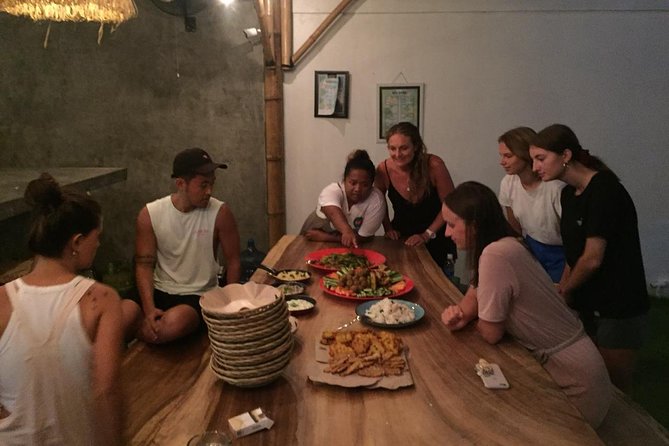
The big selling point here is simple: you cook at your villa. That changes the whole feel of the evening. Instead of “class then commute,” you stay put, keep your holiday rhythm, and make it easy for everyone in your group to relax before and after cooking.
Canggu villas usually have their own pacing, from pool time to sunset drinks. This class fits right into that. You can also plan the rest of your night around your meal. Eat, hang out, maybe add a few drinks after, and you still don’t have the hassle of getting everyone back out.
It also tends to work better for mixed groups. You can tailor the menu for vegetarian or vegan diners, and you can often request adjustments. In real life, that matters more than the “chef will teach you cooking” line, because Bali meals can vary a lot depending on who eats what.
How the Class Works When Your Chef Comes to You
This is a private activity, meaning it is just your group. That matters for two reasons. First, it gives you room to ask questions. Second, the chef can adjust the session to your group size, energy level, and dietary needs.
The chef brings everything. That includes ingredients and the tools you need to cook the dishes you choose. You do not need to prep anything in advance, and you do not need to clear your kitchen like you’re hosting a dinner party. The listing is explicit about that: no need to prepare, and the kitchen is not on you because the chef comes to your kitchen.
A smooth class usually follows a predictable flow:
- You start with a quick setup and ingredient explanation.
- Then you cook dish by dish with step-by-step guidance.
- After cooking, you eat the food you made.
- Then the chef takes care of the dishes and cleanup before leaving.
People also mention the teaching style as very practical. One common theme is that instructions are easy to follow, and the chef adapts to the group’s vibe. If you like your cooking experience to feel friendly instead of strict, this kind of setup is a good match.
What You’ll Cook: Three Indonesian Dishes, Built for Your Group
The menu is not fixed in stone. You learn three dishes, and the chef can help customize. The most commonly listed options include savory and sweet, so you get a well-rounded spread rather than only one type of food.
Here are the dishes mentioned as possibilities:
- Gado-gado salad: a classic Indonesian mix, usually built around a creamy sauce and plenty of crunchy ingredients
- Corn fritters: a snack-style dish, great for texture and flavor
- Chicken in sweet soy sauce: the sticky-sweet profile that Indonesians love, often served as a main or substantial side
- Klepon: coconut and palm sugar sweets, usually chewy, sweet, and very “Bali at the table”
You might end up with different combinations depending on what your group eats and what the chef recommends. One review mentioned potato cakes with chili plus chicken curries. That tells me the chef is also willing to steer the menu based on group preferences and what fits best for your cooking session.
Here’s the practical value of this dish variety. In three hours, you are not just learning one technique. You’re likely to practice a mix of skills:
- making or handling a sauce base (think gado-gado),
- shaping and cooking fritter-style food,
- and balancing sweet and savory flavors in a main.
And if your group includes a dessert option like klepon, you get an immediate souvenir effect. You’re not just tasting Indonesia, you’re learning how to reproduce one of its signature sweets.
A 3-Hour Flow You Can Plan Around
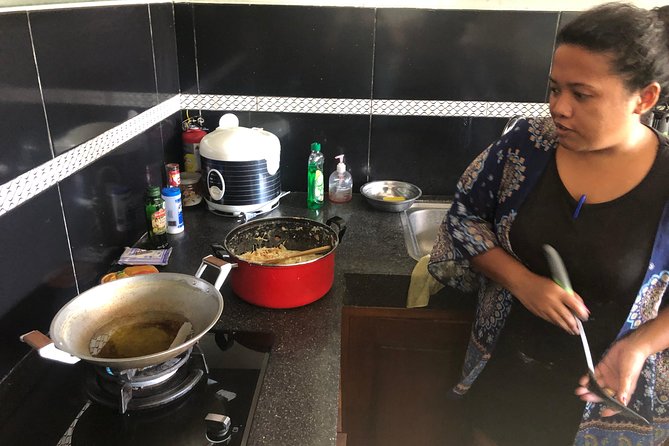
The class runs about 3 hours. That’s long enough to feel satisfied, but short enough that it needs a clear pace. Many past experiences focus on how much you get done and how fun it feels, but one review did say it could have benefited from more time when the session felt rushed.
So, how do you plan your evening?
Assume a session like this:
- Arrival and setup: the chef comes to your villa, gets ingredients and tools ready, and checks dietary details.
- Cooking the first dishes: you work through recipes step-by-step.
- Cooking the remaining dish(es): especially if your third dish is a sweet like klepon or involves multiple components.
- Eat what you made: you sit down in your villa and enjoy the results together.
- Cleanup: chef washes up before leaving.
If you have a group that includes kids, this style can work well because you are not traveling and you can keep everyone in one place. But again, the pace is real, so if your group needs more time for questions or substitutions, ask for that before the cooking starts.
- Bali Full-Day Traditional Village Sightseeing Trip All Inclusive★ 5.0 · 3,069 reviews
- Experts Bali Driver : Best Bali Private Driver for Tour in Bali★ 5.0 · 1,339 reviews
- Bali Hai Sunset Dinner Cruise★ 5.0 · 1,173 reviews
- Mount Batur Sunrise Trekking★ 5.0 · 947 reviews
- Private Arrival Transfer: Bali Airport to Hotel★ 4.5 · 739 reviews
Dietary Flexibility: Vegetarian, Vegan, and Gluten-Free Options
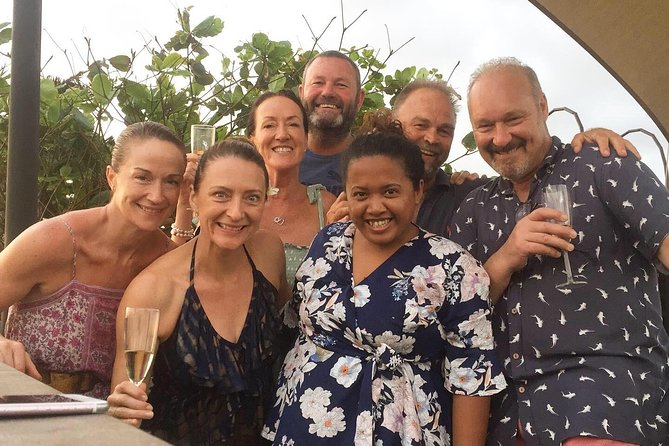
This class is specifically described as suitable for vegetarians and vegans. In addition, gluten-free alternatives have been mentioned by past groups, which suggests the chef is used to handling ingredient swaps.
In plain terms: you should treat this as a menu conversation, not just a reservation. Make dietary needs clear before the chef arrives. If anyone avoids chicken, seafood, eggs, dairy, or has allergies, say it directly, and say it early.
One review included a disappointment related to chicken choices, even though the chef had been informed. That’s a reminder of something simple: if you want a guarantee, confirm details in advance and repeat them when you meet the chef. If your group has multiple dietary rules, ask how the chef will handle them within three dishes.
Also keep your expectations realistic. Customization can change what you cook, but it may not always mean “same dish, exact same method.” The chef is aiming to produce a satisfying menu while keeping the session on schedule.
Eating at Your Own Table: The Best Part for Many People
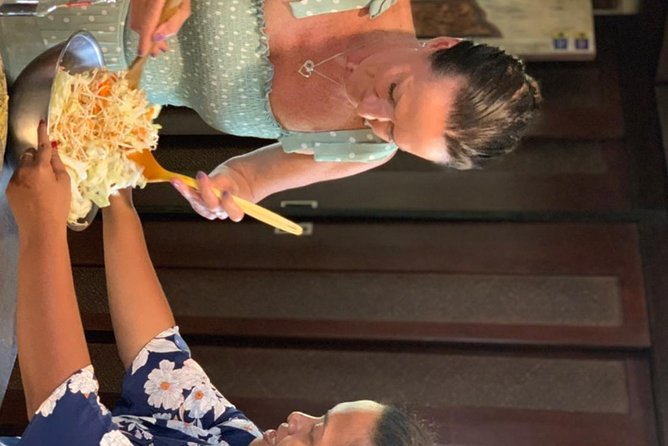
Cooking is only half the fun here. The other half is eating in your villa, with no restaurant noise, no waiting for tables, and no trying to coordinate transit.
One nice detail in the experience description is that you eat in your villa, which gives your group control over drinks. That’s a subtle value-add. Instead of worrying about whether a restaurant has what you want, you can buy drinks you like and keep the vibe consistent with your holiday plans.
From a practical standpoint, eating at your villa also helps groups stay comfortable. You already know where restrooms are. You already know your seating. You can keep the mood relaxed instead of “we’re all standing around while dishes arrive.”
And because the chef does the cleaning, your evening doesn’t end with you doing dishes. That one point is repeated in the overall value of the experience, and it’s probably the most underrated reason people love it.
Price and Value: Is $50 Per Person Worth It?
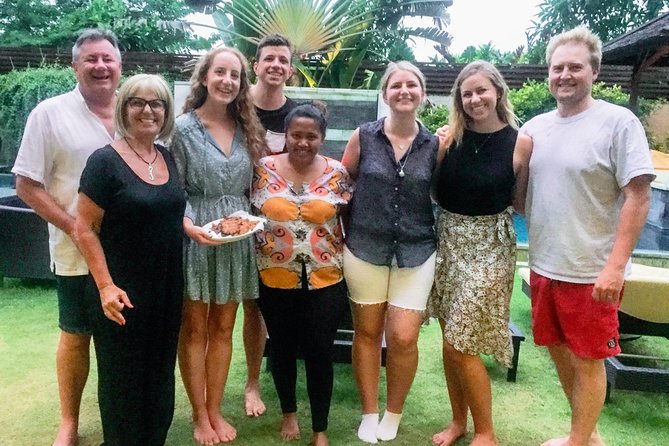
At $50 per person, you’re paying for three things:
- a private, chef-led cooking session,
- ingredients and cleanup included,
- and the convenience of staying at your villa.
If you compare this to a regular cooking class plus dinner, plus transport time, this starts to make sense. Even for couples, paying for one person’s full service (ingredients, teaching, and cleanup) can be good value because you’re buying time and ease.
It also becomes more cost-effective with a group, especially because the experience notes group discounts. The value is not just the food. It’s that you’re getting a guided experience with an actual teacher in your space.
The main “cost risk” is pacing. If your group wants a slower, more relaxed cooking experience, three hours may feel tight. But even when people mention it felt rushed, they still usually describe the flavors and the fun vibe positively. That suggests the session tends to be lively rather than slow and academic, which is fine for most vacation moods.
So who is it best for?
- People who want a memorable Bali meal without restaurant logistics
- Groups where diets differ
- Anyone who values convenience and hates shopping and cleanup
Who This Is Perfect For (and Who Should Think Twice)
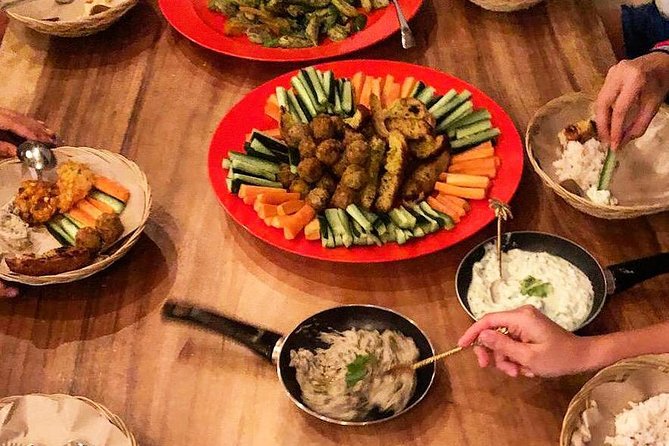
This works especially well if you want to make a villa vacation feel more local and hands-on. You’re learning Indonesian dishes, not just watching food get made.
It also suits:
- couples who want a private date-night activity without leaving the property,
- singles and small groups who want a social experience without navigating a tour bus,
- families who want a kid-friendly cooking experience at home,
- and food-curious travelers who don’t want to mess with planning ingredients or cleanup.
Think twice if:
- you need a very slow pace or lots of technical instruction and practice time,
- your group has multiple complex dietary rules and you’re not willing to communicate them clearly,
- or you expect printed recipe handouts. One review said there were no take-home handouts, so if that matters to you, consider asking directly what you will receive.
What to Bring, What to Expect, and What to Ask
Since the chef brings supplies and manages cleanup, you do not need to pack much. Still, you’ll be happier if you do a few simple things.
Before you start cooking, ask:
- which three dishes you will make based on your group’s dietary needs,
- whether gluten-free adjustments are available for specific dishes,
- and how chicken or other non-vegetarian ingredients will be handled for each person.
Also ask about what you should expect to do during the process. Even with step-by-step guidance, some people prefer more hands-on tasks while others want to observe more. You’ll get better results if you tell the chef your preference at the start.
Finally, plan your evening around the meal. Wear something comfortable for cooking. You’ll likely spend time standing, moving around the kitchen area, and then sitting down to eat a lot of food.
Should You Book This Cooking Class in Seminyak or Canggu?
I’d book it if you want a high-value Bali experience with low effort. A private chef coming to your villa is the easiest way to combine local food, real teaching, and a relaxed evening at home base. The standout strength is the hands-on learning plus the convenience, and the fact that it can be customized for vegetarians and vegans.
Skip it or think carefully if your group wants a very slow cooking pace, or if you want guaranteed take-home recipes, or if you have dietary needs that are complicated and you’re not confident you can communicate them clearly.
If you do book, do one simple thing that makes a big difference: confirm everyone’s dietary preferences upfront, including whether anyone avoids chicken. Then you can sit back, cook three great Indonesian dishes, eat in your own villa, and let the chef handle the cleanup.
FAQ
What dishes will I learn in this cooking class?
You’ll learn three Indonesian dishes. The experience commonly includes options like gado-gado salad, corn fritters, chicken in sweet soy sauce, and klepon (coconut and palm sugar sweet). The exact menu can be tailored to your group.
Is this cooking class suitable for vegetarians and vegans?
Yes. The experience is described as fully customizable and suitable for vegetarians and vegans.
Is it a private class or a shared group?
It’s private. Only your group participates.
Where does the cooking class take place?
The chef comes to your villa kitchen in the Canggu area (the experience is associated with Seminyak and starts in Canggu, Kuta Utara, Badung Regency, Bali).
How long is the cooking class?
It runs about 3 hours.
What is included in the price?
Dinner is all inclusive, including ingredients and cleaning. Lunch is also listed as included with ingredients and cleaning.
Do I need to do any cooking prep or shopping?
No. The chef brings the supplies and handles the cooking process in your villa. You don’t need to prepare ingredients or manage the food.
Does the chef clean up afterward?
Yes. Cleaning is included, and the chef also handles the washing up before leaving.
What’s the booking timing like?
On average, this is booked about 26 days in advance.
What are the opening hours?
Operations run Monday through Sunday from 9:00 AM to 9:30 PM.
What is the cancellation policy?
Free cancellation is offered if you cancel up to 24 hours in advance for a full refund. If you cancel less than 24 hours before the start time, the amount paid is not refunded.
More Kitchens Taking Bookings
Fresh Seminyak write-ups from the review desk





Balinese Cooking Classes, compared.
 ★ 5.0PRIVATE Authentic Balinese Cooking Class in Ubud at Putu’s HomeFrom $75644 reviews
 ★ 5.0Balinese Ubud cooking school (9 Dish Cooking and Market Tour)From $58540 reviews
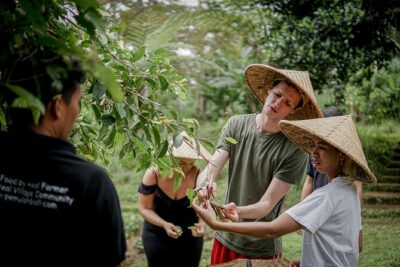 ★ 5.0Balinese Farm Cooking Class by Pemulan BaliFrom $39410 reviews
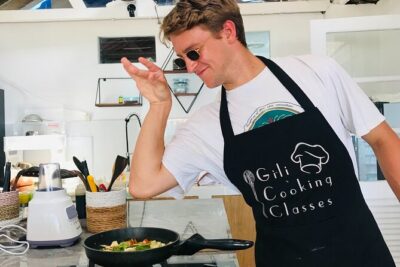 ★ 5.0Learn to cook Indonesian food at Gili Cooking Classes TrawanganFrom $33352 reviews
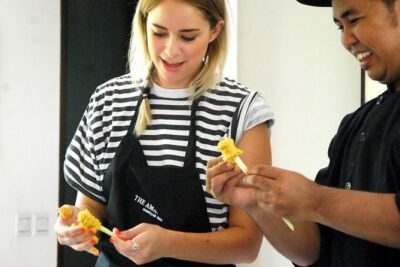 ★ 5.0Balinese Cooking Class in SeminyakFrom $66281 reviews
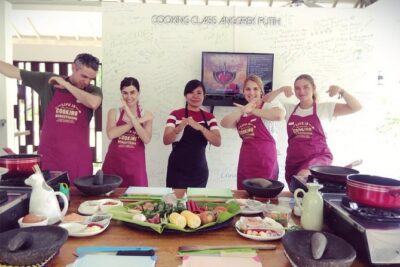 ★ 5.0Anggrek Putih Lombok Cooking ClassFrom $30253 reviews
 ★ 5.0Balinese Authentic Cooking Class in UbudFrom $39239 reviews
 ★ 5.0PRIVATE Balinese Cooking Class in Ubud with Dewa with TransfersFrom $69213 reviews
Browse the lists this tour appears in